Faculty of Mechanical Engineering and Automation, Zhejiang Sci-Tech University, Hangzhou 310018, China.
Sensors (Basel). 2022 Aug 19;22(16):6226. doi: 10.3390/s22166226.
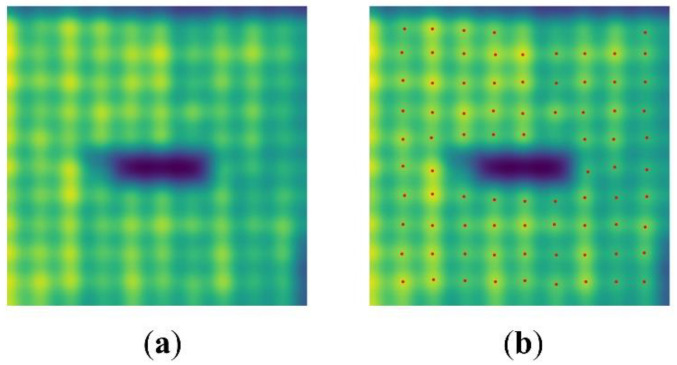
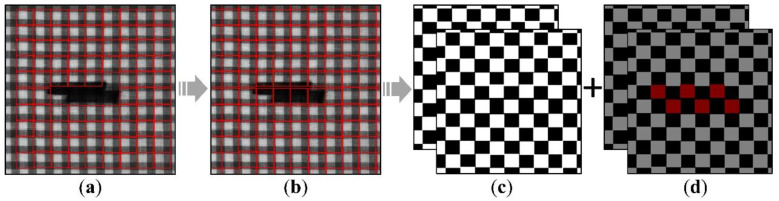
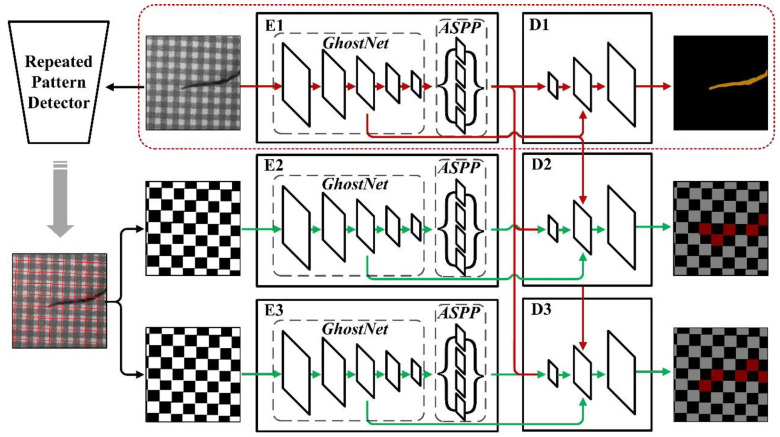
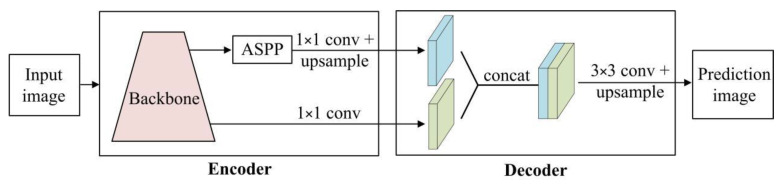
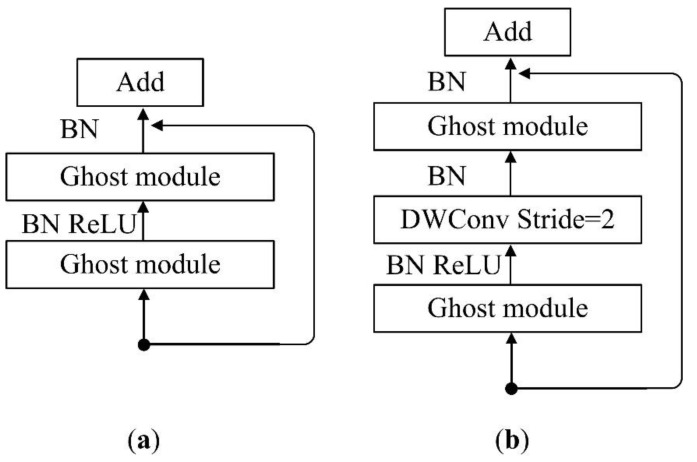
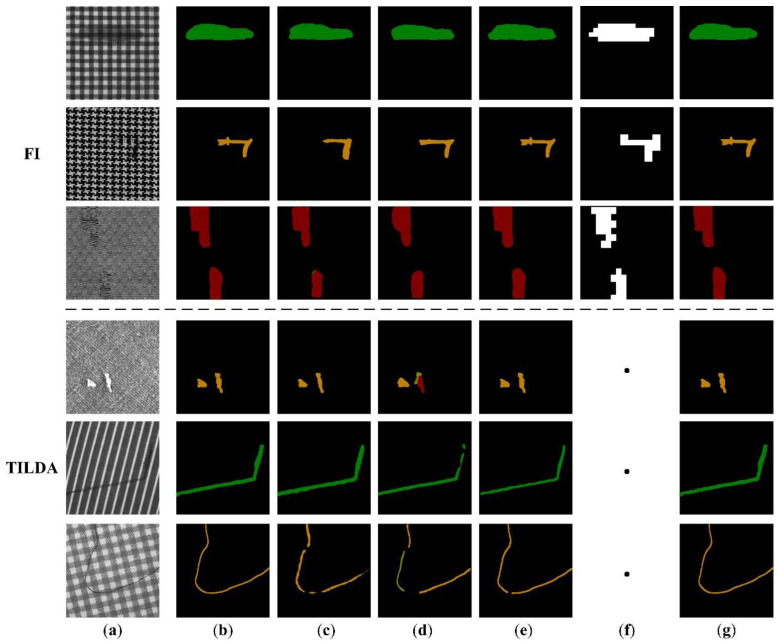
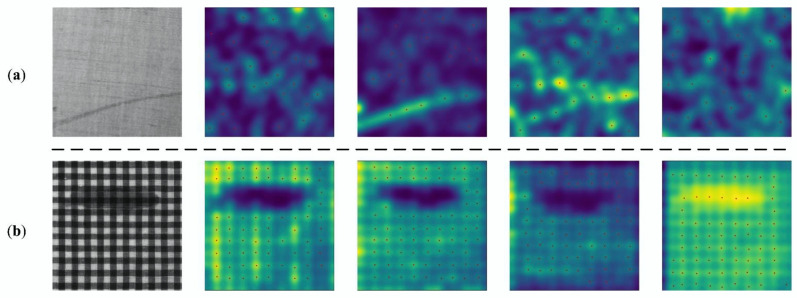
On a global scale, the process of automatic defect detection represents a critical stage of quality control in textile industries. In this paper, a semantic segmentation network using a repeated pattern analysis algorithm is proposed for pixel-level detection of fabric defects, which is termed RPDNet (repeated pattern defect network). Specifically, we utilize a repeated pattern detector based on convolutional neural network (CNN) to detect periodic patterns in fabric images. Through the acquired repeated pattern information and proper guidance of the network in a high-level semantic space, the ability to understand periodic feature knowledge and emphasize potential defect areas is realized. Concurrently, we propose a semi-supervised learning scheme to inject the periodic knowledge into the model separately, which enables the model to function independently from further pre-calculation during detection, so there is no additional network capacity required and no loss in detection speed caused. In addition, the model integrates two advanced architectures of DeeplabV3+ and GhostNet to effectively implement lightweight fabric defect detection. The comparative experiments on repeated pattern fabric images highlights the potential of the algorithm to determine competitive detection results without incurring further computational cost.
在全球范围内,自动缺陷检测过程是纺织行业质量控制的关键阶段。本文提出了一种基于重复模式分析算法的语义分割网络,用于对织物缺陷进行像素级检测,称为 RPDNet(重复模式缺陷网络)。具体来说,我们利用基于卷积神经网络(CNN)的重复模式检测器来检测织物图像中的周期性图案。通过获取的重复模式信息和网络在高级语义空间中的适当引导,实现了理解周期性特征知识和强调潜在缺陷区域的能力。同时,我们提出了一种半监督学习方案,将周期性知识分别注入模型中,使模型在检测过程中能够独立于进一步的预计算,因此不需要额外的网络容量,也不会导致检测速度下降。此外,该模型集成了 DeeplabV3+和 GhostNet 两种先进的架构,可有效地实现轻量级织物缺陷检测。对重复模式织物图像的对比实验突出了该算法在不增加计算成本的情况下确定具有竞争力的检测结果的潜力。