Tang Xiaolong, Qi Chumei, Zhou Honghong, Liu Yongshuo
Department of Clinical Laboratory Diagnostics, Binzhou Medical University, Binzhou, Shandong, 256603, China.
Department of Clinical Laboratory, Dazhou Women and Children's Hospital, Dazhou, Sichuan, 635000, China.
Heliyon. 2022 Aug 11;8(8):e10164. doi: 10.1016/j.heliyon.2022.e10164. eCollection 2022 Aug.
Lung adenocarcinoma (LUAD) is one of the most frequent types of lung cancer, with a high mortality and recurrence rate. This study aimed to design a RiskScore to predict the prognosis and immunotherapy response of LUAD patients due to a lack of metabolic and immune-related prognostic models.
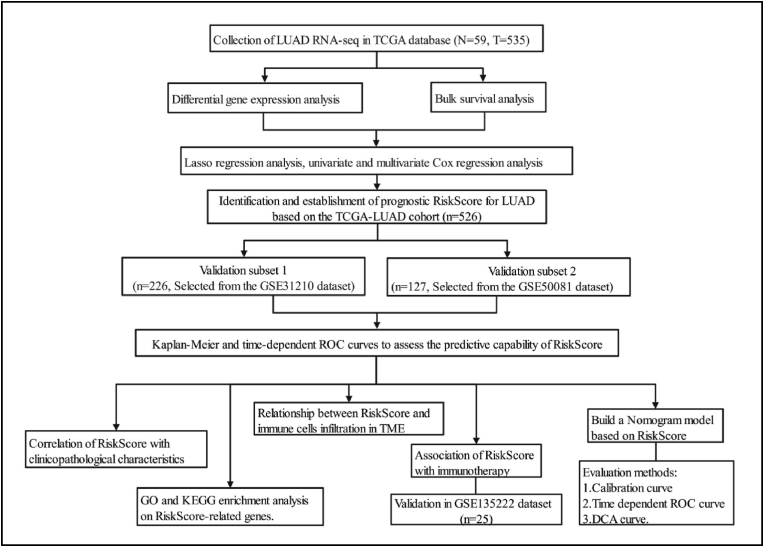
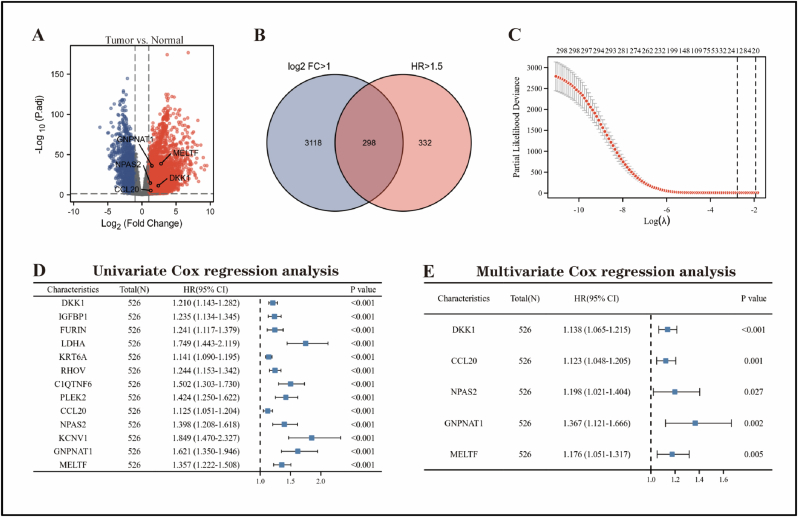
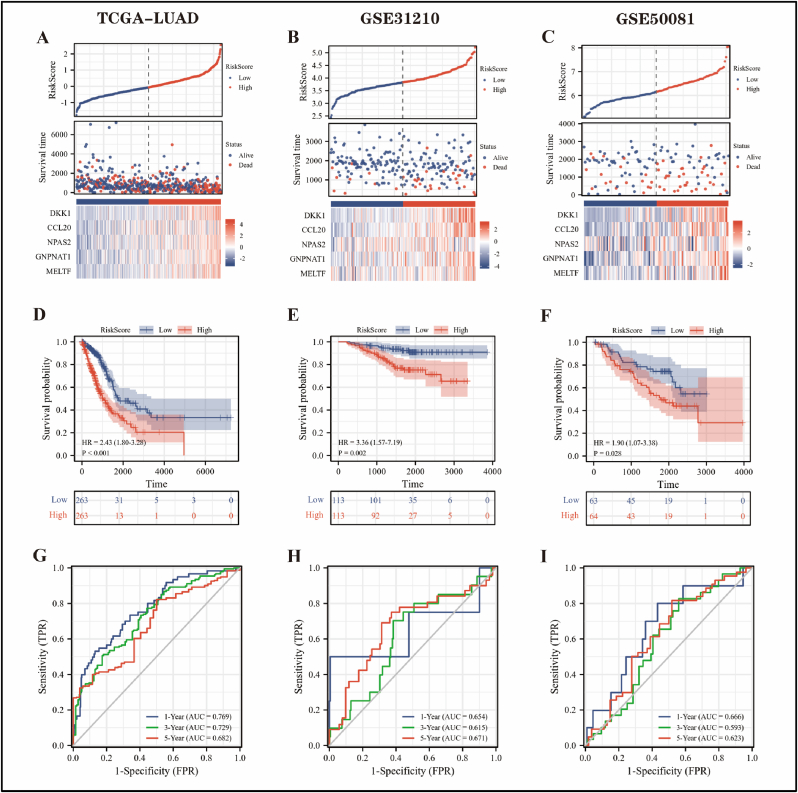
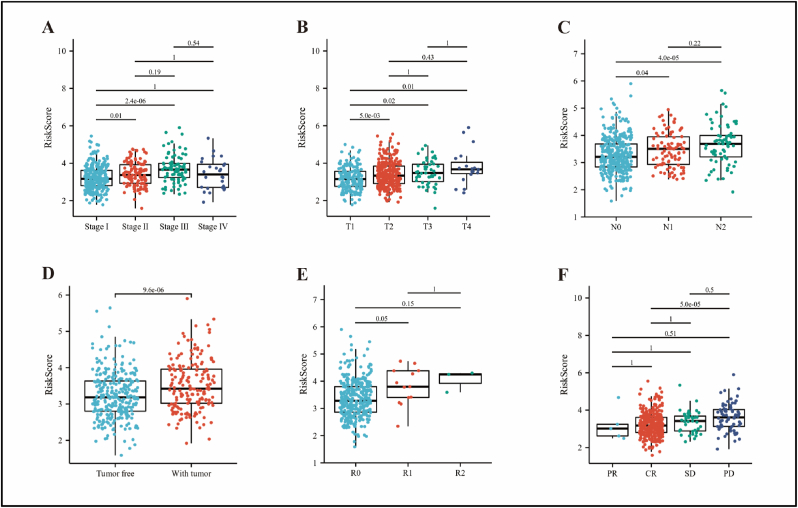
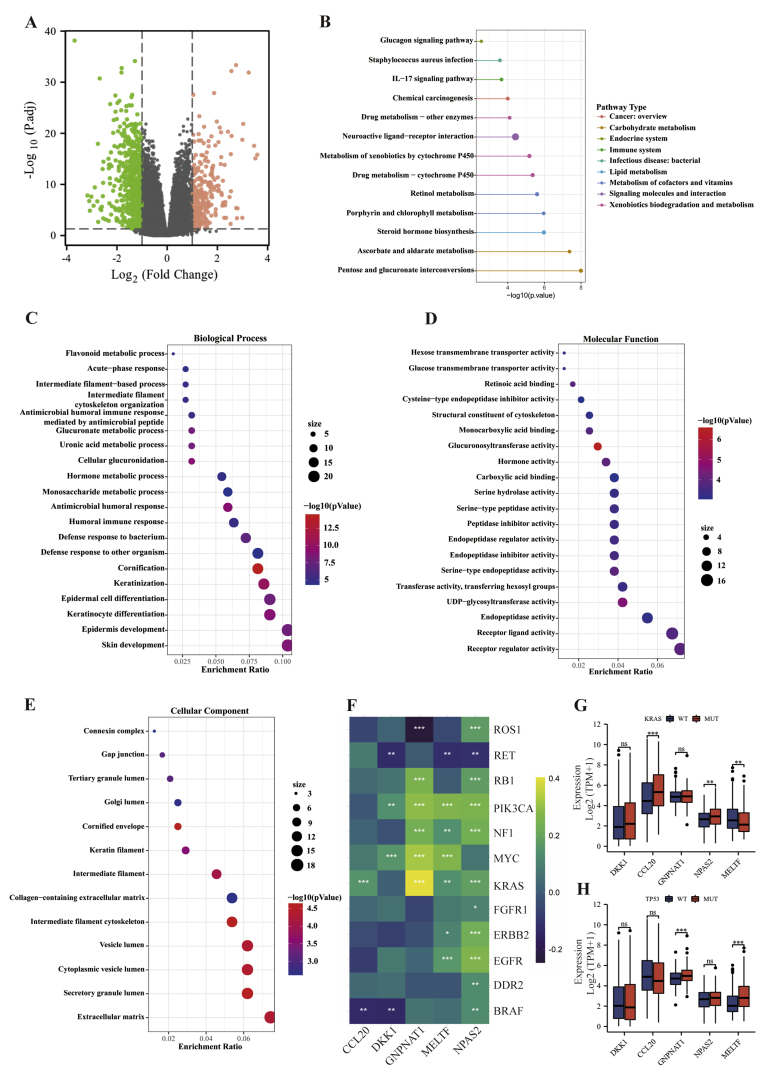
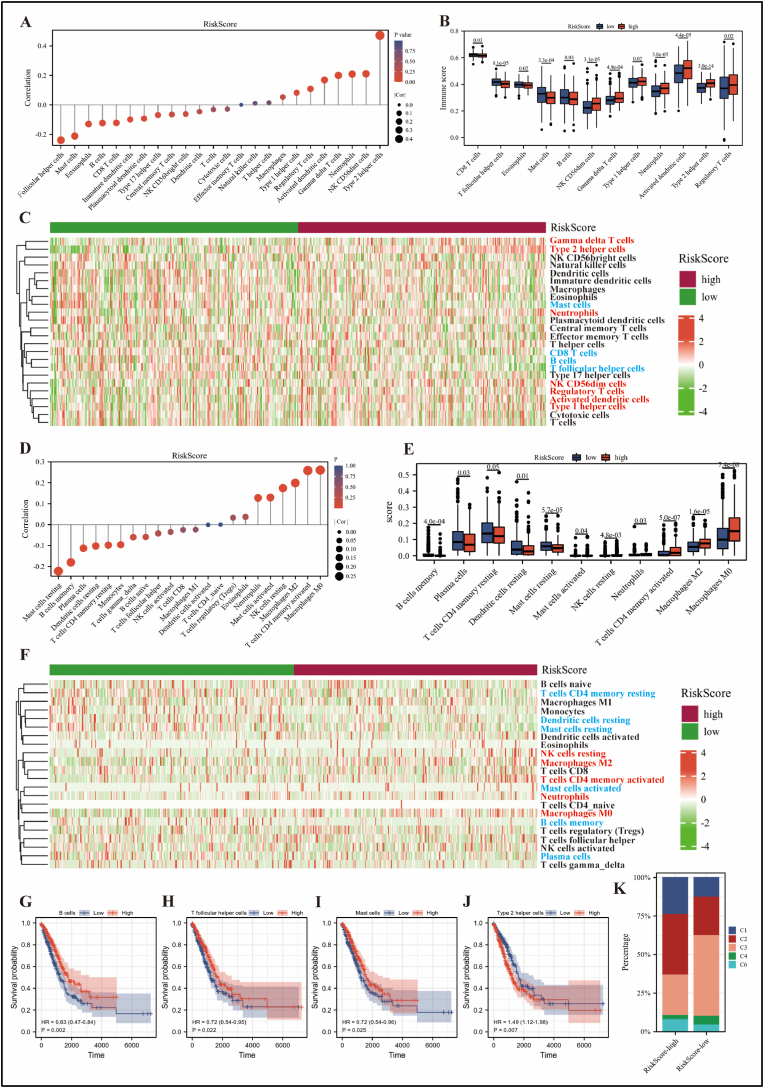
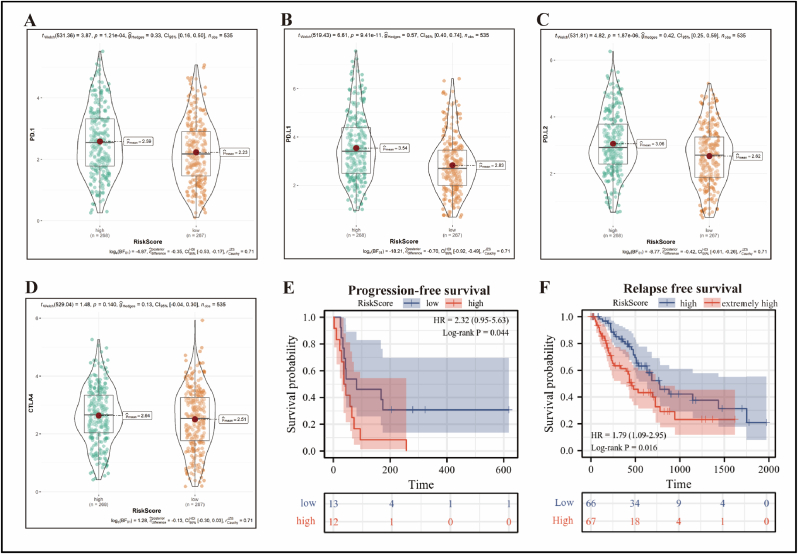
To identify prognostic genes and generate a RiskScore, we conducted differential gene expression analysis, bulk survival analysis, Lasso regression analysis, and univariate and multivariate Cox regression analysis using TCGA-LUAD as a training subset. GSE31210 and GSE50081 were used as validation subsets to validate the constructed RiskScore. Following that, we explored the connection between RiskScore and clinicopathological characteristics, immune cells infiltration, and immunotherapy. In addition, we investigated into RiskScore's biological roles and constructed a Nomogram model.
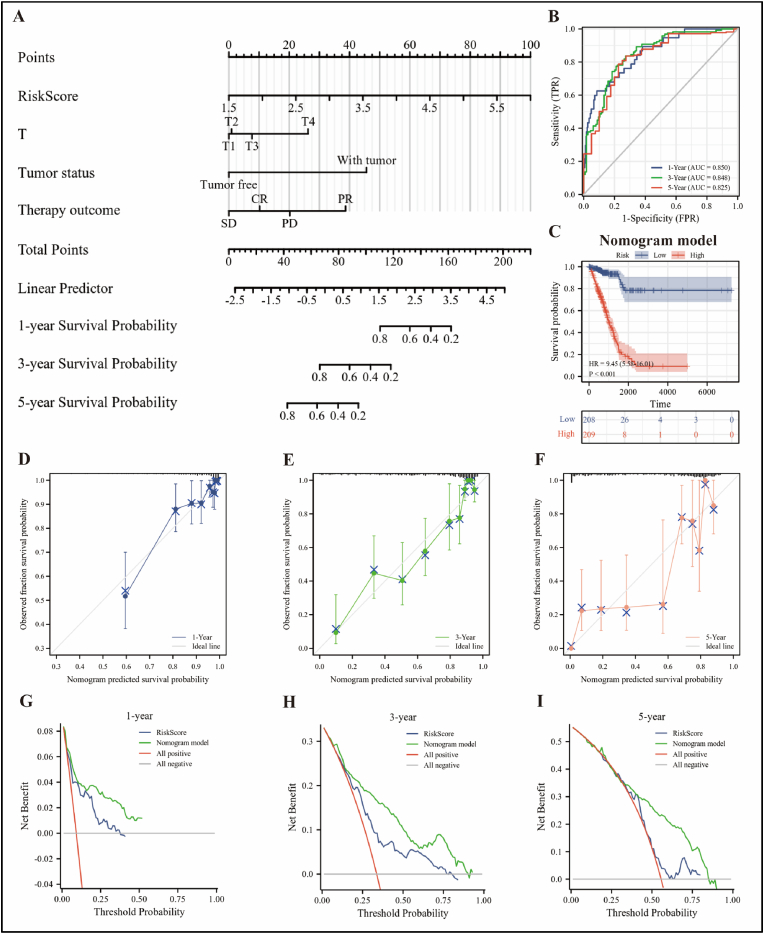
A RiskScore was identified consisting of five genes (DKK1, CCL20, NPAS2, GNPNAT1 and MELTF). In the RiskScore-high group, LUAD patients showed decreased overall survival rates and shorter progression-free survival. Multiple clinicopathological characteristics and immune cells infiltration in TME, in particular, have been linked to RiskScore. Of note, RiskScore-related genes have been implicated to substance metabolism, carcinogenesis, and immunological pathways, among other things. Finally, the C-index of the RiskScore-based Nomogram model was 0.804 (95% CI: 0.783-0.825), and time-dependent ROC predicted probabilities of 1-, 3- and 5-year survival for LUAD patients were 0.850, 0.848 and 0.825, respectively.
The RiskScore, which integrated metabolic and immunological features with DKK1, CCL20, NPAS2, GNPNAT1, and MELTF, could reliably predict prognosis and immunotherapy response in LUAD patients. Moreover, the RiskScore-based Nomogram model had a promising clinical application.
肺腺癌(LUAD)是最常见的肺癌类型之一,死亡率和复发率高。由于缺乏代谢和免疫相关的预后模型,本研究旨在设计一个风险评分来预测LUAD患者的预后和免疫治疗反应。
为了识别预后基因并生成风险评分,我们使用TCGA-LUAD作为训练子集进行差异基因表达分析、总体生存分析、Lasso回归分析以及单变量和多变量Cox回归分析。GSE31210和GSE50081用作验证子集以验证构建的风险评分。随后,我们探讨了风险评分与临床病理特征、免疫细胞浸润和免疫治疗之间的关系。此外,我们研究了风险评分的生物学作用并构建了列线图模型。
确定了一个由五个基因(DKK1、CCL20、NPAS2、GNPNAT1和MELTF)组成的风险评分。在风险评分高的组中,LUAD患者的总生存率降低且无进展生存期缩短。多个临床病理特征和肿瘤微环境中的免疫细胞浸润尤其与风险评分相关。值得注意的是,与风险评分相关的基因涉及物质代谢、致癌作用和免疫途径等。最后,基于风险评分的列线图模型的C指数为0.804(95%CI:0.783-0.825),时间依赖性ROC预测LUAD患者1年、3年和5年生存的概率分别为0.850、0.848和0.825。
整合了代谢和免疫特征以及DKK1、CCL20、NPAS2、GNPNAT1和MELTF的风险评分能够可靠地预测LUAD患者的预后和免疫治疗反应。此外,基于风险评分的列线图模型具有良好的临床应用前景。