Brunelli Laura, De Vitis Valerio, Ferrari Roberto, Minuzzo Mario, Fiore Walter, Jäger Ralf, Taverniti Valentina, Guglielmetti Simone
Sofar S.p.A., Trezzano Rosa, Italy.
Increnovo LLC, Whitefish Bay, WI, United States.
Front Pharmacol. 2022 Aug 9;13:857987. doi: 10.3389/fphar.2022.857987. eCollection 2022.
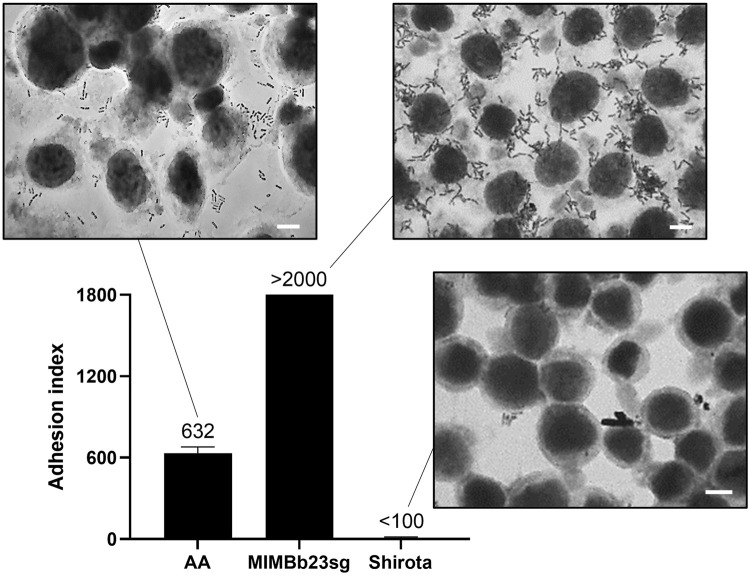
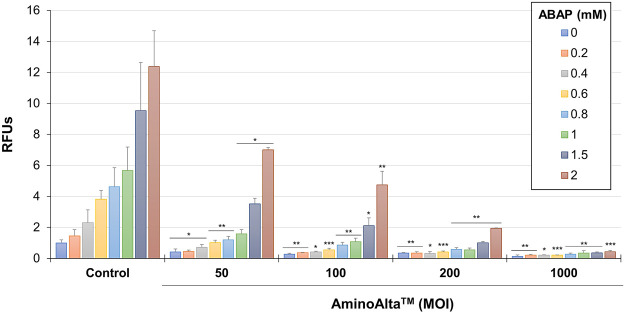
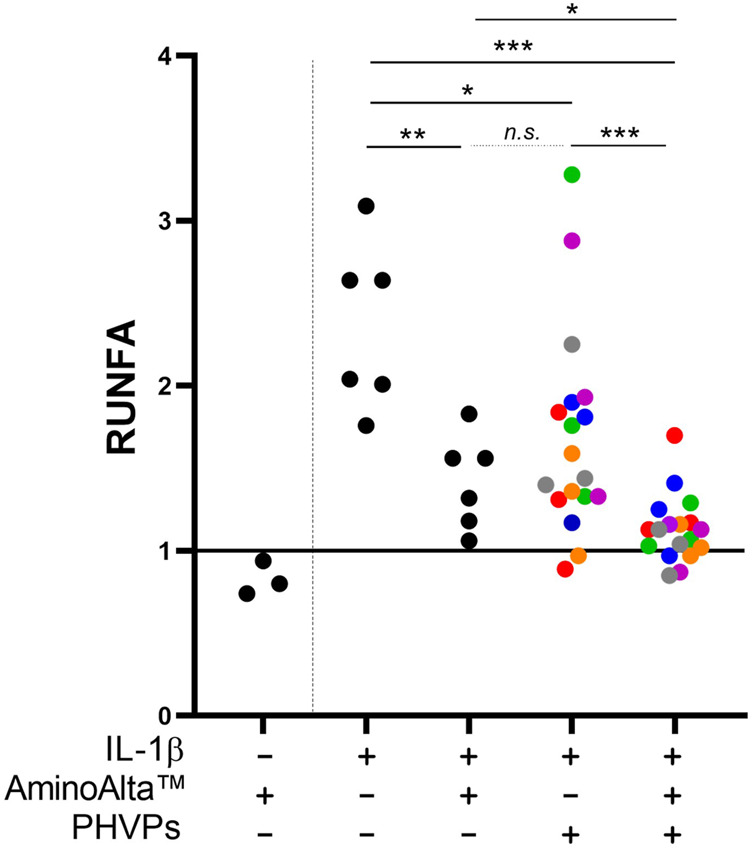
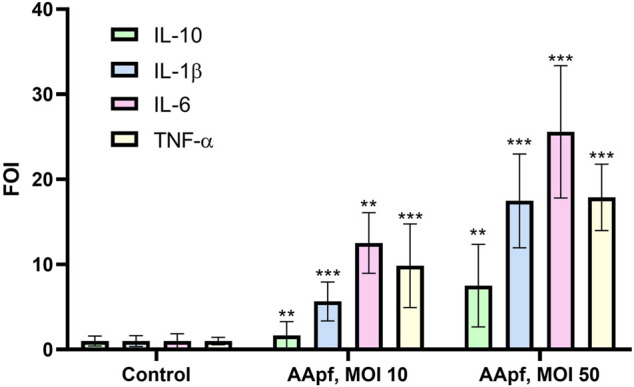
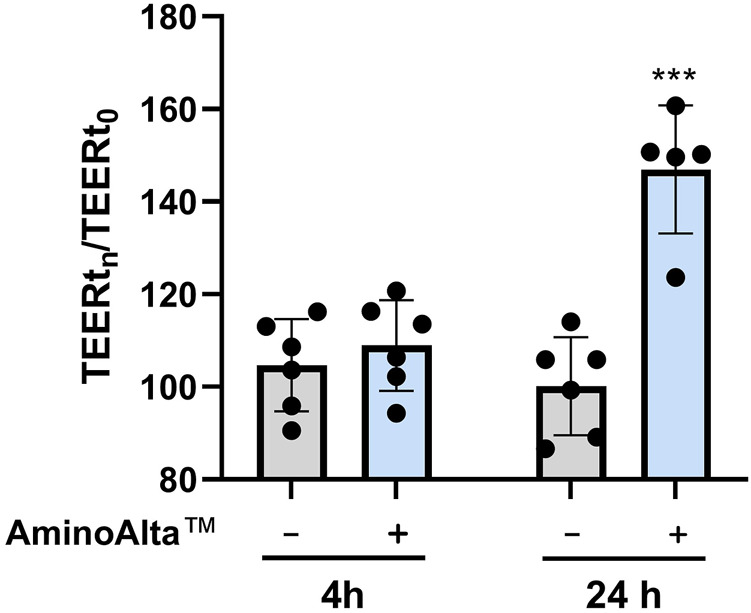
Intense physical activity is often associated with undesirable physiological changes, including increased inflammation, transient immunodepression, increased susceptibility to infections, altered intestinal barrier integrity, and increased oxidative stress. Several trials suggested that probiotics supplementation may have beneficial effects on sport-associated gastro-intestinal and immune disorders. Recently, in a placebo-controlled human trial, the AminoAlta™ probiotic formulation (AApf) was demonstrated to increase the absorption of amino acids from pea protein, suggesting that the administration of AApf could overcome the compositional limitations of plant proteins. In this study, human cell line models were used to assess the potential capacity of AApf to protect from the physiological damages that an intense physical activity may cause. The obtained results revealed that the bacteria in the AApf have the ability to adhere to differentiated Caco-2 epithelial cell layer. In addition, the AApf was shown to reduce the activation of NF-κB in Caco-2 cells under inflammatory stimulation. Notably, this anti-inflammatory activity was enhanced in the presence of partially hydrolyzed plant proteins. The AApf also triggered the expression of cytokines by the THP-1 macrophage model in a dose-dependent manner. In particular, the expression of cytokines IL-1β, IL-6, and TNF-α was higher than that of the regulatory cytokine IL-10, resembling a cytokine profile characteristic of M1 phenotype, which typically intervene in counteracting bacterial and viral infections. Finally, AApf was shown to reduce transepithelial permeability and increase superoxide dismutase activity in the Caco-2 cell model. In conclusion, this study suggests that the AApf may potentially provide a spectrum of benefits useful to dampen the gastro-intestinal and immune detrimental consequences of an intense physical activity.
剧烈的体育活动通常与不良的生理变化有关,包括炎症增加、短暂的免疫抑制、感染易感性增加、肠道屏障完整性改变以及氧化应激增加。多项试验表明,补充益生菌可能对与运动相关的胃肠道和免疫紊乱有有益影响。最近,在一项安慰剂对照的人体试验中,AminoAlta™益生菌制剂(AApf)被证明能增加豌豆蛋白中氨基酸的吸收,这表明服用AApf可以克服植物蛋白的成分限制。在本研究中,使用人类细胞系模型来评估AApf保护免受剧烈体育活动可能造成的生理损伤的潜在能力。获得的结果表明,AApf中的细菌能够粘附于分化的Caco-2上皮细胞层。此外,在炎症刺激下,AApf能降低Caco-2细胞中NF-κB的激活。值得注意的是,在存在部分水解植物蛋白的情况下,这种抗炎活性增强。AApf还以剂量依赖方式触发THP-1巨噬细胞模型中细胞因子的表达。特别是,细胞因子IL-1β、IL-6和TNF-α的表达高于调节性细胞因子IL-10,类似于M1表型的细胞因子特征,M1表型通常参与对抗细菌和病毒感染。最后,在Caco-2细胞模型中,AApf被证明能降低跨上皮通透性并增加超氧化物歧化酶活性。总之,本研究表明,AApf可能潜在地提供一系列益处,有助于减轻剧烈体育活动对胃肠道和免疫的有害影响。