Siddiqui Shiza W, Ashok Tejaswini, Patni Nassar, Fatima Mahejabeen, Lamis Aselah, Anne Krishna Kishore
Research, Dubai Medical College, Dubai, ARE.
Internal Medicine, Jagadguru Sri Shivarathreeshwara (J.S.S) Medical College, Mysore, IND.
Cureus. 2022 Jul 23;14(7):e27167. doi: 10.7759/cureus.27167. eCollection 2022 Jul.
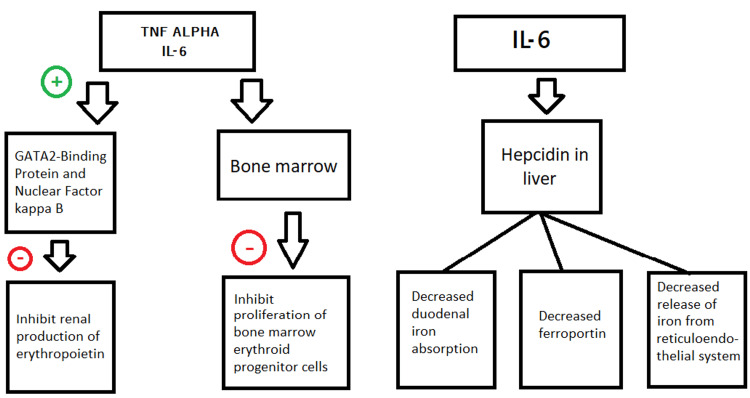
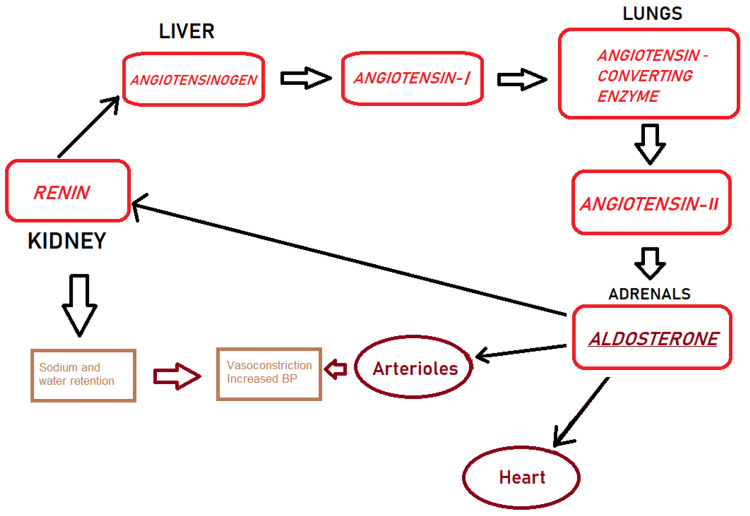
Anemia in heart failure patients is a relatively common finding and has been linked with an increased risk of hospital admissions, morbidities, and significant mortality making its correction a significant factor in improving the quality of life and clinical outcomes in those suffering from it. This review article has discussed the multifactorial pathophysiology, including iron deficiency, longstanding inflammation, abnormal levels of human erythropoietin (Epo), and the abnormal activation of the renin-angiotensin-aldosterone system (RAAS) being the most significant. The diagnostic guidelines as well as research-based management modalities specifically with iron supplements and erythropoietin stimulating agents have also been discussed, although research done in this area has been limited and shown conflicting results.
心力衰竭患者贫血是一种较为常见的现象,且与住院风险增加、发病率上升及显著的死亡率相关,因此纠正贫血是改善此类患者生活质量和临床结局的重要因素。这篇综述文章讨论了多因素病理生理学,其中缺铁、长期炎症、人促红细胞生成素(Epo)水平异常以及肾素-血管紧张素-醛固酮系统(RAAS)的异常激活最为显著。文中还讨论了诊断指南以及基于研究的管理方式,特别是铁补充剂和促红细胞生成素刺激剂,但该领域的研究有限且结果相互矛盾。