Jin Yi, Wang Zhanwang, Xiang Kaimin, Zhu Yuxing, Cheng Yaxin, Cao Ke, Jiang Jiaode
Department of Oncology, Third Xiangya Hospital of Central South University, Changsha, China.
Department of Radiation Oncology, Hunan Cancer Hospital, The Affiliated Cancer Hospital of Xiangya School of Medicine, Central South University, Changsha, China.
Front Genet. 2022 Aug 10;13:900911. doi: 10.3389/fgene.2022.900911. eCollection 2022.
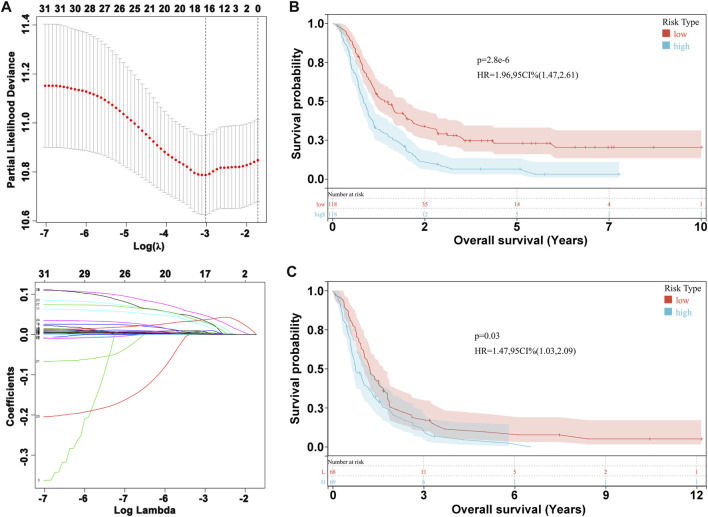
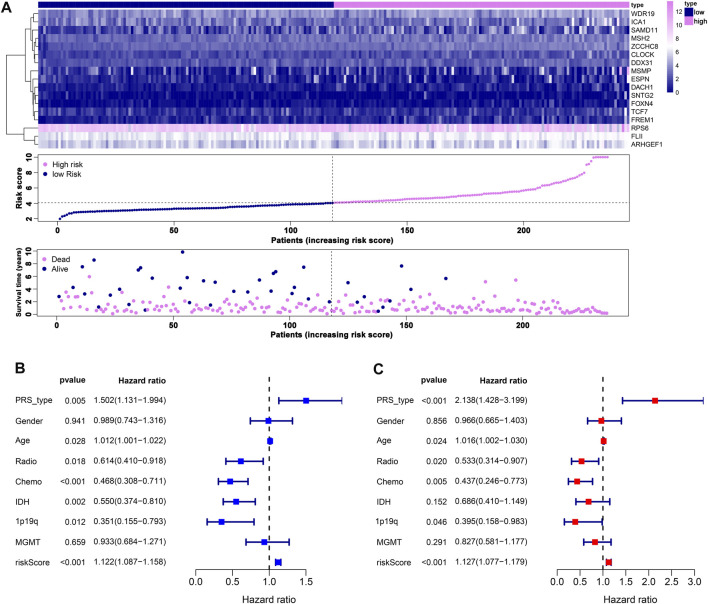
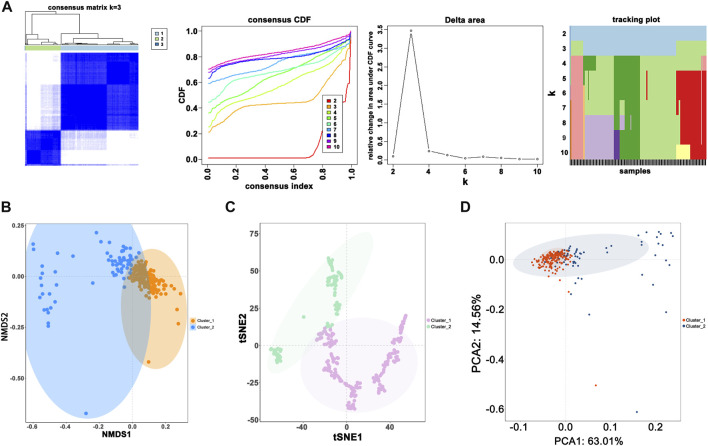
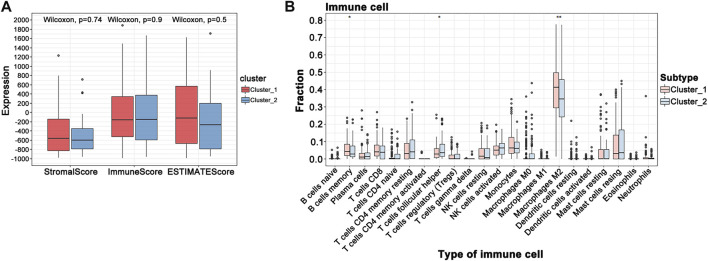
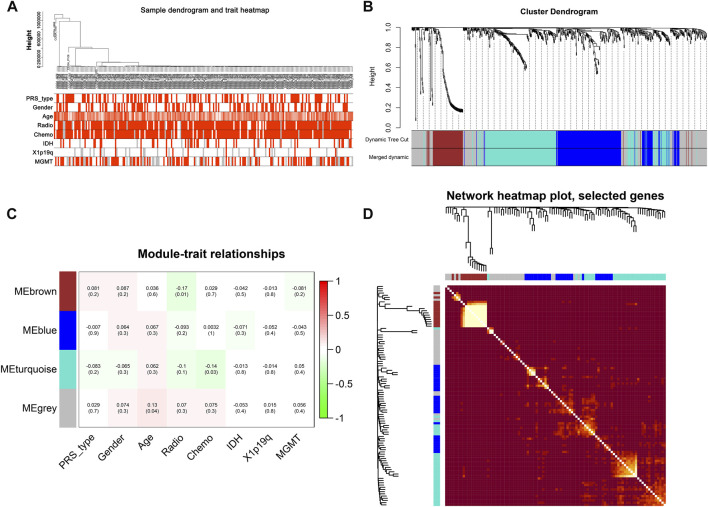
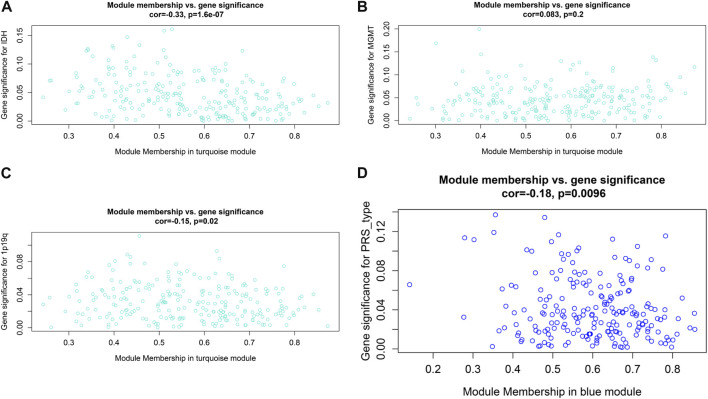
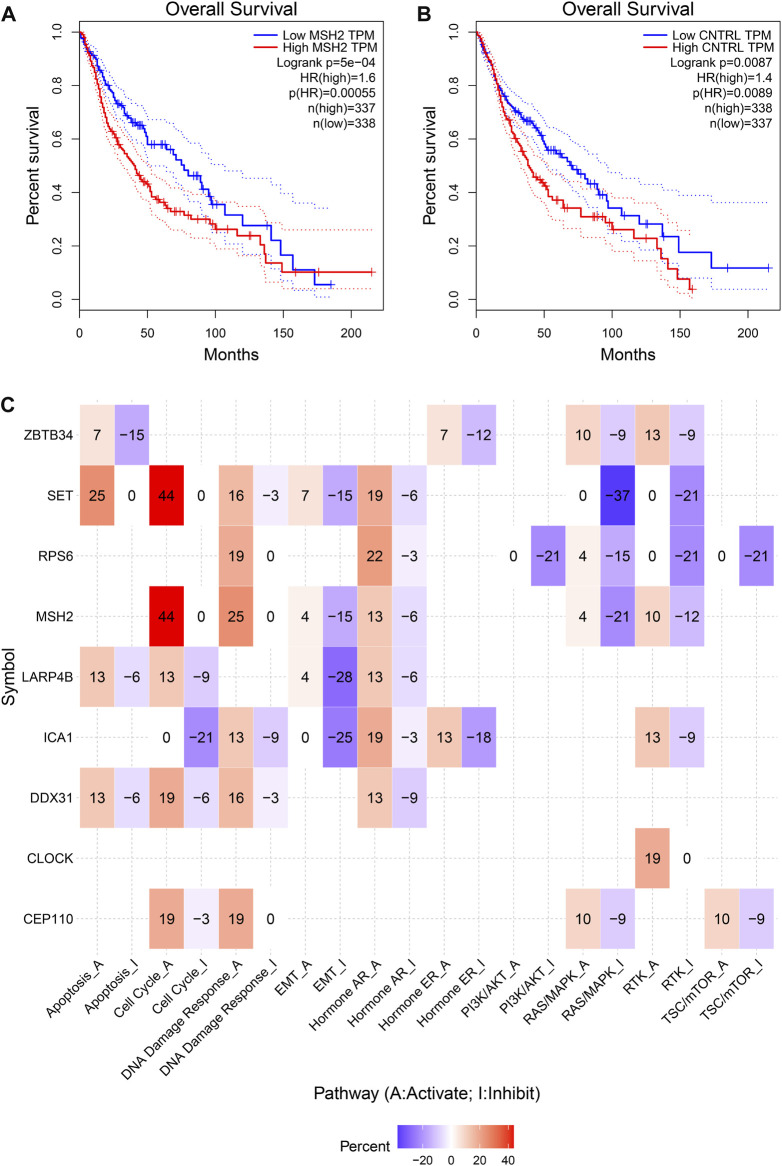
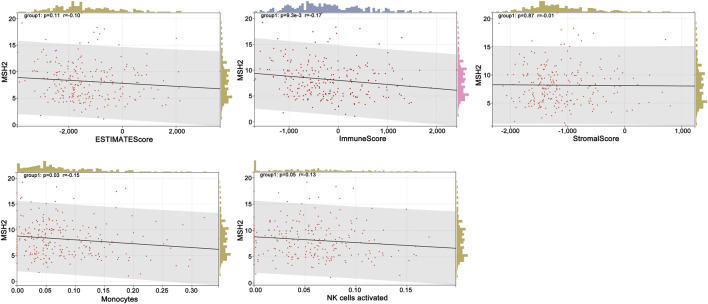
Glioblastoma (GBM) is the most common brain tumor, with rapid proliferation and fatal invasiveness. Large-scale genetic and epigenetic profiling studies have identified targets among molecular subgroups, yet agents developed against these targets have failed in late clinical development. We obtained the genomic and clinical data of GBM patients from the Chinese Glioma Genome Atlas (CGGA) and performed the least absolute shrinkage and selection operator (LASSO) Cox analysis to establish a risk model incorporating 17 genes in the CGGA693 RNA-seq cohort. This risk model was successfully validated using the CGGA325 validation set. Based on Cox regression analysis, this risk model may be an independent indicator of clinical efficacy. We also developed a survival nomogram prediction model that combines the clinical features of OS. To determine the novel classification based on the risk model, we classified the patients into two clusters using ConsensusClusterPlus, and evaluated the tumor immune environment with ESTIMATE and CIBERSORT. We also constructed clinical traits-related and co-expression modules through WGCNA analysis. We identified eight genes (, and ) in the blue module and three genes (, , and ) in the turquoise module. Based on the public website TCGA, two biomarkers were significantly associated with poorer OS. Finally, through GSCALite, we re-evaluated the prognostic value of the essential biomarkers and verified as a hub biomarker.
胶质母细胞瘤(GBM)是最常见的脑肿瘤,具有快速增殖和致命的侵袭性。大规模的基因和表观遗传图谱研究已经在分子亚组中确定了靶点,但针对这些靶点开发的药物在后期临床开发中失败了。我们从中国胶质瘤基因组图谱(CGGA)获得了GBM患者的基因组和临床数据,并进行了最小绝对收缩和选择算子(LASSO)Cox分析,以建立一个包含CGGA693 RNA测序队列中17个基因的风险模型。该风险模型使用CGGA325验证集成功得到验证。基于Cox回归分析,该风险模型可能是临床疗效的独立指标。我们还开发了一个结合总生存期(OS)临床特征的生存列线图预测模型。为了基于风险模型确定新的分类,我们使用ConsensusClusterPlus将患者分为两个聚类,并使用ESTIMATE和CIBERSORT评估肿瘤免疫环境。我们还通过加权基因共表达网络分析(WGCNA)构建了临床特征相关和共表达模块。我们在蓝色模块中鉴定出八个基因(……),在绿松石色模块中鉴定出三个基因(……)。基于公开网站TCGA,两种生物标志物与较差的总生存期显著相关。最后,通过GSCALite,我们重新评估了关键生物标志物的预后价值,并验证……为一个核心生物标志物。