Department of Ophthalmology and Visual Sciences, University of Illinois at Chicagogrid.185648.6, Chicago, Illinois, USA.
Department of Microbiology and Immunology, University of Illinois at Chicagogrid.185648.6, Chicago, Illinois, USA.
mBio. 2022 Oct 26;13(5):e0219422. doi: 10.1128/mbio.02194-22. Epub 2022 Aug 31.
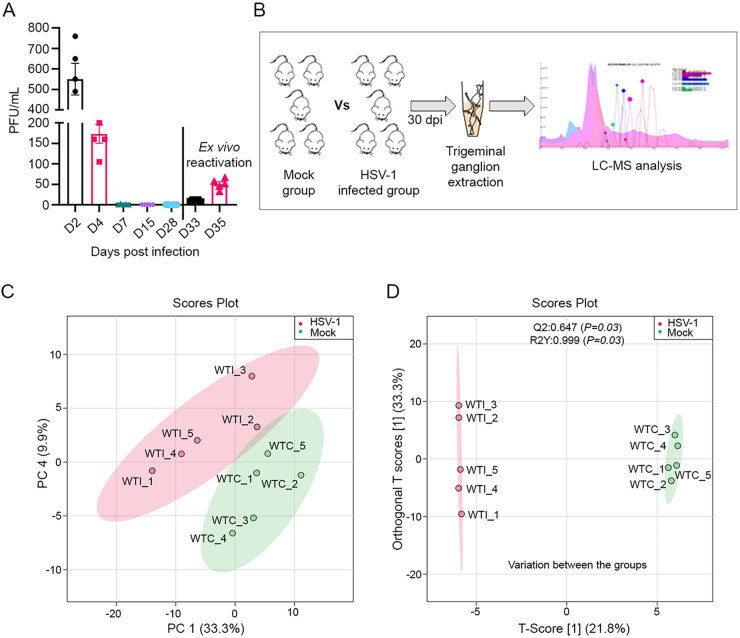
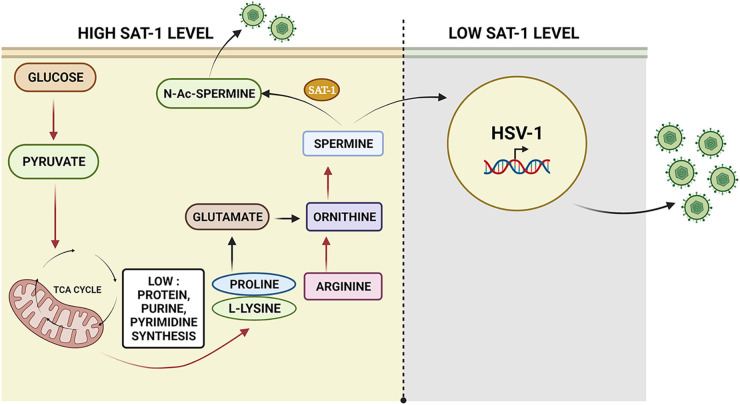
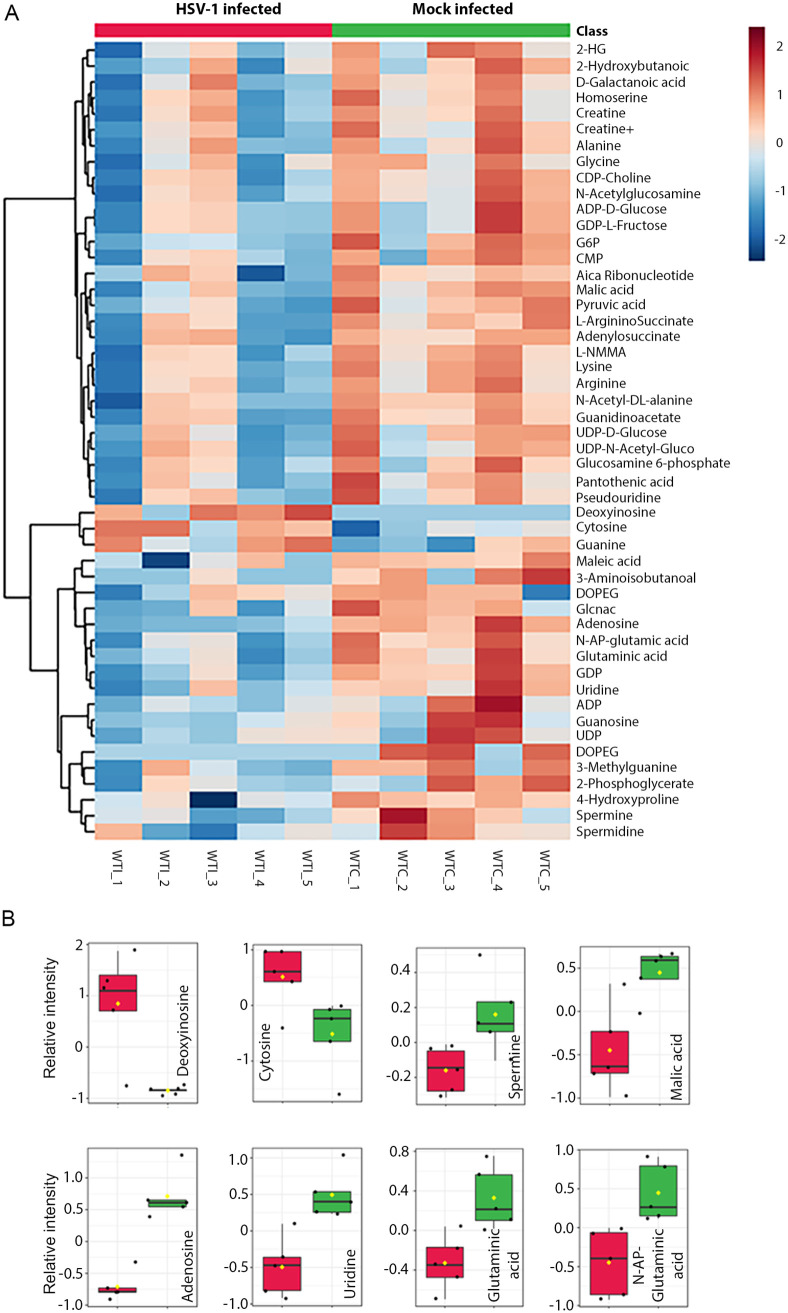
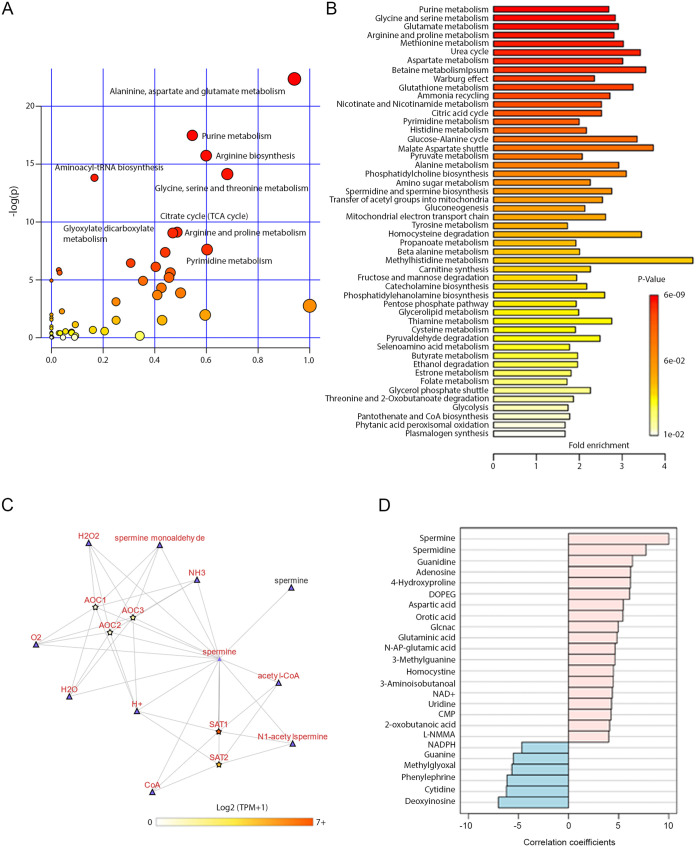
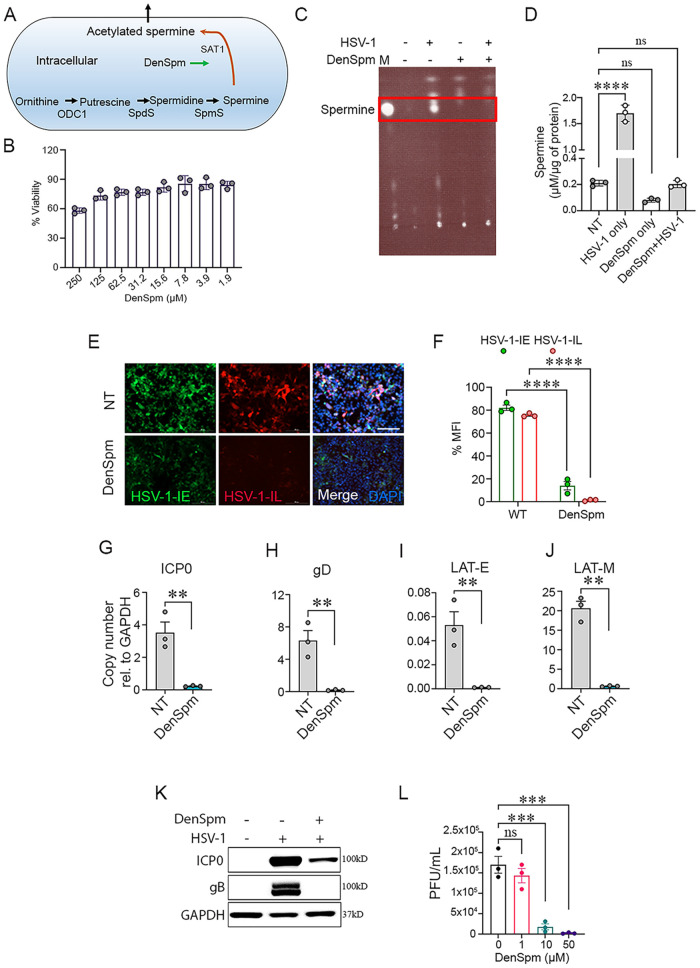
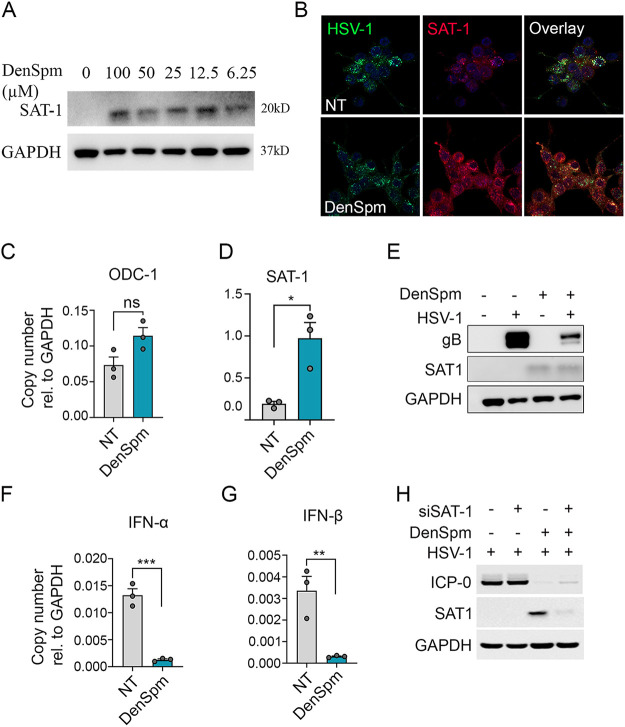
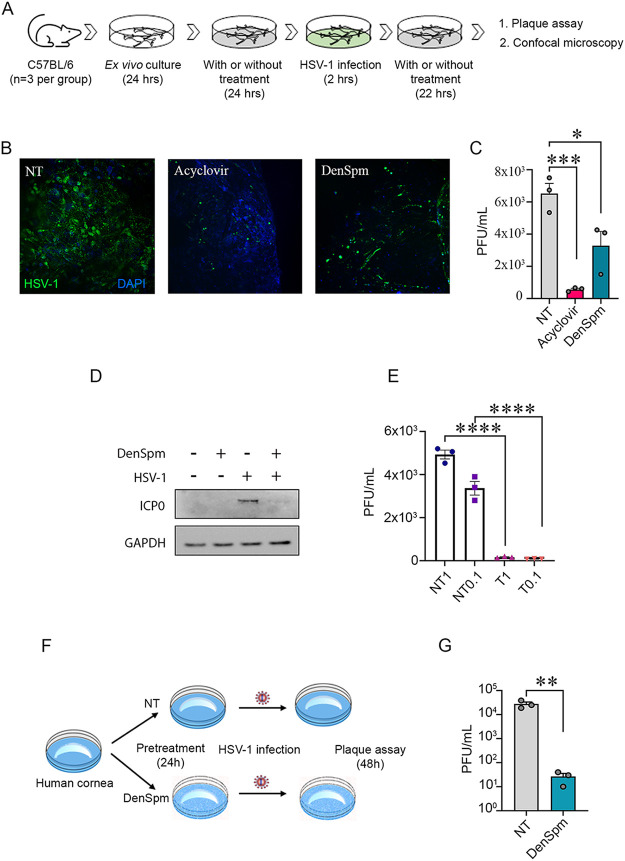
Herpes simplex virus type-1 (HSV-1) infections are known to alter the host metabolism for efficient propagation . However, metabolic perturbations upon prolonged HSV-1 infection remain poorly understood. We used high-resolution liquid chromatography coupled with mass spectrometry (LC-MS) and functional assays to determine the state of the trigeminal ganglion (TG) tissue metabolism upon prolonged corneal HSV-1 infection in a murine model. The metabolomics data indicated significant alterations in the host metabolic profile. After HSV-1 infection, the TG microenvironment assumed downregulation of central carbon metabolism and nucleotide synthesis pathways. We validated our observations using and models through targeted inhibition of crucial metabolic polyamine pathways identified in our metabolomics screen. Our findings collectively suggested that HSV-1 infection altered the host metabolic product regulations that limit the energy and macromolecular precursors required for viral replication. The more severe ocular pathologies associated with HSV-1 infection are significant vision loss, ocular morbidity, and herpetic keratitis. The current clinical landscape lacks curative drugs and vaccines against HSV-1, a heavy burden associated with this neurotropic, ubiquitous pathogen. The virus is notoriously successful in establishing latency in the host TG, where it remains dormant with periodic reactivations in response to various stimuli like stress and immunosuppression. Metabolic perturbations in tissue microenvironment likely aid the virus in establishing its latent state along with subsequent reactivations yet remain poorly characterized. Here, we used mass spectrometry coupled with statistical data analysis to study the host metabolome in the TG during HSV-1 infection and identify metabolites that likely regulate infection.
单纯疱疹病毒 1 型 (HSV-1) 感染已知会改变宿主代谢以实现高效繁殖。然而,长期 HSV-1 感染引起的代谢紊乱仍知之甚少。我们使用高分辨率液相色谱-质谱联用 (LC-MS) 和功能测定法,在小鼠模型中确定了长期角膜 HSV-1 感染对三叉神经节 (TG) 组织代谢的影响。代谢组学数据表明宿主代谢谱发生了显著变化。在 HSV-1 感染后,TG 微环境下调了中心碳代谢和核苷酸合成途径。我们通过针对我们的代谢组学筛选中确定的关键代谢多胺途径的靶向抑制,使用 和 模型验证了我们的观察结果。我们的研究结果表明,HSV-1 感染改变了宿主代谢产物的调节,从而限制了病毒复制所需的能量和大分子前体。与 HSV-1 感染相关的更严重的眼部疾病是视力丧失、眼部发病率和疱疹性角膜炎。目前的临床状况缺乏针对 HSV-1 的治愈性药物和疫苗,这给这种神经嗜性、普遍存在的病原体带来了沉重负担。该病毒在宿主 TG 中建立潜伏状态非常成功,在受到各种刺激(如压力和免疫抑制)时会处于休眠状态并定期重新激活。组织微环境中的代谢紊乱可能有助于病毒建立潜伏状态及其随后的再激活,但仍知之甚少。在这里,我们使用质谱联用和统计数据分析来研究 HSV-1 感染期间 TG 中的宿主代谢组,并确定可能调节感染的代谢物。