Department of Gastroenterology, Peking University People's Hospital, Beijing, China.
Clinical Center of Immune-Mediated Digestive Diseases, Peking University People's Hospital, Beijing, China.
Gut Microbes. 2022 Jan-Dec;14(1):2107387. doi: 10.1080/19490976.2022.2107387.
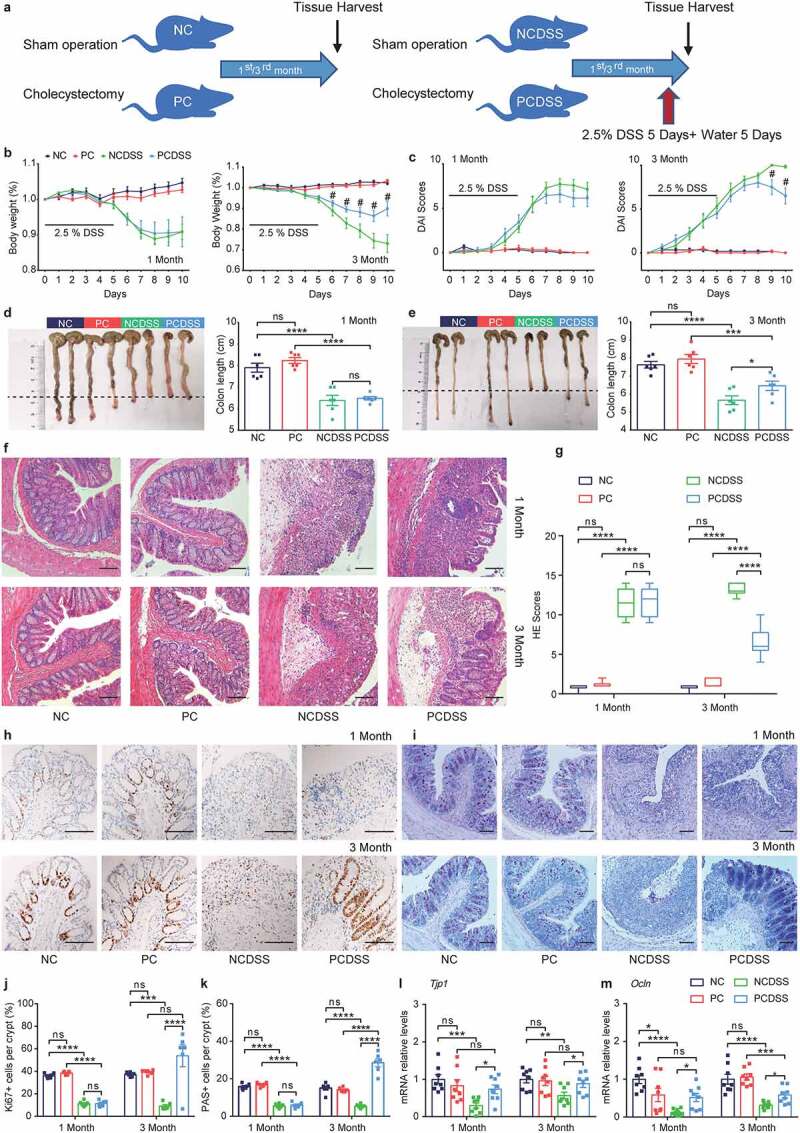
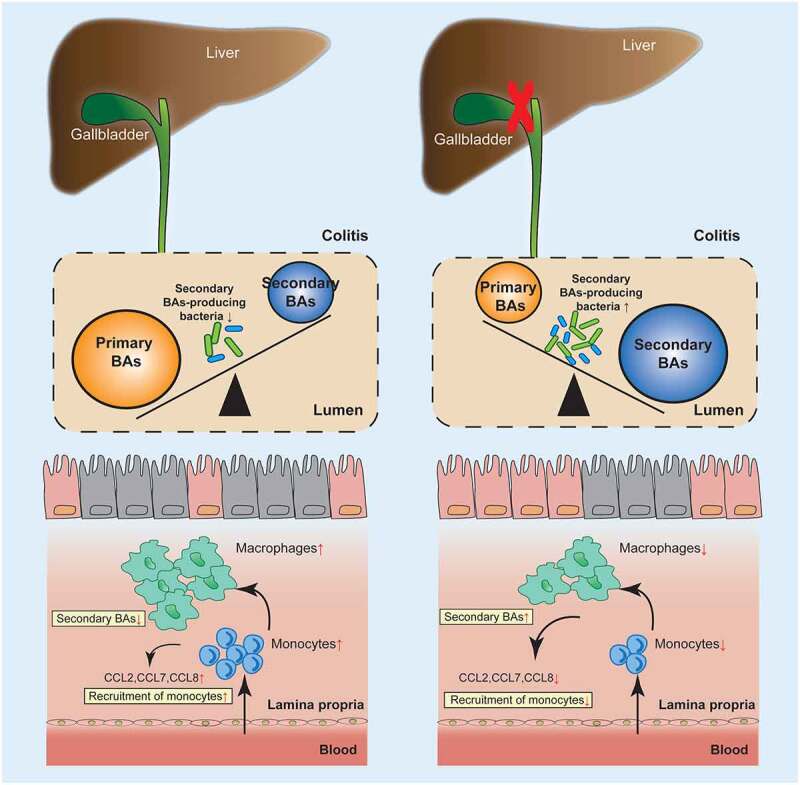
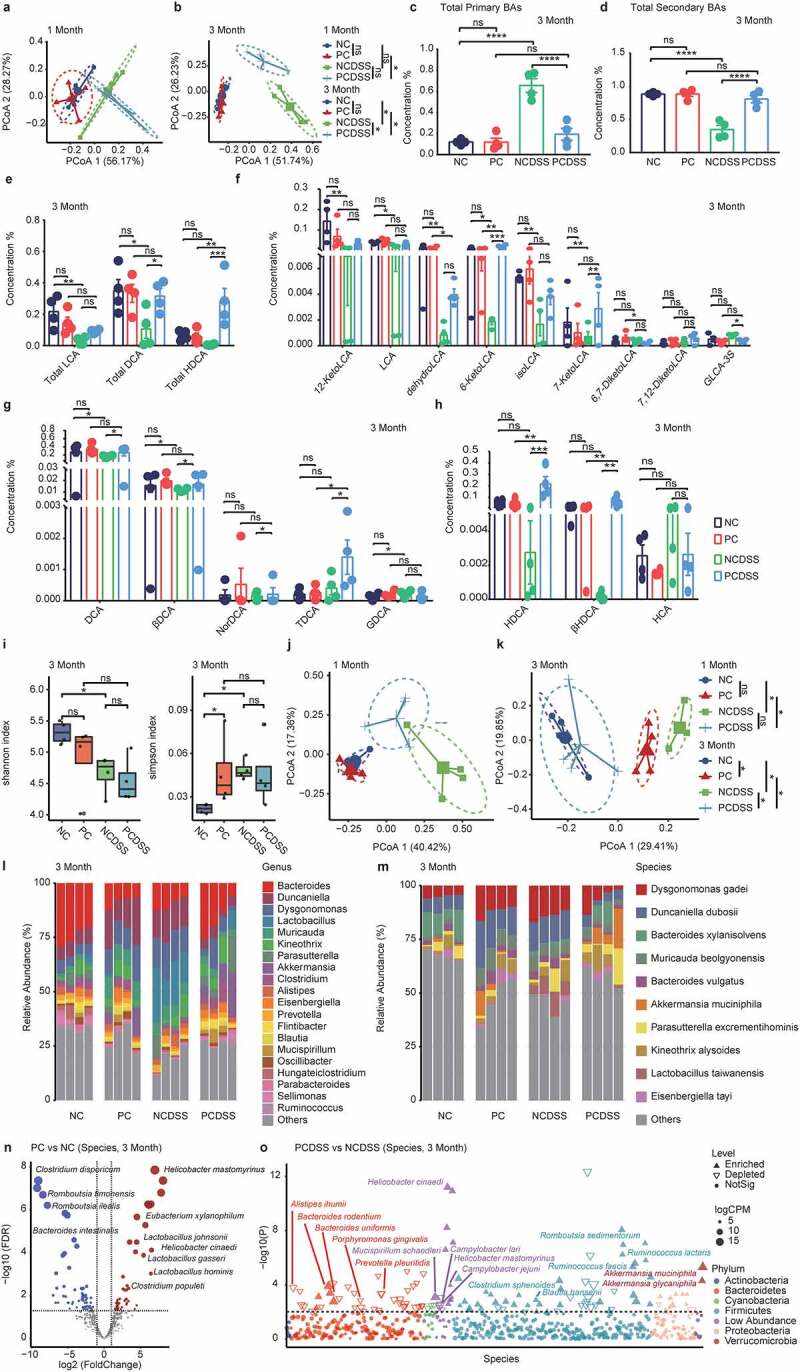
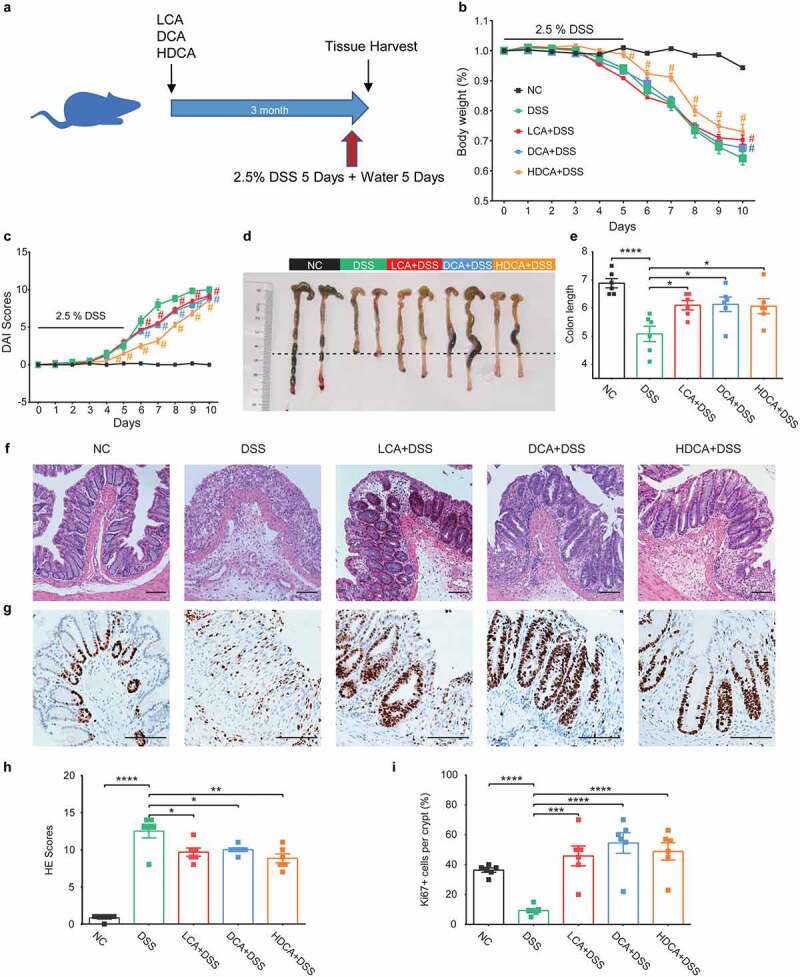
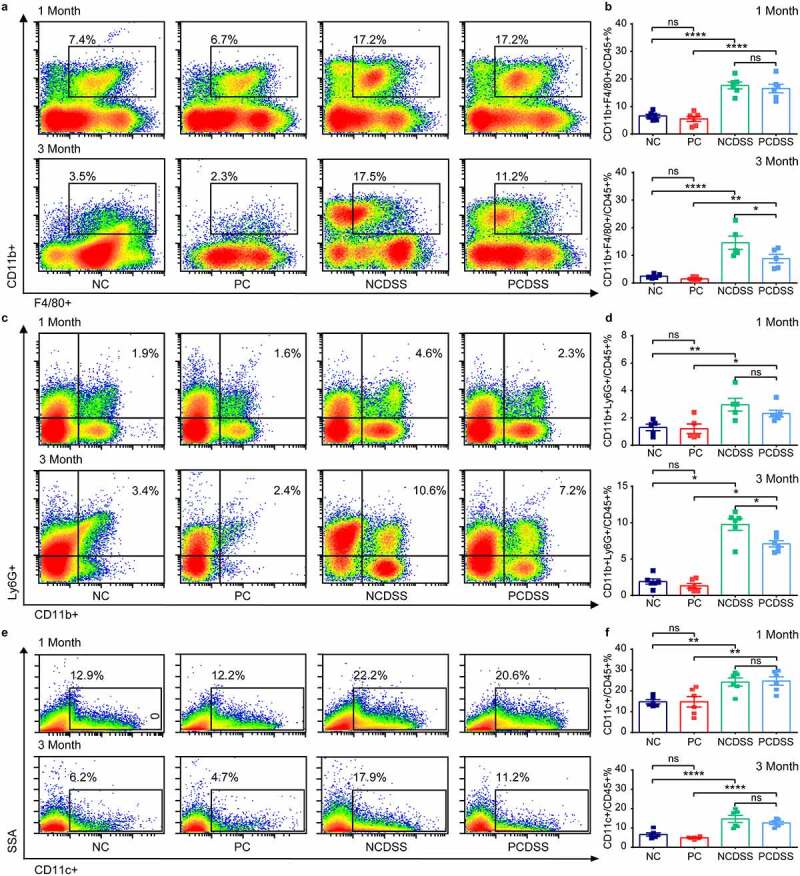
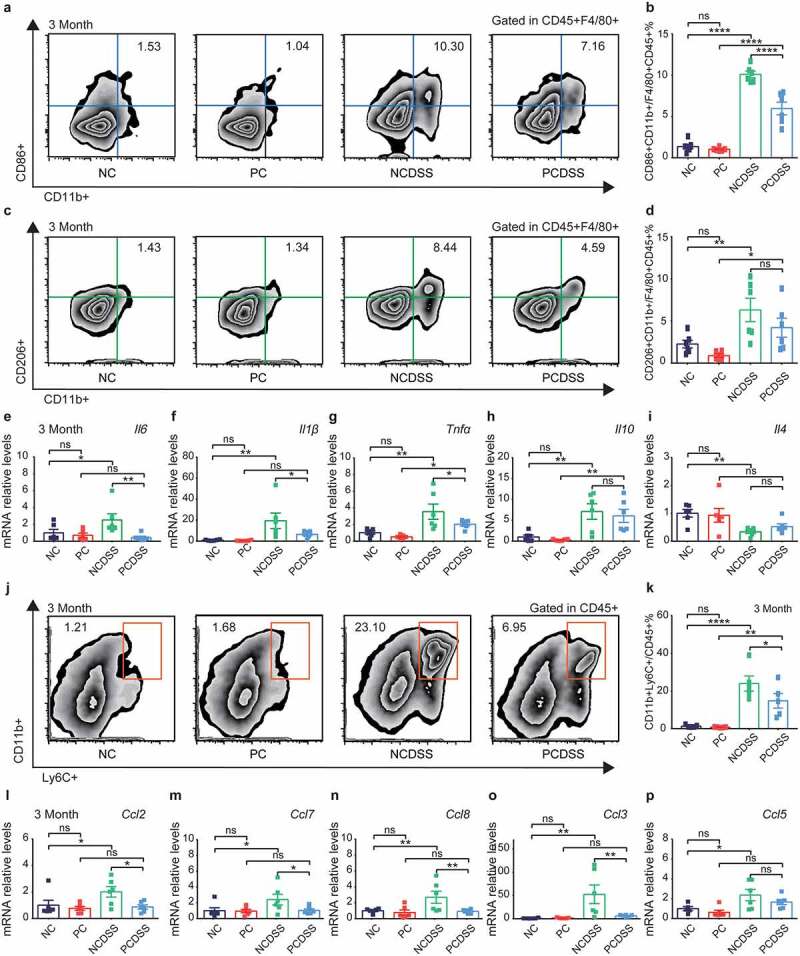
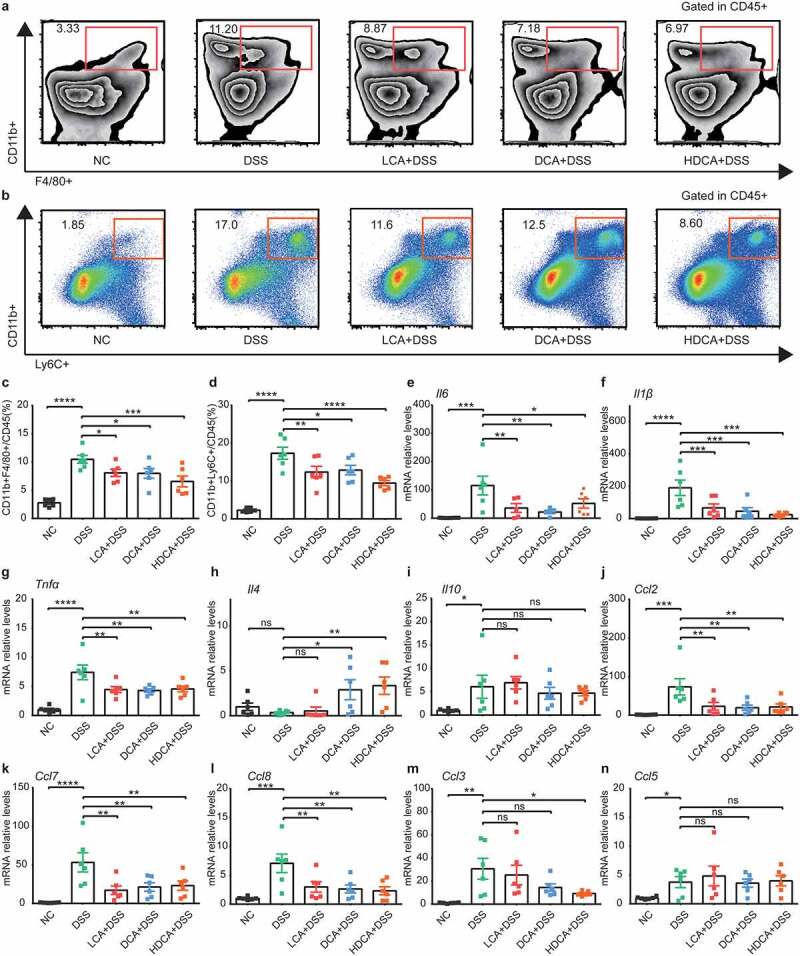
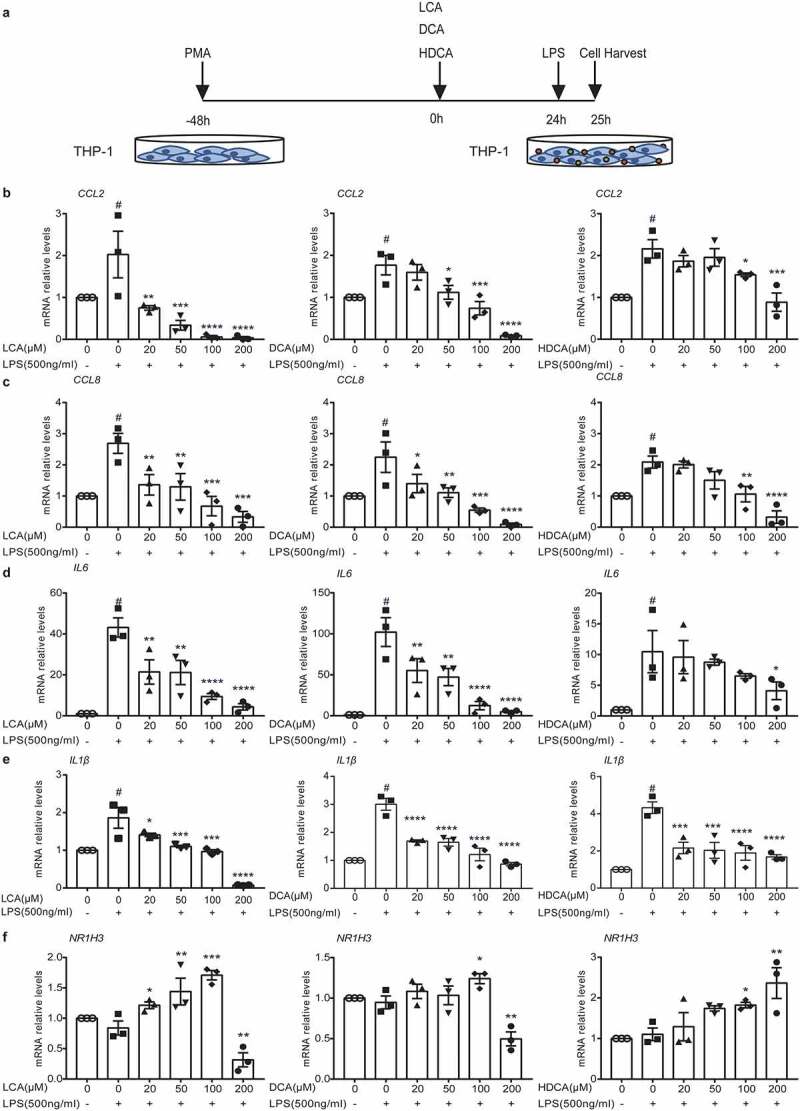
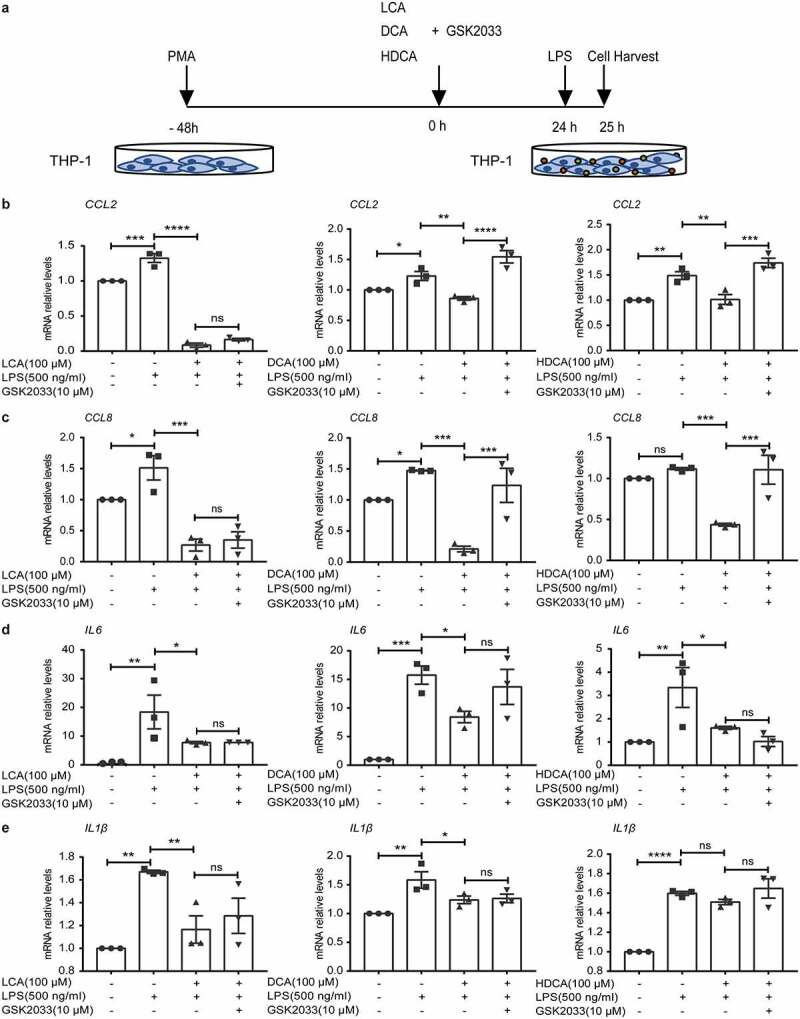
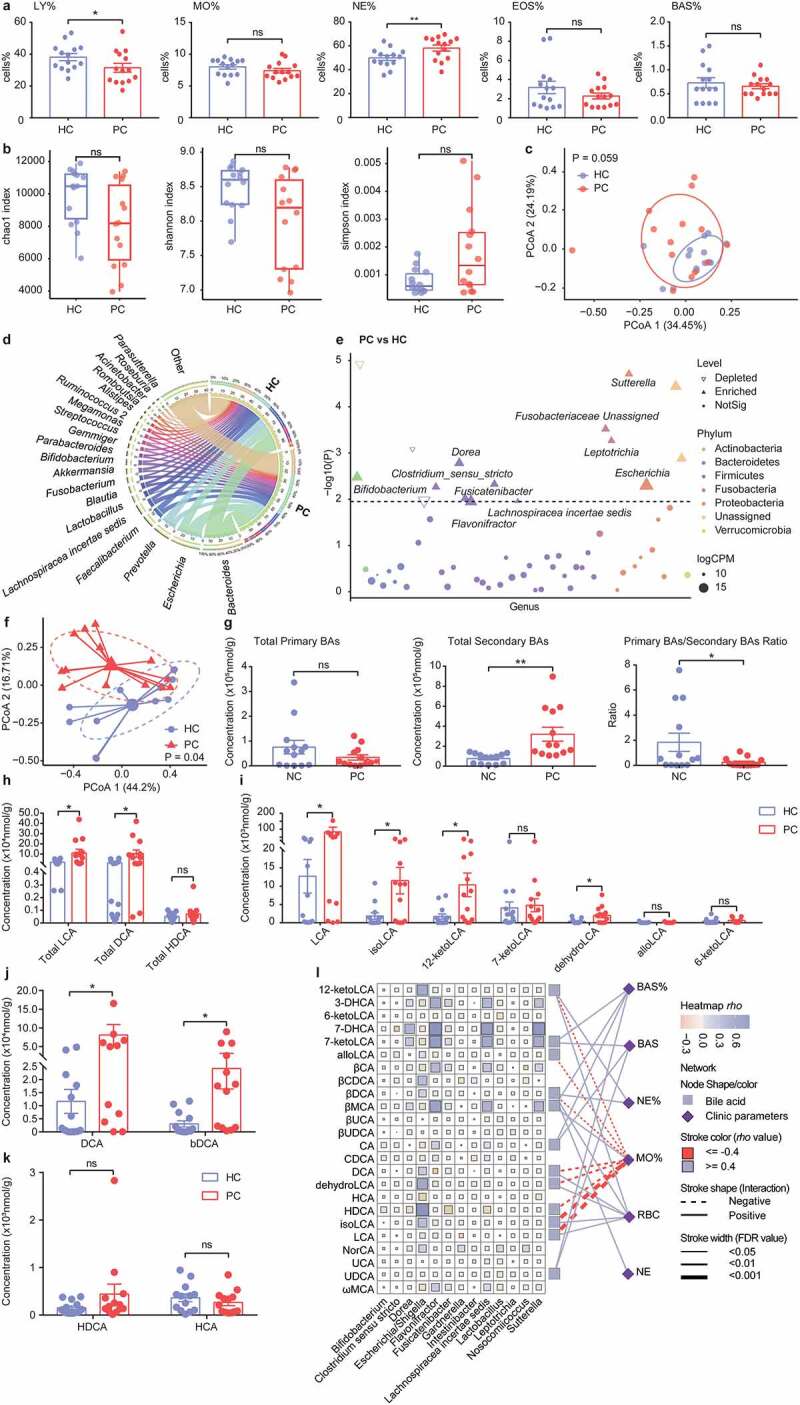
Although post-cholecystectomy (PC) patients usually have gastrointestinal complications and a higher risk of colorectal cancer, previous studies undetected a heightened risk of inflammatory bowel disease. Thus, we tried to investigate cholecystectomy's impact and pathophysiological mechanism on murine colitis models and clarify the association among fecal bile acids (BAs), mucosal bacterial microbiota, and immune cells in the PC patients. One month or three months after cholecystectomy, mice have induced colitis and tested BAs and fecal microbiota analysis. Next, mice were treated with various cholecystectomy-accumulated bile acids in drinking water for three months before inducing colitis. All 14 paired PC patients and healthy subjects were enrolled for BAs and mucosal microbiota analysis. Cholecystectomy ameliorated DSS-induced murine colitis, accelerated mucosal repair, and induced a significant shifting of fecal microbiota and BAs profiles under colitis status, which featured a higher relative abundance of species involved in BAs metabolism and increased secondary BAs concentrations. Cholecystectomy-associated secondary BAs (LCA, DCA, and HDCA) also ameliorated DSS-induced colitis and accelerated mucosal repair in mice. Cholecystectomy and specific secondary BAs treatments inhibited monocytes/macrophages recruitment in colitis mice. , cholecystectomy-associated secondary BAs also downregulated monocytes chemokines in the THP-1 derived macrophages through activation of the LXRα-linked signaling pathway. The alterations of mucosal microbiota and fecal BAs profiles were found in the PC patients, characterized as increased species with potential immuno-modulating effects and secondary BAs, which were negatively associated with peripheral monocytes levels. Cholecystectomy-induced secondary bile acids accumulation ameliorated colitis through inhibiting monocyte/macrophage recruitment, which might be mediated by the LXRα-related signaling pathway. Cholecystectomy, after 3 months follow-up, has an immune-regulatory role in murine colitis, preliminarily explaining that no increased risk of IBD had been reported in the PC patients, which still warrants further studies.
虽然胆囊切除术后(PC)患者通常会出现胃肠道并发症和结直肠癌风险升高,但先前的研究并未发现炎症性肠病的风险增加。因此,我们试图研究胆囊切除术对小鼠结肠炎模型的影响和病理生理机制,并阐明 PC 患者粪便胆汁酸(BAs)、黏膜细菌菌群和免疫细胞之间的关联。胆囊切除术后 1 个月或 3 个月后,诱导小鼠结肠炎并检测 BAs 和粪便微生物群分析。接下来,在诱导结肠炎前,用各种胆囊切除术累积胆汁酸处理小鼠 3 个月。所有 14 对 PC 患者和健康对照者均纳入 BAs 和黏膜微生物群分析。胆囊切除术改善了 DSS 诱导的小鼠结肠炎,加速了黏膜修复,并在结肠炎状态下引起粪便微生物群和 BAs 谱的显著变化,其特征是涉及 BAs 代谢的物种相对丰度增加,以及次级 BAs 浓度增加。胆囊切除术相关的次级 BAs(LCA、DCA 和 HDCA)也改善了 DSS 诱导的结肠炎和小鼠的黏膜修复。胆囊切除术和特定的次级 BAs 治疗抑制了结肠炎小鼠中单核细胞/巨噬细胞的募集。此外,胆囊切除术相关的次级 BAs 通过激活 LXRα 相关信号通路,还下调了 THP-1 衍生巨噬细胞中单核细胞趋化因子的表达。在 PC 患者中发现了黏膜微生物群和粪便 BAs 谱的改变,其特征是具有潜在免疫调节作用的物种和次级 BAs 增加,而外周单核细胞水平与这些改变呈负相关。胆囊切除术诱导的次级胆汁酸积累通过抑制单核细胞/巨噬细胞募集来改善结肠炎,这可能是通过 LXRα 相关信号通路介导的。胆囊切除术在 3 个月的随访后对小鼠结肠炎具有免疫调节作用,初步解释了 PC 患者中未报告炎症性肠病风险增加,这仍需要进一步研究。