Department for Neonatology, Hospital for Children and Adolescents, University Hospital Leipzig, Liebigstrasse 20a, 04103, Leipzig, Germany.
Hospital for Children and Adolescents, Department of Women and Child Health, University Hospital Leipzig, Liebigstrasse 20a, 04103, Leipzig, Germany.
BMC Pediatr. 2022 Sep 2;22(1):521. doi: 10.1186/s12887-022-03567-w.
Ethanol intoxications in newborns are generally due to false preparation of formula with alcoholics or alcohol consumption by the breastfeeding mothers. Rarely, intoxications occur in hospitalized newborns, e.g., from excessive use of alcoholic hand sanitizers. We herein report a strange case of acute ethanol intoxications in our NICU.
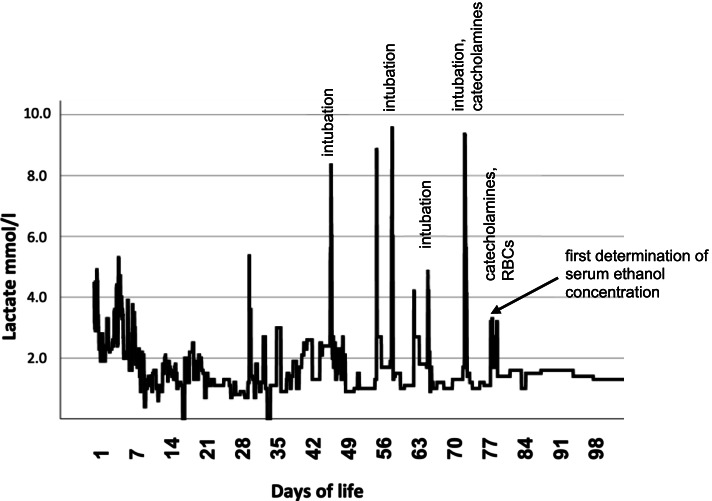
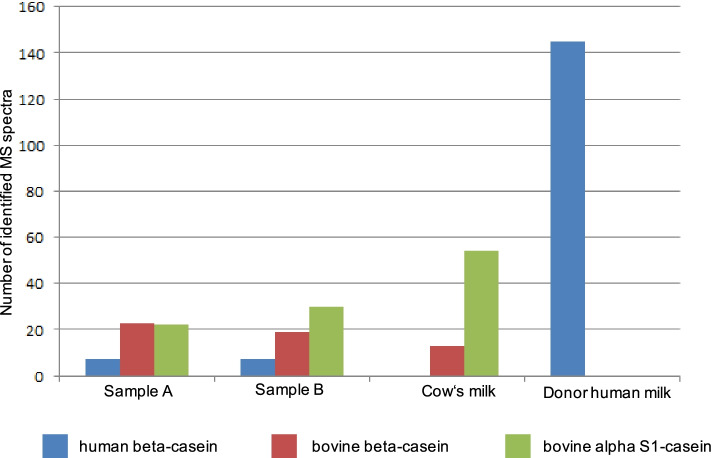
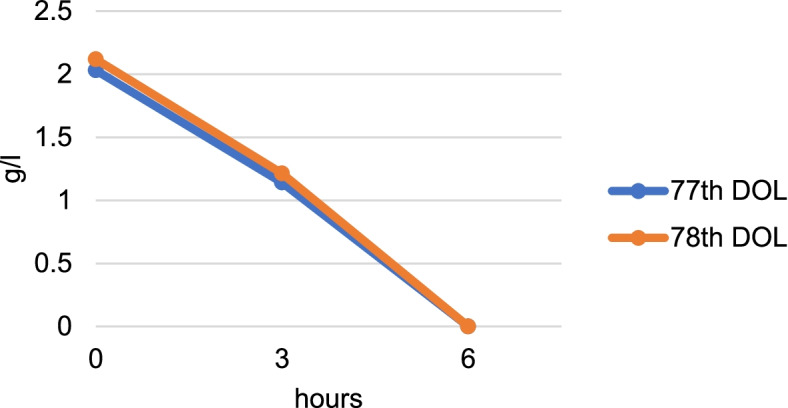
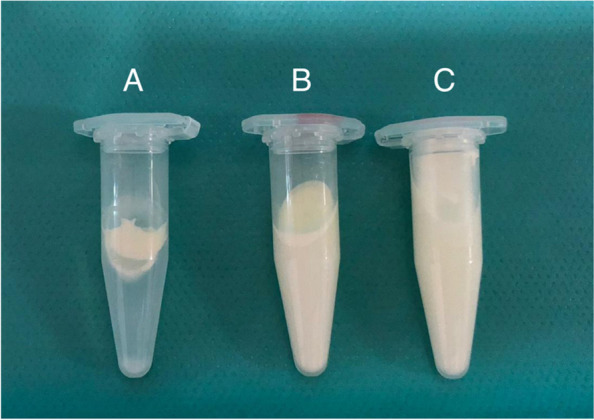
An extremely premature infant (23 0/7 weeks gestational age, birthweight 580 g) suffered from repeated life-threatening events with hemodynamic compromise, apnea, and lactic acidosis while being treated in our neonatal intensive care unit (NICU). Symptomatic treatment with intravenous fluids and, if necessary, intubation and catecholamine therapy led to recovery after several hours each time. The episodes eventually turned out to be severe ethanol intoxications brought about by breast milk contaminated with ethanol. The breast milk was supplied by the infant's mother, who consumed non-trivial amounts of alcohol to build up her strength and make herself produce more milk, which was recommended to her by a family member. Additionally, she supplemented her own mother's milk with cow's milk because she was worried her baby was underserved with her milk. The mother admitted to this in intensive conversations with our team and a professional translator.
This unique case underlines how different cultural dynamics can attribute to life-threatening events in the care of premature infants. It is important for us to emphasize that intensive communication and building a confident relationship with the parents of patients is essential to the work on NICUs. Child safeguarding issues and possibilities of intoxications have to stay in mind even in a supposedly safe space like the NICU.
新生儿乙醇中毒通常是由于错误地用酒精制备配方奶或母乳喂养的母亲饮酒所致。极少数情况下,住院新生儿也会发生中毒,例如,过度使用含酒精的手部消毒剂。在此,我们报告一例在我们新生儿重症监护病房(NICU)中发生的罕见急性乙醇中毒病例。
一名极早产儿(23 0/7 周胎龄,出生体重 580 克)在我们的新生儿重症监护病房(NICU)接受治疗时反复发生危及生命的事件,表现为血流动力学不稳定、呼吸暂停和乳酸性酸中毒。每次发作时,我们都给予静脉补液等对症治疗,如果有必要,还进行气管插管和儿茶酚胺治疗,每次治疗后患儿都能在数小时后恢复。这些发作最终被诊断为严重的乙醇中毒,原因是母乳受到乙醇污染。母乳由婴儿的母亲提供,她为了增强体力并促使自己产更多的奶,饮用了相当数量的酒精,这是一位家庭成员建议她这样做的。此外,她还担心自己的奶量不够,因此用牛奶补充自己的母乳。在与我们的团队和一名专业翻译的深入交谈中,母亲承认了这一点。
这个独特的病例强调了不同的文化动态如何导致早产儿护理中的危及生命的事件。我们必须强调,与患儿的父母进行深入的沟通并建立信任关系对于 NICU 的工作至关重要。即使在 NICU 这样看似安全的环境中,也必须牢记儿童保护问题和中毒的可能性。