Walker Christopher J, Chang Hua, Henegar Leah, Kashyap Trinayan, Shacham Sharon, Sommer Josh, Wick Michael J, Levy Joan, Landesman Yosef
Department of Translational Research, Karyopharm Therapeutics, Inc, Newton, MA, United States.
Department of Research, Chordoma Foundation, Durham, NC, United States.
Front Oncol. 2022 Aug 18;12:808021. doi: 10.3389/fonc.2022.808021. eCollection 2022.
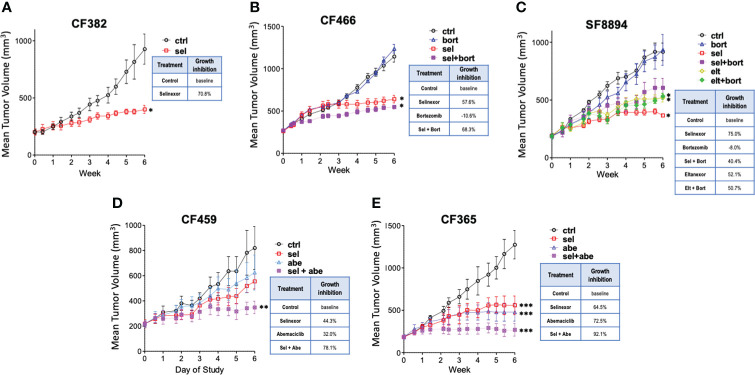
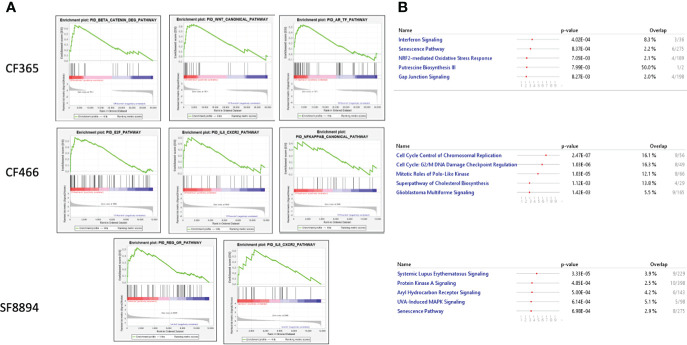
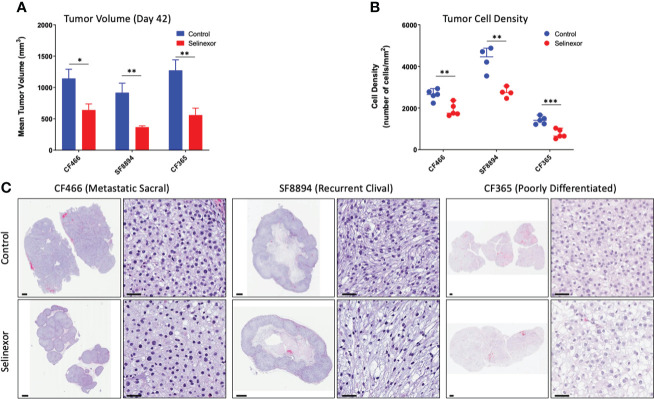
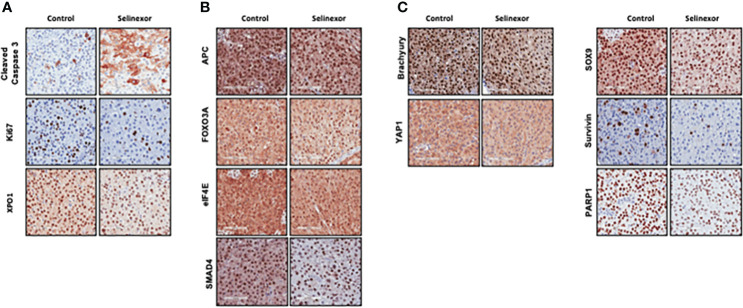
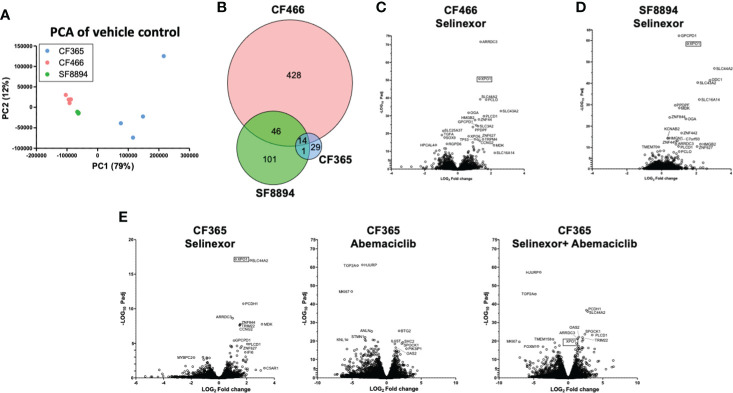
Chordoma is a rare cancer that grows in the base of the skull and along the mobile spine from remnants of embryonic notochord tissue. The cornerstone of current treatments is surgical excision with adjuvant radiation therapy, although complete surgical removal is not always possible. Chordomas have high rates of metastasis and recurrence, with no approved targeted agents. Selinexor and eltanexor are selective inhibitors of nuclear export (SINE) that prevent the karyopherin protein exportin-1 (XPO1) from shuttling its cargo proteins through nuclear pore complexes out of the nucleus and into the cytoplasm. As cancer cells overexpress XPO1, and many of its cargos include tumor suppressor proteins and complexes bound to oncogene mRNAs, XPO1 inhibition can suppress oncogene translation and restore tumor suppressor protein activity in different cancer types. SINE compounds have exhibited anti-cancer activity in a wide range of hematological and solid tumor malignancies. Here we demonstrate the preclinical effectiveness of SINE compounds used as single agents or in combination with either the proteasome inhibitor, bortezomib, or the CDK4/6 inhibitor, abemaciclib, against various patient- derived xenograft (PDX) mouse models of chordoma, which included clival and sacral chordomas from adult or pediatric patients with either primary or metastatic disease, with either differentiated or poorly differentiated subtypes. SINE treatment significantly impaired tumor growth in all five tested chordoma models, with the selinexor and abemaciclib combination showing the strongest activity (tumor growth inhibition of 78-92%). Immunohistochemistry analysis of excised tumors revealed that selinexor treatment resulted in marked induction of apoptosis and reduced cell proliferation, as well as nuclear accumulation of SMAD4, and reduction of Brachyury and YAP1. RNA sequencing showed selinexor treatment resulted in differences in activated and repressed signaling pathways between the PDX models, including changes in WNT signaling, E2F pathways and glucocorticoid receptor signaling. This is consistent with SINE-compound mediated XPO1 inhibition exhibiting anti-cancer activity through a broad range of different mechanisms in different molecular chordoma subsets. Our findings validate the need for further investigation into selinexor as a targeted therapeutic for chordoma, especially in combination with abemaciclib.
脊索瘤是一种罕见的癌症,起源于胚胎脊索组织的残余部分,生长于颅底和可活动脊柱沿线。目前治疗的基石是手术切除并辅以放射治疗,尽管并非总能实现完全手术切除。脊索瘤转移和复发率高,且尚无获批的靶向药物。塞利尼索和艾替司托是核输出选择性抑制剂(SINE),可阻止核转运蛋白输出蛋白1(XPO1)将其货物蛋白通过核孔复合体运出细胞核并进入细胞质。由于癌细胞过度表达XPO1,且其许多货物包括肿瘤抑制蛋白以及与癌基因mRNA结合的复合物,抑制XPO1可抑制癌基因翻译并恢复不同癌症类型中肿瘤抑制蛋白的活性。SINE化合物在多种血液系统和实体瘤恶性肿瘤中均表现出抗癌活性。在此,我们展示了SINE化合物作为单一药物或与蛋白酶体抑制剂硼替佐米或CDK4/6抑制剂阿贝西利联合使用时,对各种源自患者的脊索瘤异种移植(PDX)小鼠模型的临床前有效性,这些模型包括来自患有原发性或转移性疾病的成年或儿科患者的斜坡和骶骨脊索瘤,具有分化或低分化亚型。SINE治疗在所有五个测试的脊索瘤模型中均显著抑制肿瘤生长,塞利尼索和阿贝西利联合使用显示出最强活性(肿瘤生长抑制率为78 - 92%)。对切除肿瘤的免疫组织化学分析表明,塞利尼索治疗导致明显的细胞凋亡诱导和细胞增殖减少,以及SMAD4的核积累,同时降低了Brachyury和YAP1。RNA测序显示,塞利尼索治疗导致PDX模型之间激活和抑制的信号通路存在差异,包括WNT信号通路、E2F通路和糖皮质激素受体信号通路的变化。这与SINE化合物介导的XPO1抑制通过广泛的不同机制在不同分子脊索瘤亚组中表现出抗癌活性一致。我们的研究结果证实有必要进一步研究塞利尼索作为脊索瘤的靶向治疗药物,尤其是与阿贝西利联合使用。