Lopatto David, Rosenwald Anne G, Burgess Rebecca C, Silver Key Catherine, Van Stry Melanie, Wawersik Matthew, DiAngelo Justin R, Hark Amy T, Skerritt Matthew, Allen Anna K, Alvarez Consuelo, Anderson Sara, Arrigo Cindy, Arsham Andrew, Barnard Daron, Bedard James E J, Bose Indrani, Braverman John M, Burg Martin G, Croonquist Paula, Du Chunguang, Dubowsky Sondra, Eisler Heather, Escobar Matthew A, Foulk Michael, Giarla Thomas, Glaser Rivka L, Goodman Anya L, Gosser Yuying, Haberman Adam, Hauser Charles, Hays Shan, Howell Carina E, Jemc Jennifer, Jones Christopher J, Kadlec Lisa, Kagey Jacob D, Keller Kimberly L, Kennell Jennifer, Kleinschmit Adam J, Kleinschmit Melissa, Kokan Nighat P, Kopp Olga Ruiz, Laakso Meg M, Leatherman Judith, Long Lindsey J, Manier Mollie, Martinez-Cruzado Juan C, Matos Luis F, McClellan Amie Jo, McNeil Gerard, Merkhofer Evan, Mingo Vida, Mistry Hemlata, Mitchell Elizabeth, Mortimer Nathan T, Myka Jennifer Leigh, Nagengast Alexis, Overvoorde Paul, Paetkau Don, Paliulis Leocadia, Parrish Susan, Toering Peters Stephanie, Preuss Mary Lai, Price James V, Pullen Nicholas A, Reinke Catherine, Revie Dennis, Robic Srebrenka, Roecklein-Canfield Jennifer A, Rubin Michael R, Sadikot Takrima, Sanford Jamie Siders, Santisteban Maria, Saville Kenneth, Schroeder Stephanie, Shaffer Christopher D, Sharif Karim A, Sklensky Diane E, Small Chiyedza, Smith Sheryl, Spokony Rebecca, Sreenivasan Aparna, Stamm Joyce, Sterne-Marr Rachel, Teeter Katherine C, Thackeray Justin, Thompson Jeffrey S, Velazquez-Ulloa Norma, Wolfe Cindy, Youngblom James, Yowler Brian, Zhou Leming, Brennan Janie, Buhler Jeremy, Leung Wilson, Elgin Sarah C R, Reed Laura K
Center for Teaching, Learning and Assessment, Grinnell College, Grinnell, Iowa, USA.
Department of Biology, Georgetown University, Washington, DC, USA.
J Microbiol Biol Educ. 2022 May 16;23(2). doi: 10.1128/jmbe.00208-21. eCollection 2022 Aug.
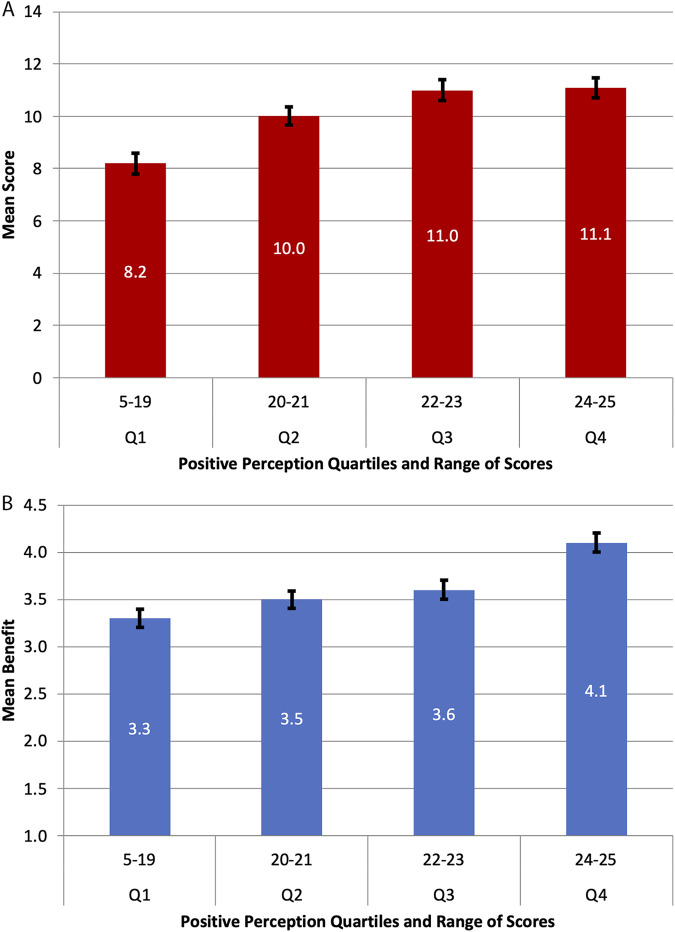
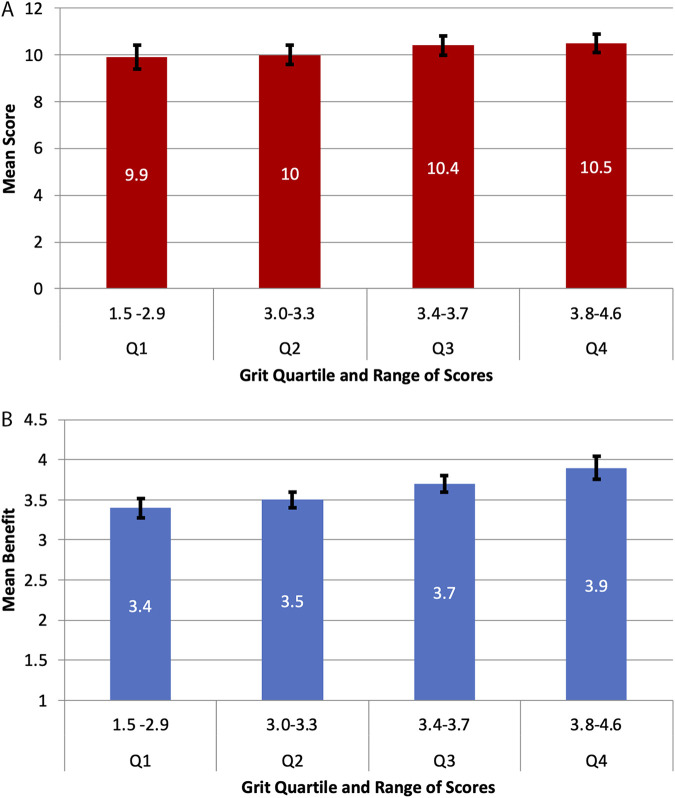
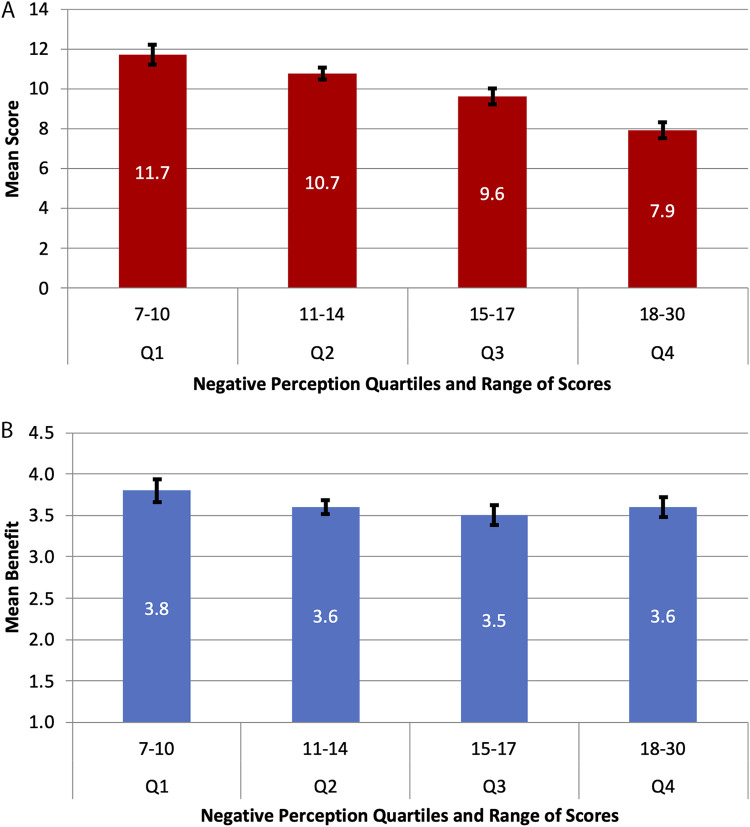
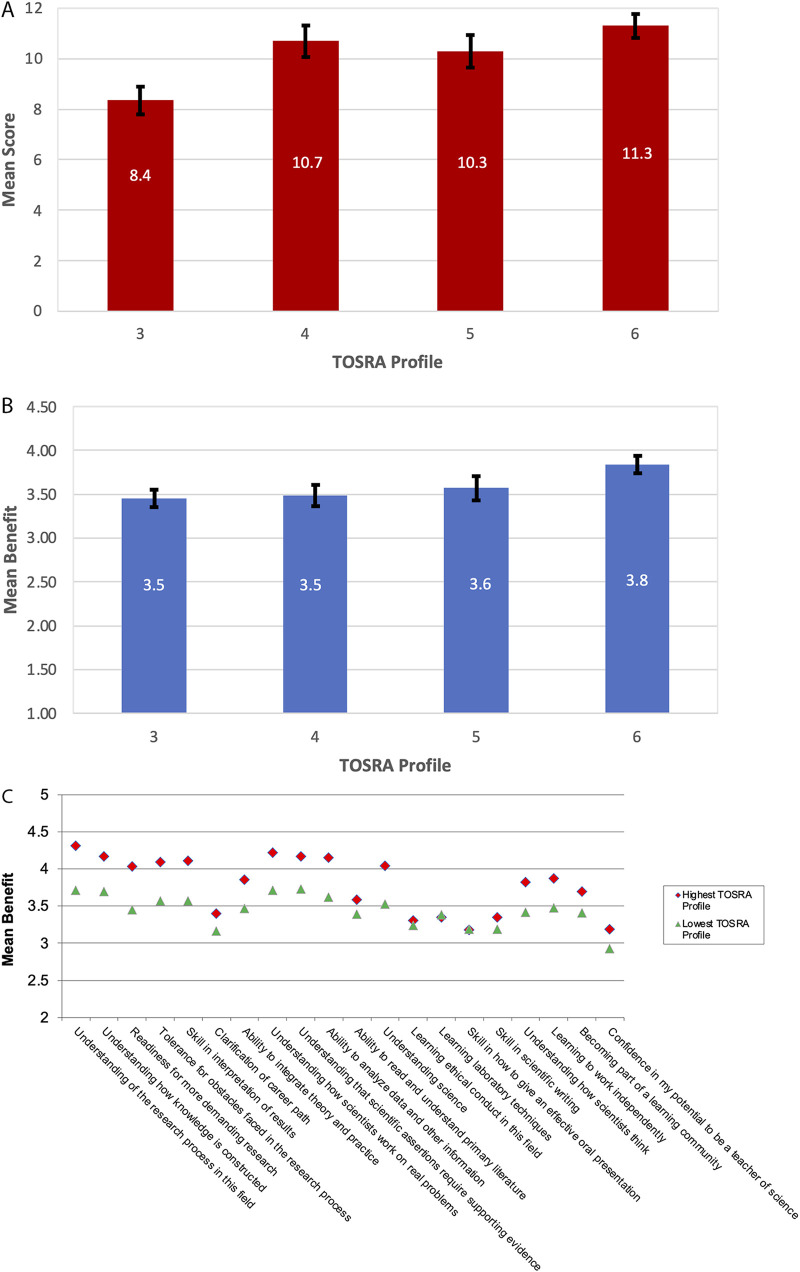
The Genomics Education Partnership (GEP) engages students in a course-based undergraduate research experience (CURE). To better understand the student attributes that support success in this CURE, we asked students about their attitudes using previously published scales that measure epistemic beliefs about work and science, interest in science, and grit. We found, in general, that the attitudes students bring with them into the classroom contribute to two outcome measures, namely, learning as assessed by a pre- and postquiz and perceived self-reported benefits. While the GEP CURE produces positive outcomes overall, the students with more positive attitudes toward science, particularly with respect to epistemic beliefs, showed greater gains. The findings indicate the importance of a student's epistemic beliefs to achieving positive learning outcomes.
基因组学教育合作组织(GEP)让学生参与基于课程的本科研究体验(CURE)。为了更好地理解有助于在这种CURE中取得成功的学生特质,我们使用先前发表的量表询问学生的态度,这些量表测量对工作和科学的认知信念、对科学的兴趣以及毅力。我们总体上发现,学生带入课堂的态度有助于两种结果衡量指标,即通过课前和课后测验评估的学习以及自我报告的感知收益。虽然GEP的CURE总体上产生了积极的结果,但对科学态度更积极的学生,特别是在认知信念方面,收获更大。研究结果表明学生的认知信念对于实现积极学习成果的重要性。