Neuroimmunology Lab, Dementia Research Group, Korea Brain Research Institute, Daegu, 41062, South Korea.
Department of Brain Science, Daegu Gyeongbuk Institute of Science & Technology (DGIST), Daegu, South Korea.
Fluids Barriers CNS. 2022 Sep 6;19(1):70. doi: 10.1186/s12987-022-00364-6.
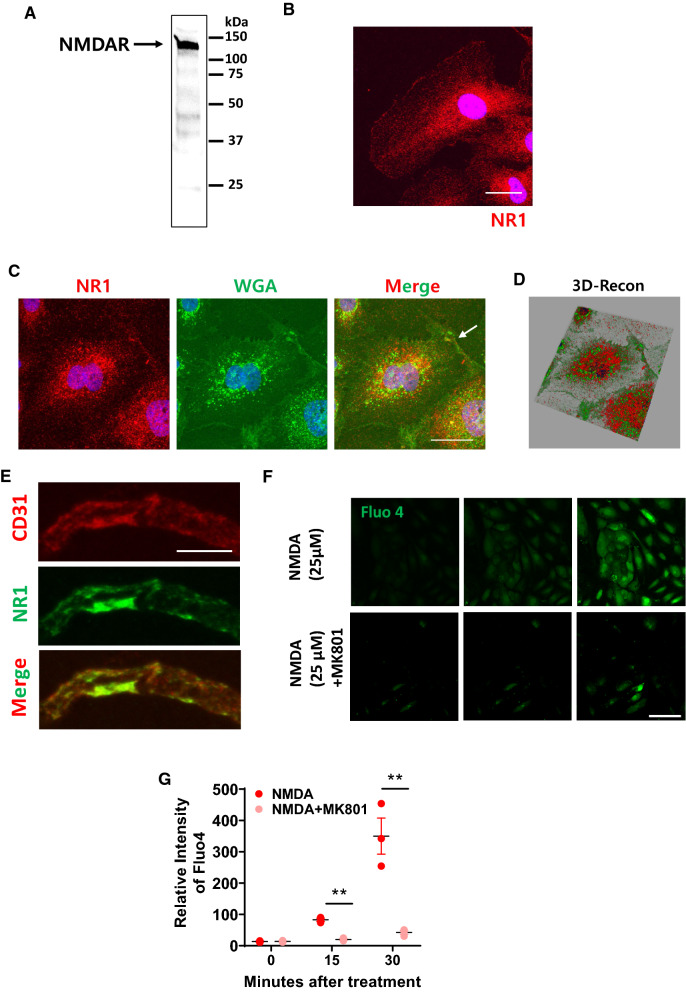
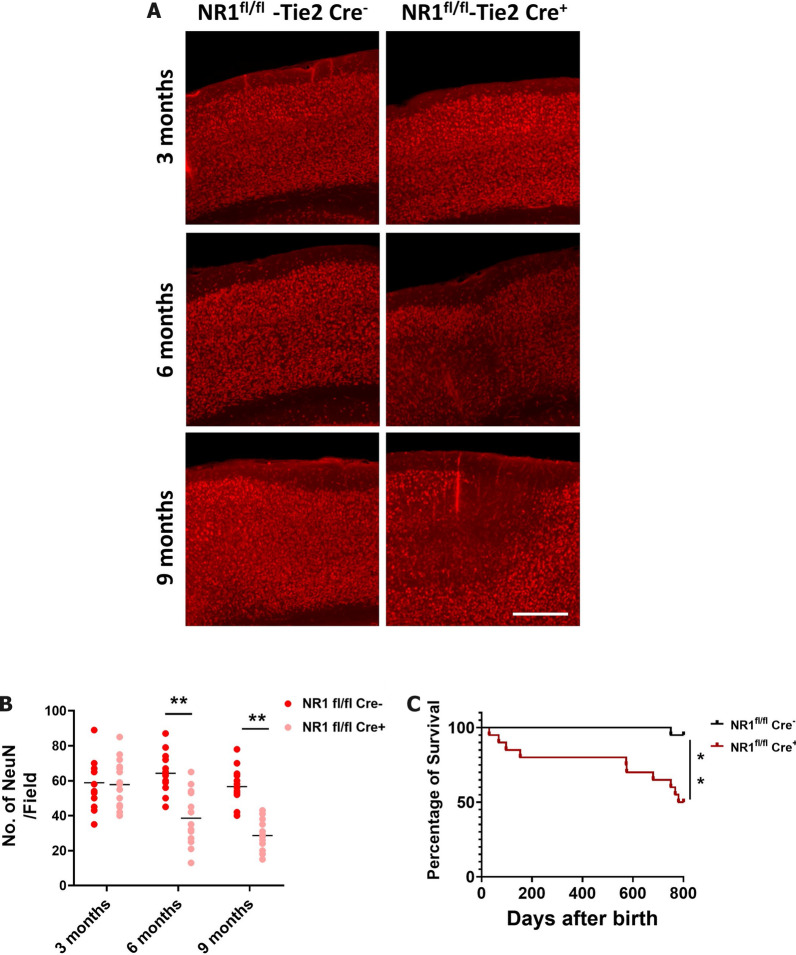
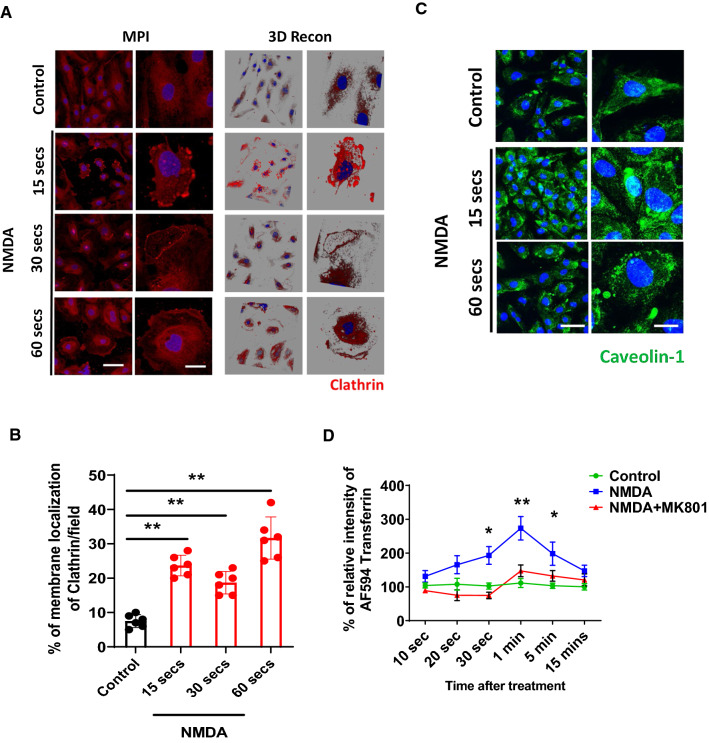
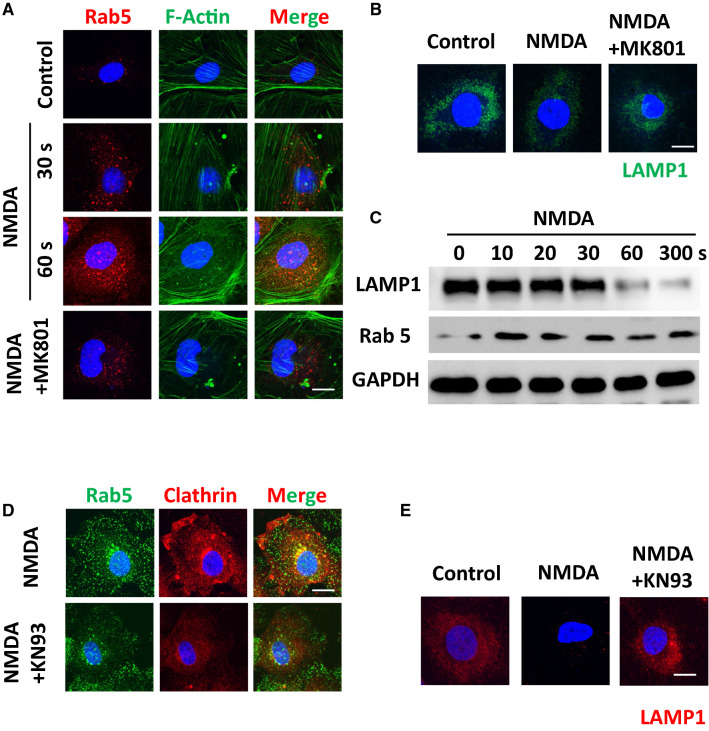
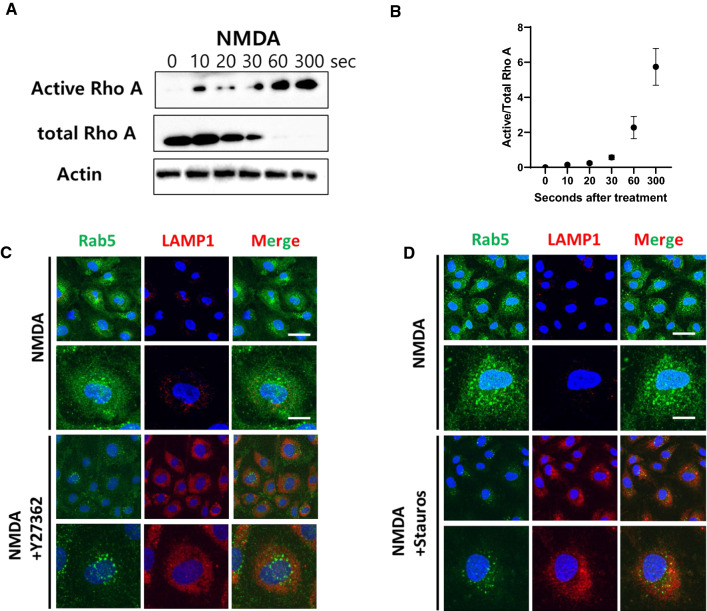
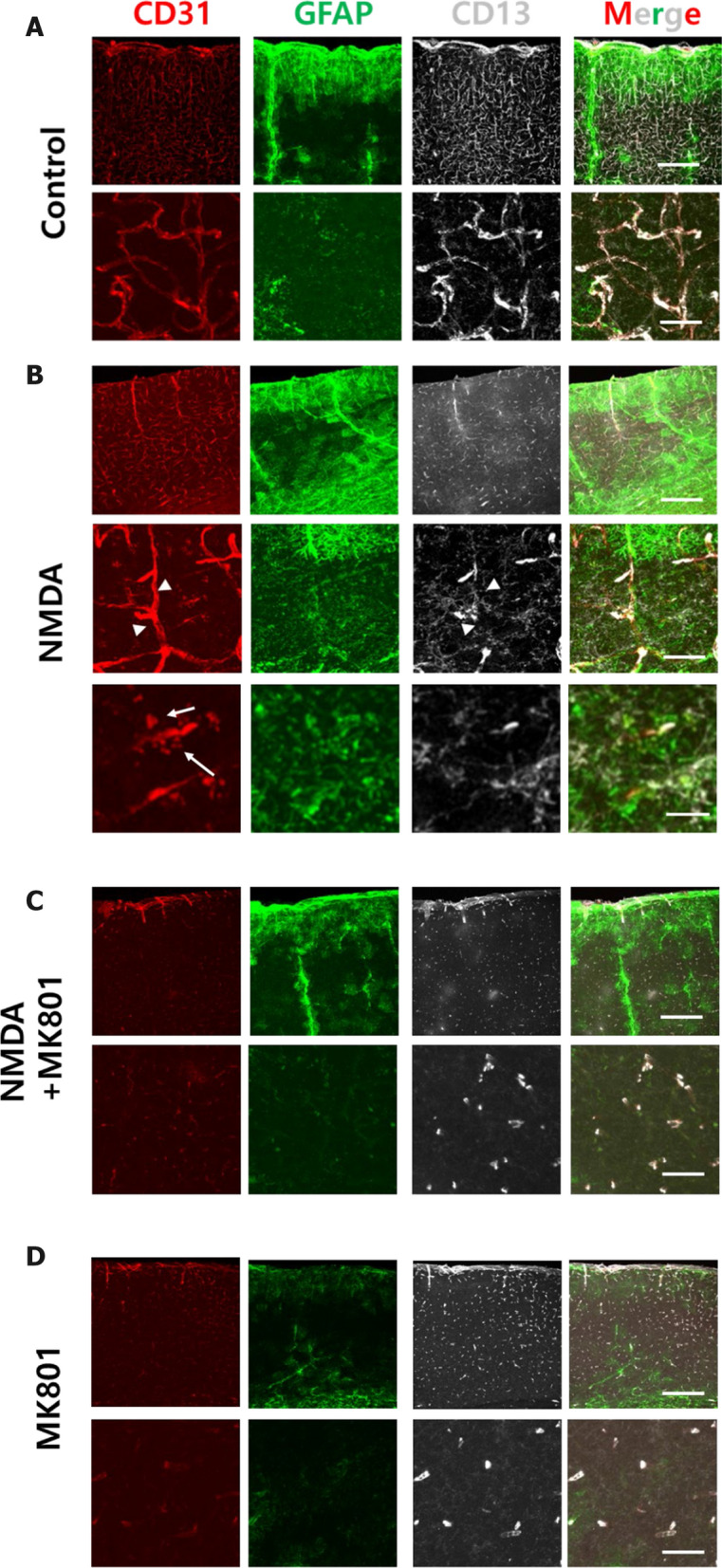
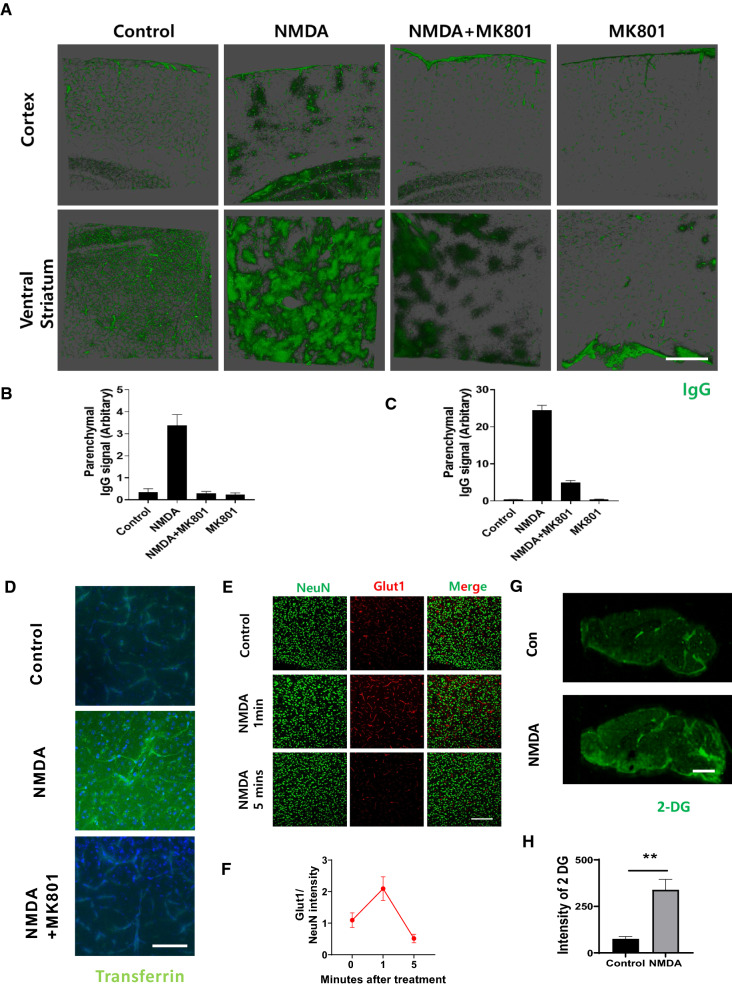
Neurovascular coupling is a precise mechanism that induces increased blood flow to activated brain regions, thereby providing oxygen and glucose. In this study, we hypothesized that N-methyl-D-aspartate (NMDA) receptor signaling, the most well characterized neurotransmitter signaling system which regulates delivery of essential molecules through the blood-brain barrier (BBB). Upon application of NMDA in both in vitro and in vivo models, increased delivery of bioactive molecules that was mediated through modulation of molecules involved in molecular delivery, including clathrin and caveolin were observed. Also, NMDA activation induced structural changes in the BBB and increased transcellular permeability that showed regional heterogeneity in its responses. Moreover, NMDA receptor activation increased endosomal trafficking and facilitated inactivation of lysosomal pathways and consequently increased molecular delivery mediated by activation of calmodulin-dependent protein kinase II (CaMKII) and RhoA/protein kinase C (PKC). Subsequent in vivo experiments using mice specifically lacking NMDA receptor subunit 1 in endothelial cells showed decreased neuronal density in the brain cortex, suggesting that a deficiency in NMDA receptor signaling in brain endothelial cells induces neuronal losses. Together, these results highlight the importance of NMDA-receptor-mediated signaling in the regulation of BBB permeability that surprisingly also affected CD31 staining.
神经血管耦联是一种精确的机制,它会引起激活的脑区血流量增加,从而提供氧气和葡萄糖。在这项研究中,我们假设 N-甲基-D-天冬氨酸(NMDA)受体信号转导,这是最具特征的神经递质信号转导系统,通过血脑屏障(BBB)调节必需分子的传递。在体外和体内模型中应用 NMDA 时,观察到通过调节涉及分子传递的分子,包括网格蛋白和小窝蛋白,介导的生物活性分子的传递增加。此外,NMDA 激活诱导 BBB 的结构变化,并增加跨细胞通透性,其反应表现出区域异质性。此外,NMDA 受体激活增加了内体运输,并促进了溶酶体途径的失活,从而通过钙调蛋白依赖性蛋白激酶 II(CaMKII)和 RhoA/蛋白激酶 C(PKC)的激活促进分子传递。随后使用内皮细胞中特异性缺乏 NMDA 受体亚单位 1 的小鼠进行的体内实验表明,大脑皮层中的神经元密度降低,这表明脑内皮细胞中 NMDA 受体信号转导的缺乏会导致神经元丢失。总之,这些结果强调了 NMDA 受体介导的信号转导在 BBB 通透性调节中的重要性,令人惊讶的是,它还影响了 CD31 染色。