Department of Toxicology, School of Public Health, Guangxi Medical University, Nanning 530021, China; Guangxi Colleges and Universities Key Laboratory of Prevention and Control of Highly Prevalent Diseases, Guangxi Medical University, Nanning, China.
Department of Molecular Pharmacology, Albert Einstein College of Medicine, Bronx, New York 10461, USA.
Ecotoxicol Environ Saf. 2022 Aug;241:113829. doi: 10.1016/j.ecoenv.2022.113829. Epub 2022 Jul 5.
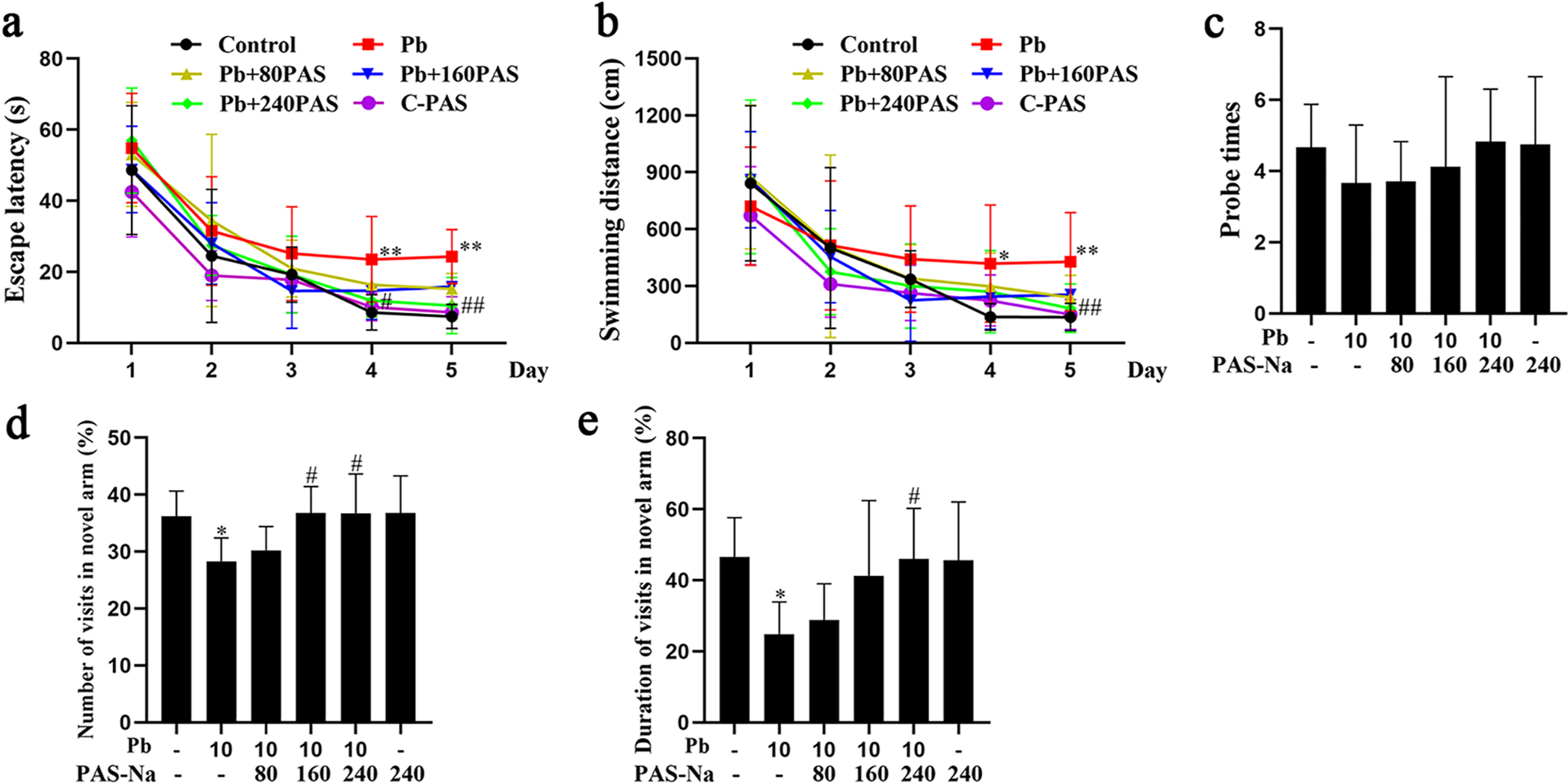
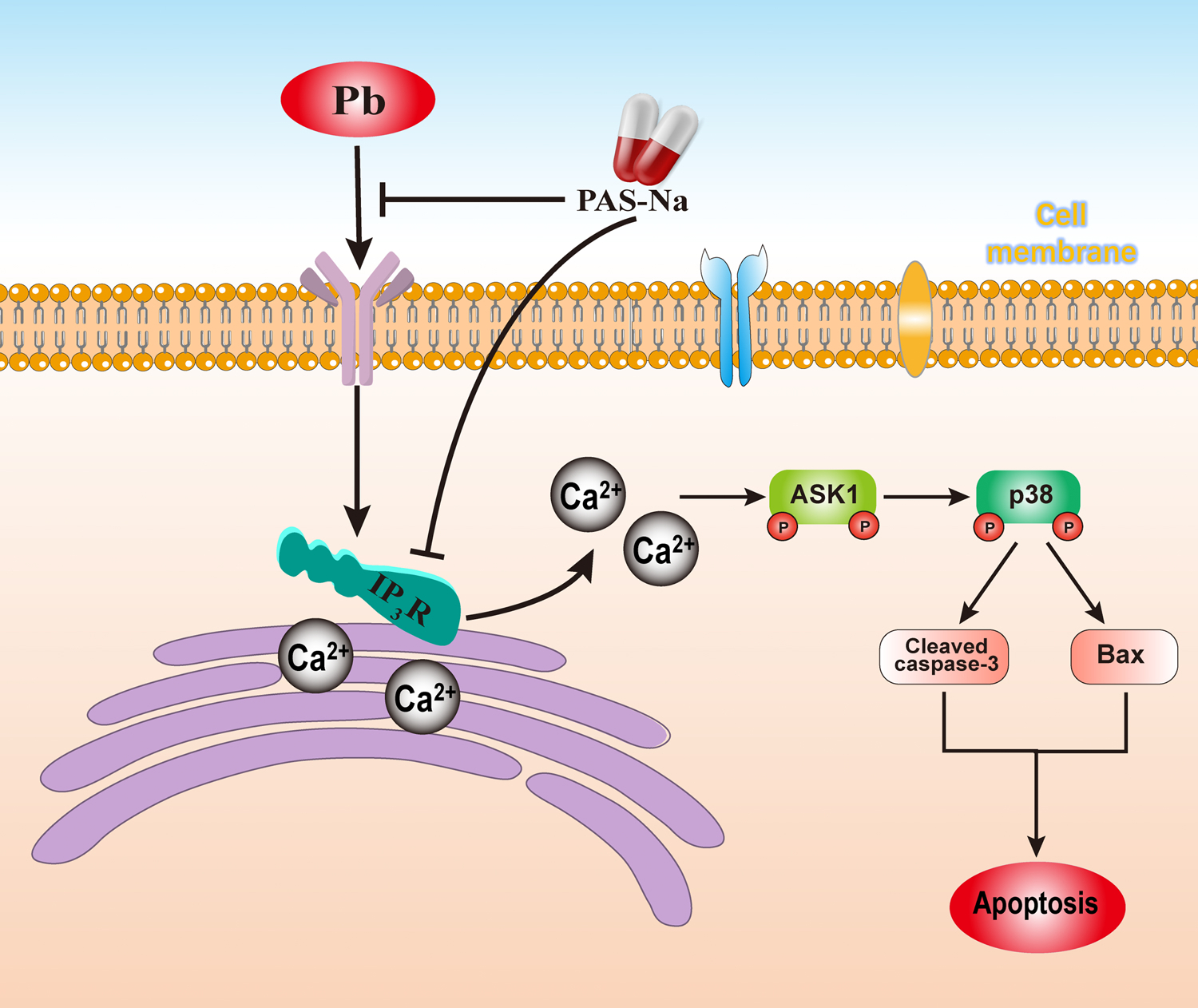
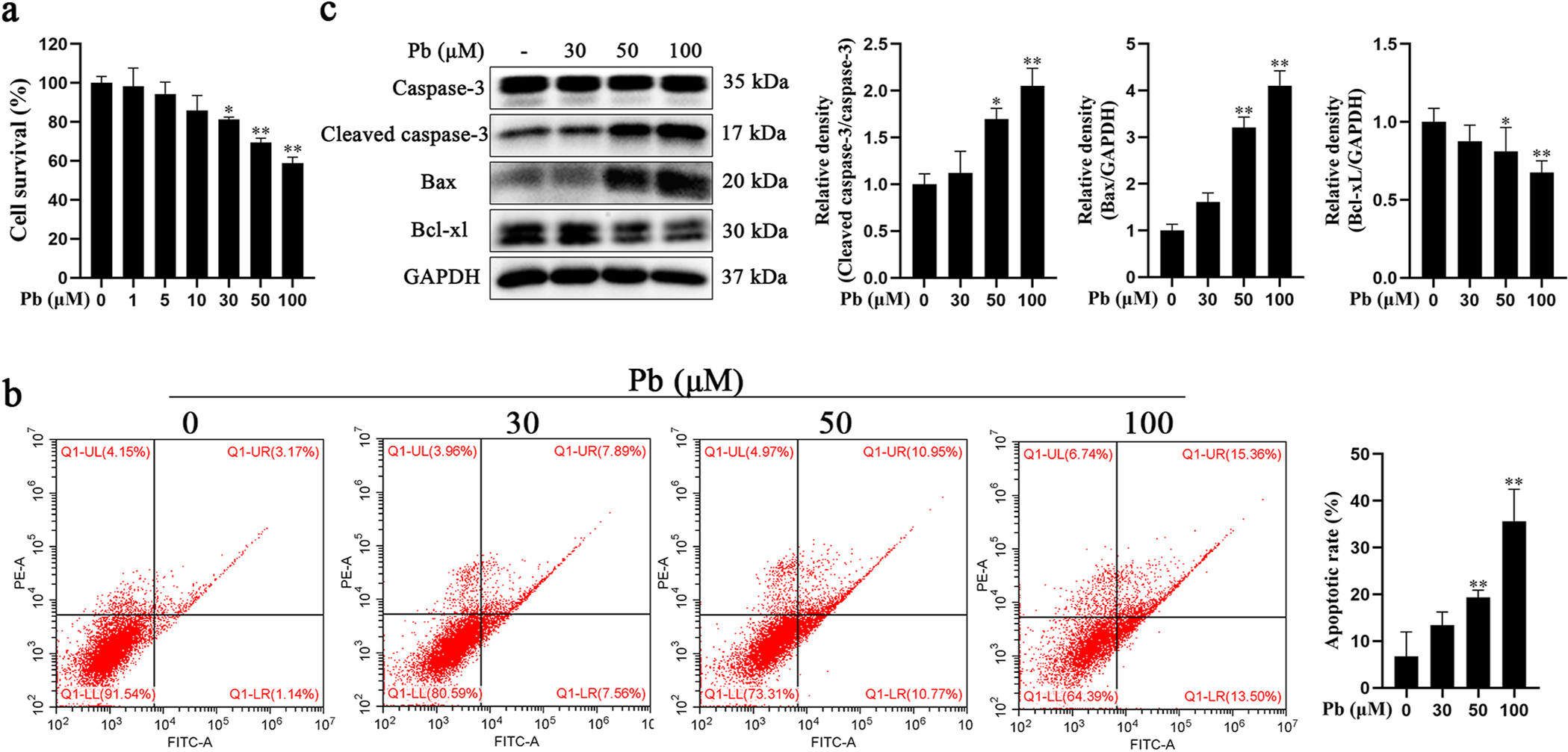
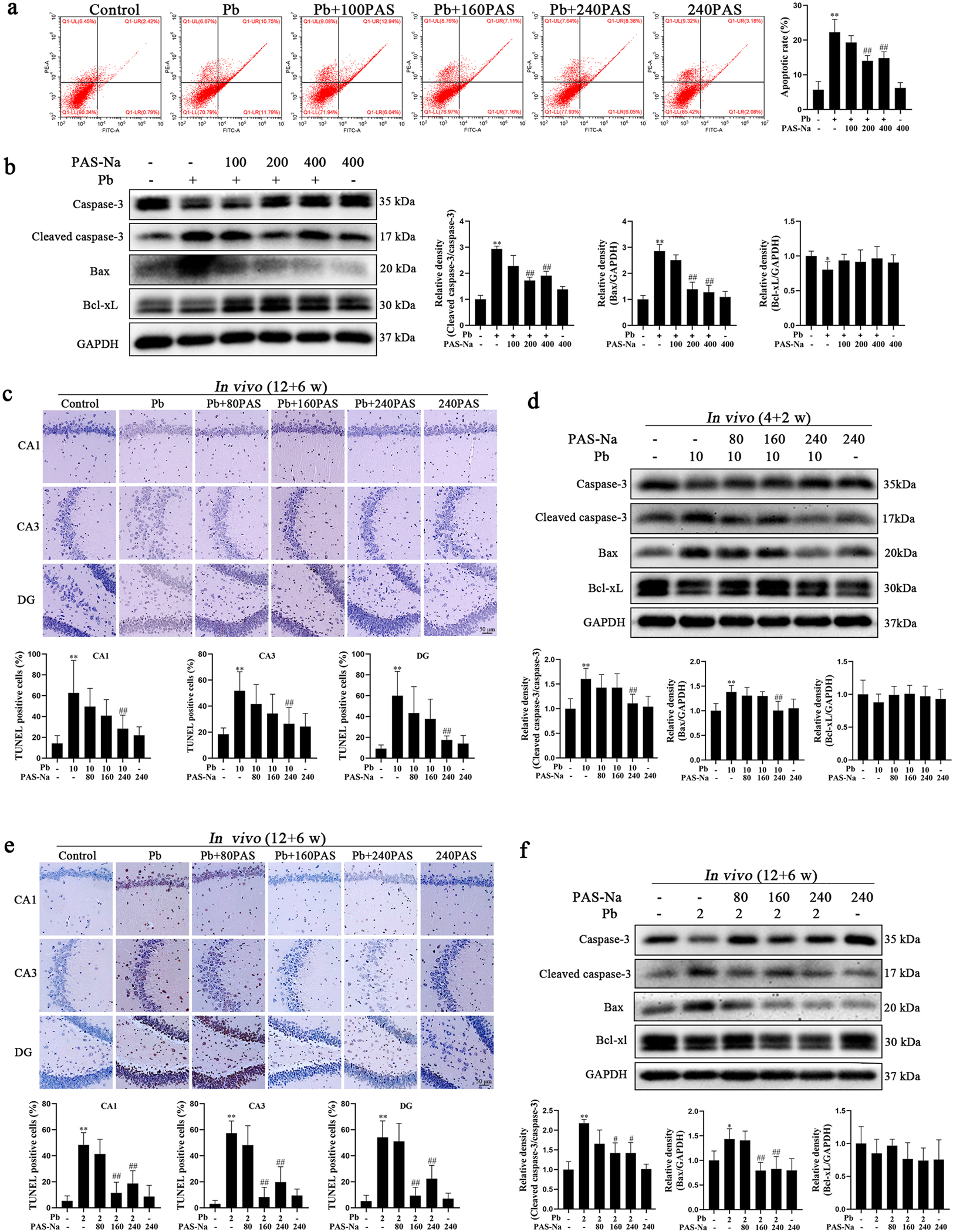
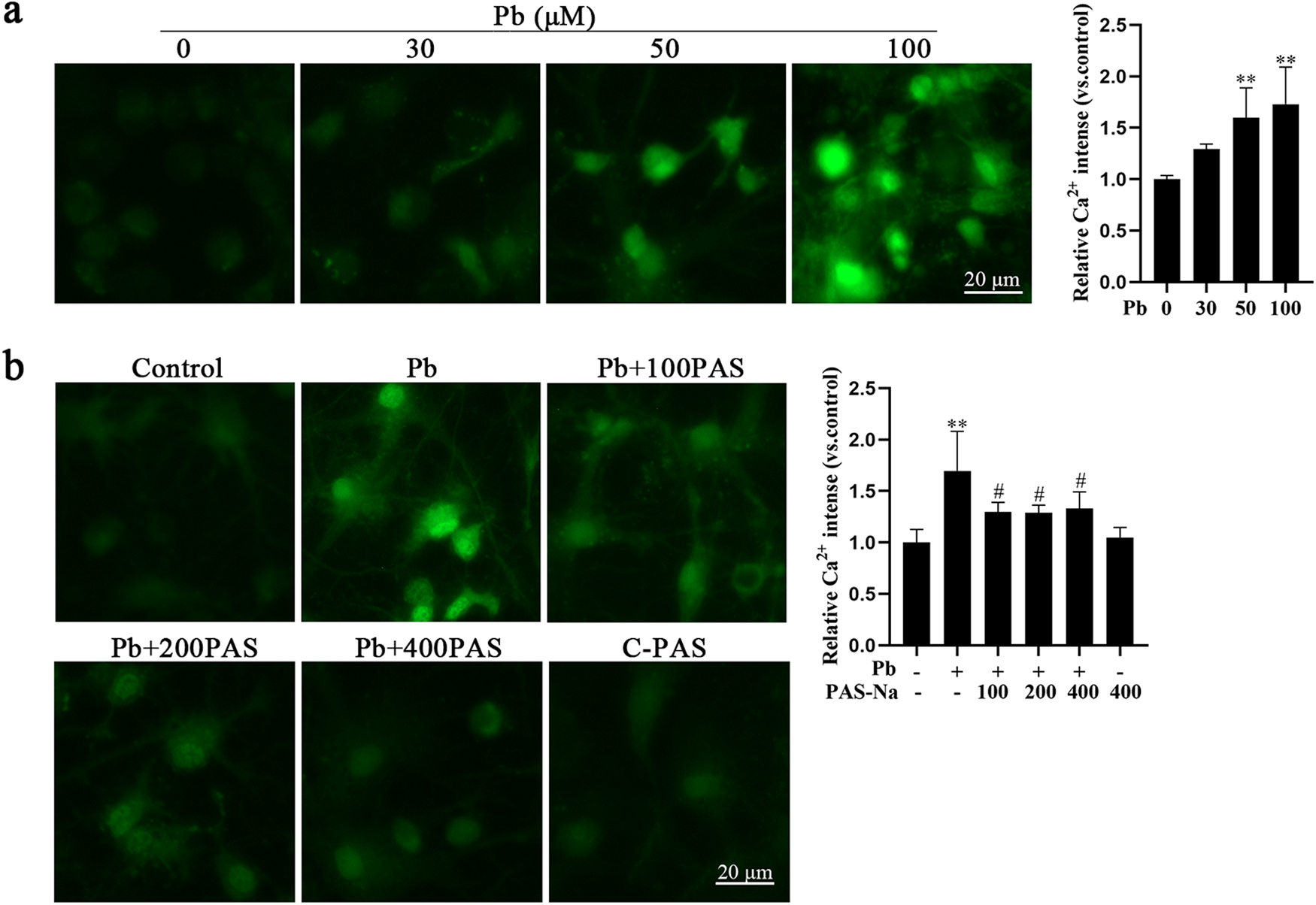
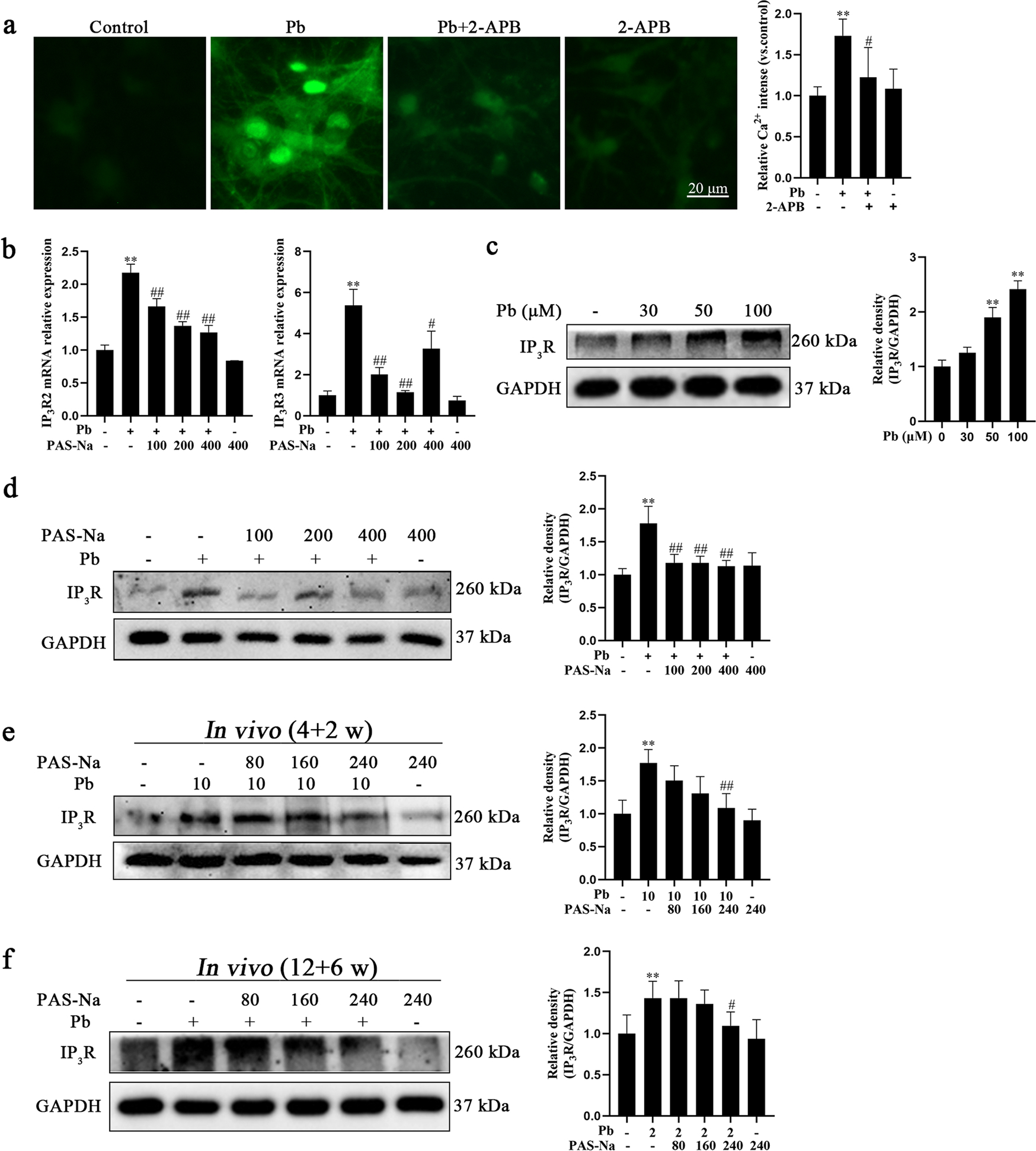
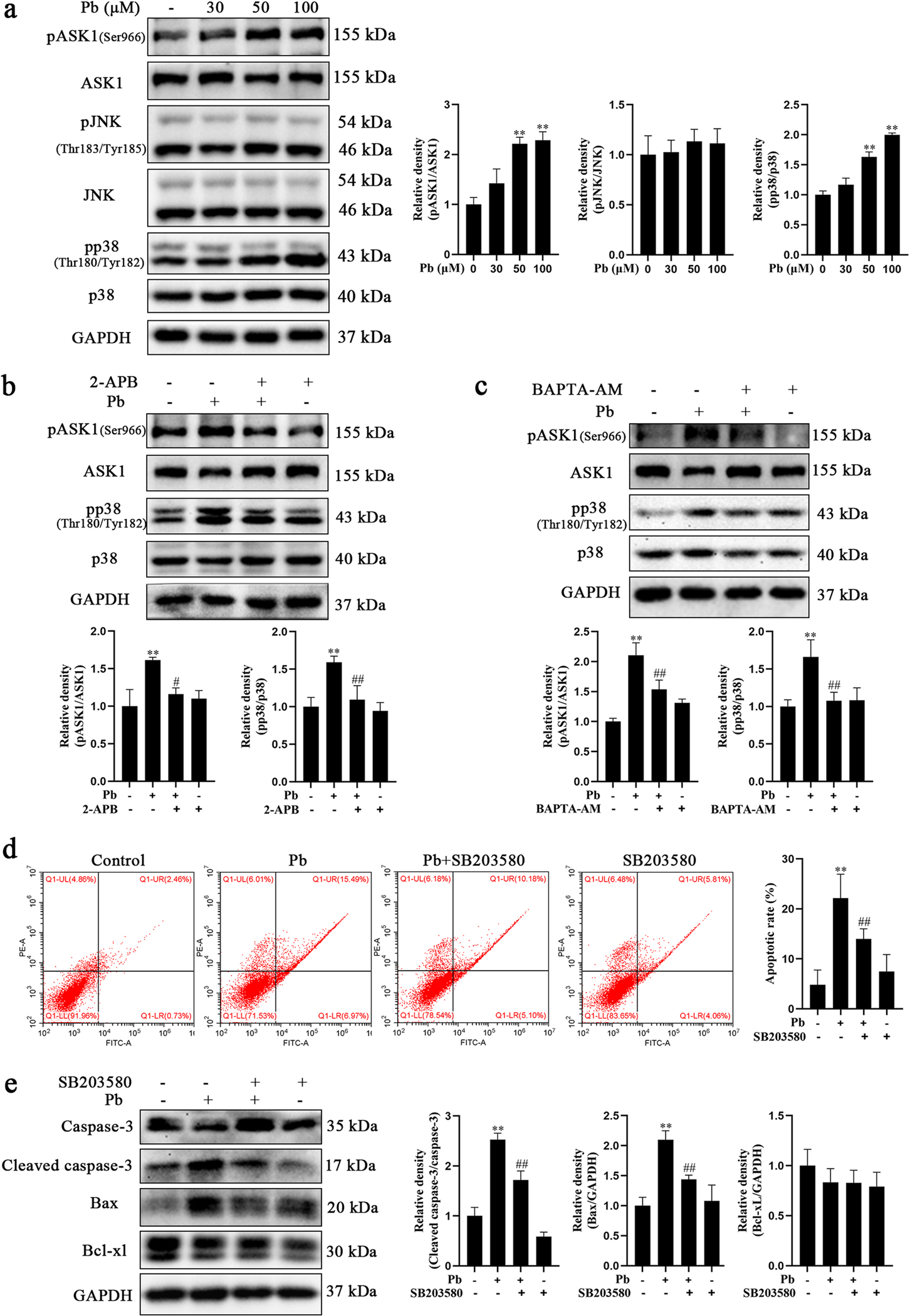
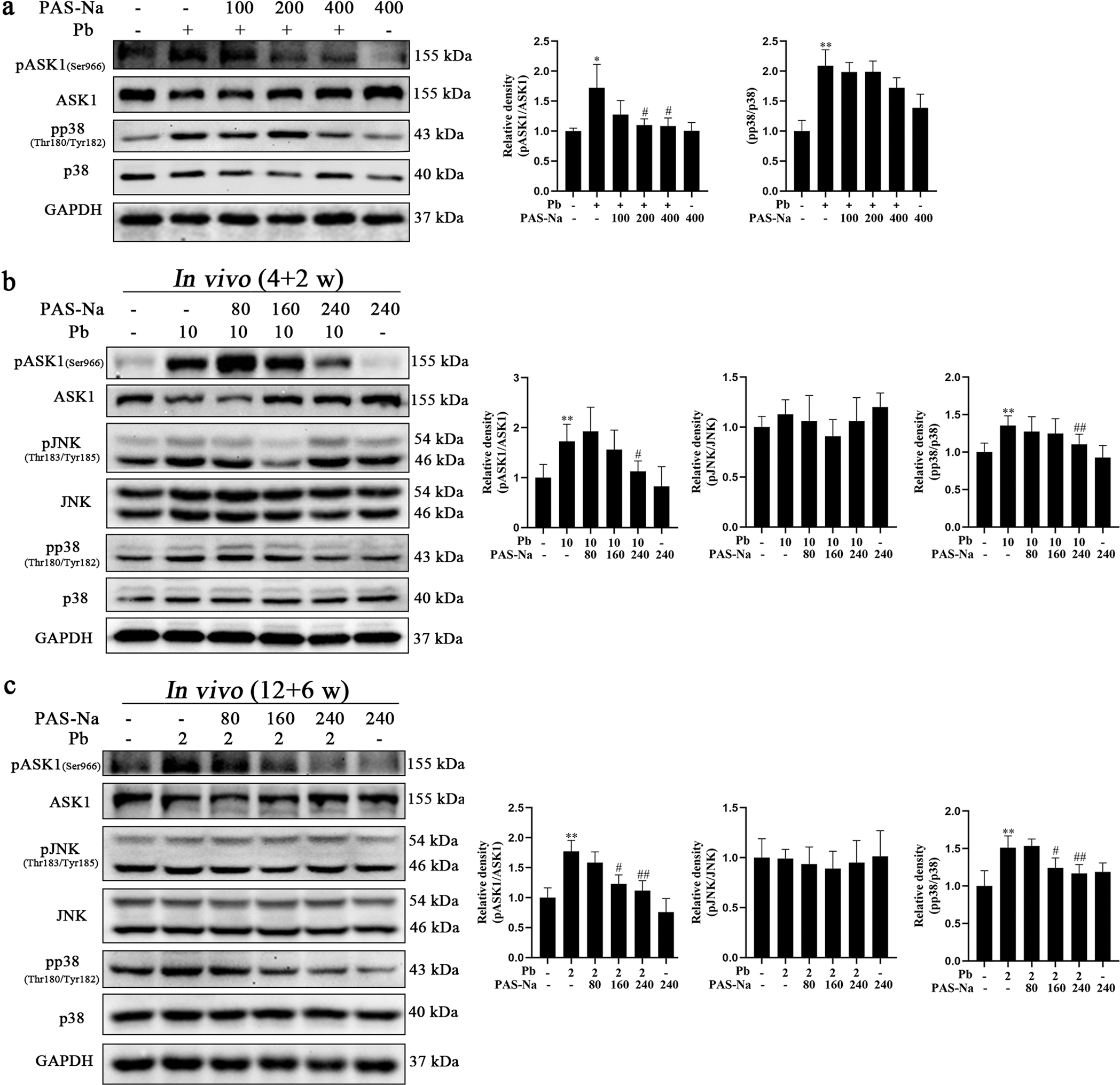
Lead (Pb) is a naturally occurring heavy metal, which can damage the brain and affect learning and memory. Sodium para-aminosalicylic acid (PAS-Na), a non-steroidal anti-inflammatory drug, can readily cross the blood-brain barrier. Our previous studies have found that PAS-Na alleviated Pb-induced hippocampal ultrastructural damage and neurodegeneration, but the mechanism has yet to be defined. Here, we investigated the molecular mechanisms that mediate Pb-induced apoptosis in hippocampal neurons, and the efficacy of PAS-Na in alleviating its effects. This work showed that juvenile developmental Pb exposure impaired rats cognitive ability by inducing apoptotic cell death in hippocampal neurons. Pb-induced neuronal apoptosis was accompanied by increased inositol 1,4,5-trisphosphate receptor (IPR) expression and enhanced intracellular calcium [Ca] levels, which resulted in increased phosphorylation of neuronal apoptosis signal-regulating kinase 1 (ASK1) and p38. Activation of ASK1 and p38 was blocked by IPR inhibitor and a Ca chelator. Importantly, PAS-Na treatment improved the Pb-induced effects on cognitive deficits in rats, concomitant with rescued neuronal apoptosis. In addition, PAS-Na reduced the expression of IPR and the ensuing increase in intracellular Ca and decreased the phosphorylation of ASK1 and p38 in Pb-exposed neurons. Taken together, this study demonstrates that the IPR-Ca-ASK1-p38 signaling pathway mediates Pb-induced apoptosis in hippocampal neurons, and that PAS-Na, at a specific dose-range, ameliorates these changes. Collectively, this study sheds novel light on the cellular mechanisms that mediate PAS-Na efficacy, laying the groundwork for future research to examine the treatment potential of PAS-Na upon Pb poisoning.
铅(Pb)是一种天然存在的重金属,它会损害大脑并影响学习和记忆。对氨基水杨酸钠(PAS-Na),一种非甾体抗炎药,很容易穿过血脑屏障。我们之前的研究发现,PAS-Na 缓解了 Pb 诱导的海马超微结构损伤和神经退行性变,但机制尚未确定。在这里,我们研究了介导 Pb 诱导海马神经元凋亡的分子机制,以及 PAS-Na 缓解其作用的效果。这项工作表明,幼年发育期 Pb 暴露通过诱导海马神经元凋亡损害大鼠的认知能力。Pb 诱导的神经元凋亡伴随着肌醇 1,4,5-三磷酸受体(IPR)表达增加和细胞内钙 [Ca]水平升高,导致神经元凋亡信号调节激酶 1(ASK1)和 p38 的磷酸化增加。IPR 抑制剂和钙螯合剂阻断了 ASK1 和 p38 的激活。重要的是,PAS-Na 治疗改善了大鼠 Pb 诱导的认知功能障碍效应,同时挽救了神经元凋亡。此外,PAS-Na 降低了 Pb 暴露神经元中 IPR 的表达以及随之而来的细胞内 Ca 增加,并降低了 ASK1 和 p38 的磷酸化。总之,这项研究表明,IPR-Ca-ASK1-p38 信号通路介导了 Pb 诱导的海马神经元凋亡,而在特定剂量范围内,PAS-Na 可改善这些变化。综上所述,这项研究揭示了介导 PAS-Na 疗效的细胞机制,为未来研究探讨 PAS-Na 对 Pb 中毒的治疗潜力奠定了基础。