State Key Laboratory of Veterinary Biotechnology, Harbin Veterinary Research Institute, Chinese Academy of Agricultural Sciences, Harbin, China.
School of Medicine, Shenzhen Campus of Sun Yat-sen Universitygrid.12981.33, Sun Yat-sen University, Shenzhen, China.
Microbiol Spectr. 2022 Oct 26;10(5):e0293422. doi: 10.1128/spectrum.02934-22. Epub 2022 Sep 8.
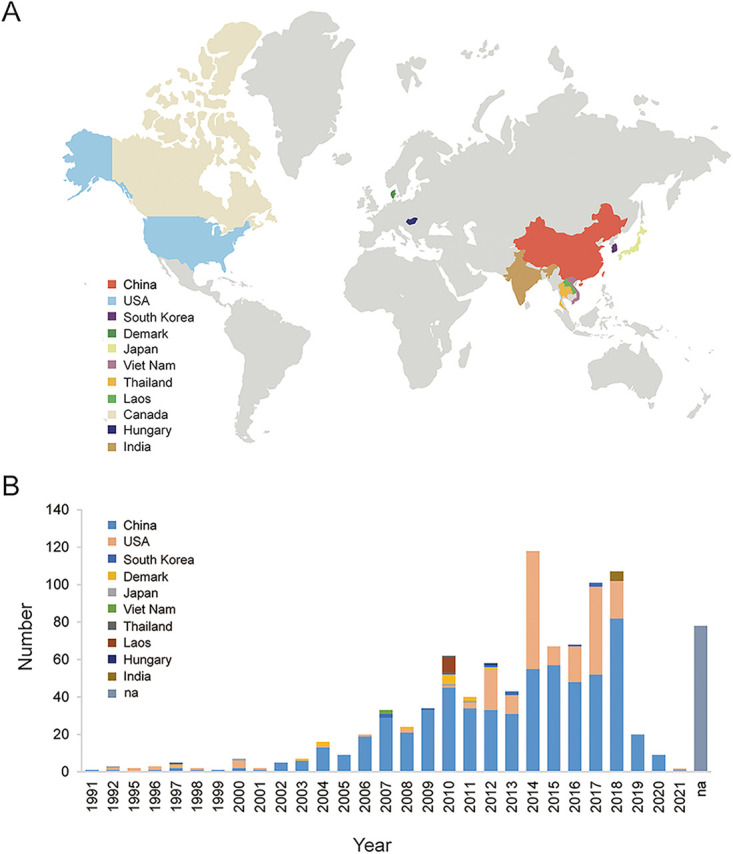
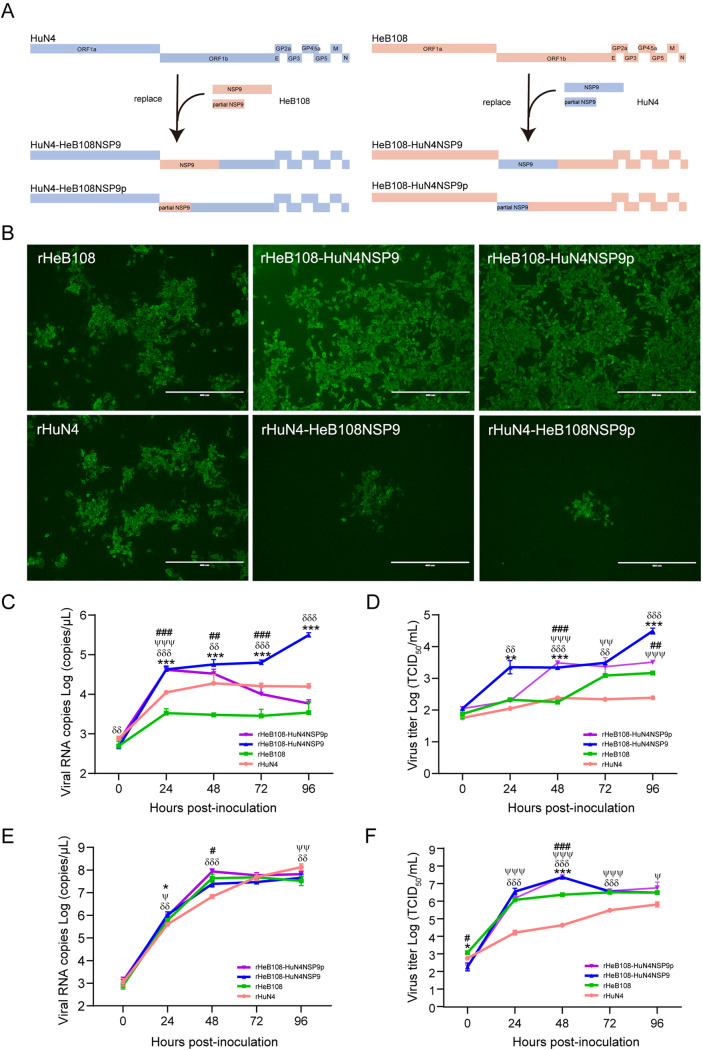
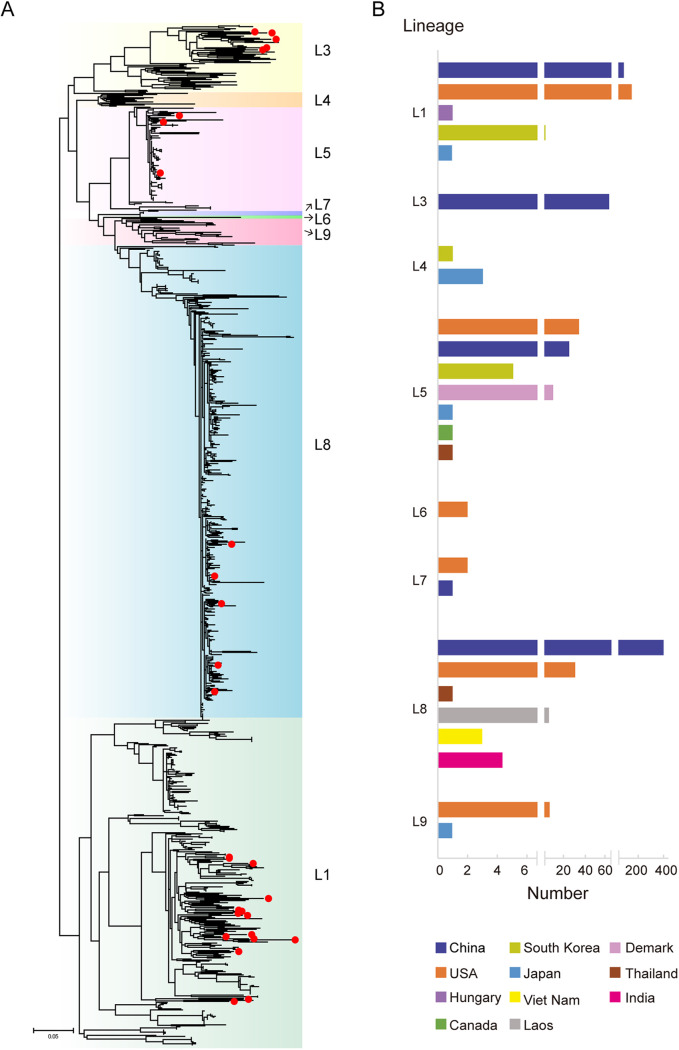
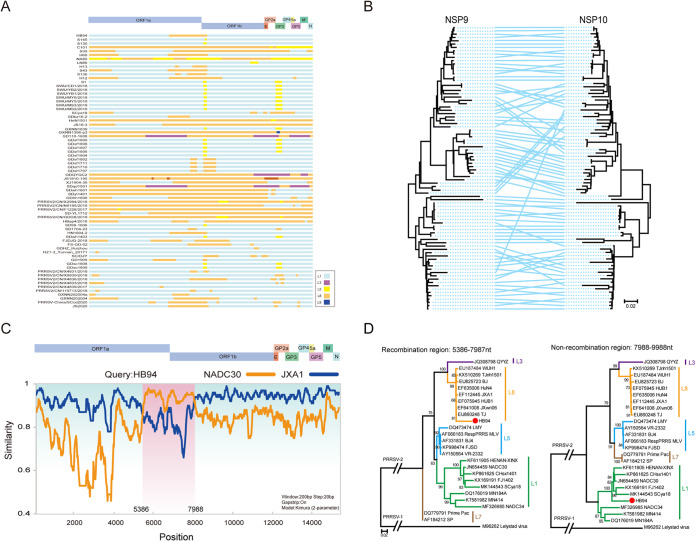
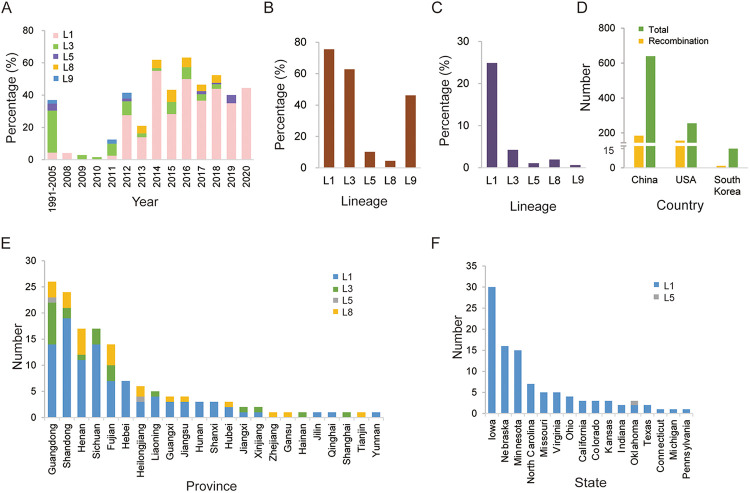
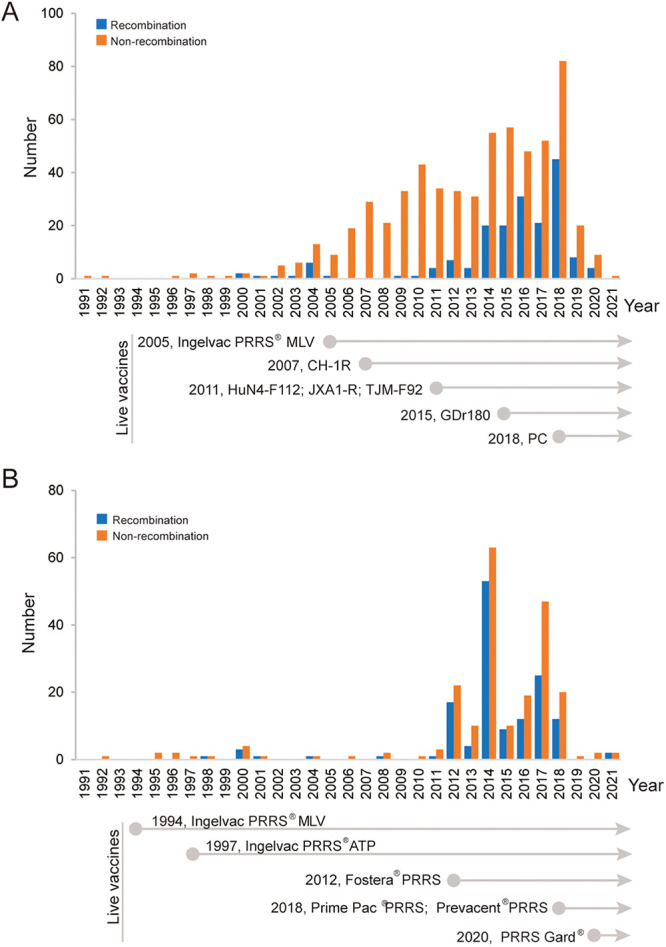
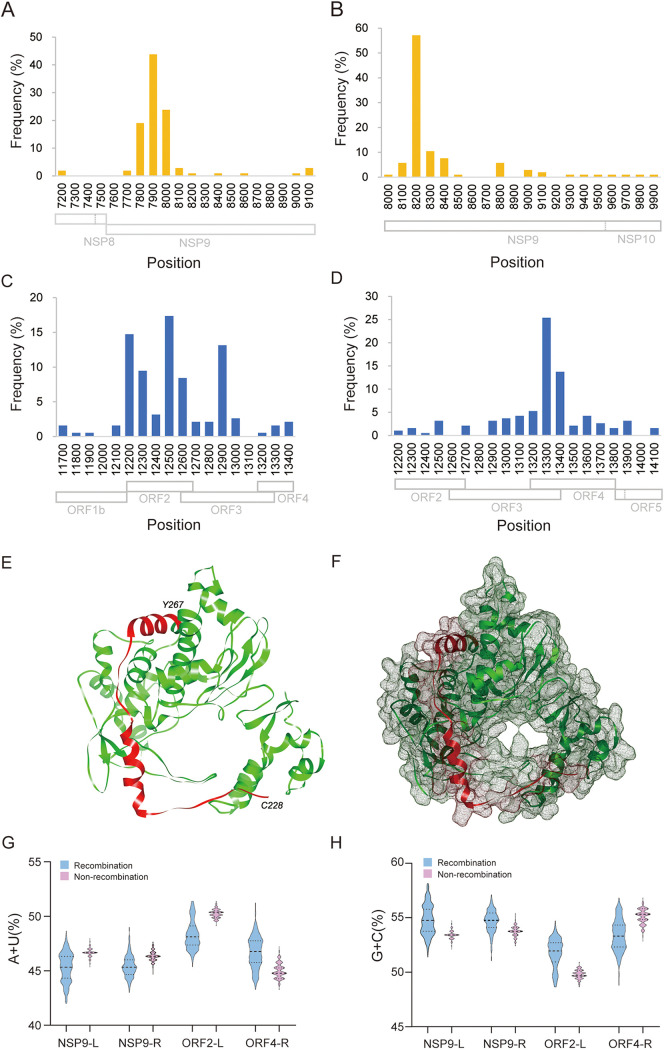
Porcine reproductive and respiratory syndrome (PRRS) is one of the most economically important diseases affecting the pig-raising industry. The PRRS virus (PRRSV) has high genetic diversity, partly owing to viral recombination. Some individual recombinant type 2 PRRSV (PRRSV-2) strains have been detected; however, the sequence composition characteristics of recombination hot spots and potential driving forces for recombinant PRRSV-2 are still unreported. Therefore, all available genomic sequences of PRRSV-2 ( = 949, including 29 genomes sequenced in this study) from 11 countries from 1991 to 2021 were collected and analyzed. The results revealed that the dominant major recombinant parent has been converted from lineage 3 (L3) to L1 since 2012. The recombination hot spots were located at nucleotides (nt) 7900 to 8200 (in NSP9, encoding viral RNA-dependent RNA polymerase) and nt 12500 to nt 13300 (in ORF2-ORF4, mean ORF2 to ORF4); no AU-rich characteristics were found in the recombination hot spots. Based on infectious clones of L1 and L8 PRRSV-2, recombinant PRRSVs were generated by switching complete or partial NSP9 (harboring the recombination hot spot). The results showed that recombinant PRRSVs based on the L1 backbone, but not the L8 backbone, acquired a higher replication capacity in pig primary alveolar macrophages. These findings will help to understand the reason behind the dominance of L1-based recombination in PRRSV-2 strains and provide new clues for an in-depth study of the recombination mechanism of PRRSV-2. Recombination is an important driver of the genetic shifts that are tightly linked to the evolution of RNA viruses. Viral recombination contributes substantially to the emergence of new variants, alterations in virulence, and pathogenesis. PRRSV is genetically diverse, partly because of extensive recombination. In this study, we analyzed interlineage recombination based on available genomic sequences of PRRSV-2 from 1991 to 2021. The study revealed the temporal and geographical distribution of recombinant PRRSVs and the recombination hot spot's location and showed that artificially constructed recombinant PRRSVs (harboring a high-frequency region) had more viral genomic copies than their parental virus, indicating that dominant recombination was shaped by a tendency to benefit viral replication. This finding will enrich our understanding of PRRSV recombination and provide new clues for an in-depth study of the recombination mechanism.
猪繁殖与呼吸综合征(PRRS)是影响养猪业的最重要的疾病之一。PRRS 病毒(PRRSV)具有高度的遗传多样性,部分原因是病毒重组。已经检测到一些个体重组型 2 型 PRRSV(PRRSV-2)毒株;然而,重组 PRRSV-2 的重组热点的序列组成特征和潜在驱动力仍未报道。因此,从 1991 年到 2021 年,从 11 个国家收集并分析了所有可用的 PRRSV-2( = 949,包括本研究中测序的 29 个基因组)的基因组序列。结果表明,自 2012 年以来,主要重组亲本的优势已从谱系 3(L3)转变为 L1。重组热点位于核苷酸(nt)7900 至 8200(在 NSP9 中,编码病毒 RNA 依赖性 RNA 聚合酶)和 nt 12500 至 nt 13300(在 ORF2-ORF4 中,平均 ORF2 至 ORF4);在重组热点处未发现 AU 丰富特征。基于 L1 和 L8 PRRSV-2 的感染性克隆,通过切换完整或部分 NSP9(携带重组热点)生成重组 PRRSV。结果表明,基于 L1 骨架的重组 PRRSV 而不是基于 L8 骨架的重组 PRRSV 在猪原代肺泡巨噬细胞中获得了更高的复制能力。这些发现将有助于理解 L1 为基础的重组在 PRRSV-2 株中占主导地位的原因,并为深入研究 PRRSV-2 的重组机制提供新线索。重组是与 RNA 病毒进化密切相关的遗传变化的重要驱动因素。病毒重组极大地促进了新变体的出现、毒力的改变和发病机制。PRRSV 具有遗传多样性,部分原因是广泛的重组。在本研究中,我们基于 1991 年至 2021 年期间 PRRSV-2 的可用基因组序列分析了谱系间重组。该研究揭示了重组 PRRSV 的时间和地理分布以及重组热点的位置,并表明人工构建的重组 PRRSV(携带高频区域)的病毒基因组拷贝数高于其亲本病毒,表明优势重组受有利于病毒复制的趋势所塑造。这一发现将丰富我们对 PRRSV 重组的认识,并为深入研究重组机制提供新线索。