Division of Allergy and Immunology, Center for Food Allergy, Department of Pediatrics, University of Rochester School of Medicine and Dentistry, Golisano Children's Hospital, Rochester, NY.
TurtleTree LLC, Woodland, Calif.
J Allergy Clin Immunol. 2022 Sep;150(3):523-534. doi: 10.1016/j.jaci.2022.07.014.
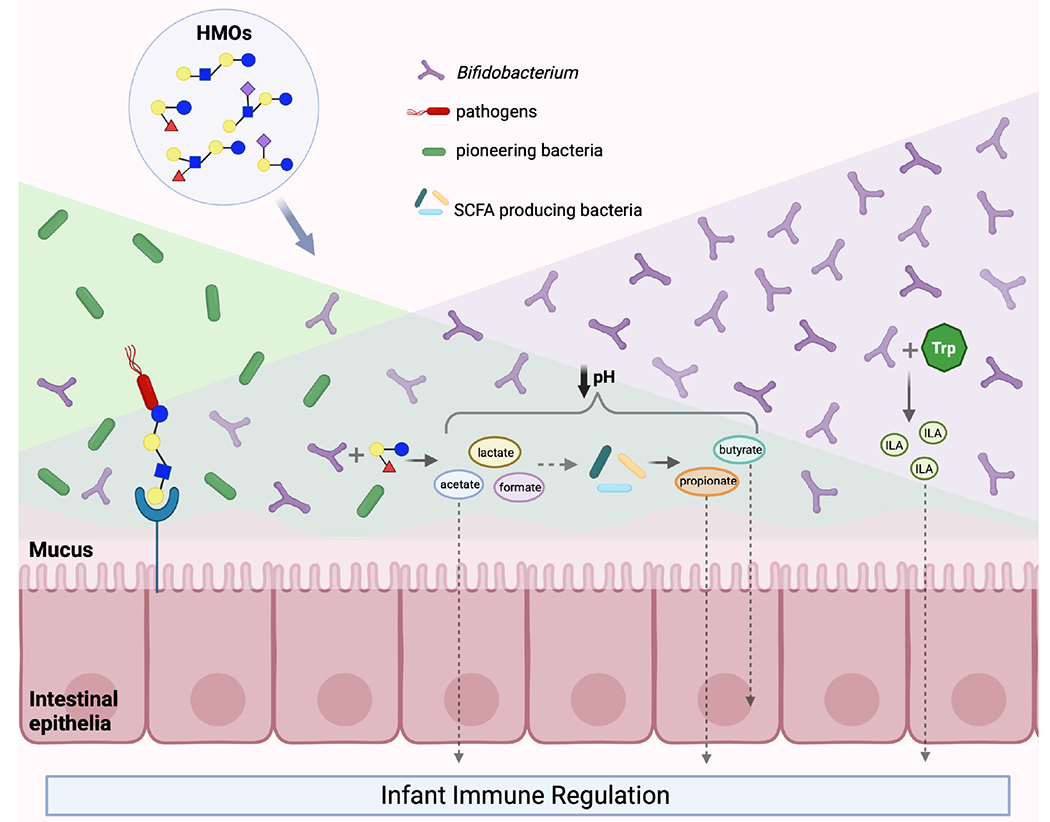
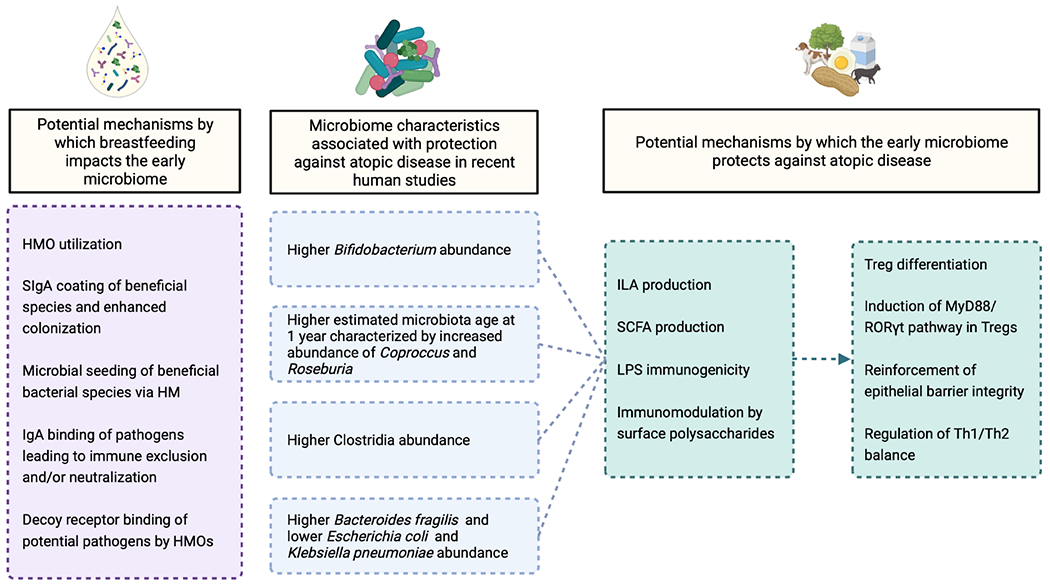
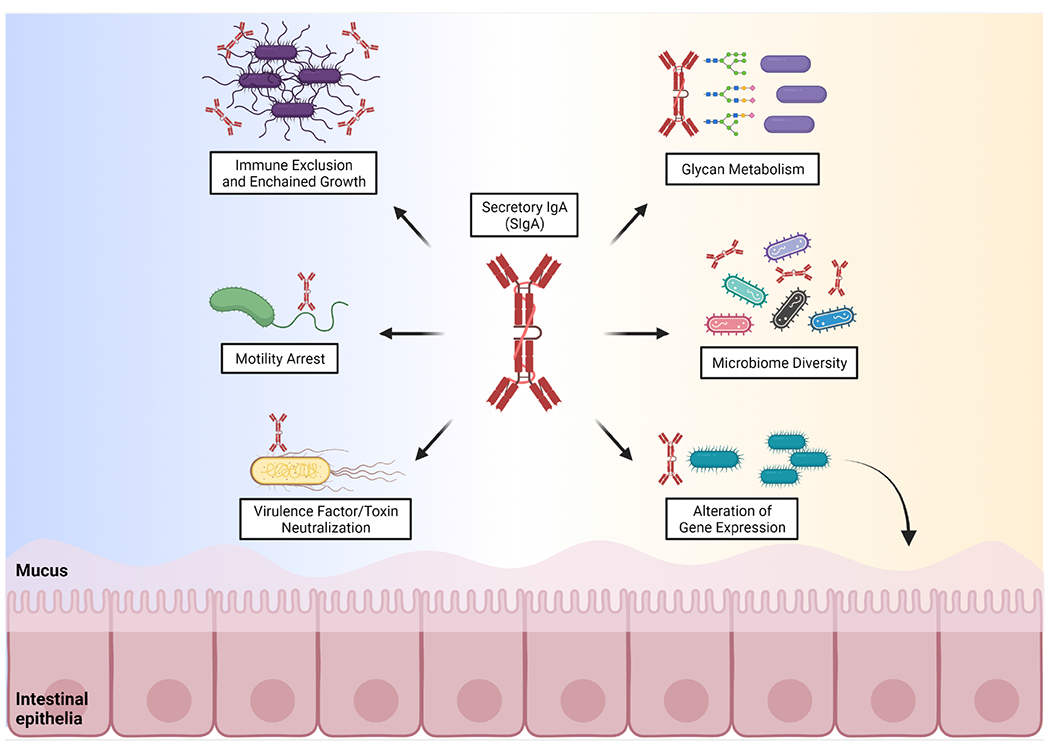
Establishment of the gut microbiome during early life is a complex process with lasting implications for an individual's health. Several factors influence microbial assembly; however, breast-feeding is recognized as one of the most influential drivers of gut microbiome composition during infancy, with potential implications for function. Differences in gut microbial communities between breast-fed and formula-fed infants have been consistently observed and are hypothesized to partially mediate the relationships between breast-feeding and decreased risk for numerous communicable and noncommunicable diseases in early life. Despite decades of research on the gut microbiome of breast-fed infants, there are large scientific gaps in understanding how human milk has evolved to support microbial and immune development. This review will summarize the evidence on how breast-feeding broadly affects the composition and function of the early-life gut microbiome and discuss mechanisms by which specific human milk components shape intestinal bacterial colonization, succession, and function.
生命早期肠道微生物组的建立是一个复杂的过程,对个体的健康有着持久的影响。有几个因素影响微生物的组合;然而,母乳喂养被认为是婴儿期肠道微生物组组成的最具影响力的驱动因素之一,其功能也有潜在的影响。母乳喂养和配方奶喂养婴儿之间的肠道微生物群落差异一直被观察到,并被假设部分介导了母乳喂养与降低生命早期多种传染性和非传染性疾病风险之间的关系。尽管对母乳喂养婴儿的肠道微生物组进行了数十年的研究,但对于人乳如何进化以支持微生物和免疫发育,仍存在很大的科学空白。这篇综述将总结关于母乳喂养如何广泛影响生命早期肠道微生物组的组成和功能的证据,并讨论特定人乳成分塑造肠道细菌定植、演替和功能的机制。