Department of Molecular Medicine, Lee Gil Ya Cancer and Diabetes Institute Gachon University School of Medicine, Incheon, 21999, Republic of Korea.
Korea Mouse Metabolic Phenotyping Center, Lee Gil Ya Cancer and Diabetes Institute, Gachon University, Incheon, 21999, Republic of Korea.
Exp Mol Med. 2022 Sep;54(9):1311-1322. doi: 10.1038/s12276-022-00814-z. Epub 2022 Sep 8.
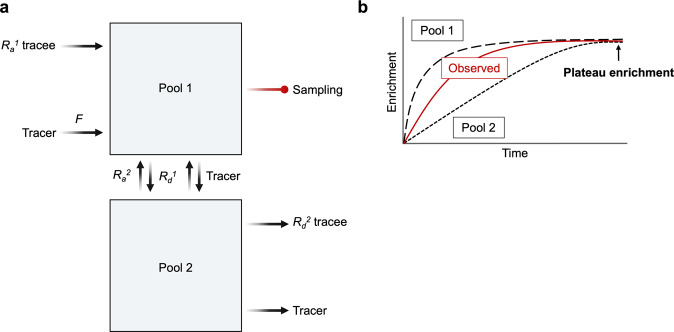
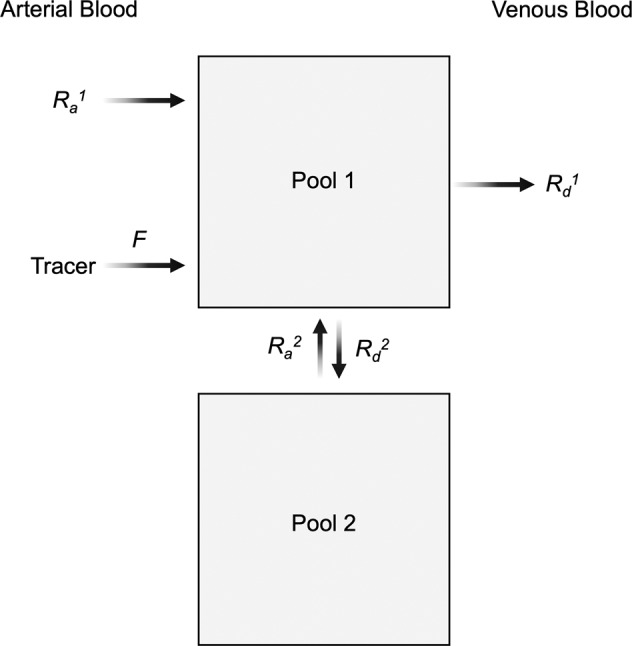
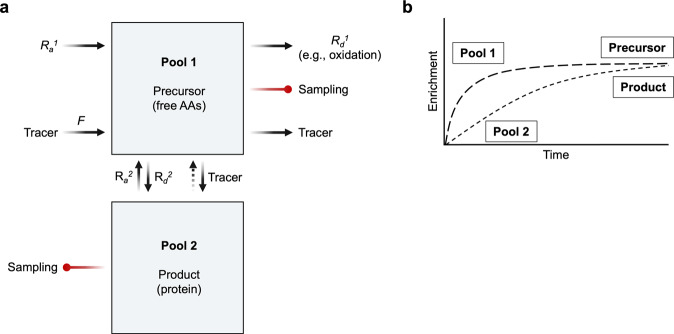
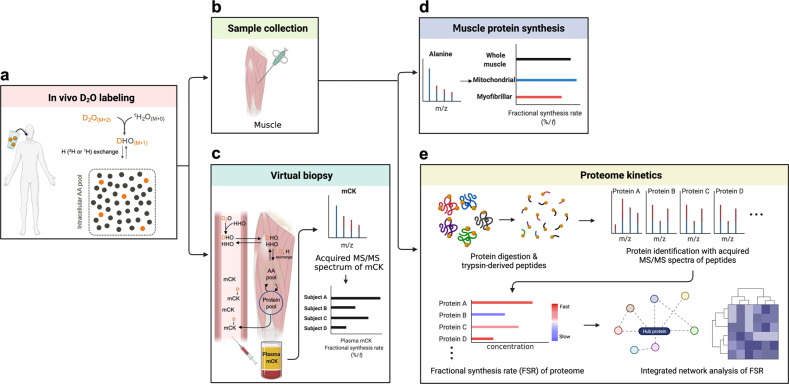
Molecules in living organisms are in a constant state of turnover at varying rates, i.e., synthesis, breakdown, oxidation, and/or conversion to different compounds. Despite the dynamic nature of biomolecules, metabolic research has focused heavily on static, snapshot information such as the abundances of mRNA, protein, and metabolites and/or (in)activation of molecular signaling, often leading to erroneous conclusions regarding metabolic status. Over the past century, stable, non-radioactive isotope tracers have been widely used to provide critical information on the dynamics of specific biomolecules (metabolites and polymers including lipids, proteins, and DNA), in studies in vitro in cells as well as in vivo in both animals and humans. In this review, we discuss (1) the historical background of the use of stable isotope tracer methodology in metabolic research; (2) the importance of obtaining kinetic information for a better understanding of metabolism; and (3) the basic principles and model structures of stable isotope tracer methodology using C-, N-, or H-labeled tracers.
生物体内的分子处于不断变化的状态,其变化速率各不相同,包括合成、分解、氧化和/或转化为不同的化合物。尽管生物分子具有动态特性,但代谢研究主要集中在静态、快照信息上,如 mRNA、蛋白质和代谢物的丰度,以及分子信号的(失)活,这往往导致对代谢状态的错误结论。在过去的一个世纪中,稳定的、非放射性同位素示踪剂被广泛用于提供有关特定生物分子(包括脂质、蛋白质和 DNA 在内的代谢物和聚合物)动态的关键信息,这些信息来自于体外细胞和体内动物和人类的研究。在这篇综述中,我们讨论了(1)稳定同位素示踪剂方法在代谢研究中的使用的历史背景;(2)获得动力学信息对于更好地理解代谢的重要性;以及(3)使用 C、N 或 H 标记示踪剂的稳定同位素示踪剂方法的基本原理和模型结构。