D.O. Ott Research Institute of Obstetrics, Gynecology and Reproductive Medicine, 199034 St. Petersburg, Russia.
Int J Mol Sci. 2022 Sep 2;23(17):10060. doi: 10.3390/ijms231710060.
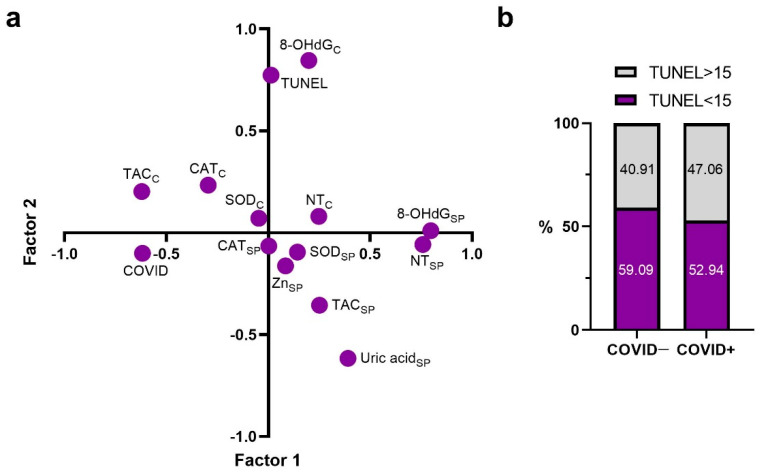
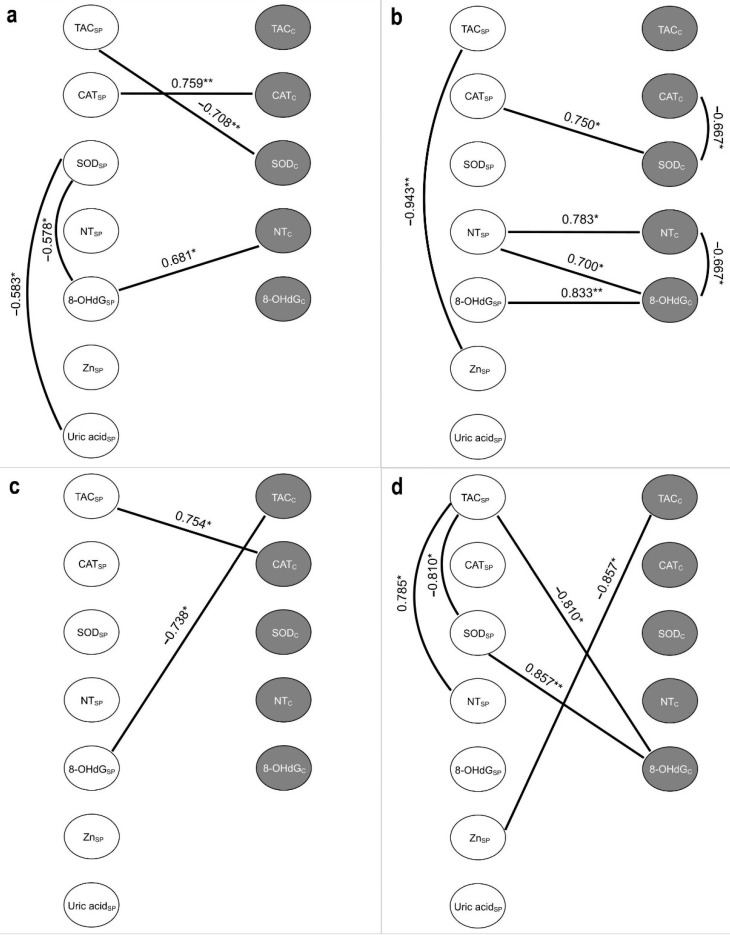
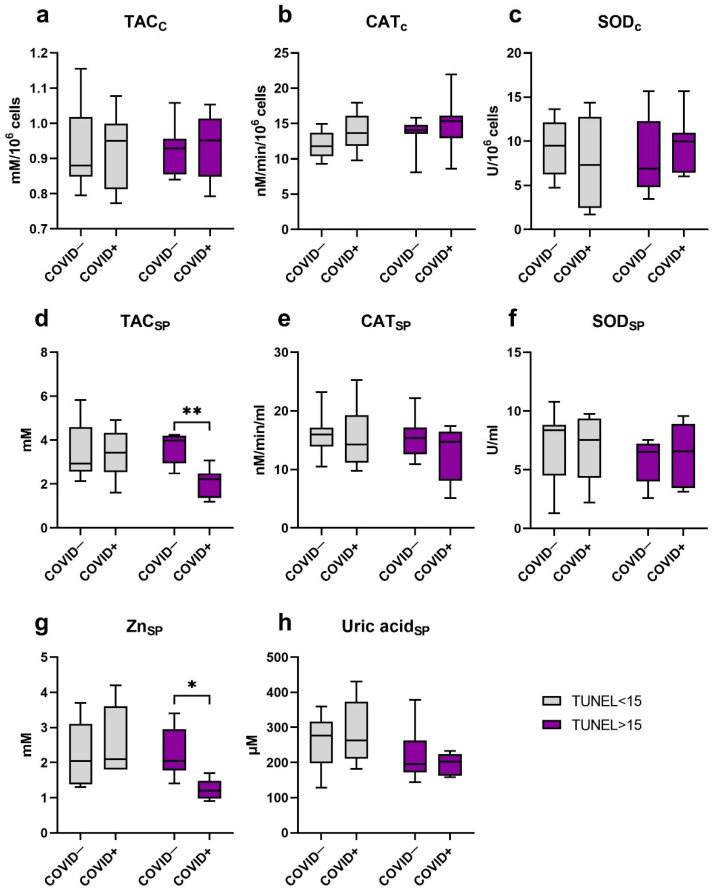
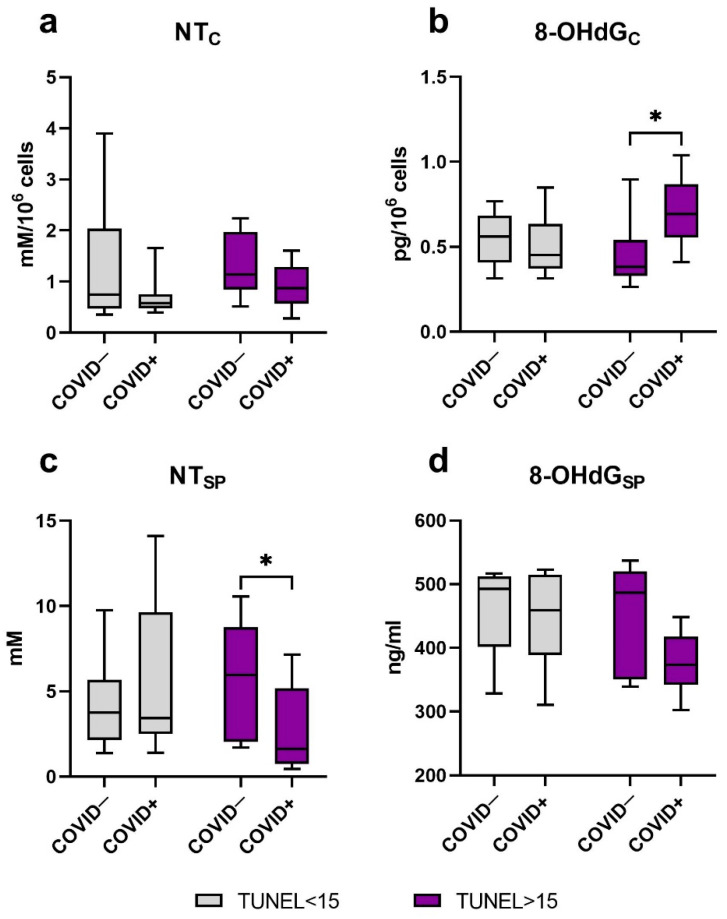
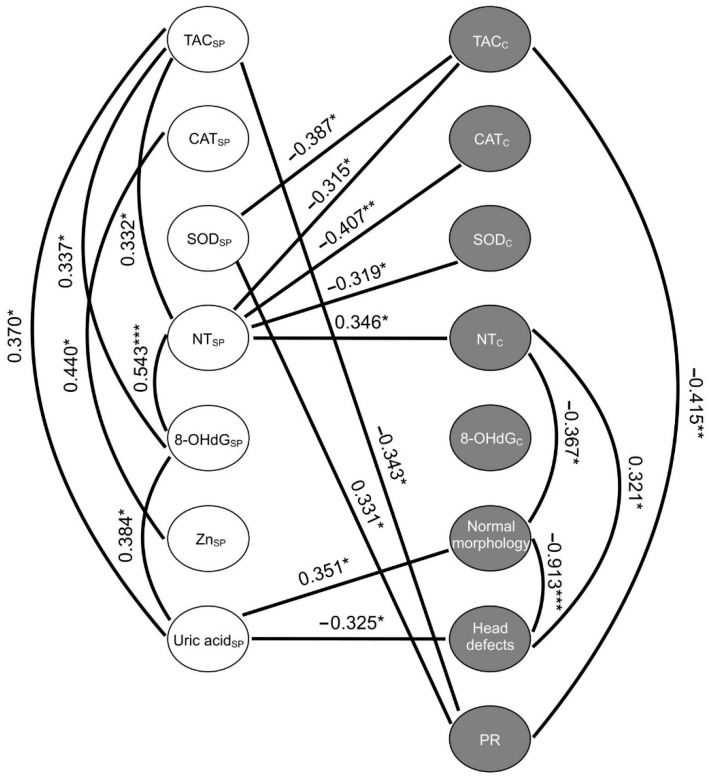
SARS-CoV-2 negatively affects semen characteristics, impairs various biochemical processes in seminal fluid and within spermatogenic cells ultimately leading to male fertility decline. However, the distinct mechanisms, in particular, the role of oxidative stress on the consequences of coronavirus infection, have not been well investigated, which is the purpose of the present study. The standard semen parameters, its pro- and antioxidant system state, as well as the level of sperm DNA fragmentation, were assessed in 17 semen samples of men five months after the coronavirus infection and in 22 age-matched control patients. We determined that the DNA fragmentation rate negatively correlated with the period after coronavirus recovery, as well as seminal fluid superoxide dismutase activity and uric acid level. It was demonstrated that COVID-19 is not always associated with increased DNA fragmentation, allowing them to be considered as two independent factors. Thus, the most significant changes were noted in the samples of men after COVID-19 and abnormal TUNEL results: increased round cell number, decreased seminal fluid's nitrotyrosine level, and total antioxidant capacity and Zn, as well as an increased 8-hydroxy-2'-deoxyguanosine level within spermatozoa. The data obtained indicate that increased DNA fragmentation and diminished semen quality in men can be the result of an imbalance in semen pro- and antioxidant components after COVID-19.
SARS-CoV-2 会对精液特征产生负面影响,损害精液和精子中的各种生化过程,最终导致男性生育能力下降。然而,其确切机制,特别是氧化应激在冠状病毒感染后果中的作用,尚未得到充分研究,这就是本研究的目的。本研究评估了 17 名男性在冠状病毒感染后 5 个月的精液标准参数、其前抗氧化和抗氧化系统状态以及精子 DNA 碎片化水平,并与 22 名年龄匹配的对照患者进行了比较。我们发现,DNA 碎片化率与冠状病毒恢复后的时间呈负相关,与精液中超氧化物歧化酶活性和尿酸水平也呈负相关。研究表明,COVID-19 并不总是与 DNA 碎片化增加相关,因此可以将它们视为两个独立的因素。因此,在 COVID-19 后的男性样本中观察到最显著的变化:精子中出现较多的圆形细胞,精液中硝基酪氨酸水平、总抗氧化能力和锌水平降低,8-羟基-2'-脱氧鸟苷水平升高。研究结果表明,男性的 DNA 碎片化增加和精液质量下降可能是 COVID-19 后精液前抗氧化和抗氧化成分失衡的结果。