Key Laboratory of Coarse Cereal Processing of Ministry of Agriculture and Rural Affairs, Chengdu 610106, China.
Sichuan Engineering and Technology Research Center of Coarse Cereal Industralization, Chengdu 610106, China.
Molecules. 2022 Sep 5;27(17):5722. doi: 10.3390/molecules27175722.
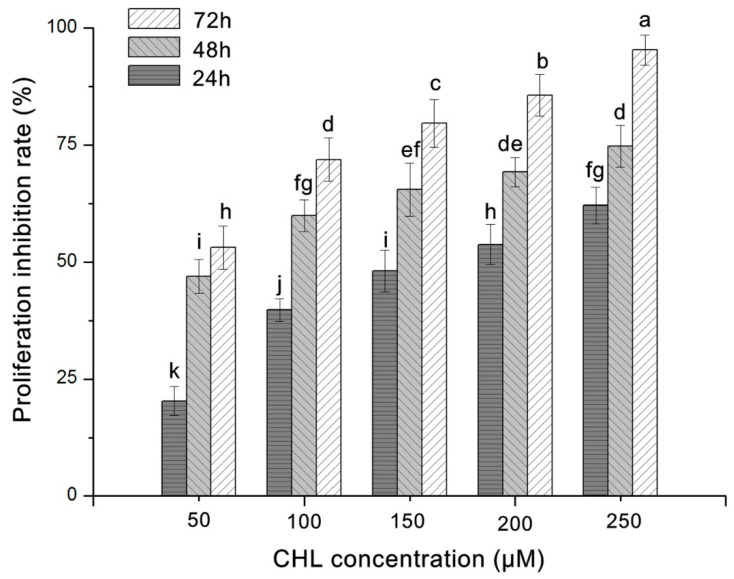
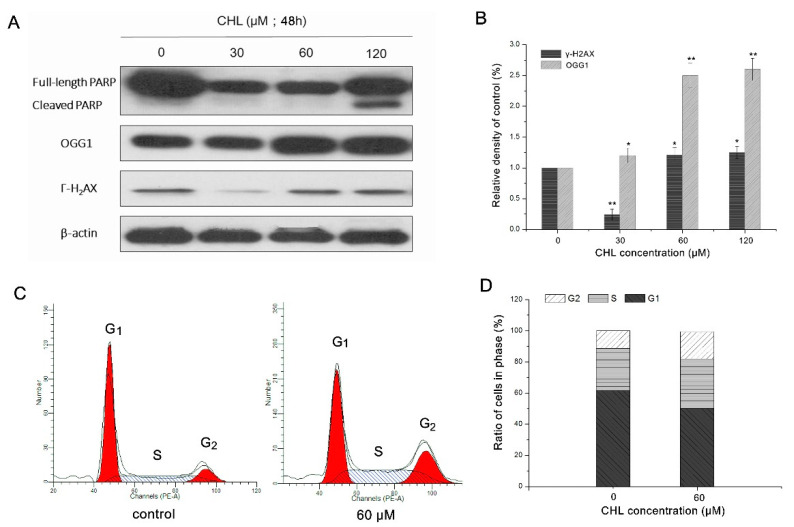
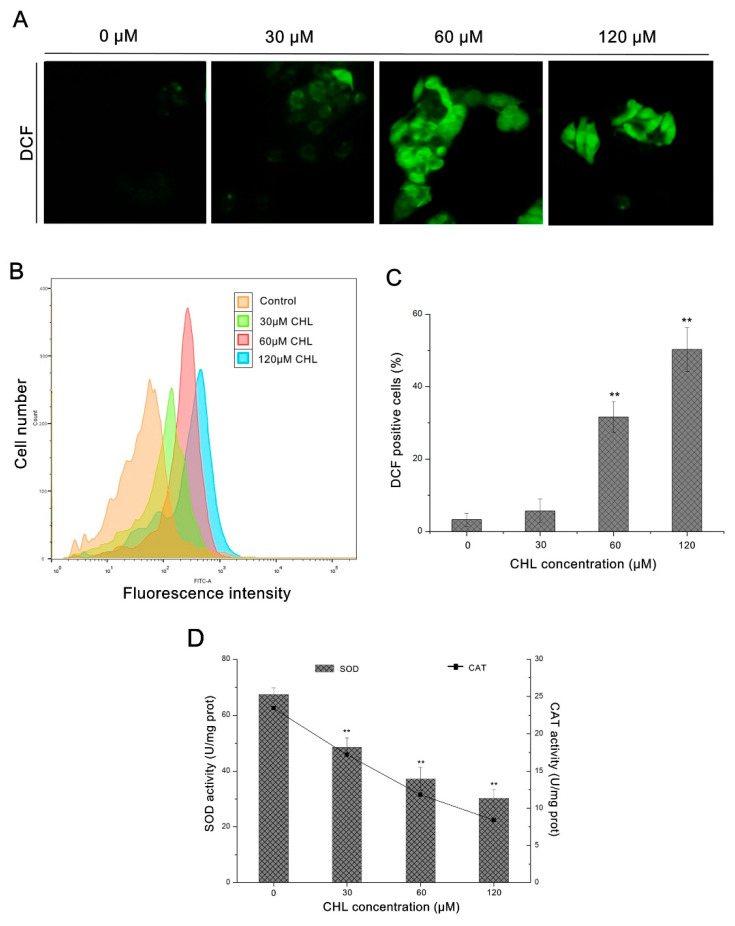
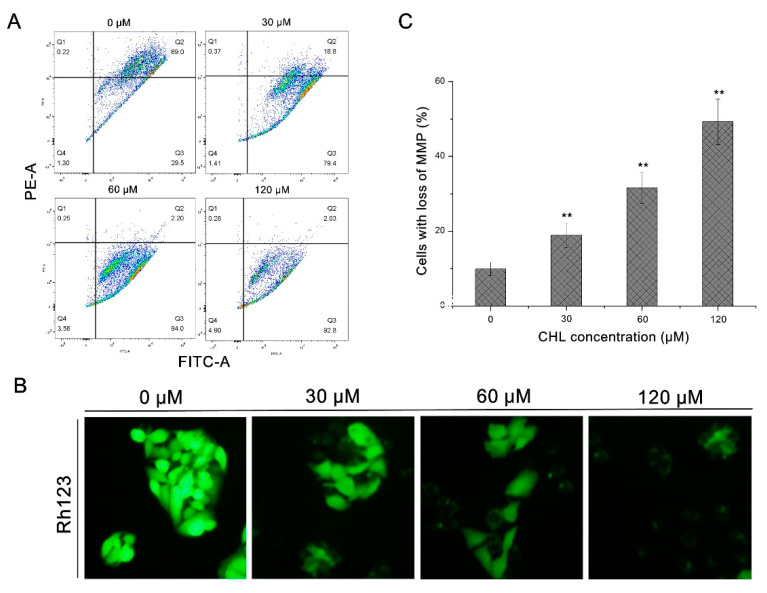
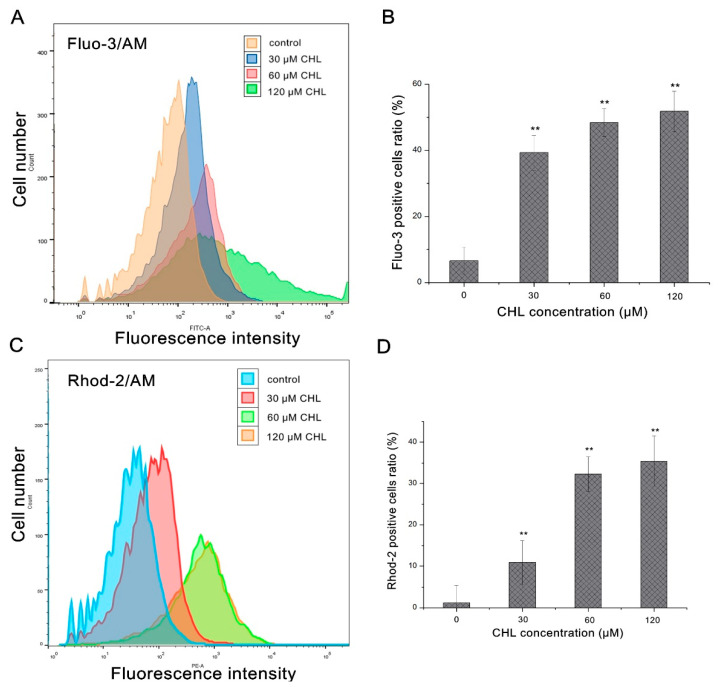
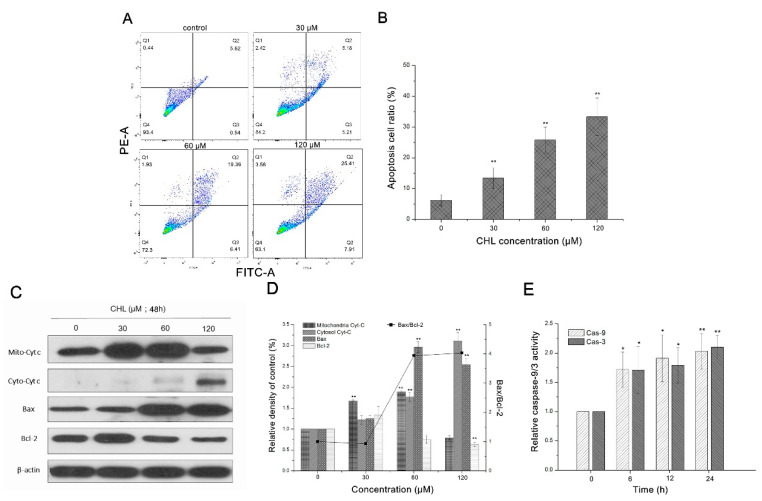
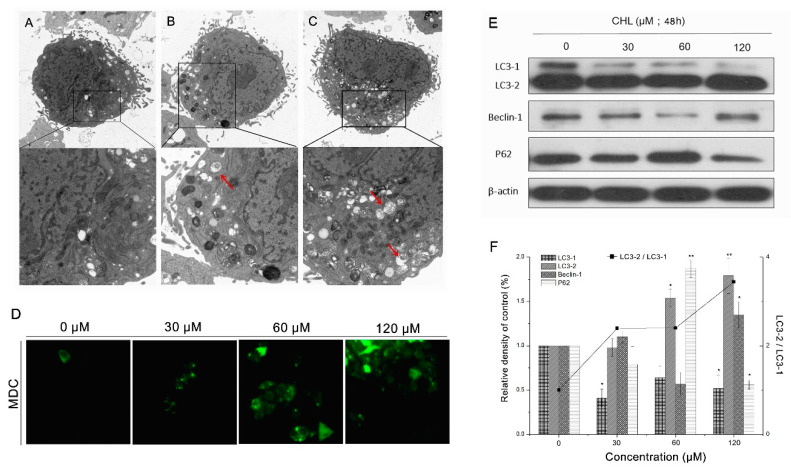
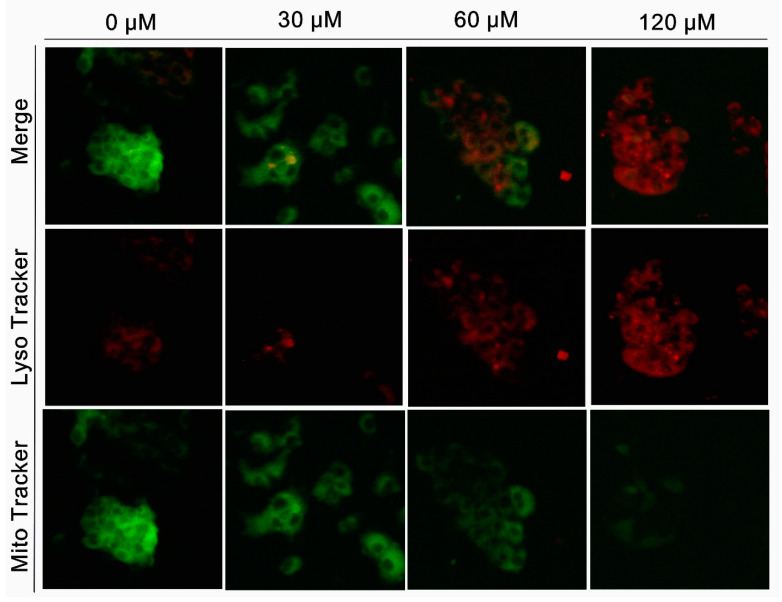
Chlorfenapyr (CHL) is a type of insecticide with a wide range of insecticidal activities and unique targets. The extensive use of pesticides has caused an increase in potential risks to the environment and human health. However, the potential toxicity of CHL and its mechanisms of action on humans remain unclear. Therefore, human liver cells (HepG2) were used to investigate the cytotoxic effect and mechanism of toxicity of CHL at the cellular level. The results showed that CHL induced cellular toxicity in HepG2 cells and induced mitochondrial damage associated with reactive oxygen species (ROS) accumulation and mitochondrial calcium overload, ultimately leading to apoptosis and autophagy in HepG2 cells. Typical apoptotic changes occurred, including a decline in the mitochondrial membrane potential, the promotion of Bax/Bcl-2 expression causing the release of cyt-c into the cytosol, the activation of cas-9/-3, and the cleavage of PARP. The autophagic effects included the formation of autophagic vacuoles, accumulation of Beclin-1, transformation of LC3-II, and downregulation of p62. Additionally, DNA damage and cell cycle arrest were detected in CHL-treated cells. These results show that CHL induced cytotoxicity associated with mitochondria-mediated programmed cell death (PCD) and DNA damage in HepG2 cells.
氯氟吡氧乙酸(CHL)是一种具有广泛杀虫活性和独特靶标的杀虫剂。农药的广泛使用导致其对环境和人类健康的潜在风险增加。然而,CHL 的潜在毒性及其对人类的作用机制尚不清楚。因此,本研究采用人肝癌细胞(HepG2)在细胞水平上研究 CHL 的细胞毒性作用及其毒性机制。结果表明,CHL 诱导 HepG2 细胞的细胞毒性,并诱导与活性氧(ROS)积累和线粒体钙超载相关的线粒体损伤,最终导致 HepG2 细胞凋亡和自噬。发生了典型的凋亡变化,包括线粒体膜电位下降、促进 Bax/Bcl-2 表达导致细胞色素 c 释放到细胞质、cas-9/-3 激活以及 PARP 的裂解。自噬作用包括自噬小体的形成、Beclin-1 的积累、LC3-II 的转化以及 p62 的下调。此外,还检测到 CHL 处理细胞中的 DNA 损伤和细胞周期停滞。这些结果表明,CHL 诱导的细胞毒性与线粒体介导的程序性细胞死亡(PCD)和 HepG2 细胞中的 DNA 损伤有关。