Department of Pathobiology of the Nervous System, Center for Brain Research, Medical University of Vienna, Vienna, Austria.
Institute of Molecular, Cell and Systems Biology, University of Glasgow, Glasgow, UK.
Commun Biol. 2022 Sep 9;5(1):944. doi: 10.1038/s42003-022-03867-y.
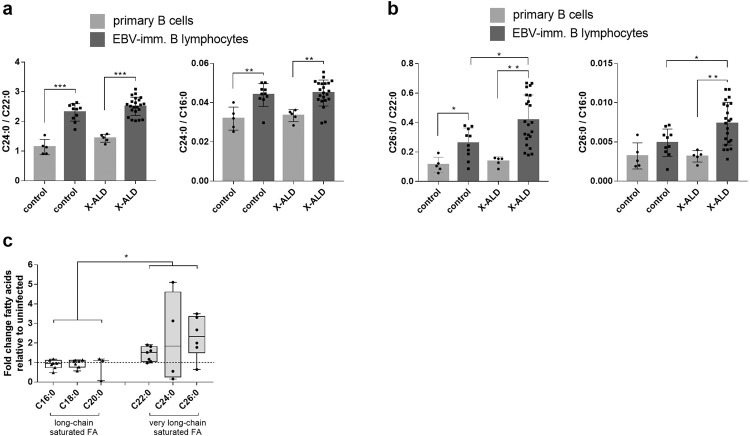
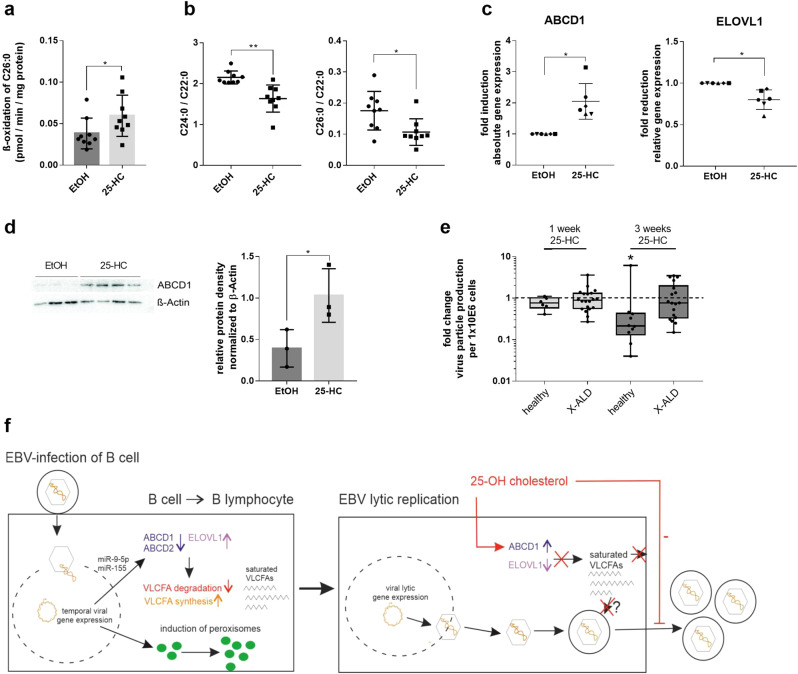
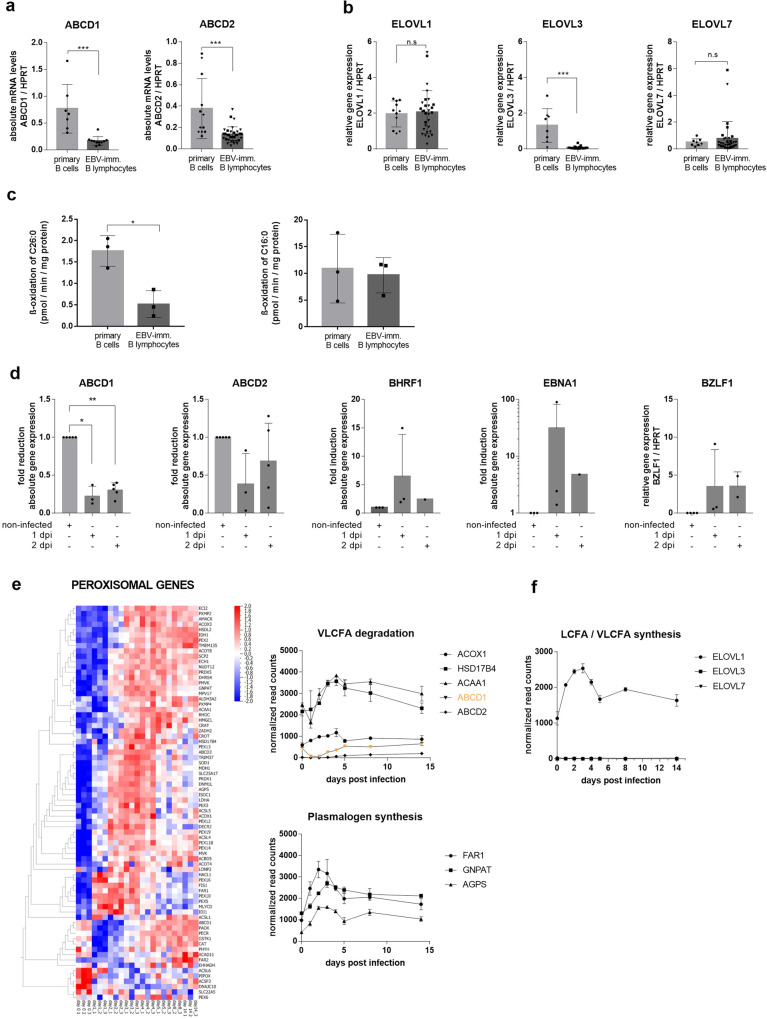
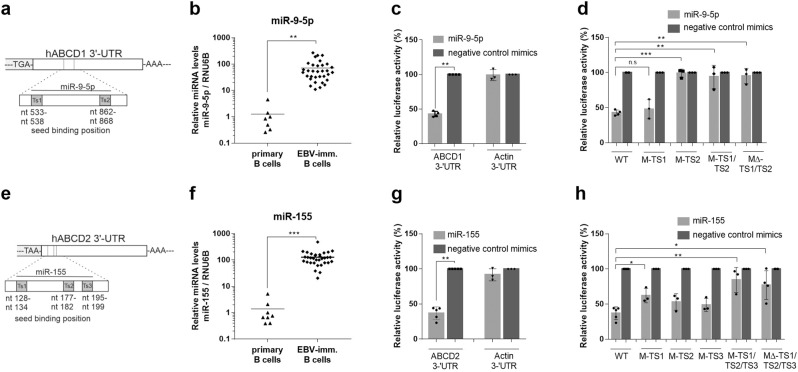
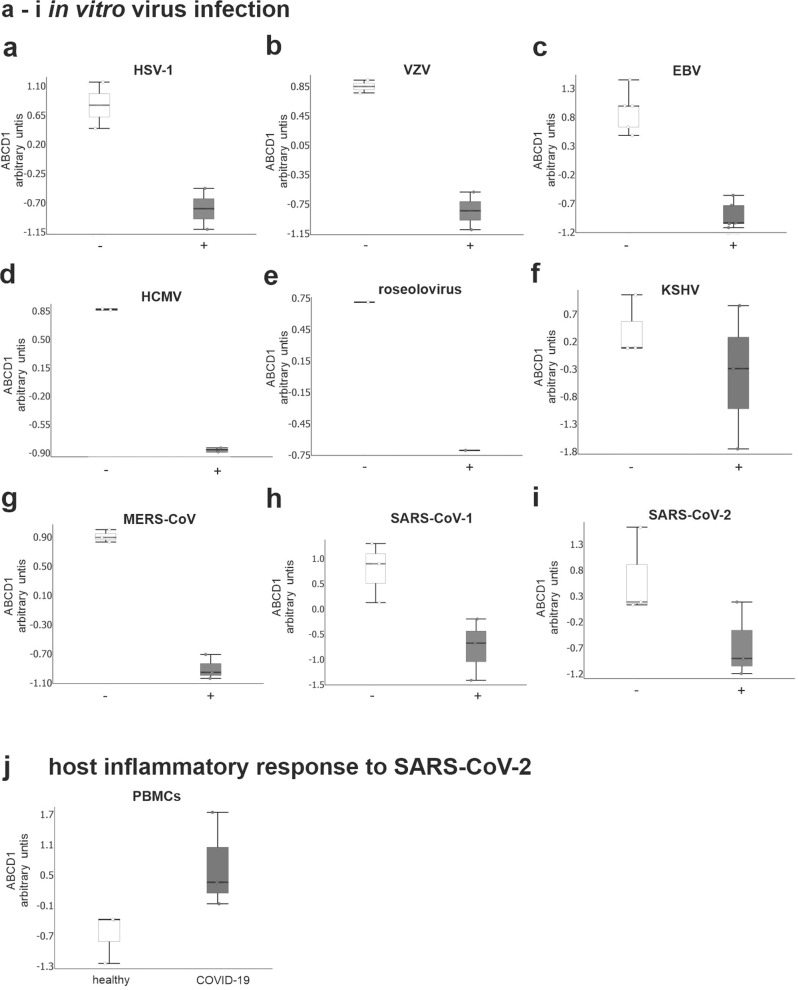
Very long-chain fatty acids (VLCFA) are critical for human cytomegalovirus replication and accumulate upon infection. Here, we used Epstein-Barr virus (EBV) infection of human B cells to elucidate how herpesviruses target VLCFA metabolism. Gene expression profiling revealed that, despite a general induction of peroxisome-related genes, EBV early infection decreased expression of the peroxisomal VLCFA transporters ABCD1 and ABCD2, thus impairing VLCFA degradation. The mechanism underlying ABCD1 and ABCD2 repression involved RNA interference by the EBV-induced microRNAs miR-9-5p and miR-155, respectively, causing significantly increased VLCFA levels. Treatment with 25-hydroxycholesterol, an antiviral innate immune modulator produced by macrophages, restored ABCD1 expression and reduced VLCFA accumulation in EBV-infected B-lymphocytes, and, upon lytic reactivation, reduced virus production in control but not ABCD1-deficient cells. Finally, also other herpesviruses and coronaviruses target ABCD1 expression. Because viral infection might trigger neuroinflammation in X-linked adrenoleukodystrophy (X-ALD, inherited ABCD1 deficiency), we explored a possible link between EBV infection and cerebral X-ALD. However, neither immunohistochemistry of post-mortem brains nor analysis of EBV seropositivity in 35 X-ALD children supported involvement of EBV in the onset of neuroinflammation. Collectively, our findings indicate a previously unrecognized, pivotal role of ABCD1 in viral infection and host defence, prompting consideration of other viral triggers in cerebral X-ALD.
非常长链脂肪酸(VLCFA)对于人类巨细胞病毒的复制至关重要,并且在感染后会积累。在这里,我们利用 Epstein-Barr 病毒(EBV)感染人类 B 细胞来阐明疱疹病毒如何靶向 VLCFA 代谢。基因表达谱分析显示,尽管过氧化物酶体相关基因普遍被诱导,但 EBV 早期感染会降低过氧化物酶体 VLCFA 转运蛋白 ABCD1 和 ABCD2 的表达,从而损害 VLCFA 的降解。ABCD1 和 ABCD2 抑制的机制涉及 EBV 诱导的 microRNA miR-9-5p 和 miR-155 的 RNA 干扰,分别导致 VLCFA 水平显著增加。巨噬细胞产生的抗病毒先天免疫调节剂 25-羟胆固醇的治疗恢复了 EBV 感染的 B 淋巴细胞中 ABCD1 的表达并减少了 VLCFA 的积累,并且在裂解再激活时,降低了对照细胞但未降低 ABCD1 缺陷细胞中的病毒产量。最后,其他疱疹病毒和冠状病毒也靶向 ABCD1 表达。由于病毒感染可能在 X 连锁肾上腺脑白质营养不良(X-ALD,遗传性 ABCD1 缺乏)中引发神经炎症,我们探讨了 EBV 感染与大脑 X-ALD 之间可能的联系。然而,尸检大脑的免疫组织化学分析或 35 名 X-ALD 儿童 EBV 血清阳性率的分析均不支持 EBV 参与神经炎症的发生。总的来说,我们的发现表明 ABCD1 在病毒感染和宿主防御中具有以前未被认识到的关键作用,这促使人们考虑其他病毒触发因素在大脑 X-ALD 中的作用。