Balakrishnan Preethi Bala, Ledezma Debbie K, Cano-Mejia Juliana, Andricovich Jaclyn, Palmer Erica, Patel Vishal A, Latham Patricia S, Yvon Eric S, Villagra Alejandro, Fernandes Rohan, Sweeney Elizabeth E
GW Cancer Center, Department of Medicine, School of Medicine and Health Sciences, George Washington University, Washington, DC 20052, USA.
The Institute for Biomedical Sciences, School of Medicine and Health Sciences, George Washington University, Washington, DC 20052, USA.
Nano Res. 2022 Mar;15(3):2300-2314. doi: 10.1007/s12274-021-3813-1. Epub 2021 Oct 12.
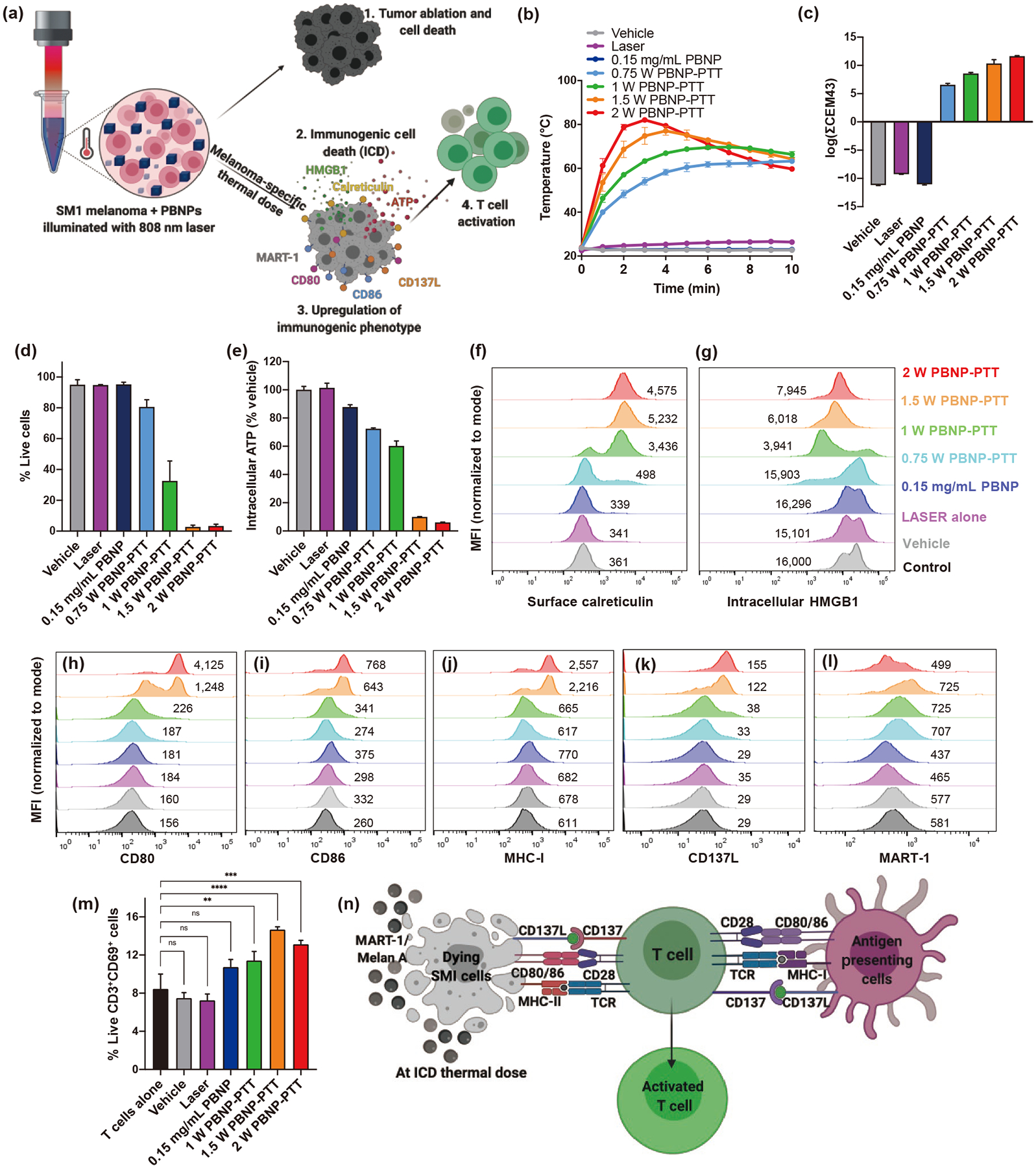
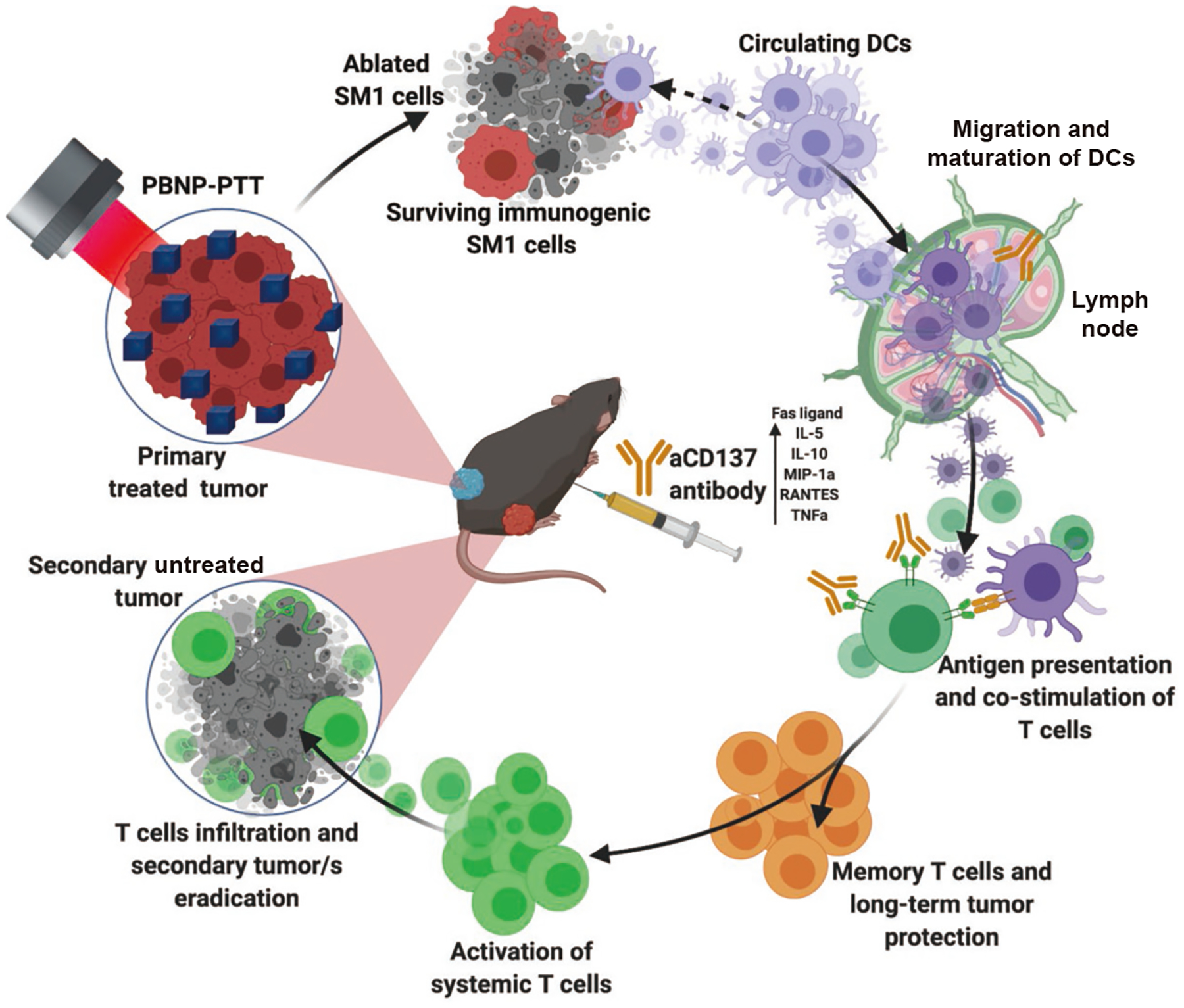
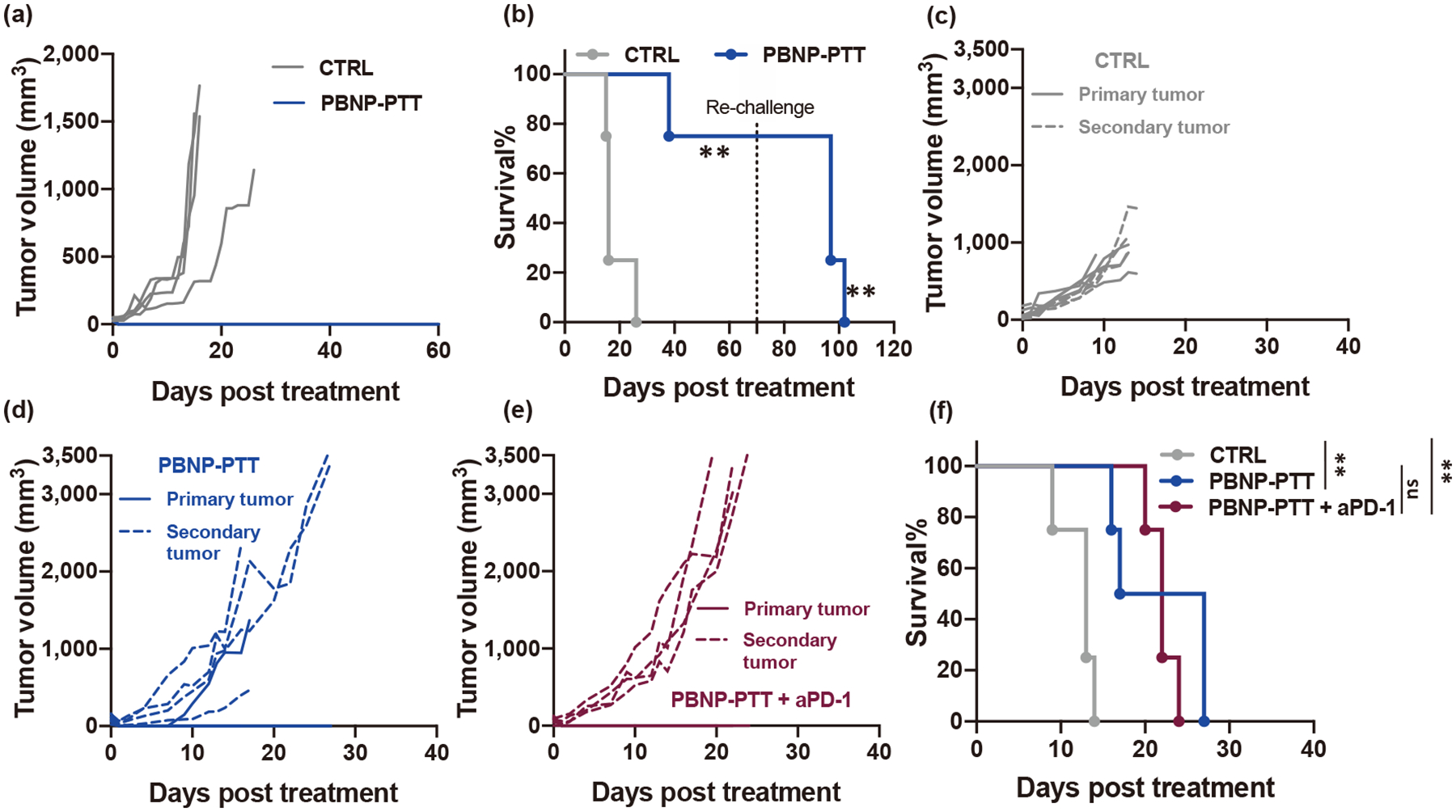
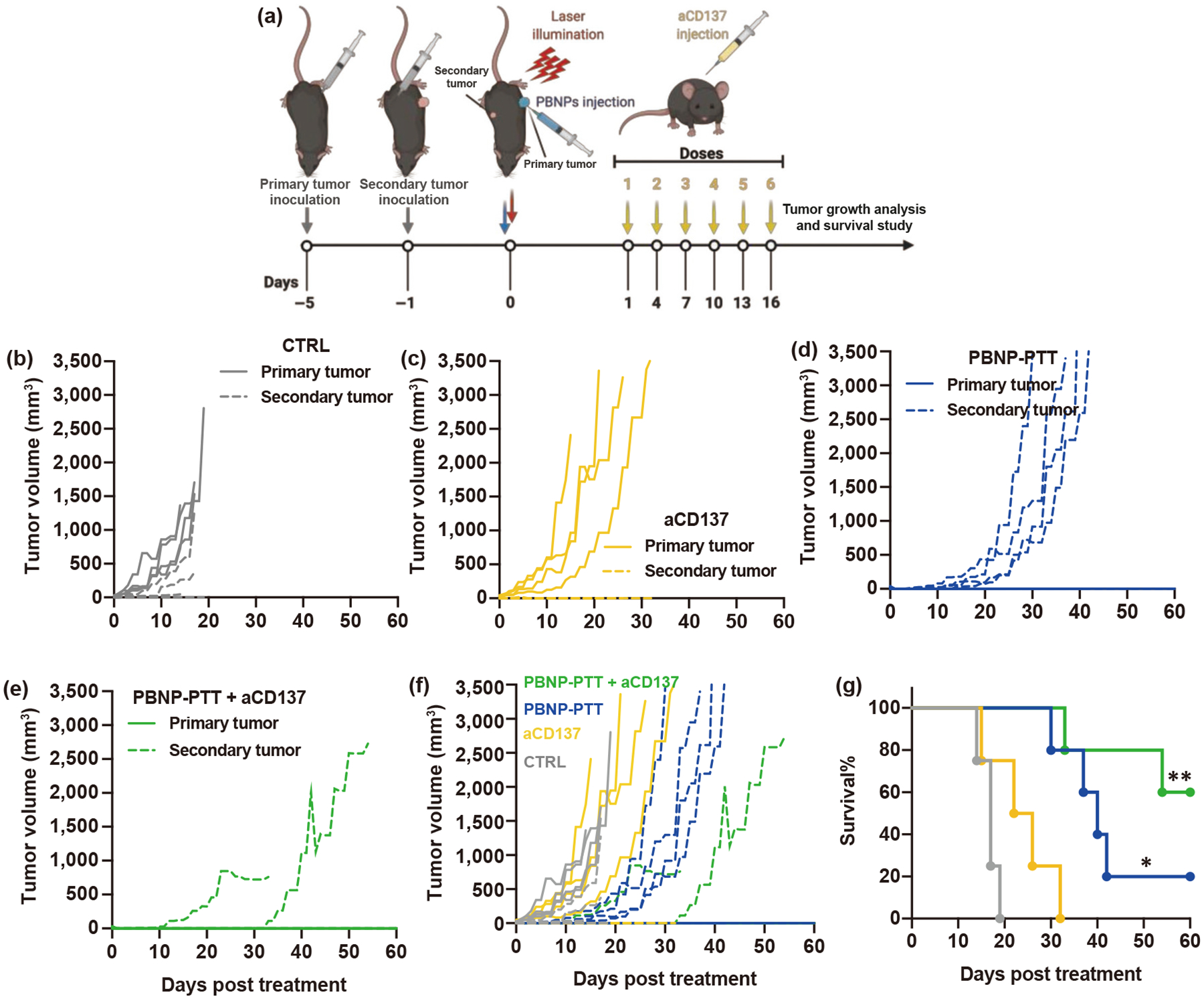
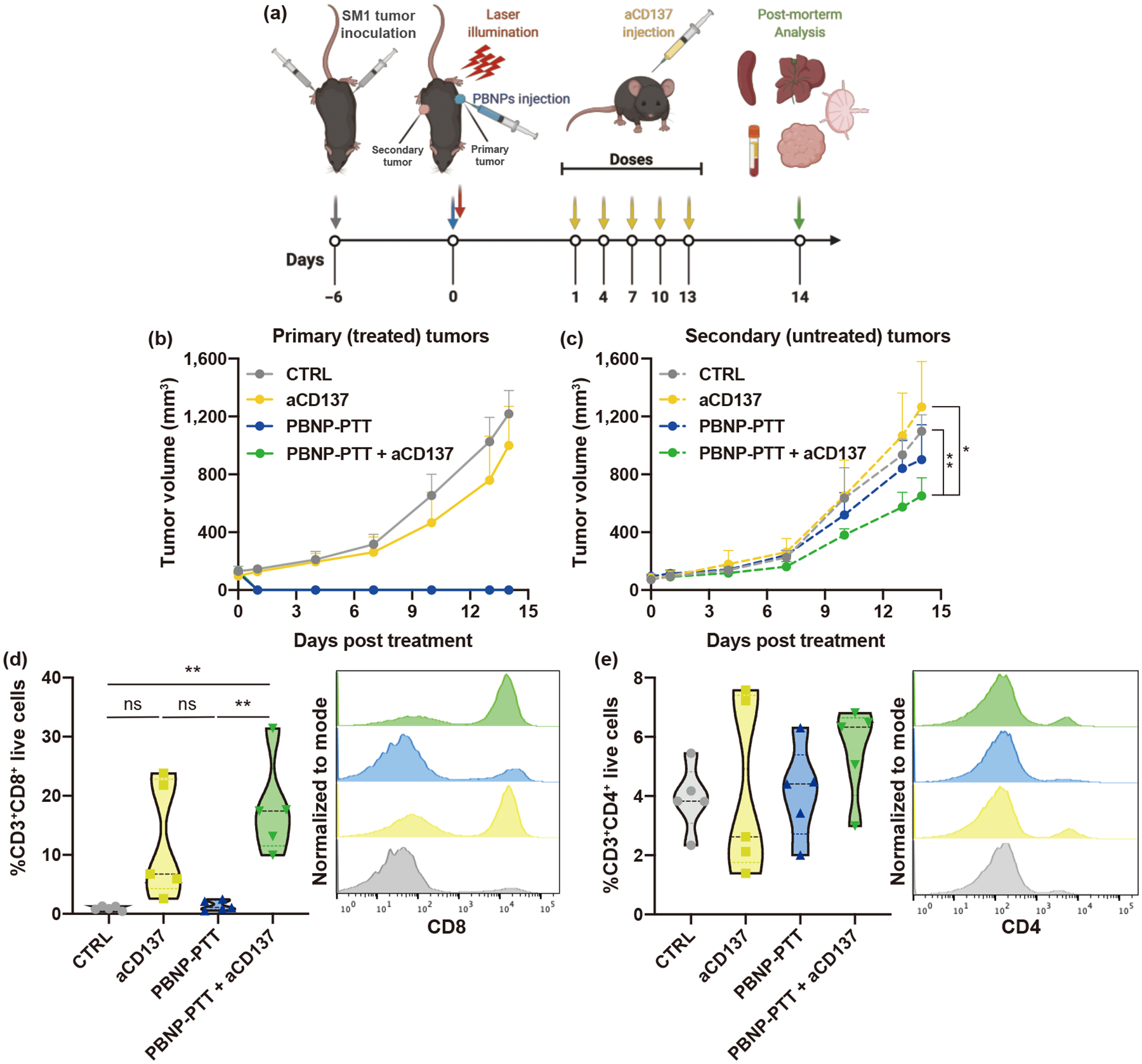
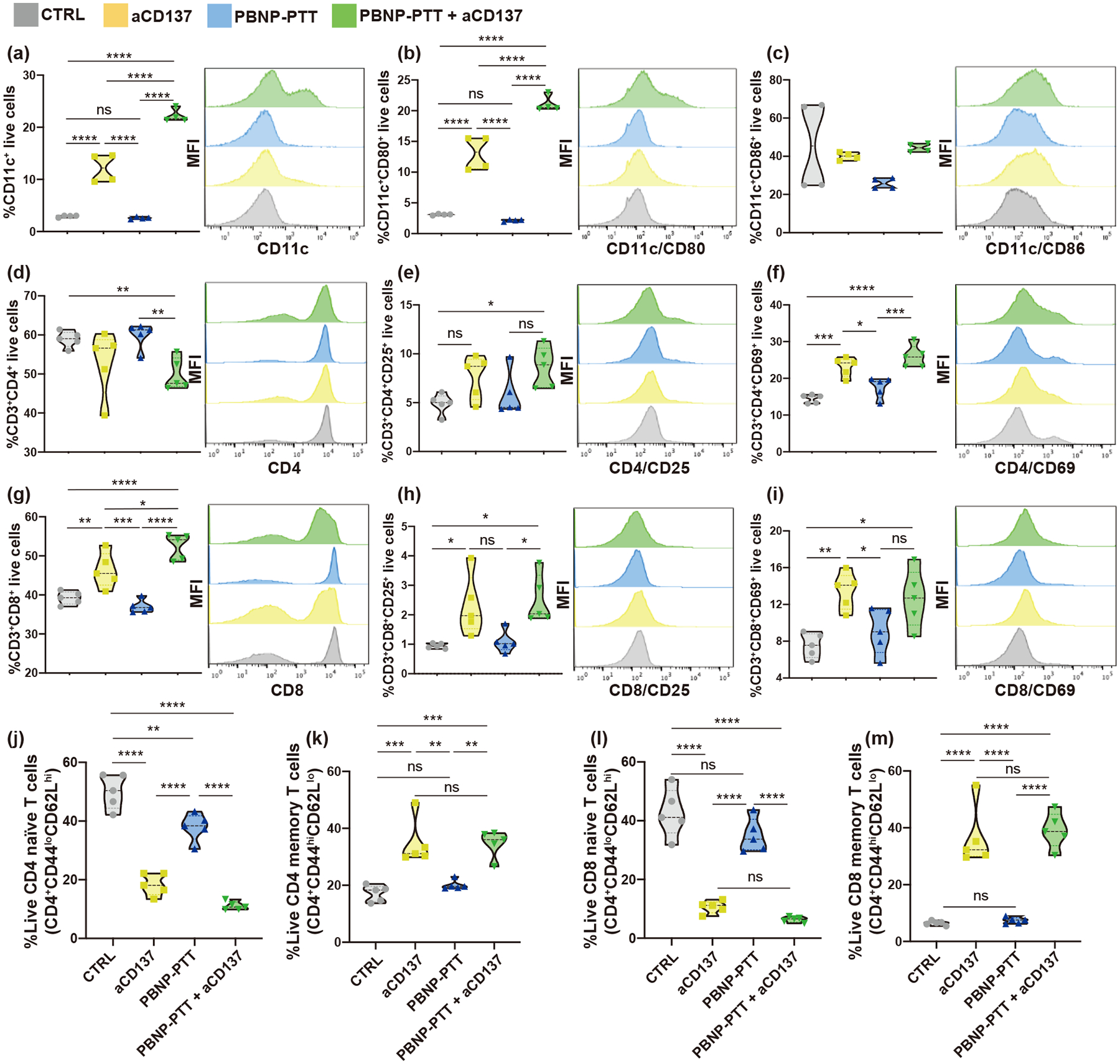
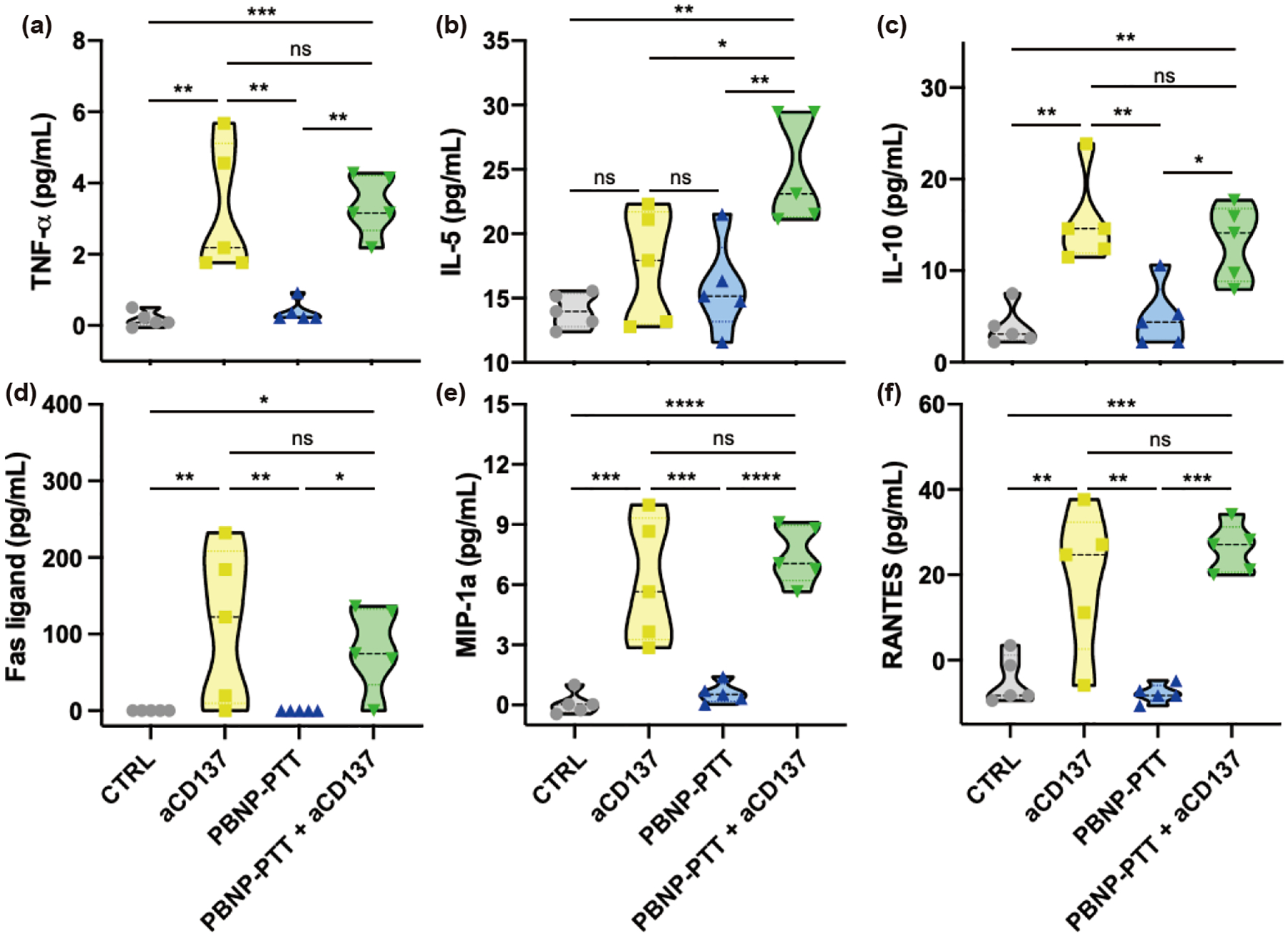
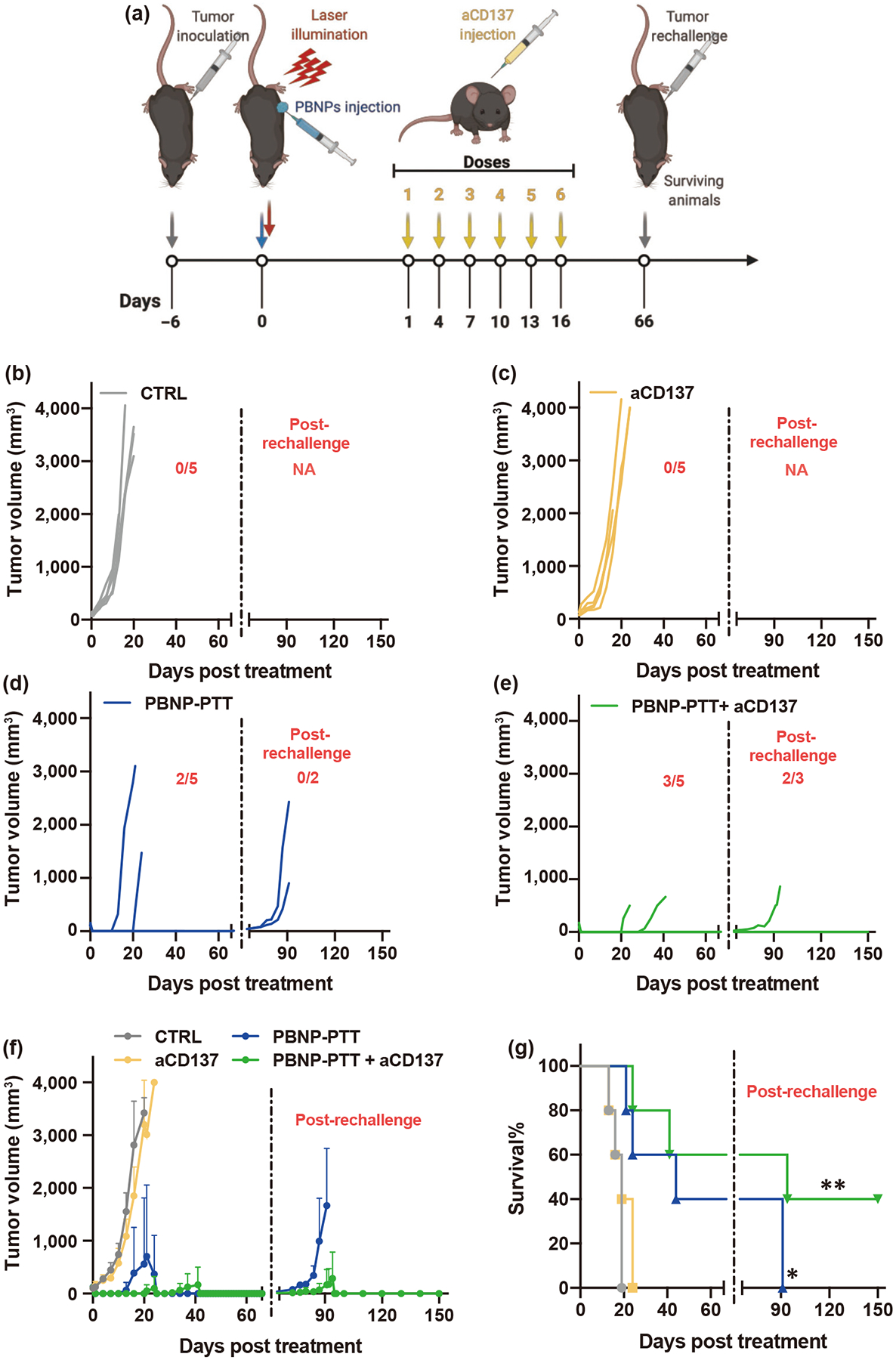
Despite the promise of immunotherapy such as the immune checkpoint inhibitors (ICIs) anti-PD-1 and anti-CTLA-4 for advanced melanoma, only 26%-52% of patients respond, and many experience grade III/IV immune-related adverse events. Motivated by the need for an effective therapy for patients non-responsive to clinically approved ICIs, we have developed a novel nanoimmunotherapy that combines locally administered Prussian blue nanoparticle-based photothermal therapy (PBNP-PTT) with systemically administered agonistic anti-CD137 monoclonal antibody therapy (aCD137). PBNP-PTT was administered at various thermal doses to melanoma cells , and was combined with aCD137 to test treatment effects on melanoma tumor progression, animal survival, immunological protection against tumor rechallenge, and hepatotoxicity. When administered at a melanoma-specific thermal dose, PBNP-PTT elicits immunogenic cell death (ICD) in melanoma cells and upregulates markers associated with antigen presentation and immune cell co-stimulation . Consequently, PBNP-PTT eliminates primary melanoma tumors , yielding long-term tumor-free survival. However, the antitumor immune effects generated by PBNP-PTT cannot eliminate secondary tumors, despite significantly slowing their growth. The addition of aCD137 enables significant abscopal efficacy and improvement of survival, functioning through activated dendritic cells and tumor-infiltrating CD8 T cells, and generates CD4 and CD8 T cell memory that manifests in the rejection of tumor rechallenge, with no long-term hepatotoxicity. This study describes for the first time a novel and effective nanoimmunotherapy combination of PBNP-PTT with aCD137 mAb therapy for melanoma.
尽管免疫疗法如免疫检查点抑制剂(ICIs)抗程序性死亡蛋白1(anti-PD-1)和抗细胞毒性T淋巴细胞相关抗原4(anti-CTLA-4)对晚期黑色素瘤有治疗前景,但只有26%-52%的患者有反应,且许多患者会经历III/IV级免疫相关不良事件。受对临床批准的ICIs无反应患者有效治疗需求的驱动,我们开发了一种新型纳米免疫疗法,该疗法将局部应用的基于普鲁士蓝纳米颗粒的光热疗法(PBNP-PTT)与全身应用的激动性抗CD137单克隆抗体疗法(aCD137)相结合。将不同热剂量的PBNP-PTT应用于黑色素瘤细胞,并与aCD137联合使用,以测试对黑色素瘤肿瘤进展、动物存活、针对肿瘤再次攻击的免疫保护以及肝毒性的治疗效果。当以黑色素瘤特异性热剂量给药时,PBNP-PTT可诱导黑色素瘤细胞发生免疫原性细胞死亡(ICD),并上调与抗原呈递和免疫细胞共刺激相关的标志物。因此,PBNP-PTT可消除原发性黑色素瘤肿瘤,实现长期无瘤存活。然而,尽管PBNP-PTT产生的抗肿瘤免疫效应能显著减缓继发性肿瘤的生长,但无法消除它们。添加aCD137可实现显著的远隔效应并改善存活,通过激活树突状细胞和肿瘤浸润性CD8 T细胞发挥作用,并产生CD4和CD8 T细胞记忆,表现为对肿瘤再次攻击的排斥反应,且无长期肝毒性。本研究首次描述了一种新型且有效的PBNP-PTT与aCD137单克隆抗体疗法联合用于黑色素瘤的纳米免疫疗法。