Department of Dermatology, The First Affiliated Hospital of Chongqing Medical University, Chongqing, China.
Department of Cardiology and Institute of Vascular Medicine, Peking University Third Hospital, Beijing, China.
Front Immunol. 2022 Aug 24;13:985081. doi: 10.3389/fimmu.2022.985081. eCollection 2022.
In recent years, frontal fibrosing alopecia (FFA), a type of scarring alopecia, has attracted increasing attention. Several studies have reported the frequent occurrence of rosacea in FFA; however, the association between FFA and rosacea and the underlying pathogenesis have not been thoroughly clarified. Thus, this study aimed to quantify these relationships and investigate their shared molecular mechanisms.
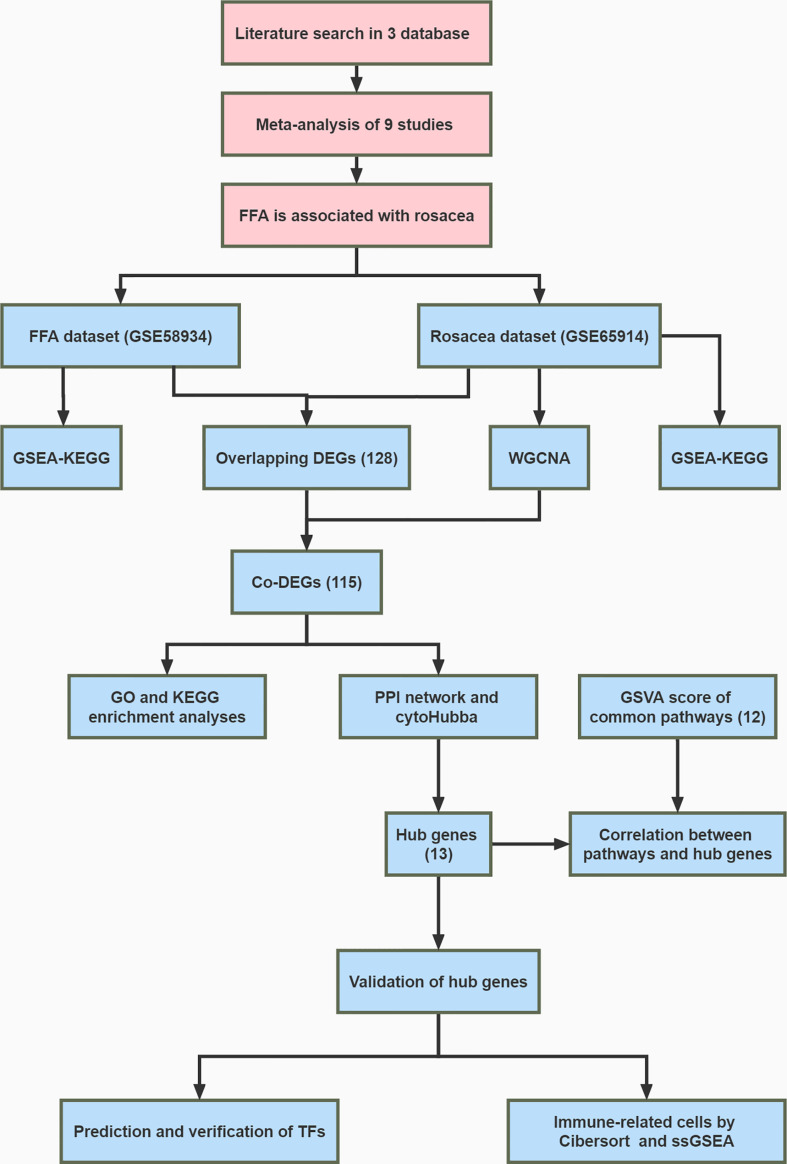
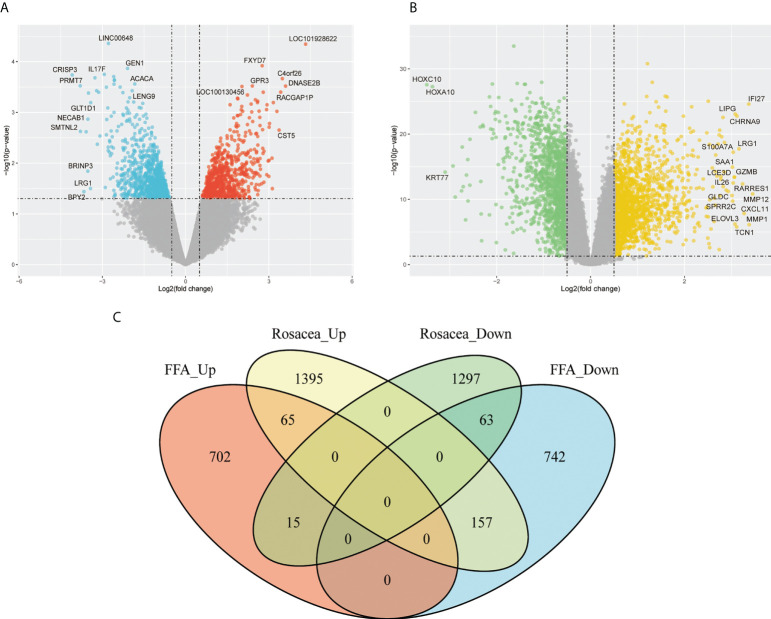
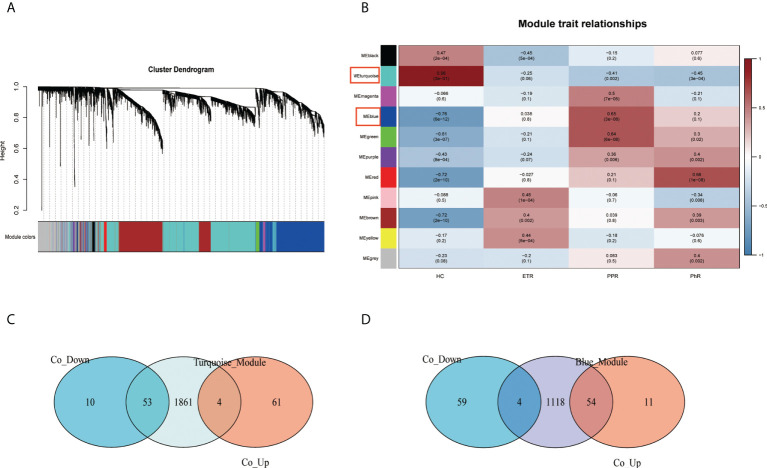
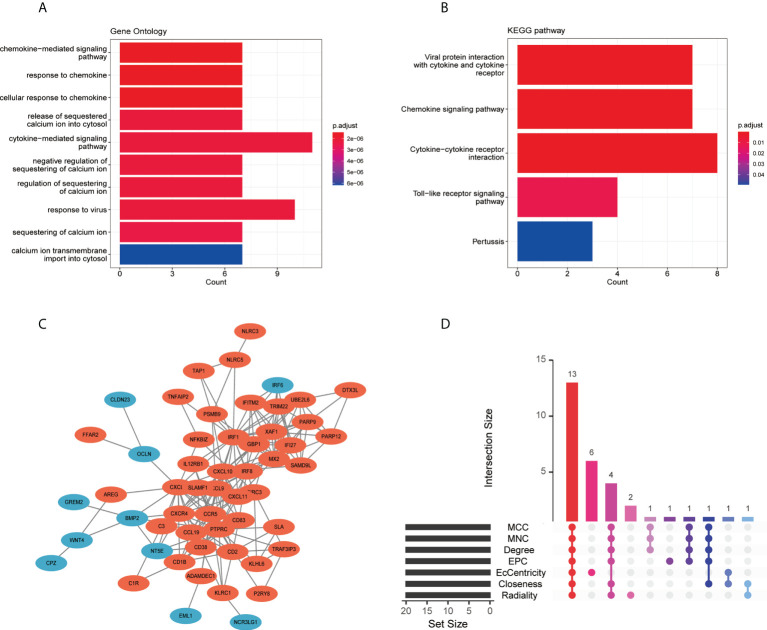
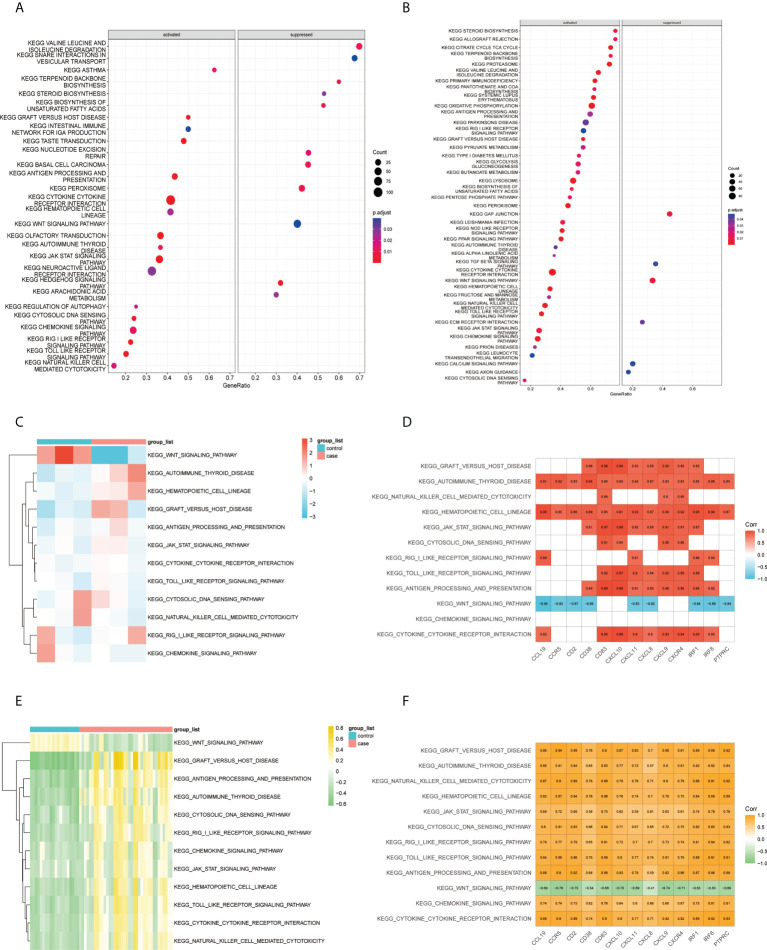
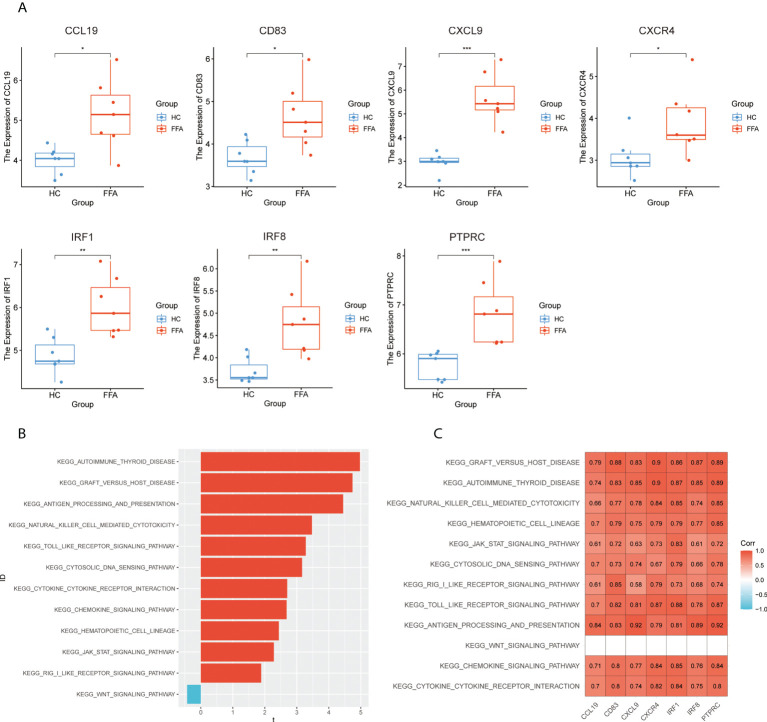
We evaluated the association between FFA and rosacea by analyzing clinical data from nine observational studies. We then analyzed the gene expression profiles of FFA and rosacea. First, differential expression analysis and weighted gene co-expression network analysis were used to identify the common differentially expressed genes (DEGs). Later, we conducted a functional enrichment analysis and protein-protein interaction network and used seven algorithms to identify hub genes. Then, we performed a correlation analysis between the hub genes and the gene set variation analysis scores of common pathways in the gene set enrichment analysis (GSEA). The results were validated using different datasets. Finally, transcription factors were predicted and verified, and CIBERSORT and single-sample GSEA were used to estimate the infiltrating immune cells.
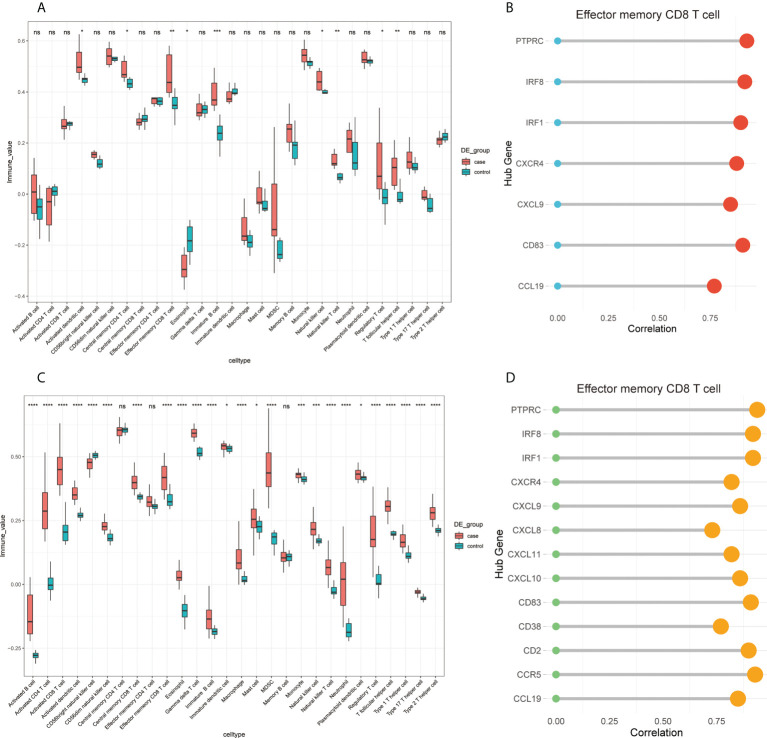
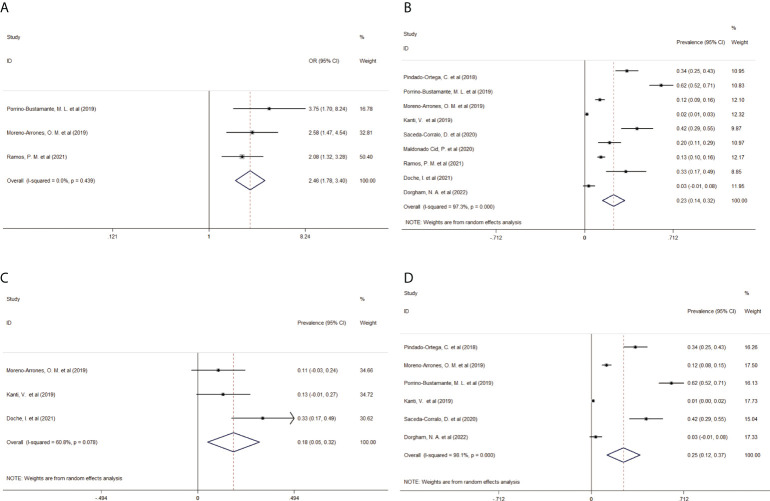
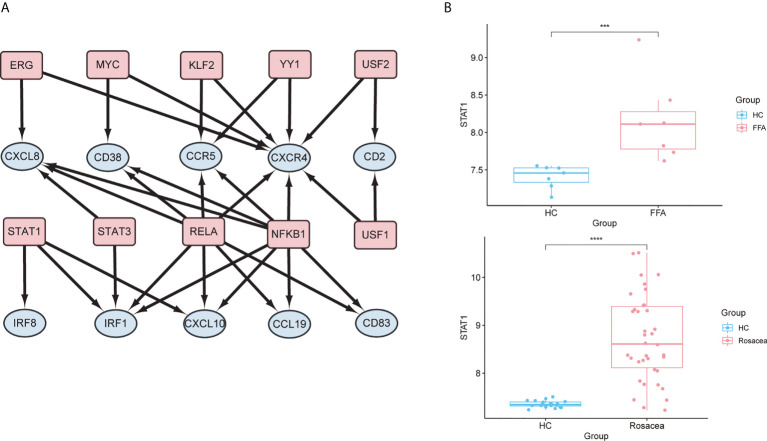
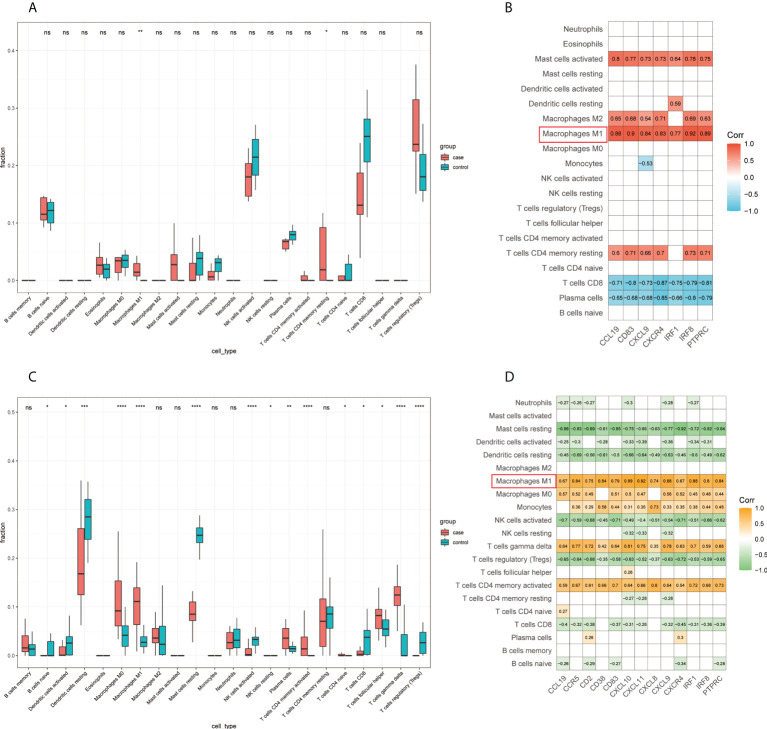
Patients with FFA had significantly higher odds for rosacea (pooled odds ratio [OR], 2.46; 95% confidence interval [CI], 1.78-3.40), and the pooled prevalence of rosacea in patients with FFA was 23% (95% CI, 14-23%). Furthermore, we identified 115 co-DEGs and 13 hub genes (, , , , , , , , , , , , and ). Seven pathways showed a high correlation with these hub genes. In addition, one TF, STAT1, was highly expressed in both diseases, and the results of the immune infiltration analysis indicated the importance of M1 macrophages and effector memory CD8+ T cells.
This study contributes to the understanding of the relationship between FFA and rosacea, and based on the hub genes, we reveal the potential pathologies shared by the two diseases. This finding provides new insights of underlying molecular mechanisms and it may inspire future research on this comorbidity.
近年来,瘢痕性脱发(FFA)作为一种脱发类型,越来越受到关注。有几项研究报告称 FFA 常伴有酒渣鼻,但 FFA 与酒渣鼻之间的关联及其潜在发病机制尚未完全阐明。因此,本研究旨在量化这些关系并研究其共同的分子机制。
我们通过分析来自 9 项观察性研究的临床数据来评估 FFA 与酒渣鼻之间的关联。然后,我们分析了 FFA 和酒渣鼻的基因表达谱。首先,采用差异表达分析和加权基因共表达网络分析,识别共同差异表达基因(DEG)。接着,进行功能富集分析和蛋白质-蛋白质相互作用网络分析,并采用 7 种算法识别枢纽基因。然后,对枢纽基因与基因集富集分析(GSEA)中共同通路的基因集变异分析评分之间进行相关性分析。使用不同数据集进行验证。最后,预测和验证转录因子,并使用 CIBERSORT 和单样本 GSEA 估计浸润免疫细胞。
FFA 患者患酒渣鼻的几率明显更高(合并优势比 [OR],2.46;95%置信区间 [CI],1.78-3.40),FFA 患者中酒渣鼻的患病率为 23%(95% CI,14-23%)。此外,我们鉴定出 115 个共同 DEG 和 13 个枢纽基因(、、、、、、、、、、和)。7 条通路与这些枢纽基因高度相关。此外,一个转录因子 STAT1 在两种疾病中均高表达,免疫浸润分析结果表明 M1 巨噬细胞和效应记忆 CD8+T 细胞的重要性。
本研究有助于了解 FFA 与酒渣鼻之间的关系,并且基于枢纽基因,我们揭示了两种疾病之间潜在的共病机制。这一发现为潜在的分子机制提供了新的见解,可能为未来对这种共病的研究提供启示。