González Alejandro Serna, Soto Tellini Víctor H, Benjumea Gutiérrez Dora María
Toxinología, Alternativas Terapéuticas y Alimentarias, Facultad de Ciencias Farmacéuticas y Alimentarias, Universidad de Antioquia, Sede de Investigación Universitaria (SIU), Calle 62 52-59 Medellín, Antioquia, Colombia.
Escuela de Química, Centro de Investigación en Electroquímica y Energía Química (CELEQ), Universidad de Costa Rica, San José, Costa Rica.
Heliyon. 2022 Aug 27;8(9):e10413. doi: 10.1016/j.heliyon.2022.e10413. eCollection 2022 Sep.
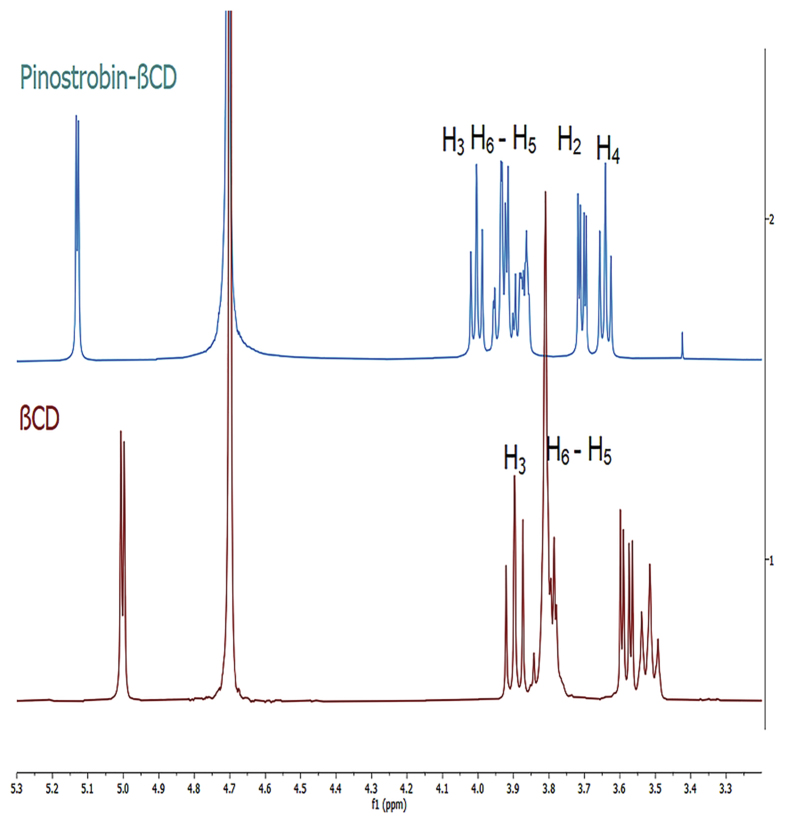
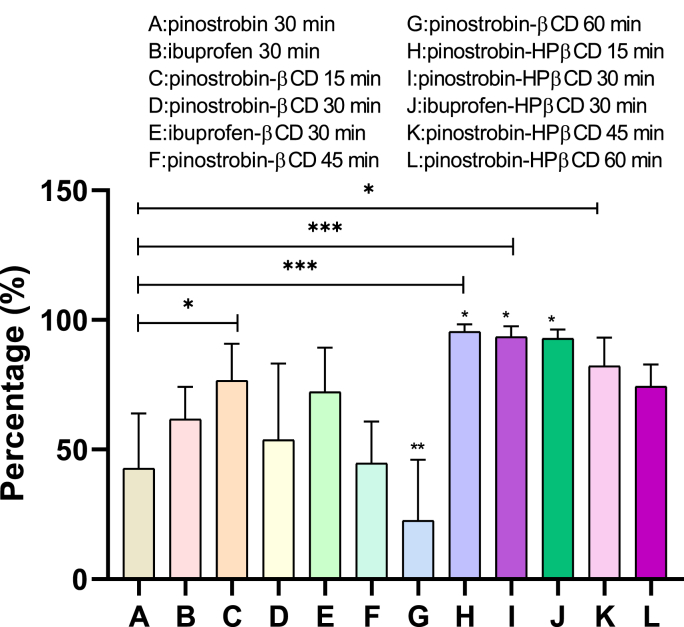
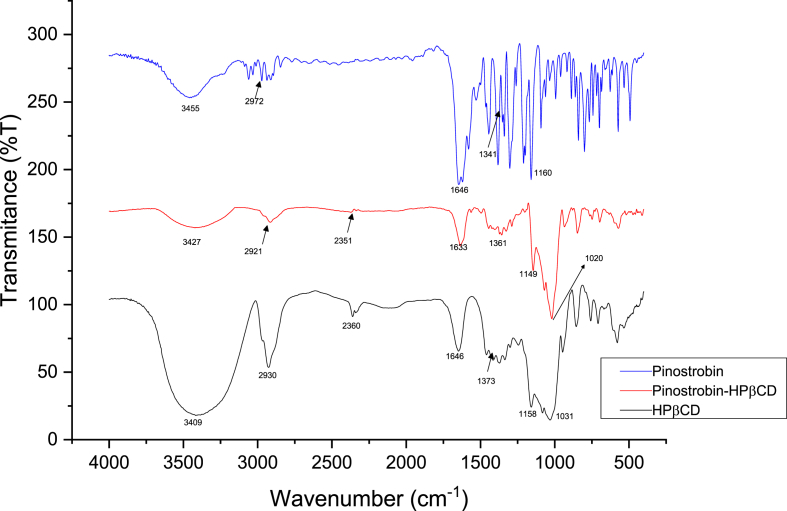
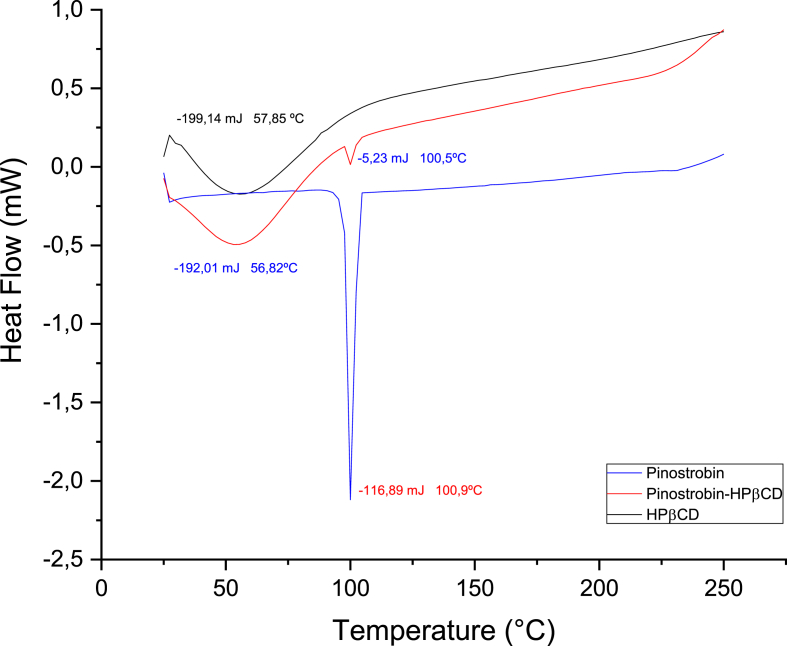
Pinostrobin is a flavanone isolated from (Rottb.) Maas, which is used to treat painful diseases and ailments; indigenous peoples use it as plasters. Different plant species have been reported as a source of this flavonoid, among which are: , , , , , , among others. Pinostrobin expresses potentially useful biological activities such as antioxidant, analgesic, and dermal anti-inflammatory, at low levels nonetheless due to its low solubility. The formation of inclusion complexes deems a good strategy to improve the pharmacologic effects of many substances. In the present work, we evaluated the dermal toxicity, analgesic and dermal anti-inflammatory activity of pinostrobin included in cyclodextrins, to improve those effects on experimental animals. To include pinostrobin, we used two of beta cyclodextrin (βCD) and hydroxypropil beta cyclodextrin (HPβCD) complexes using two methods developed by Benesi-Hildebrand and Higuchi-Connors. Dermal anti-inflammatory activity was evaluated in experimental mice by inhibiting the edema generated by 12-O-tetradecanoylforbol-13-acetate (TPA). Analgesic activity was evaluated by inducing chemical pain by means of a Siegmund test. Antioxidant activities were measured with two tests. Analgesic and dermal anti-inflammatory activities of pinostrobin, as included in control and experimental complexes, showed comparatively better effects than pinostrobin without inclusion complexes. Our results indicate that both beta cyclodextrin (βCD) and hydroxypropyl beta cyclodextrin (HPβCD) enhance the different effects of pinostrobin, which may indicate greater bioavailability.
松属素是从[未提及具体植物名称](马斯)中分离出的一种黄烷酮,可用于治疗疼痛性疾病和病症;当地居民将其用作膏药。据报道,不同的植物物种是这种黄酮类化合物的来源,其中包括:[列举的植物名称]等。松属素具有潜在的有益生物活性,如抗氧化、镇痛和皮肤抗炎作用,但其溶解度低,这些活性水平也较低。形成包合物被认为是改善许多物质药理作用的良好策略。在本研究中,我们评估了环糊精包合的松属素对实验动物的皮肤毒性、镇痛和皮肤抗炎活性,以增强其对实验动物的这些作用。为了包合松属素,我们使用了贝内西 - 希尔德布兰德和希古奇 - 康纳斯开发的两种方法,制备了β - 环糊精(βCD)和羟丙基 - β - 环糊精(HPβCD)的两种包合物。通过抑制12 - O - 十四烷酰佛波醇 - 13 - 乙酸酯(TPA)产生的水肿,在实验小鼠中评估皮肤抗炎活性。通过西格蒙德试验诱导化学性疼痛来评估镇痛活性。用两种[未提及具体试验名称]试验测量抗氧化活性。对照和实验包合物中包合的松属素的镇痛和皮肤抗炎活性,比未包合的松属素表现出相对更好的效果。我们的结果表明,β - 环糊精(βCD)和羟丙基 - β - 环糊精(HPβCD)都增强了松属素的不同作用,这可能表明其生物利用度更高。