Badal Yudish Teshal, Sungkur Roopesh Kevin
Mauritius Institute of Education, Reduit, Mauritius.
Department of Software and Information Systems, Faculty of Information, Communication and Digital Technologies, University of Mauritius, Reduit, Mauritius.
Educ Inf Technol (Dordr). 2023;28(3):3027-3057. doi: 10.1007/s10639-022-11299-8. Epub 2022 Sep 8.
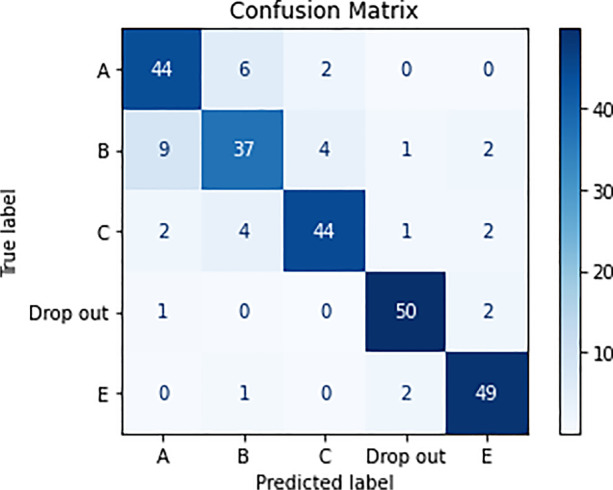
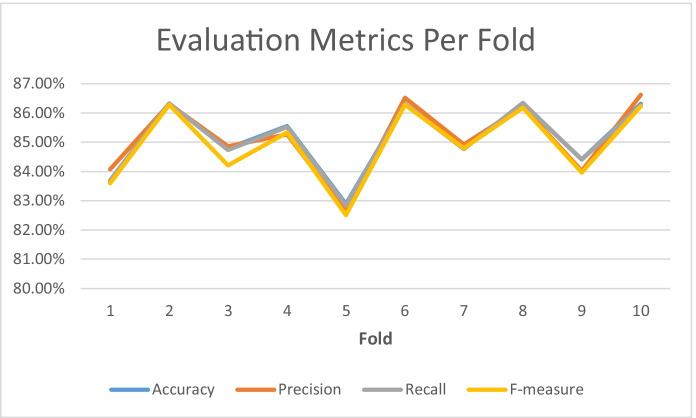
The outbreak of COVID-19 has caused significant disruption in all sectors and industries around the world. To tackle the spread of the novel coronavirus, the learning process and the modes of delivery had to be altered. Most courses are delivered traditionally with face-to-face or a blended approach through online learning platforms. In addition, researchers and educational specialists around the globe always had a keen interest in predicting a student's performance based on the student's information such as previous exam results obtained and experiences. With the upsurge in using online learning platforms, predicting the student's performance by including their interactions such as discussion forums could be integrated to create a predictive model. The aims of the research are to provide a predictive model to forecast students' performance (grade/engagement) and to analyse the effect of online learning platform's features. The model created in this study made use of machine learning techniques to predict the final grade and engagement level of a learner. The quantitative approach for student's data analysis and processing proved that the Random Forest classifier outperformed the others. An accuracy of 85% and 83% were recorded for grade and engagement prediction respectively with attributes related to student profile and interaction on a learning platform.
新冠疫情的爆发给全球所有部门和行业都带来了重大干扰。为应对新型冠状病毒的传播,学习过程和授课模式不得不做出改变。大多数课程传统上是通过面对面或通过在线学习平台采用混合式教学方法进行授课。此外,全球的研究人员和教育专家一直热衷于根据学生的信息(如以往的考试成绩和经历)来预测学生的表现。随着在线学习平台使用的激增,可以将学生在讨论论坛等互动信息纳入预测模型,从而预测学生的表现。本研究的目的是提供一个预测模型来预测学生的表现(成绩/参与度),并分析在线学习平台功能的影响。本研究创建的模型利用机器学习技术来预测学习者的最终成绩和参与度水平。对学生数据分析和处理的定量方法证明,随机森林分类器的表现优于其他方法。在与学生个人资料和学习平台上的互动相关的属性方面,成绩预测和参与度预测的准确率分别达到了85%和83%。