Department of Urology, The Third Hospital of Hebei Medical University, Shijiazhuang, China.
Aging (Albany NY). 2022 Sep 13;14(17):7170-7185. doi: 10.18632/aging.204288.
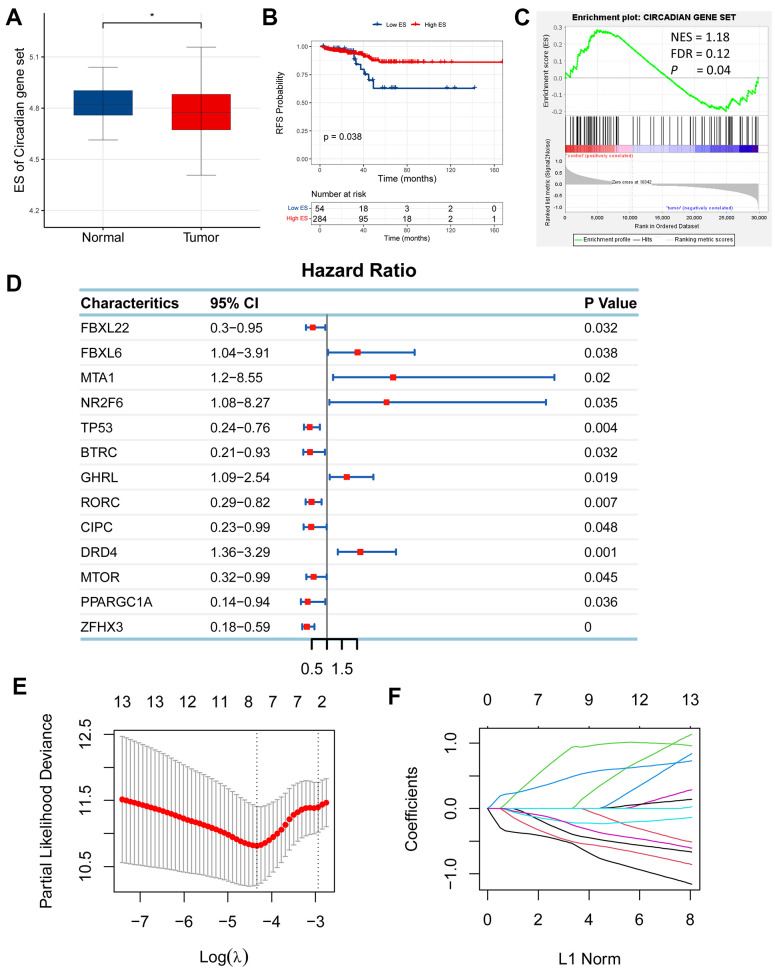
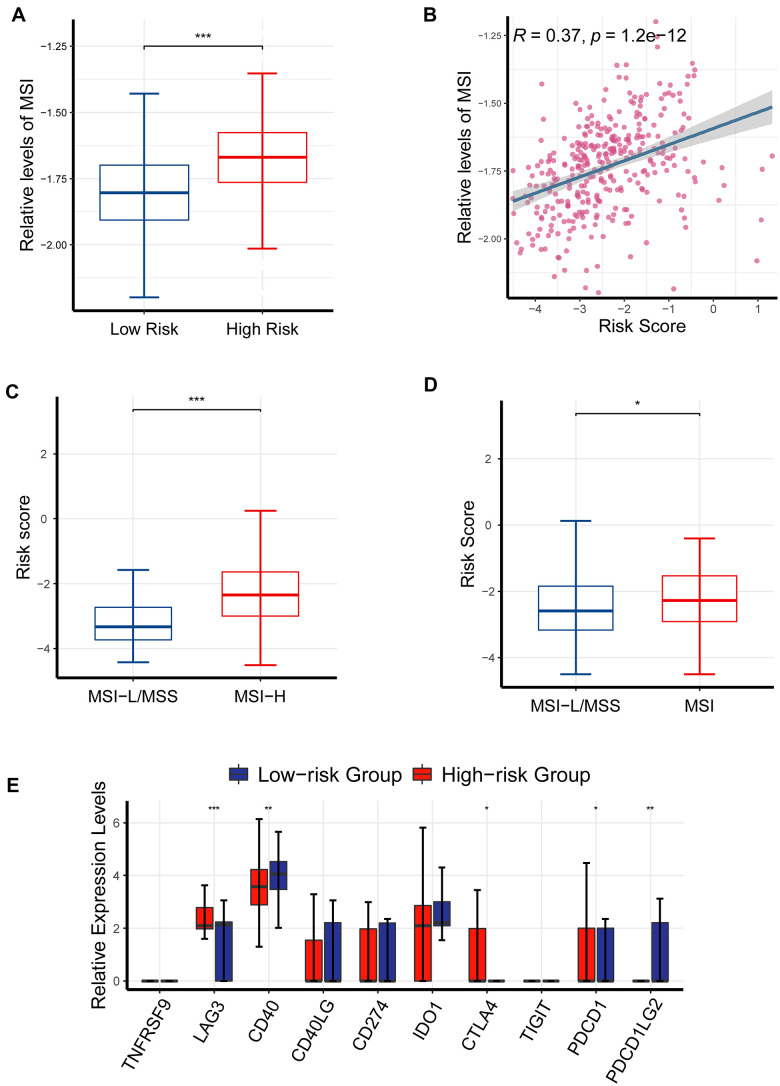
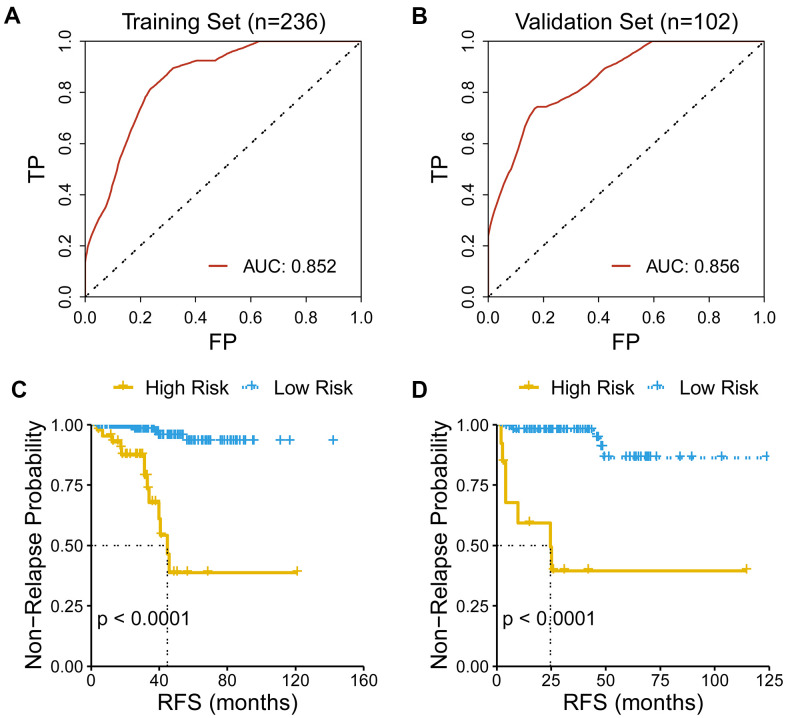
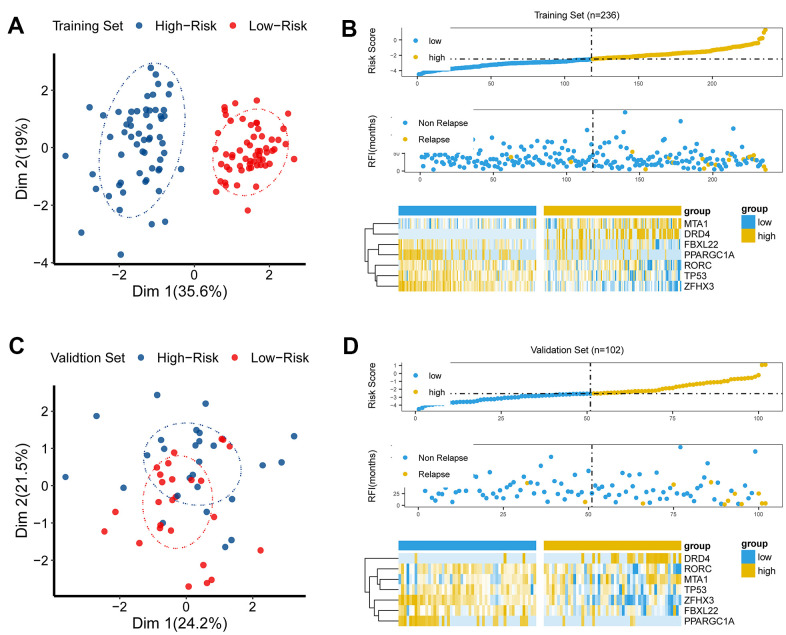
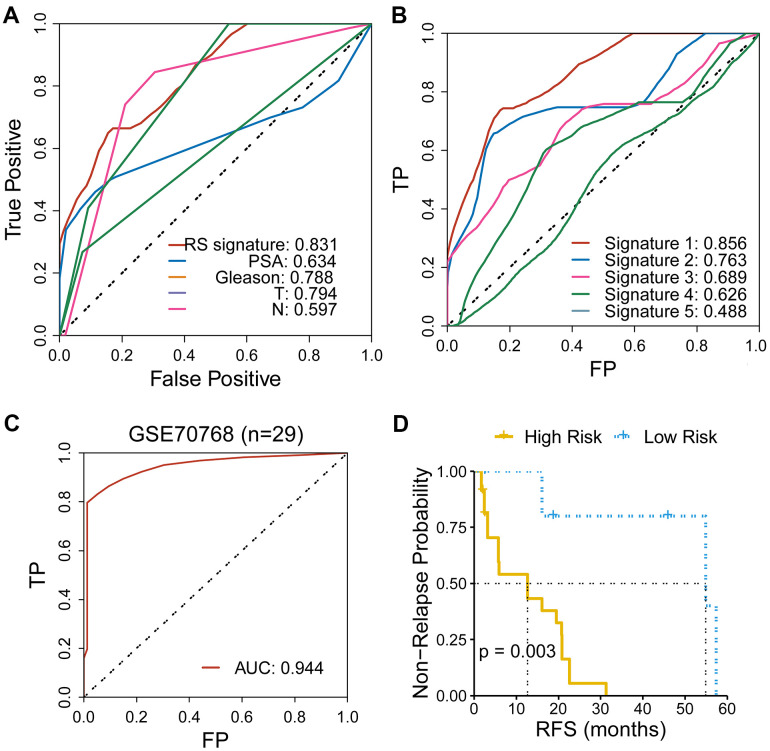
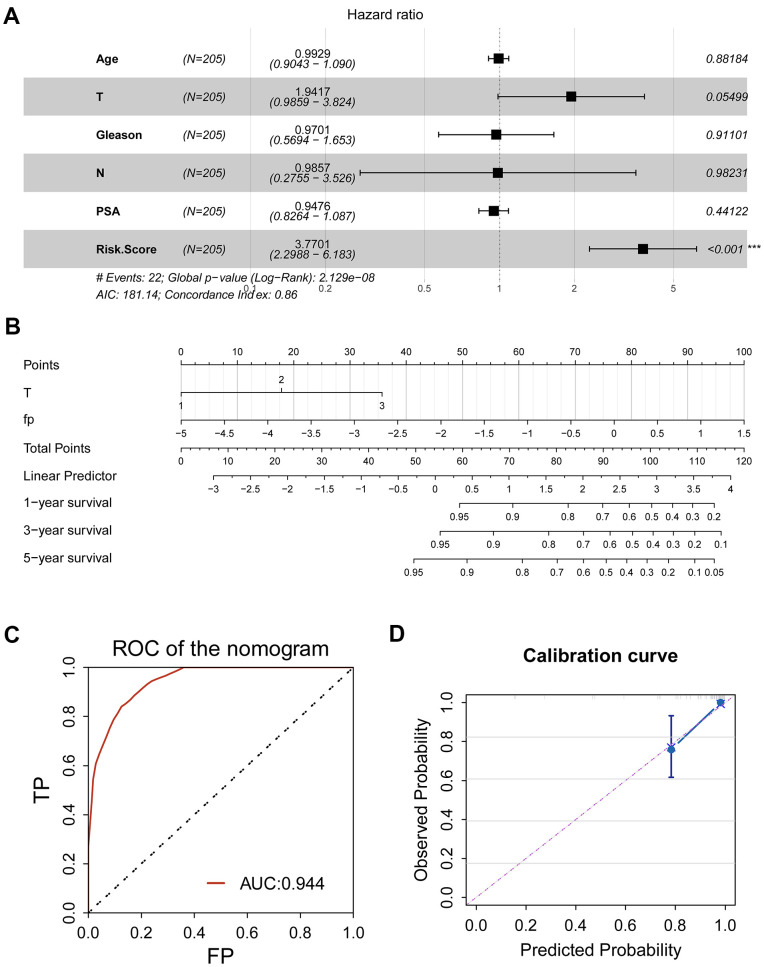
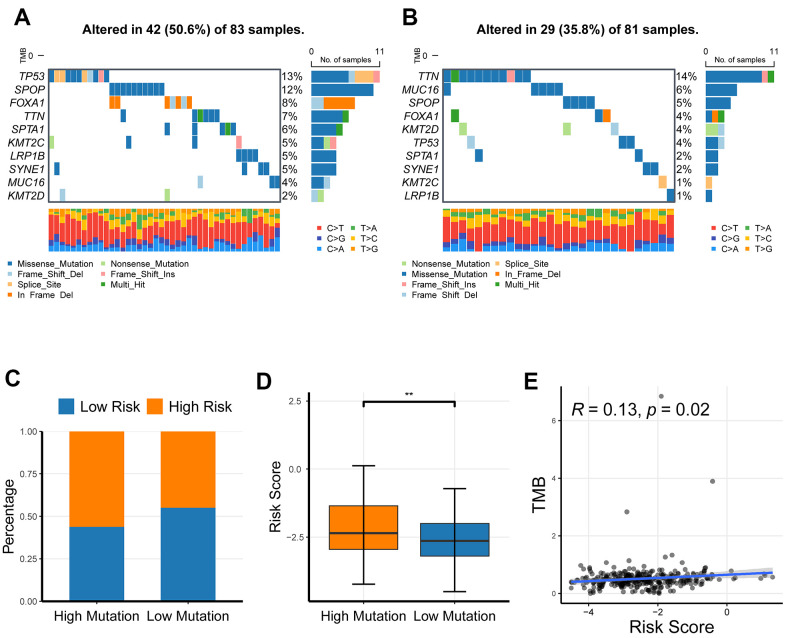
Prostate adenocarcinoma (PRAD) represents the most common male carcinoma in developed countries, its high relapse risk contributes to the second-leading cause of cancer-related deaths. Therefore, it is required to develop an effective signature for predicting the relapse risk of PRAD. To identify a circadian rhythm- (CR-) related predictive signature, we analyzed RNA-seq data of patients with prostate adenocarcinoma (PRAD) from the TCGA and GEO cohort. Seven circadian rhythm- (CR-) related genes (, , , , , , ) were eventually identified to develop a CR-related signature. AUCs for 3-year overall survival were 0.852, 0.856 and 0.944 in the training set, validation set and an external independent test set (GSE70768), respectively. Kaplan-Meier curve analysis showed that the high-risk group has a reduced relapse-free survival (RFS) than the low-risk group in the training set, validation set, and test set, respectively ( < 0.05). We constructed a prognostic nomogram combining the CR-related signature with T staging to precisely estimate relapse risk of PRAD patients. Finally, we observed that the CR-related gene signature was associated with tumor mutation burden, multiple immune checkpoint molecules and microsatellite instability, and thus could predict response to immune checkpoint inhibitors in PRAD. Conclusively, we developed a circadian rhythm-related gene signature for predicting RFS and immunotherapy efficacy in prostate adenocarcinoma.
前列腺腺癌(PRAD)代表了发达国家男性最常见的癌种,其高复发风险是导致癌症相关死亡的第二大主要原因。因此,有必要开发一种有效的标志物来预测 PRAD 的复发风险。为了鉴定与昼夜节律(CR)相关的预测性标志物,我们分析了 TCGA 和 GEO 队列中前列腺腺癌(PRAD)患者的 RNA-seq 数据。最终确定了 7 个与昼夜节律(CR)相关的基因(,,,,,, )来构建 CR 相关标志物。在训练集、验证集和外部独立测试集(GSE70768)中,3 年总生存期的 AUC 分别为 0.852、0.856 和 0.944。Kaplan-Meier 曲线分析表明,在训练集、验证集和测试集中,高风险组的无复发生存率(RFS)均低于低风险组(<0.05)。我们构建了一个包含 CR 相关标志物和 T 分期的预后列线图,以更精确地估计 PRAD 患者的复发风险。最后,我们观察到 CR 相关基因标志物与肿瘤突变负担、多种免疫检查点分子和微卫星不稳定性相关,因此可以预测 PRAD 患者对免疫检查点抑制剂的反应。总之,我们开发了一个与昼夜节律相关的基因标志物,用于预测前列腺腺癌的 RFS 和免疫治疗疗效。