Universidad Francisco de Vitoria, Faculty of Health Sciences, Exercise and Sport Sciences, Pozuelo de Alarcón, Madrid, Spain.
VIVO Labs, Alcobendas, Madrid, Spain.
PLoS One. 2022 Sep 16;17(9):e0274880. doi: 10.1371/journal.pone.0274880. eCollection 2022.
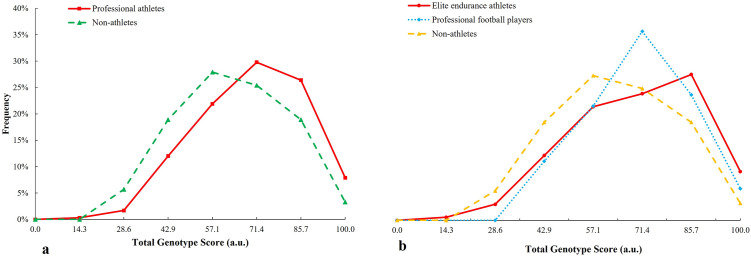
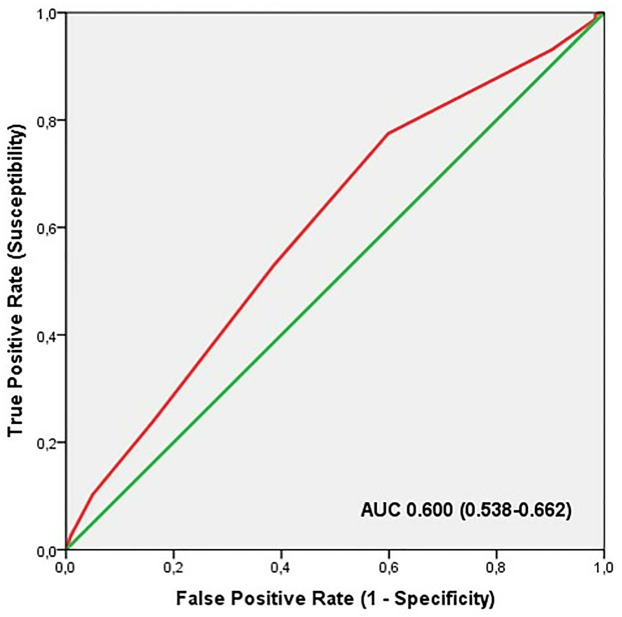
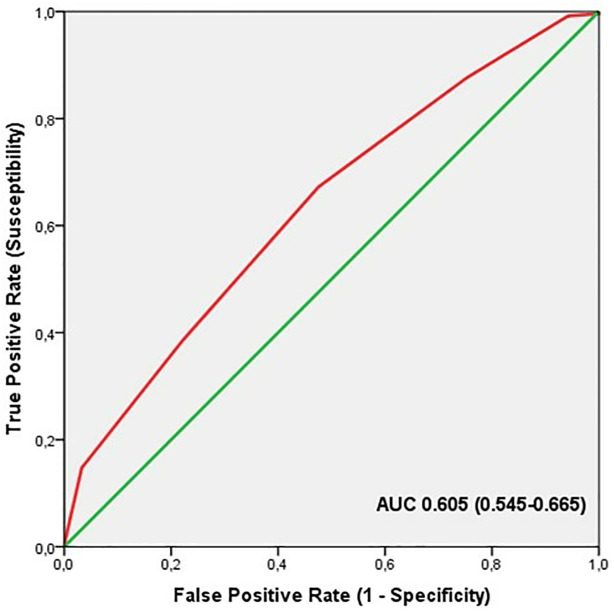
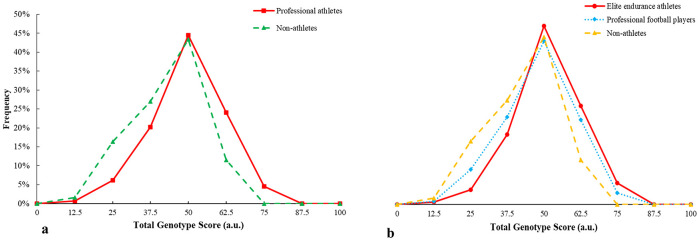
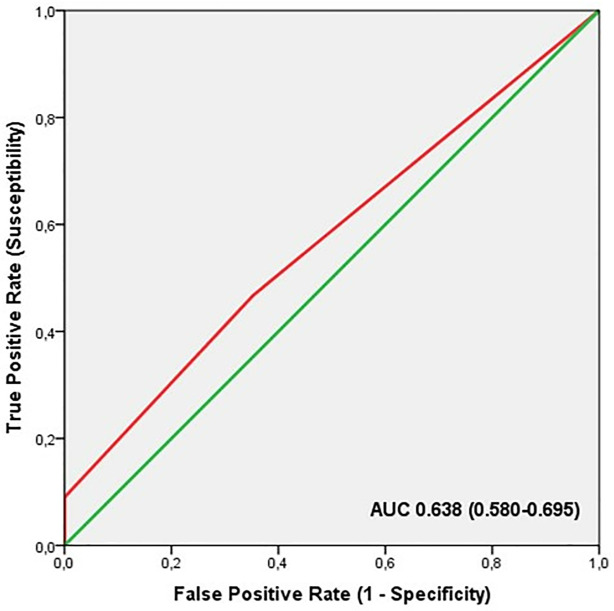
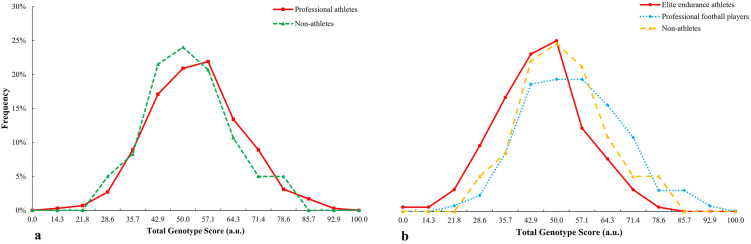
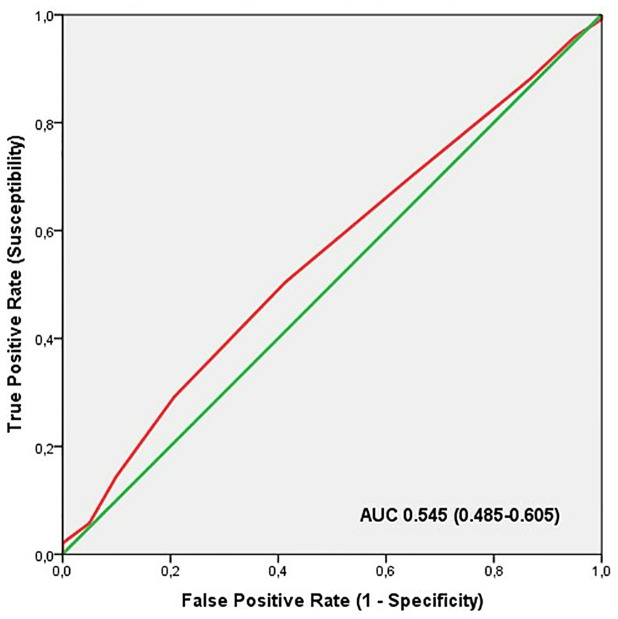
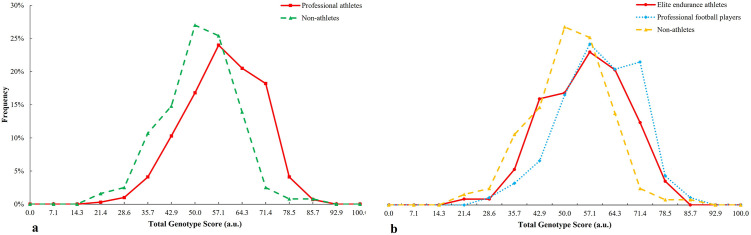
The genetic profile that is needed to identify talents has been studied extensively in recent years. The main objective of this investigation was to approach, for the first time, the study of genetic variants in several polygenic profiles and their role in elite endurance and professional football performance by comparing the allelic and genotypic frequencies to the non-athlete population. In this study, genotypic and allelic frequencies were determined in 452 subjects: 292 professional athletes (160 elite endurance athletes and 132 professional football players) and 160 non-athlete subjects. Genotyping of polymorphisms in liver metabolisers (CYP2D6, GSTM1, GSTP and GSTT), iron metabolism and energy efficiency (HFE, AMPD1 and PGC1a), cardiorespiratory fitness (ACE, NOS3, ADRA2A, ADRB2 and BDKRB2) and muscle injuries (ACE, ACTN3, AMPD1, CKM and MLCK) was performed by Polymerase Chain Reaction-Single Nucleotide Primer Extension (PCR-SNPE). The combination of the polymorphisms for the "optimal" polygenic profile was quantified using the genotype score (GS) and total genotype score (TGS). Statistical differences were found in the genetic distributions between professional athletes and the non-athlete population in liver metabolism, iron metabolism and energy efficiency, and muscle injuries (p<0.001). The binary logistic regression model showed a favourable OR (odds ratio) of being a professional athlete against a non-athlete in liver metabolism (OR: 1.96; 95% CI: 1.28-3.01; p = 0.002), iron metabolism and energy efficiency (OR: 2.21; 95% CI: 1.42-3.43; p < 0.001), and muscle injuries (OR: 2.70; 95% CI: 1.75-4.16; p < 0.001) in the polymorphisms studied. Genetic distribution in professional athletes as regards endurance (professional cyclists and elite runners) and professional football players shows genetic selection in these sports disciplines.
近年来,人们广泛研究了确定人才所需的遗传特征。本研究的主要目的是首次通过比较运动员和非运动员群体的等位基因和基因型频率,探讨多个多基因特征中的遗传变异及其在精英耐力和职业足球表现中的作用。在这项研究中,对 452 名受试者进行了基因分型和等位基因频率测定:292 名职业运动员(160 名精英耐力运动员和 132 名职业足球运动员)和 160 名非运动员受试者。通过聚合酶链反应-单核苷酸引物延伸(PCR-SNPE)对肝代谢物(CYP2D6、GSTM1、GSTP 和 GSTT)、铁代谢和能量效率(HFE、AMPD1 和 PGC1a)、心肺适能(ACE、NOS3、ADRA2A、ADRB2 和 BDKRB2)和肌肉损伤(ACE、ACTN3、AMPD1、CKM 和 MLCK)的多态性进行基因分型。使用基因型评分(GS)和总基因型评分(TGS)对“最佳”多基因特征的多态性组合进行量化。在肝代谢、铁代谢和能量效率以及肌肉损伤方面,职业运动员和非运动员群体的遗传分布存在统计学差异(p<0.001)。二项逻辑回归模型显示,与非运动员相比,肝代谢(OR:1.96;95%CI:1.28-3.01;p=0.002)、铁代谢和能量效率(OR:2.21;95%CI:1.42-3.43;p<0.001)以及肌肉损伤(OR:2.70;95%CI:1.75-4.16;p<0.001)的职业运动员具有有利的比值比(OR)。研究中多态性的职业运动员在耐力(职业自行车手和精英跑步者)和职业足球运动员方面的遗传分布表明,这些运动项目存在遗传选择。