Cui Lele, Li Hao, Xi Yufeng, Hu Qianli, Liu Huimin, Fan Jiaqi, Xiang Yijuan, Zhang Xing, Shui Weiwei, Lai Ying
National Clinical Research Center for Geriatrics, State Key Laboratory of Biotherapy and Collaborative Innovation Center of Biotherapy, West China Hospital, Sichuan University, Chengdu, China.
Mol Biomed. 2022 Sep 21;3(1):29. doi: 10.1186/s43556-022-00090-3.
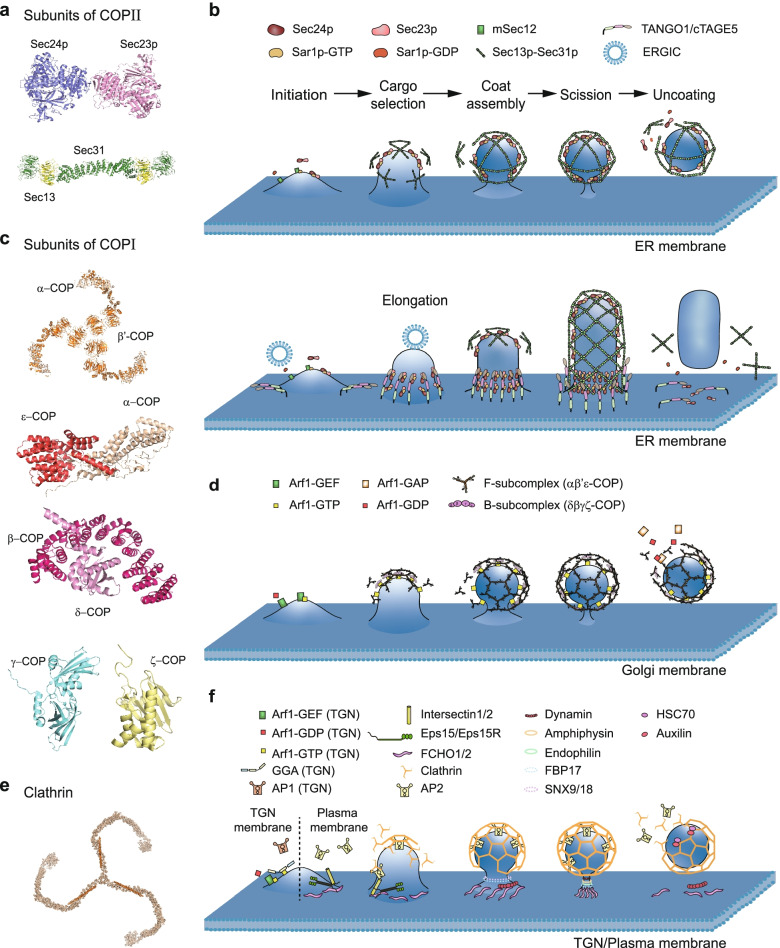
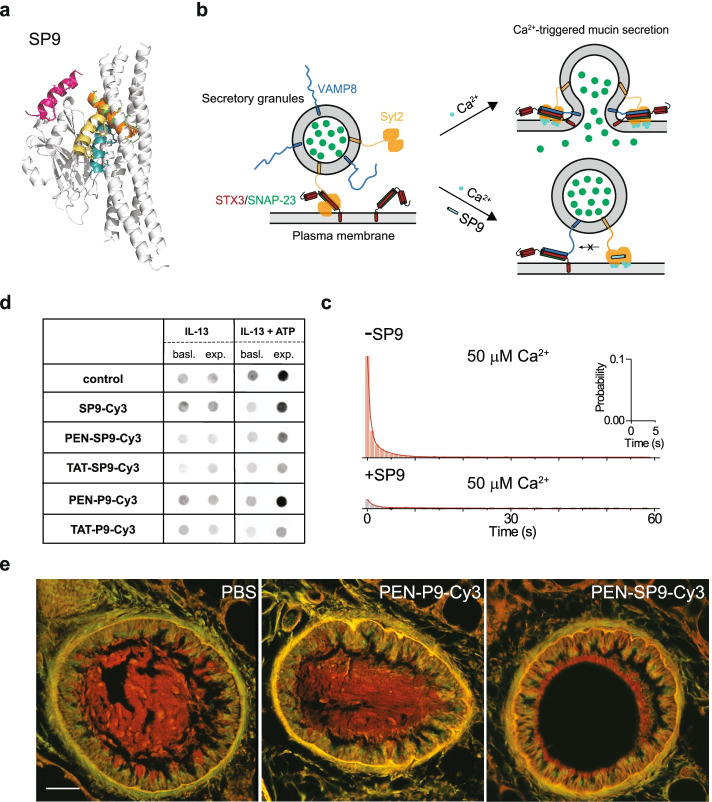
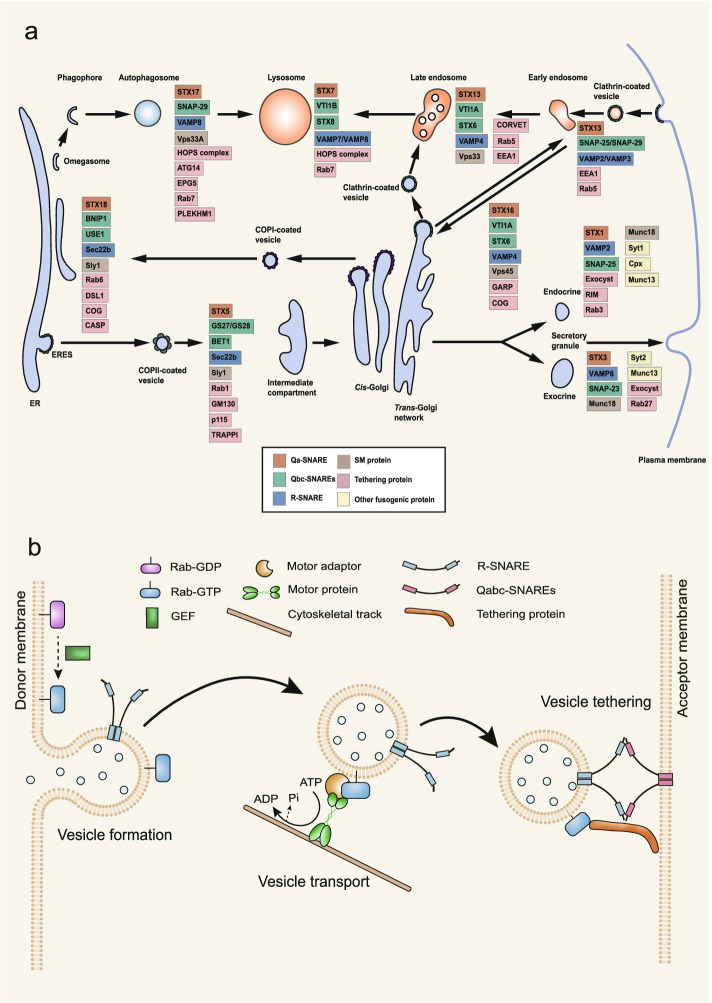
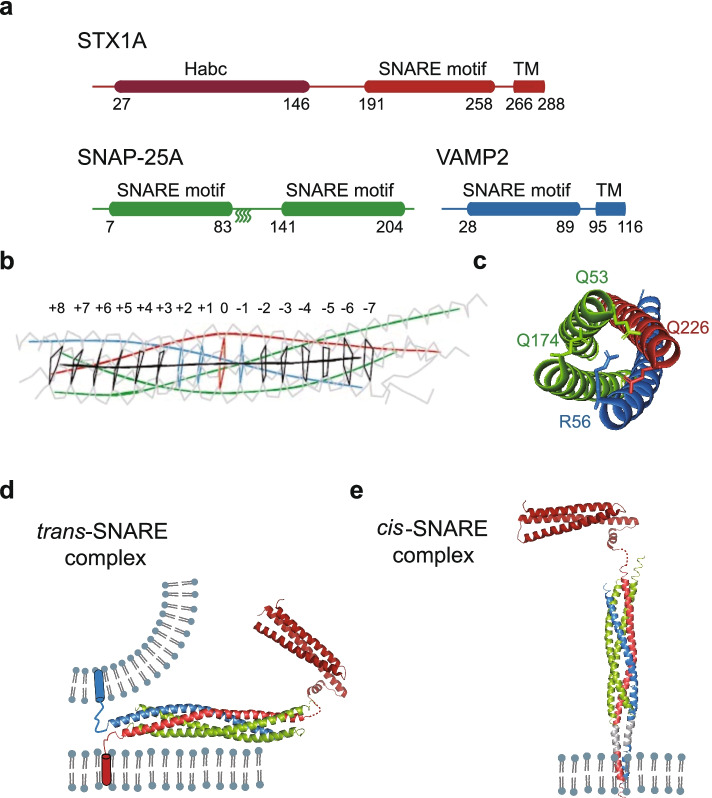
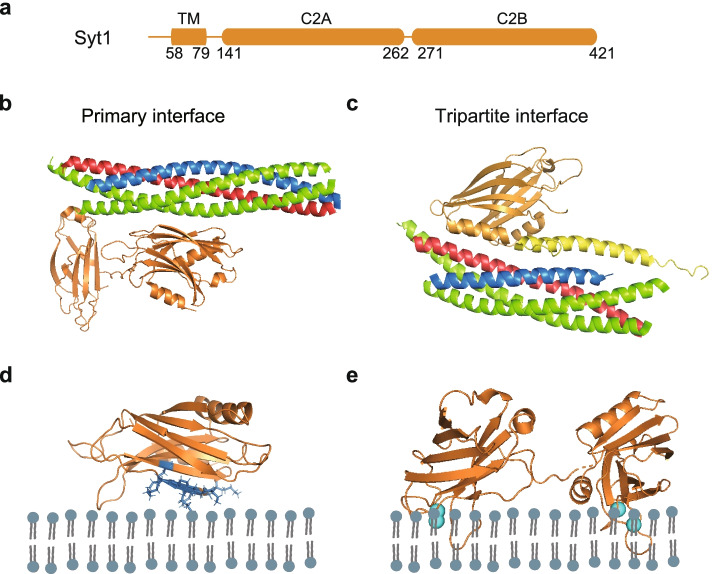
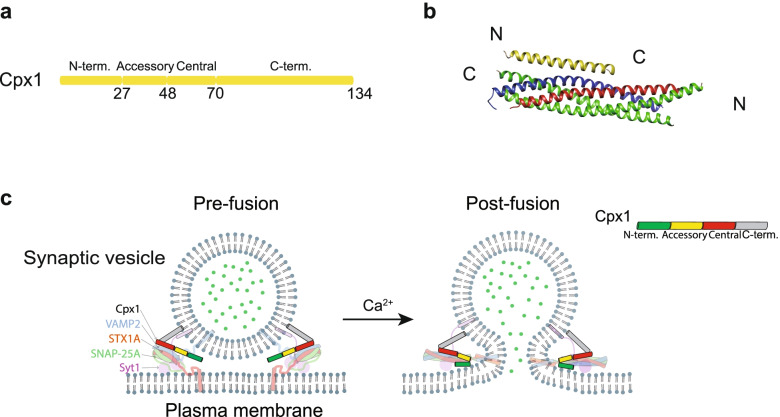
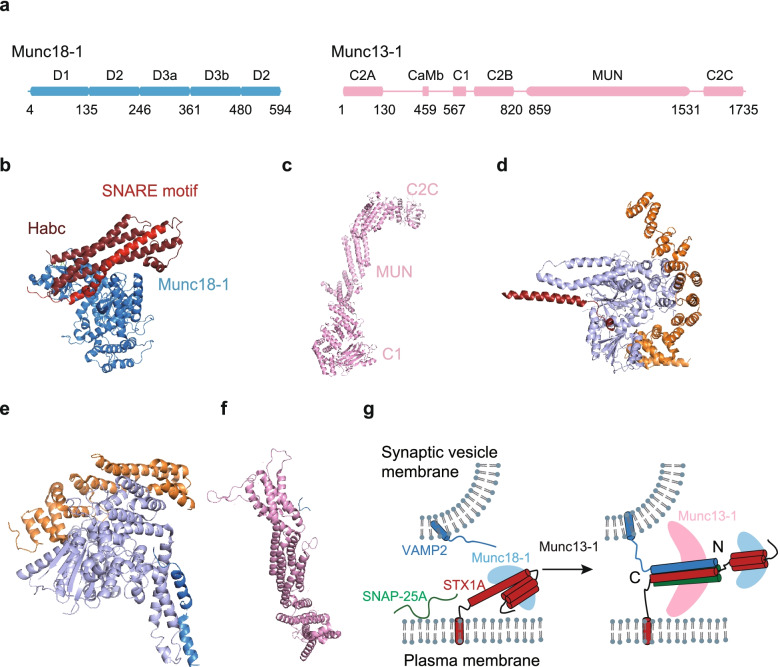
Intracellular vesicle trafficking is the fundamental process to maintain the homeostasis of membrane-enclosed organelles in eukaryotic cells. These organelles transport cargo from the donor membrane to the target membrane through the cargo containing vesicles. Vesicle trafficking pathway includes vesicle formation from the donor membrane, vesicle transport, and vesicle fusion with the target membrane. Coat protein mediated vesicle formation is a delicate membrane budding process for cargo molecules selection and package into vesicle carriers. Vesicle transport is a dynamic and specific process for the cargo containing vesicles translocation from the donor membrane to the target membrane. This process requires a group of conserved proteins such as Rab GTPases, motor adaptors, and motor proteins to ensure vesicle transport along cytoskeletal track. Soluble N-ethyl-maleimide-sensitive factor (NSF) attachment protein receptors (SNARE)-mediated vesicle fusion is the final process for vesicle unloading the cargo molecules at the target membrane. To ensure vesicle fusion occurring at a defined position and time pattern in eukaryotic cell, multiple fusogenic proteins, such as synaptotagmin (Syt), complexin (Cpx), Munc13, Munc18 and other tethering factors, cooperate together to precisely regulate the process of vesicle fusion. Dysfunctions of the fusogenic proteins in SNARE-mediated vesicle fusion are closely related to many diseases. Recent studies have suggested that stimulated membrane fusion can be manipulated pharmacologically via disruption the interface between the SNARE complex and Ca sensor protein. Here, we summarize recent insights into the molecular mechanisms of vesicle trafficking, and implications for the development of new therapeutics based on the manipulation of vesicle fusion.
细胞内囊泡运输是维持真核细胞中膜封闭细胞器稳态的基本过程。这些细胞器通过载有货物的囊泡将货物从供体膜运输到靶膜。囊泡运输途径包括从供体膜形成囊泡、囊泡运输以及囊泡与靶膜融合。衣被蛋白介导的囊泡形成是一个精细的膜出芽过程,用于选择货物分子并将其包装到囊泡载体中。囊泡运输是一个动态且特定的过程,即载有货物的囊泡从供体膜转运到靶膜。这个过程需要一组保守的蛋白质,如Rab GTP酶、动力适配器和动力蛋白,以确保囊泡沿着细胞骨架轨道运输。可溶性N - 乙基 - 马来酰亚胺敏感因子(NSF)附着蛋白受体(SNARE)介导的囊泡融合是囊泡在靶膜卸载货物分子的最后过程。为确保囊泡融合在真核细胞中以特定的位置和时间模式发生,多种促融合蛋白,如突触结合蛋白(Syt)、结合蛋白(Cpx)、Munc13、Munc18和其他拴系因子,共同协作精确调节囊泡融合过程。SNARE介导的囊泡融合中促融合蛋白的功能障碍与许多疾病密切相关。最近的研究表明,通过破坏SNARE复合体与钙传感器蛋白之间的界面,可以从药理学上操纵刺激的膜融合。在此,我们总结了关于囊泡运输分子机制的最新见解,以及基于操纵囊泡融合开发新疗法的意义。