
利用生物行为数据、循环神经网络和机器学习技术预测津巴布韦布拉瓦约和哈拉雷男男性行为者的艾滋病毒感染状况。
Predicting HIV Status among Men Who Have Sex with Men in Bulawayo & Harare, Zimbabwe Using Bio-Behavioural Data, Recurrent Neural Networks, and Machine Learning Techniques.
作者信息
Chingombe Innocent, Dzinamarira Tafadzwa, Cuadros Diego, Mapingure Munyaradzi Paul, Mbunge Elliot, Chaputsira Simbarashe, Madziva Roda, Chiurunge Panashe, Samba Chesterfield, Herrera Helena, Murewanhema Grant, Mugurungi Owen, Musuka Godfrey
机构信息
Graduate Business School, Chinhoyi University of Technology, Chinhoyi, Zimbabwe.
ICAP, Columbia University, Harare, Zimbabwe.
出版信息
Trop Med Infect Dis. 2022 Sep 5;7(9):231. doi: 10.3390/tropicalmed7090231.
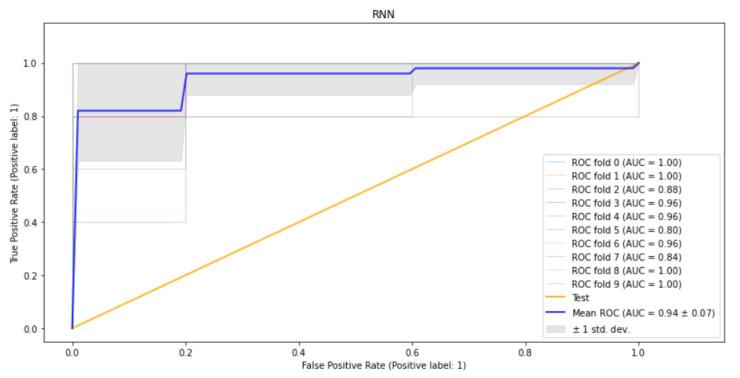
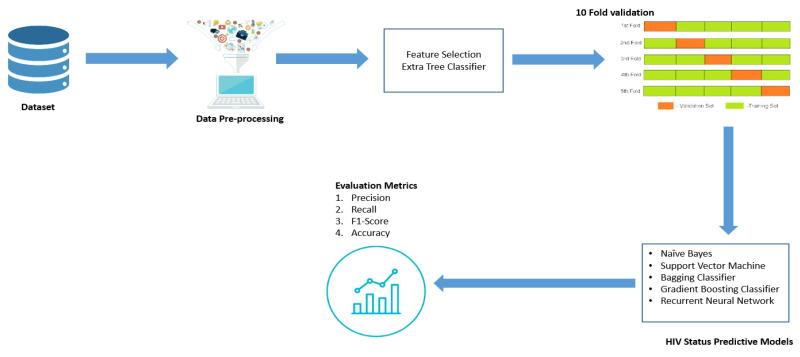
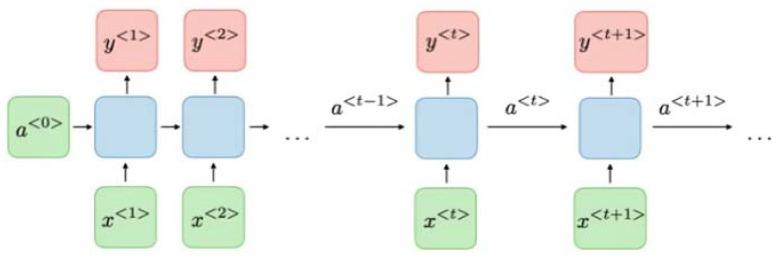
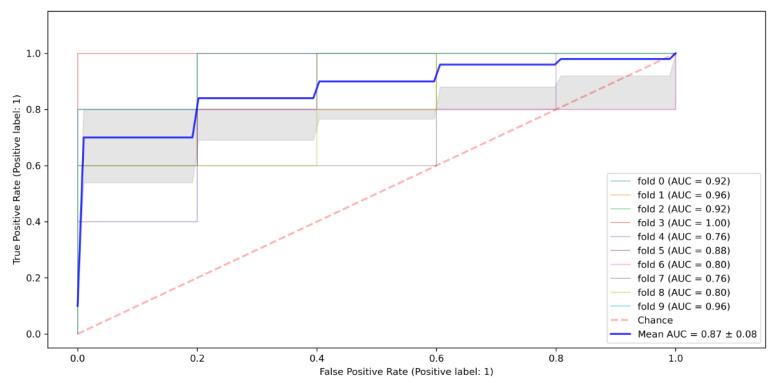
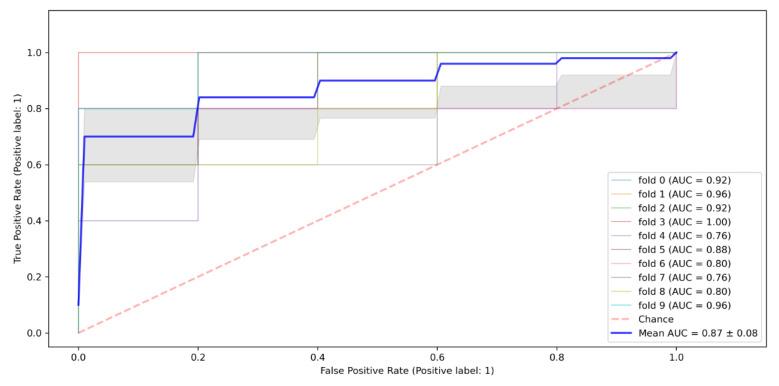
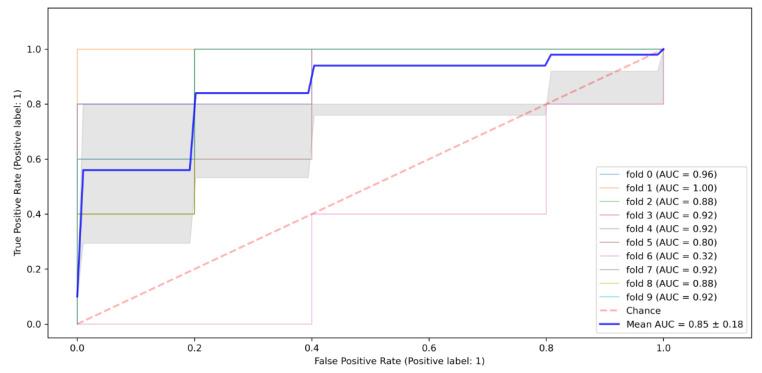
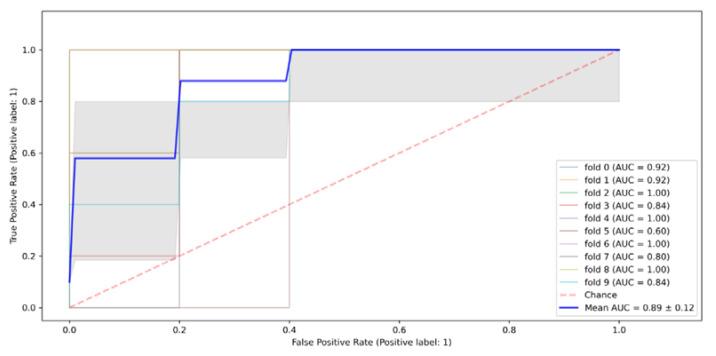
HIV and AIDS continue to be major public health concerns globally. Despite significant progress in addressing their impact on the general population and achieving epidemic control, there is a need to improve HIV testing, particularly among men who have sex with men (MSM). This study applied deep and machine learning algorithms such as recurrent neural networks (RNNs), the bagging classifier, gradient boosting classifier, support vector machines, and Naïve Bayes classifier to predict HIV status among MSM using the dataset from the Zimbabwe Ministry of Health and Child Care. RNNs performed better than the bagging classifier, gradient boosting classifier, support vector machines, and Gaussian Naïve Bayes classifier in predicting HIV status. RNNs recorded a high prediction accuracy of 0.98 as compared to the Gaussian Naïve Bayes classifier (0.84), bagging classifier (0.91), support vector machine (0.91), and gradient boosting classifier (0.91). In addition, RNNs achieved a high precision of 0.98 for predicting both HIV-positive and -negative cases, a recall of 1.00 for HIV-negative cases and 0.94 for HIV-positive cases, and an F1-score of 0.99 for HIV-negative cases and 0.96 for positive cases. HIV status prediction models can significantly improve early HIV screening and assist healthcare professionals in effectively providing healthcare services to the MSM community. The results show that integrating HIV status prediction models into clinical software systems can complement indicator condition-guided HIV testing strategies and identify individuals that may require healthcare services, particularly for hard-to-reach vulnerable populations like MSM. Future studies are necessary to optimize machine learning models further to integrate them into primary care. The significance of this manuscript is that it presents results from a study population where very little information is available in Zimbabwe due to the criminalization of MSM activities in the country. For this reason, MSM tends to be a hidden sector of the population, frequently harassed and arrested. In almost all communities in Zimbabwe, MSM issues have remained taboo, and stigma exists in all sectors of society.
艾滋病毒和艾滋病仍然是全球主要的公共卫生问题。尽管在应对其对普通人群的影响以及实现疫情控制方面取得了重大进展,但仍有必要改进艾滋病毒检测,特别是在男男性行为者(MSM)中。本研究应用了深度和机器学习算法,如递归神经网络(RNN)、装袋分类器、梯度提升分类器、支持向量机和朴素贝叶斯分类器,使用津巴布韦卫生和儿童保健部的数据集来预测男男性行为者的艾滋病毒感染状况。在预测艾滋病毒感染状况方面,RNN的表现优于装袋分类器、梯度提升分类器、支持向量机和高斯朴素贝叶斯分类器。与高斯朴素贝叶斯分类器(0.84)、装袋分类器(0.91)、支持向量机(0.91)和梯度提升分类器(0.91)相比,RNN的预测准确率高达0.98。此外,RNN在预测艾滋病毒阳性和阴性病例方面的精度均为0.98,艾滋病毒阴性病例的召回率为1.00,艾滋病毒阳性病例的召回率为0.94,艾滋病毒阴性病例的F1分数为0.99,阳性病例的F1分数为0.96。艾滋病毒感染状况预测模型可以显著改善艾滋病毒早期筛查,并帮助医疗保健专业人员有效地为男男性行为者群体提供医疗服务。结果表明,将艾滋病毒感染状况预测模型集成到临床软件系统中,可以补充基于指标条件的艾滋病毒检测策略,并识别可能需要医疗服务的个体,特别是对于像男男性行为者这样难以接触到的弱势群体。未来有必要进一步优化机器学习模型,以便将其集成到初级保健中。本手稿的意义在于,它展示了来自一个研究人群的结果,由于该国将男男性行为定为犯罪,在津巴布韦几乎没有关于该人群的可用信息。因此,男男性行为者往往是人口中的一个隐蔽群体,经常受到骚扰和逮捕。在津巴布韦几乎所有社区,男男性行为者问题仍然是禁忌,社会各阶层都存在耻辱感。
 Zotero 插件