Safi Diomaris, Barreto Abrams Jesús, Rios Melissa, Rodés Elisenda, Díaz-Santos Mirella, Suárez Paola
Department of Psychiatry and Behavioral Sciences, UCLA Hispanic Neuropsychiatric Center of Excellence, 760 Westwood Plaza, C8-238, Los Angeles, CA 90095, USA.
California School of Professional Psychology, Alliant International University, Alhambra, CA 91803, USA.
Geriatrics (Basel). 2022 Sep 6;7(5):93. doi: 10.3390/geriatrics7050093.
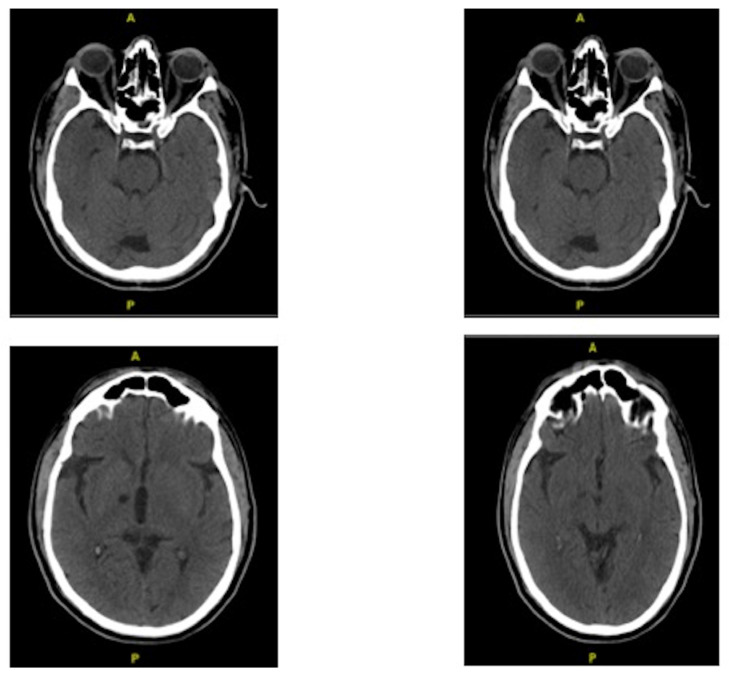
Multimorbidity-the coexistence of multiple chronic conditions within an individual-is the new normal in hospital settings. Individuals with higher levels of multimorbidity require a multidisciplinary and holistic approach to meet their needs, though the complexity of their neurocognitive profiles is still poorly researched. This study reported on the neurocognitive profile of a 69-year-old, left-handed, Latino cisgender male with 10 years of education. He was deemed to have a short-term mortality in 2018, yet is still enjoying a good quality of life in 2022. This case report illustrated (a) a rather common neurocognitive profile of a patient with complex multimorbidity, (b) the advantages of being served in a center of excellence with linguistically and culturally appropriate services that evaluate patients' cognitive functioning and inform and provide continuity of care, and (c) the benefits of a holistic and multidisciplinary approach to the care of the multimorbidity population.
多重疾病——个体内多种慢性病共存——是医院环境中的新常态。多重疾病程度较高的个体需要多学科和整体方法来满足其需求,尽管他们神经认知特征的复杂性仍研究不足。本研究报告了一名69岁、左利手、拉丁裔顺性别男性的神经认知特征,其受教育年限为10年。他在2018年被判定有短期死亡风险,但在2022年仍享有良好生活质量。本病例报告说明了:(a)患有复杂多重疾病患者相当常见的神经认知特征;(b)在具备语言和文化适宜服务的卓越中心接受服务的优势,这些服务可评估患者的认知功能并提供护理信息及连续性护理;(c)对多重疾病人群采用整体和多学科护理方法的益处。