Spunde Karina, Korotkaja Ksenija, Zajakina Anna
Cancer Gene Therapy Group, Latvian Biomedical Research and Study Centre, Ratsupites Str. 1, k.1, LV-1067 Riga, Latvia.
Biomedicines. 2022 Aug 31;10(9):2142. doi: 10.3390/biomedicines10092142.
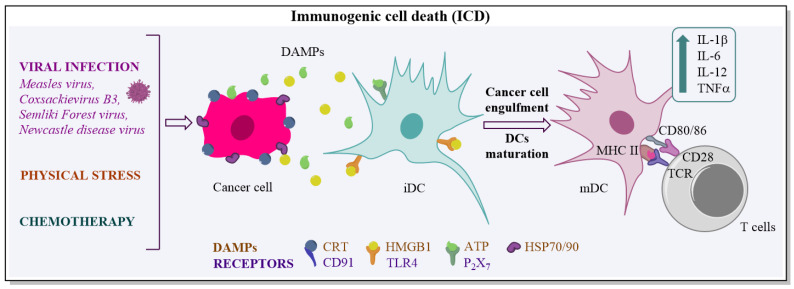
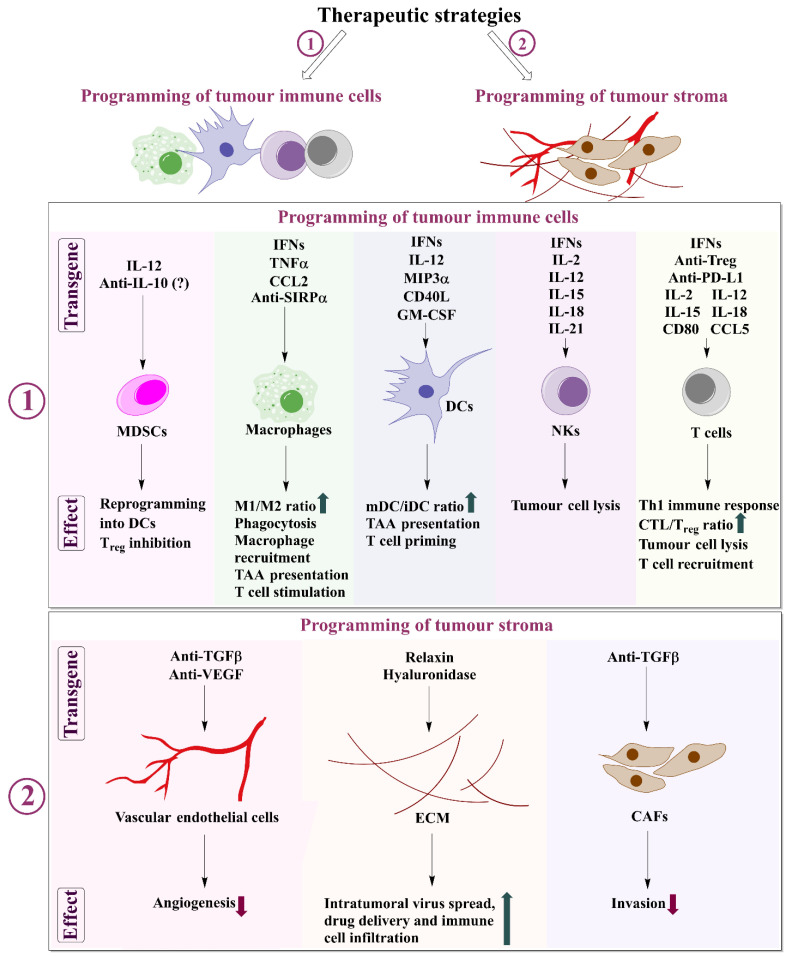
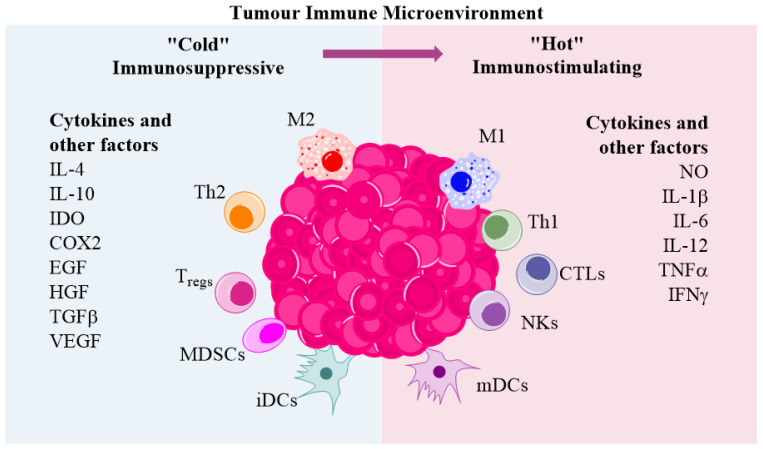
Viral vectors have been widely investigated as tools for cancer immunotherapy. Although many preclinical studies demonstrate significant virus-mediated tumour inhibition in synergy with immune checkpoint molecules and other drugs, the clinical success of viral vector applications in cancer therapy currently is limited. A number of challenges have to be solved to translate promising vectors to clinics. One of the key elements of successful virus-based cancer immunotherapy is the understanding of the tumour immune state and the development of vectors to modify the immunosuppressive tumour microenvironment (TME). Tumour-associated immune cells, as the main component of TME, support tumour progression through multiple pathways inducing resistance to treatment and promoting cancer cell escape mechanisms. In this review, we consider DNA and RNA virus vectors delivering immunomodulatory genes (cytokines, chemokines, co-stimulatory molecules, antibodies, etc.) and discuss how these viruses break an immunosuppressive cell development and switch TME to an immune-responsive "hot" state. We highlight the advantages and limitations of virus vectors for targeted therapeutic programming of tumour immune cell populations and tumour stroma, and propose future steps to establish viral vectors as a standard, efficient, safe, and non-toxic cancer immunotherapy approach that can complement other promising treatment strategies, e.g., checkpoint inhibitors, CAR-T, and advanced chemotherapeutics.
病毒载体已被广泛研究作为癌症免疫治疗的工具。尽管许多临床前研究表明,病毒与免疫检查点分子及其他药物协同作用可显著抑制肿瘤,但目前病毒载体在癌症治疗中的临床应用成功案例有限。要将有前景的载体转化为临床应用,还需解决诸多挑战。基于病毒的癌症免疫治疗成功的关键要素之一是了解肿瘤免疫状态,并开发能够改变免疫抑制性肿瘤微环境(TME)的载体。肿瘤相关免疫细胞作为TME的主要组成部分,通过多种途径支持肿瘤进展,诱导对治疗的抗性并促进癌细胞逃逸机制。在本综述中,我们考虑递送免疫调节基因(细胞因子、趋化因子、共刺激分子、抗体等)的DNA和RNA病毒载体,并讨论这些病毒如何打破免疫抑制性细胞发育,将TME转变为免疫反应性的“热”状态。我们强调病毒载体在肿瘤免疫细胞群体和肿瘤基质靶向治疗编程方面的优势和局限性,并提出未来步骤,以确立病毒载体作为一种标准、高效、安全且无毒的癌症免疫治疗方法,可补充其他有前景的治疗策略,如检查点抑制剂、嵌合抗原受体T细胞(CAR-T)和先进的化疗药物。