Cho Jin Gu, Kim Sung-Wook, Lee Aram, Jeong Ha-Neul, Yun Eunsik, Choi Jihea, Jeong Su Jin, Chang Woochul, Oh Sumin, Yoo Kyung Hyun, Lee Jung Bok, Yoon Sukjoon, Lee Myeong-Sok, Park Jong Hoon, Jung Min Hyung, Kim So-Woon, Kim Ki Hyung, Suh Dong Soo, Choi Kyung Un, Choi Jungmin, Kim Jongmin, Kwon Byung Su
Division of Biological Sciences, Sookmyung Women's University, Seoul 04310, Korea.
Research Institute for Women's Health, Sookmyung Women's University, Seoul 04310, Korea.
Mol Ther Nucleic Acids. 2022 Aug 24;29:803-822. doi: 10.1016/j.omtn.2022.08.028. eCollection 2022 Sep 13.
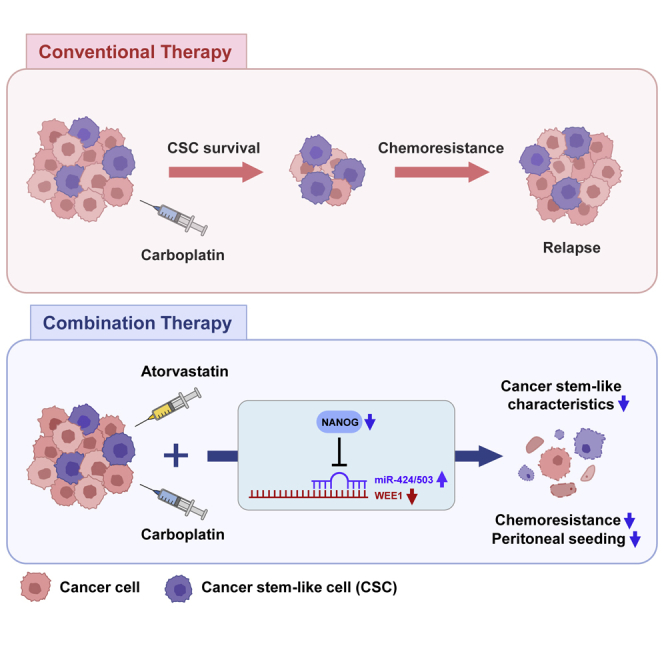
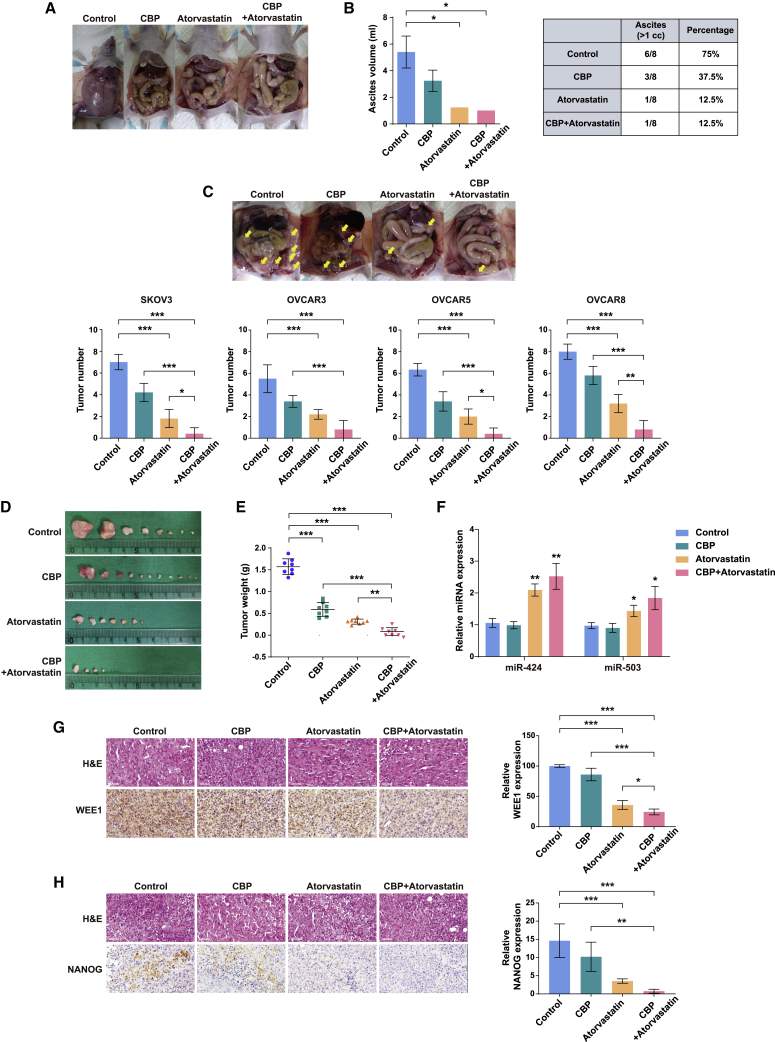
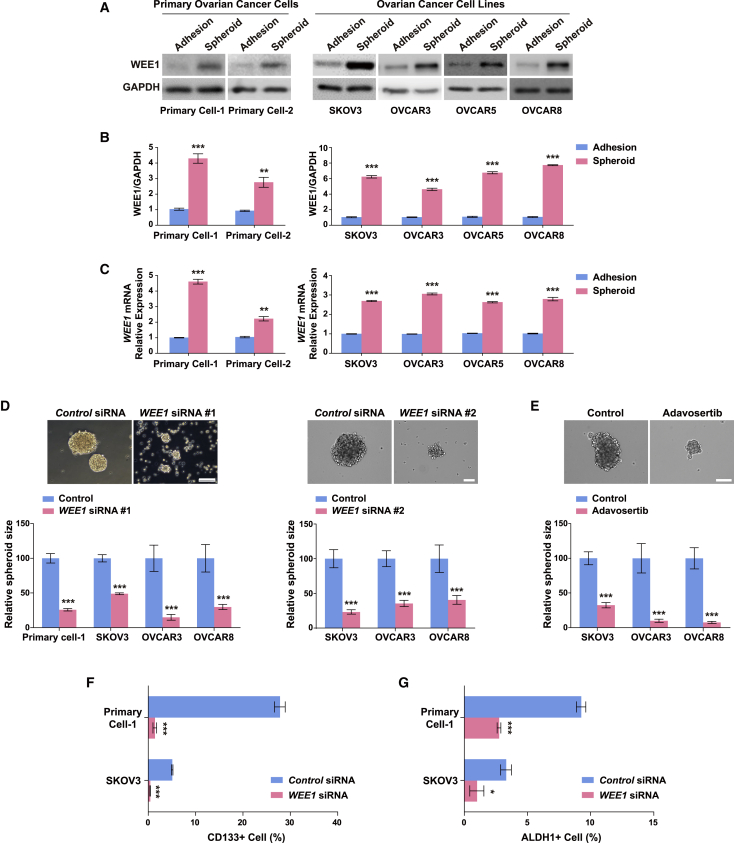
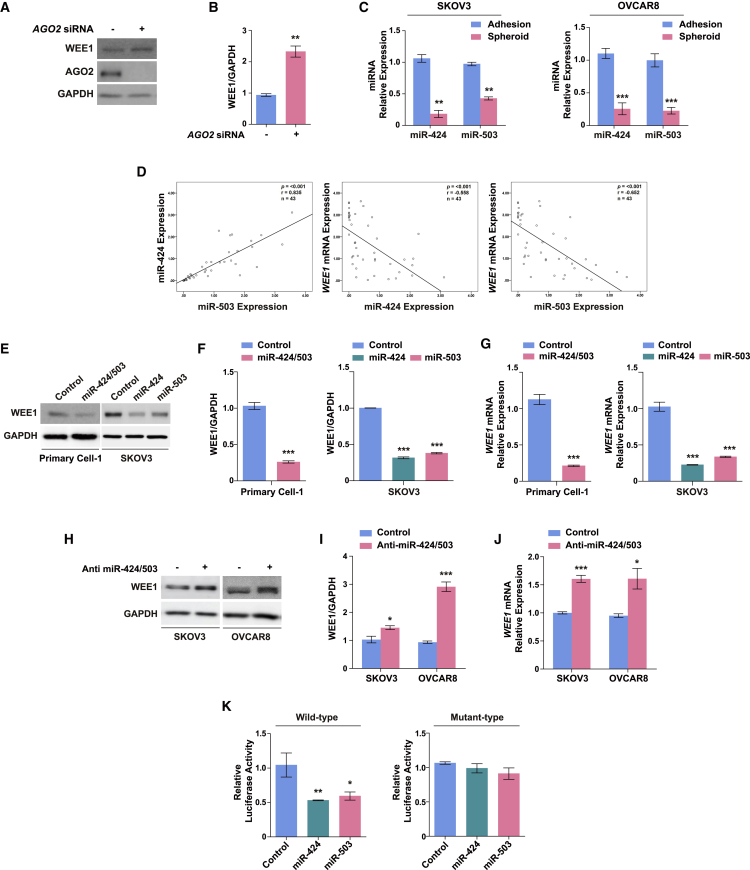
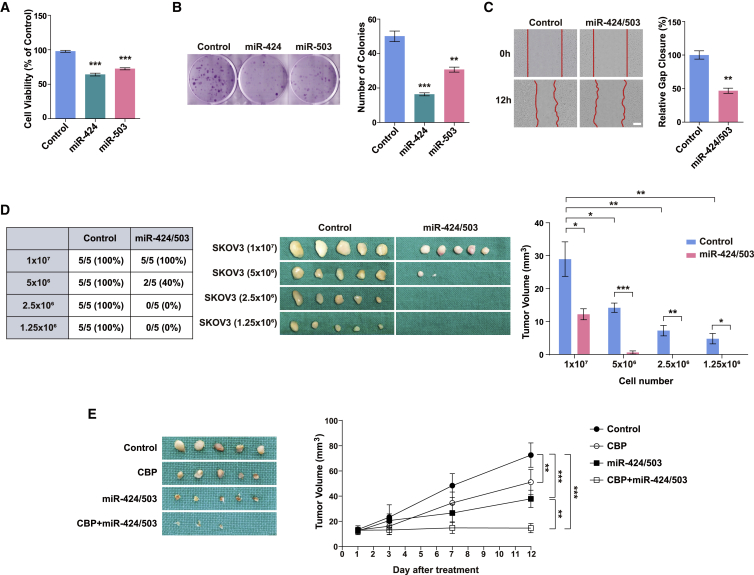
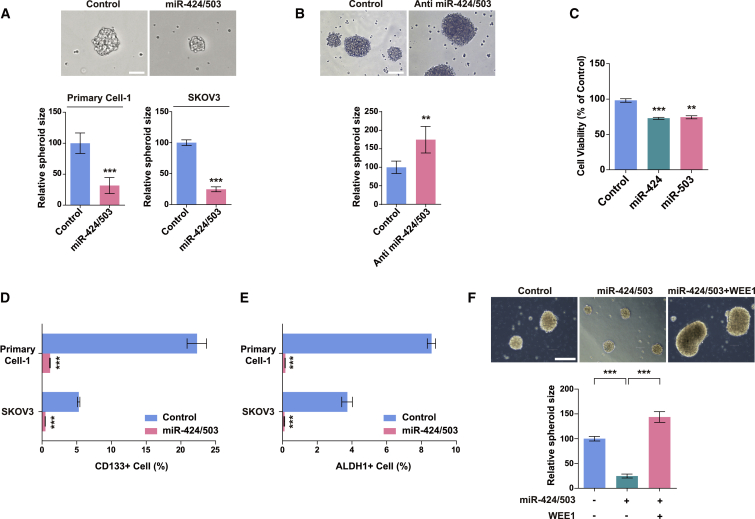
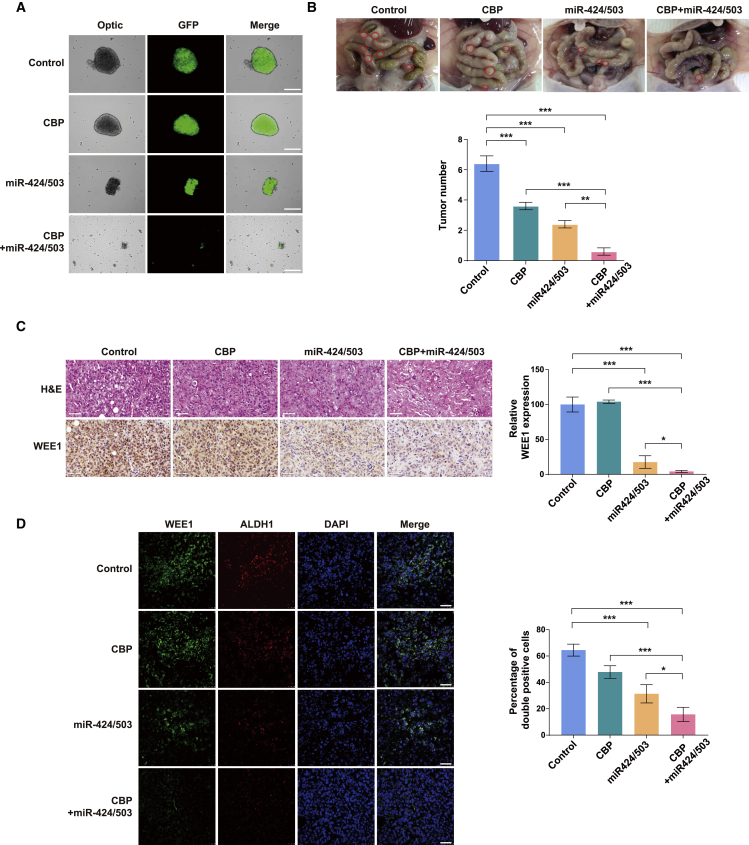
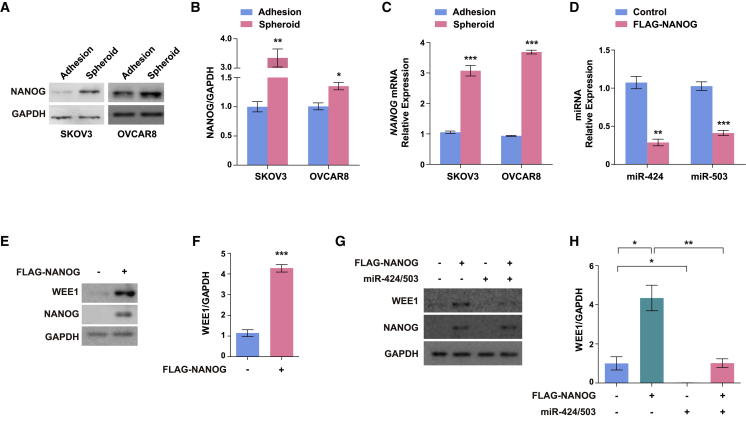
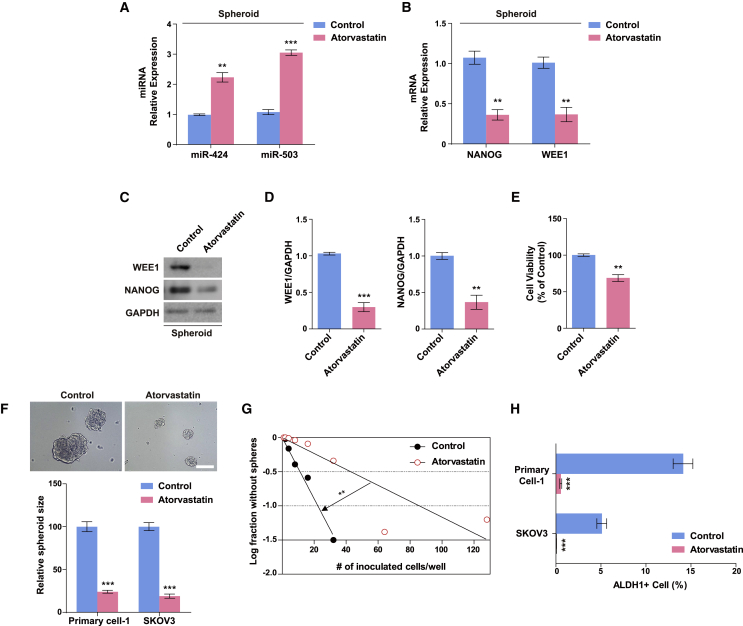
Cancer stem-like cells (CSCs) have been suggested to be responsible for chemoresistance and tumor recurrence owing to their self-renewal capacity and differentiation potential. Although WEE1 is a strong candidate target for anticancer therapies, its role in ovarian CSCs is yet to be elucidated. Here, we show that WEE1 plays a key role in regulating CSC properties and tumor resistance to carboplatin via a microRNA-dependent mechanism. We found that WEE1 expression is upregulated in ovarian cancer spheroids because of the decreased expression of miR-424 and miR-503, which directly target WEE1. The overexpression of miR-424/503 suppressed CSC activity by inhibiting WEE1 expression, but this effect was reversed on the restoration of WEE1 expression. Furthermore, we demonstrated that NANOG modulates the miR-424/503-WEE1 axis that regulates the properties of CSCs. We also demonstrated the pharmacological restoration of the NANOG-miR-424/503-WEE1 axis and attenuation of ovarian CSC characteristics in response to atorvastatin treatment. Lastly, miR-424/503-mediated WEE1 inhibition re-sensitized chemoresistant ovarian cancer cells to carboplatin. Additionally, combined treatment with atorvastatin and carboplatin synergistically reduced tumor growth, chemoresistance, and peritoneal seeding in the intraperitoneal mouse models of ovarian cancer. We identified a novel NANOG-miR-424/503-WEE1 pathway for regulating ovarian CSCs, which has potential therapeutic utility in ovarian cancer treatment.
癌症干细胞(CSCs)因其自我更新能力和分化潜能而被认为与化疗耐药性和肿瘤复发有关。尽管WEE1是抗癌治疗的一个有力候选靶点,但其在卵巢癌干细胞中的作用尚待阐明。在此,我们表明WEE1通过一种依赖于微小RNA的机制在调节癌症干细胞特性和肿瘤对卡铂的耐药性中起关键作用。我们发现,由于直接靶向WEE1的miR-424和miR-503表达降低,WEE1在卵巢癌球体中的表达上调。miR-424/503的过表达通过抑制WEE1表达来抑制癌症干细胞活性,但在恢复WEE1表达后这种作用被逆转。此外,我们证明NANOG调节miR-424/503-WEE1轴,该轴调控癌症干细胞的特性。我们还证明了阿托伐他汀治疗可对NANOG-miR-424/503-WEE1轴进行药理学恢复,并减弱卵巢癌干细胞特征。最后,miR-424/503介导的WEE1抑制使化疗耐药的卵巢癌细胞对卡铂重新敏感。此外,在卵巢癌的腹腔内小鼠模型中,阿托伐他汀和卡铂联合治疗可协同减少肿瘤生长、化疗耐药性和腹膜种植。我们确定了一条调节卵巢癌干细胞的新型NANOG-miR-424/503-WEE1途径,其在卵巢癌治疗中具有潜在的治疗效用。