Wu Pengfei, Tang Yuanyuan, Jin Hangbiao, Song Yuanyuan, Liu Yunsong, Cai Zongwei
State Environmental Protection Key Laboratory of Integrated Surface Water-Groundwater Pollution Control, School of Environmental Science and Engineering, Southern University of Science and Technology, 1088 Xueyuan Blvd, Nanshan District, Shenzhen, 518055, PR China.
State Key Laboratory of Environmental and Biological Analysis, Department of Chemistry, Hong Kong Baptist University, Hong Kong SAR, PR China.
Environ Sci Ecotechnol. 2020 Apr 16;2:100027. doi: 10.1016/j.ese.2020.100027. eCollection 2020 Apr.
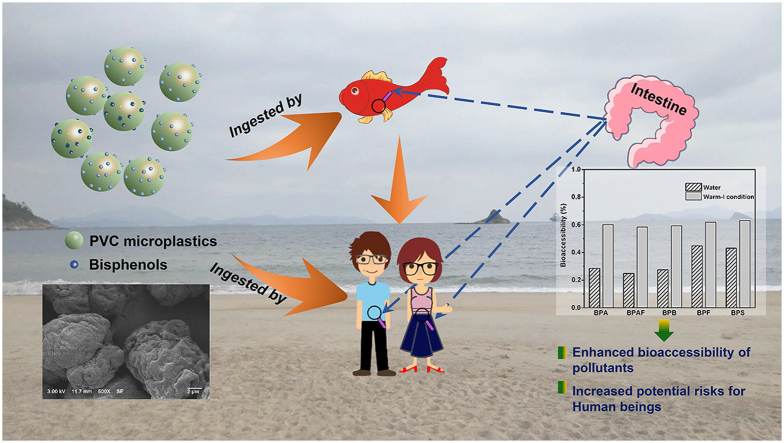
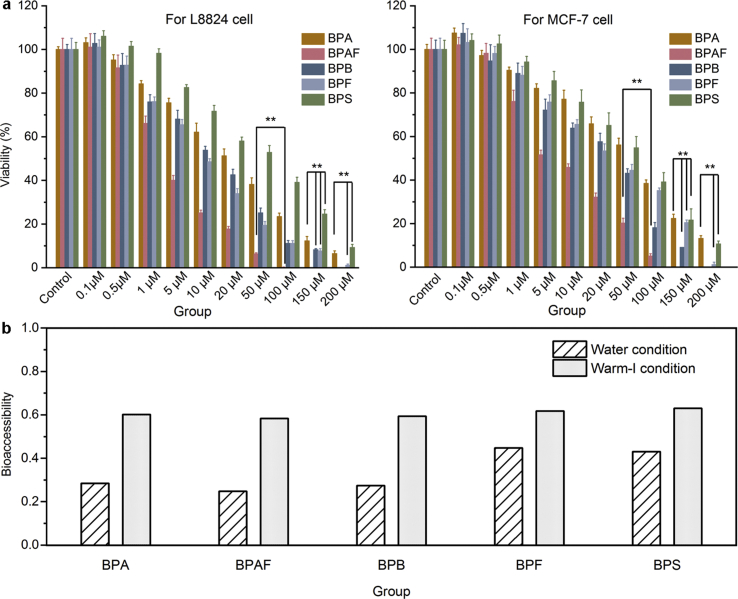
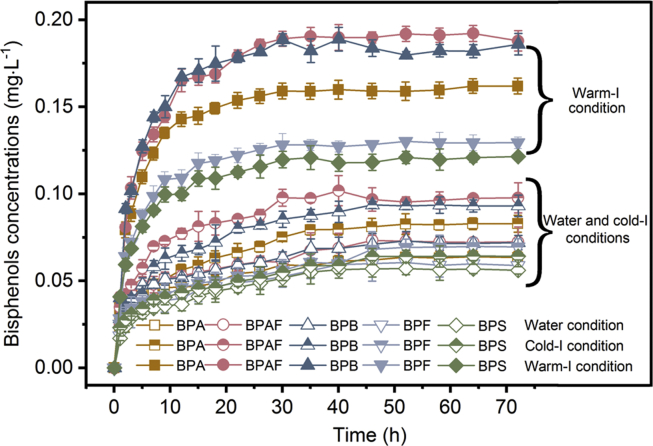
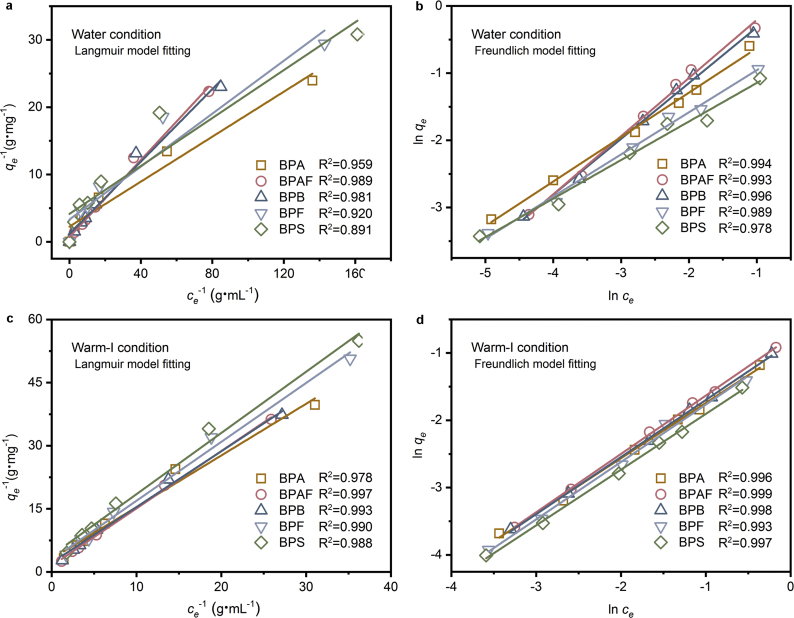
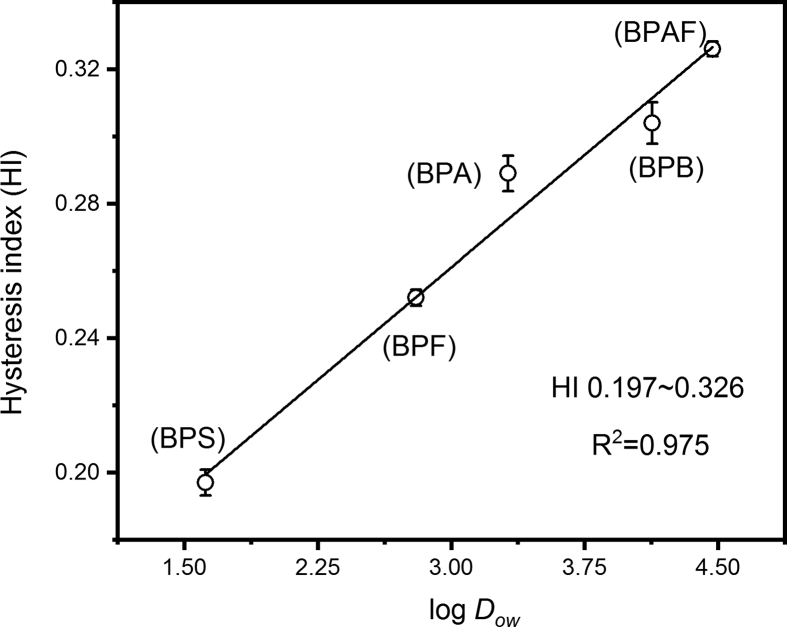
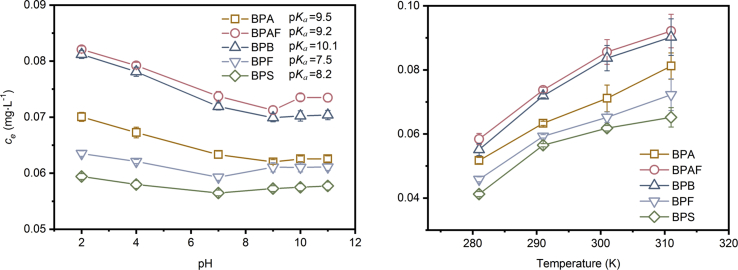
The ever-increasing prevalence of microplastics and different bisphenols made the presence of bisphenol-attached microplastics a critical concern. In this study, experiments were performed to examine desorption behaviors and cytotoxicity performance of contaminated microplastics in aquatic surroundings and intestinal environment after ingestion by organisms (cold-/warm-blooded). The kinetic study shows that the rate of desorption for bisphenols can be enhanced threefold under simulated warm intestinal conditions. The Freundlich isotherms indicate multiple-layer desorption of the bisphenols on the heterogeneous surfaces of polyvinyl chloride (PVC) microplastics. Hysteresis was detected in the adsorption/desorption of bisphenols in a water environment, but no adsorption/desorption hysteresis was observed in the simulated intestinal conditions of warm-blooded organisms. Due to enhanced bioaccessibility, the desorption results imply that the environmental risk of contaminated PVC microplastics may be significantly increased after ingestion at a high bisphenols dosage. Although with different IC, the five bisphenols released under the intestinal conditions of warm-blooded organisms can cause higher proliferation reduction in fish and human cell lines than the bisphenols released in water. This study helps elucidate the consequential fate and potential cytotoxicity of contaminated microplastics and the possible implications of the microplastics as a critical vector for bisphenols to increase the potential health risks.
微塑料和不同双酚的日益普遍存在使得附着双酚的微塑料成为一个关键问题。在本研究中,进行了实验以检测被污染的微塑料在水生环境以及生物体(冷血/温血)摄入后在肠道环境中的解吸行为和细胞毒性表现。动力学研究表明,在模拟的温暖肠道条件下,双酚的解吸速率可提高三倍。弗伦德利希等温线表明双酚在聚氯乙烯(PVC)微塑料的异质表面上存在多层解吸。在水环境中双酚吸附/解吸过程中检测到滞后现象,但在温血生物的模拟肠道条件下未观察到吸附/解吸滞后现象。由于生物可及性增强,解吸结果表明,在高剂量双酚摄入后,受污染的PVC微塑料的环境风险可能会显著增加。尽管半数抑制浓度不同,但在温血生物肠道条件下释放的五种双酚比在水中释放的双酚对鱼类和人类细胞系的增殖抑制作用更强。本研究有助于阐明受污染微塑料的后续归宿和潜在细胞毒性,以及微塑料作为双酚关键载体增加潜在健康风险的可能影响。