Department of Human Genetics, University of Utah School of Medicine, Salt Lake City, Utah, United States of America.
Department of Genetics, Blavatnik Institute, Harvard Medical School, Boston, Massachusetts, United States of America.
PLoS Genet. 2022 Sep 27;18(9):e1010430. doi: 10.1371/journal.pgen.1010430. eCollection 2022 Sep.
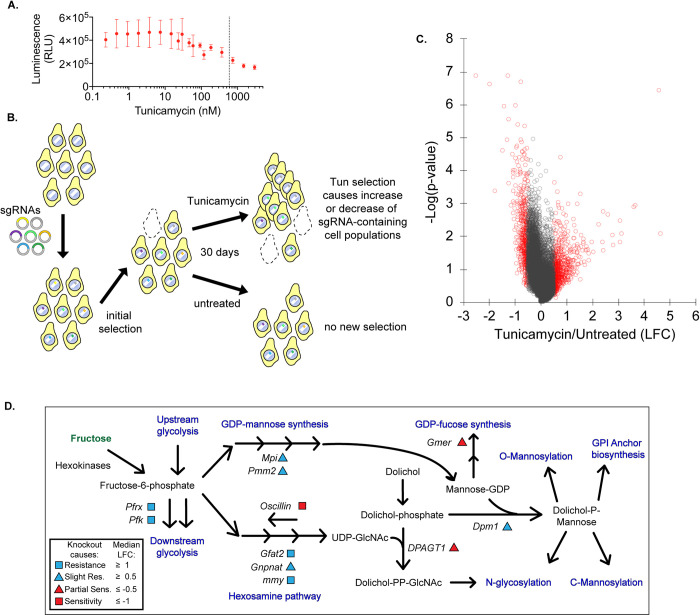
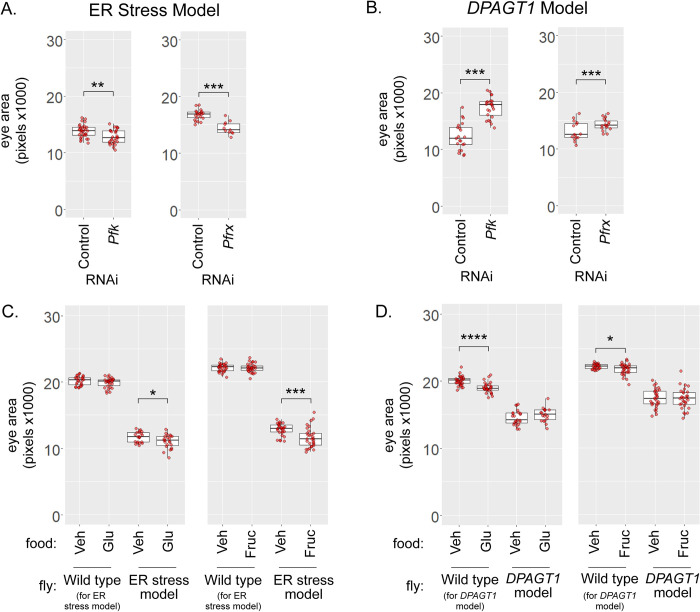
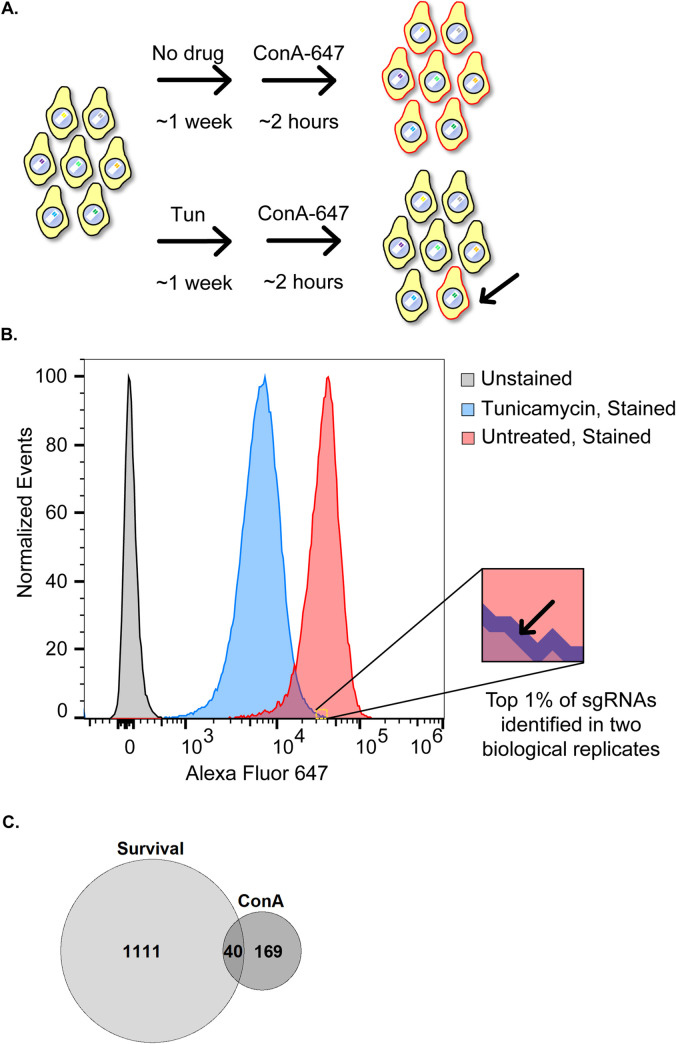
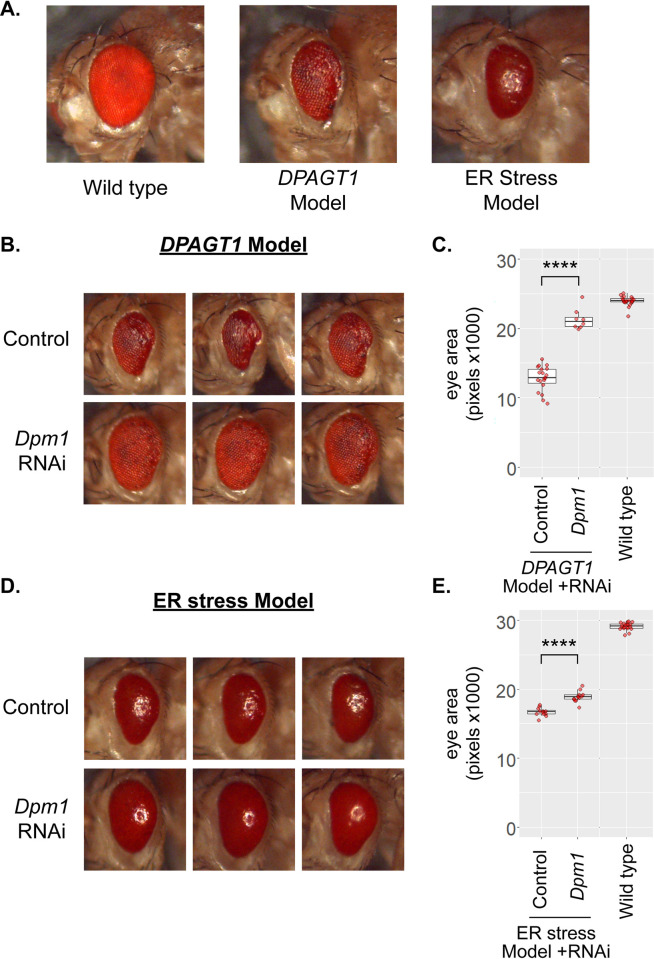
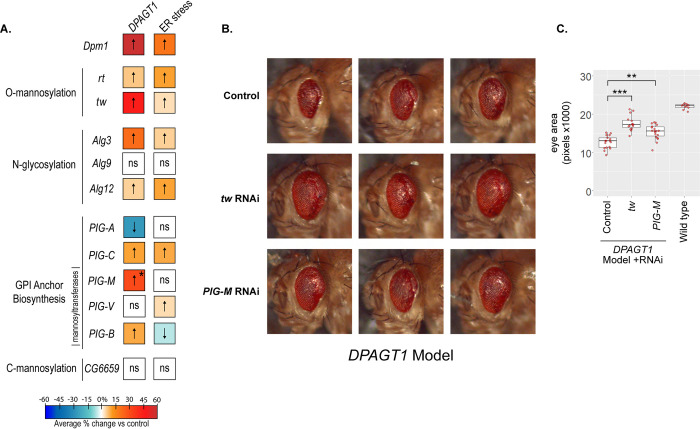
Partial loss-of-function mutations in glycosylation pathways underlie a set of rare diseases called Congenital Disorders of Glycosylation (CDGs). In particular, DPAGT1-CDG is caused by mutations in the gene encoding the first step in N-glycosylation, DPAGT1, and this disorder currently lacks effective therapies. To identify potential therapeutic targets for DPAGT1-CDG, we performed CRISPR knockout screens in Drosophila cells for genes associated with better survival and glycoprotein levels under DPAGT1 inhibition. We identified hundreds of candidate genes that may be of therapeutic benefit. Intriguingly, inhibition of the mannosyltransferase Dpm1, or its downstream glycosylation pathways, could rescue two in vivo models of DPAGT1 inhibition and ER stress, even though impairment of these pathways alone usually causes CDGs. While both in vivo models ostensibly cause cellular stress (through DPAGT1 inhibition or a misfolded protein), we found a novel difference in fructose metabolism that may indicate glycolysis as a modulator of DPAGT1-CDG. Our results provide new therapeutic targets for DPAGT1-CDG, include the unique finding of Dpm1-related pathways rescuing DPAGT1 inhibition, and reveal a novel interaction between fructose metabolism and ER stress.
糖基化途径的部分功能丧失突变是一组被称为先天性糖基化障碍(CDG)的罕见疾病的基础。特别是,DPAGT1-CDG 是由编码 N-糖基化第一步的基因 DPAGT1 的突变引起的,而这种疾病目前缺乏有效的治疗方法。为了确定 DPAGT1-CDG 的潜在治疗靶点,我们在果蝇细胞中进行了 CRISPR 敲除筛选,以寻找与 DPAGT1 抑制下更好的生存和糖蛋白水平相关的基因。我们鉴定了数百个候选基因,这些基因可能具有治疗益处。有趣的是,抑制甘露糖基转移酶 Dpm1 或其下游糖基化途径,即使这些途径单独受损通常会导致 CDG,也可以挽救 DPAGT1 抑制和内质网应激的两种体内模型。虽然这两种体内模型表面上都导致细胞应激(通过 DPAGT1 抑制或错误折叠的蛋白质),但我们发现了果糖代谢的一个新的差异,这可能表明糖酵解是 DPAGT1-CDG 的调节剂。我们的研究结果为 DPAGT1-CDG 提供了新的治疗靶点,包括 DPAGT1 抑制的 Dpm1 相关途径的独特发现,并揭示了果糖代谢和内质网应激之间的新相互作用。