Department of Gynecological Endocrinology and Reproductive Medicine, University Hospital of Bonn, Venusberg Campus 1, 53127, Bonn, Germany.
Arch Gynecol Obstet. 2023 Feb;307(2):591-599. doi: 10.1007/s00404-022-06797-6. Epub 2022 Sep 29.
The standard procedure most frequently used for ovarian tissue cryopreservation (OTC) is slow freezing, while vitrification has been proposed as promising alternative and has built an impressive catalog of success in fertility laboratories regarding cryopreservation of oocytes and embryos.
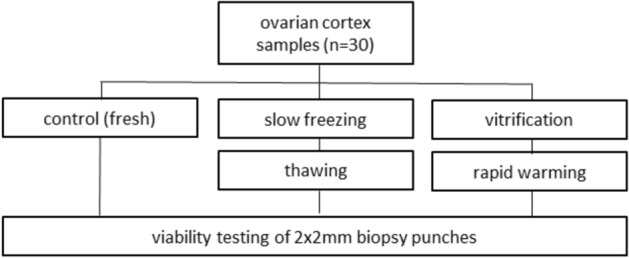
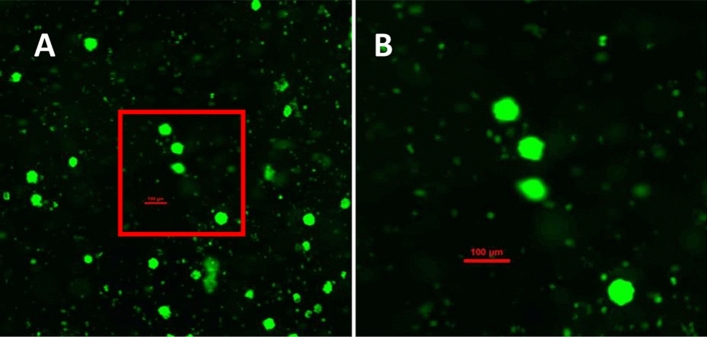
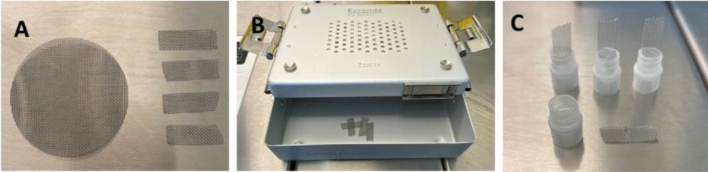
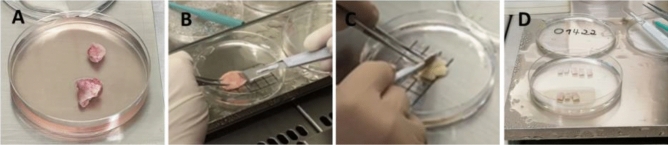
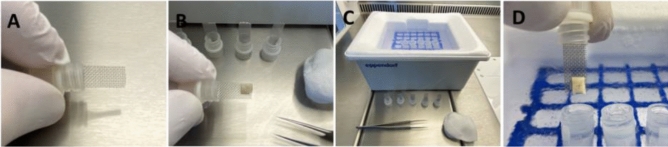
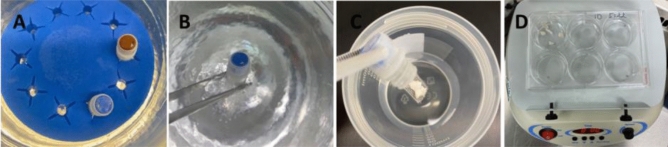
We developed and evaluated a high-throughput protocol for vitrification of human ovarian tissue suitable for clinical processing. Follicular viability was assessed via calcein staining prior and after cryopreservation analyzing ovarian tissue of a cohort of 30 patients.
We found no significant differences regarding follicular viability between slow frozen and vitrified cortex tissue samples 24 h after thawing and rapid warming. Follicular viability of thawed and rapid warmed samples was not significantly different in comparison to fresh samples, indicating high proportions of follicular survival rates with both methods.
High-throughput vitrification is a promising option in a clinical setting. More research is required to determine the status of other tissue-specific quality indicators potentially influencing on autotransplantation.
卵巢组织冷冻保存(OTC)最常采用的标准程序是慢速冷冻,而玻璃化被认为是一种很有前途的替代方法,并且在卵母细胞和胚胎冷冻保存方面,已经在生育实验室中取得了令人瞩目的成功记录。
我们开发并评估了一种适用于临床处理的高通量人卵巢组织玻璃化方法。通过在冷冻保存前后使用 calcein 染色来评估卵泡活力,分析了 30 名患者的卵巢组织。
我们发现,在解冻和快速复温 24 小时后,慢速冷冻和玻璃化皮质组织样本的卵泡活力没有显著差异。与新鲜样本相比,解冻和快速复温样本的卵泡活力没有显著差异,这表明两种方法的卵泡存活率都很高。
高通量玻璃化在临床环境中是一种很有前途的选择。需要进一步研究来确定其他可能影响自体移植的组织特异性质量指标的状态。