Department of Biochemistry and Molecular Biology, the Institute for Medical Research Israel-Canada, Hebrew University-Hadassah Medical School, Jerusalem, Israel.
Department of Human Molecular Genetics and Biochemistry, Sackler Faculty of Medicine, Tel Aviv University, Tel Aviv, Israel.
Elife. 2022 Oct 3;11:e79128. doi: 10.7554/eLife.79128.
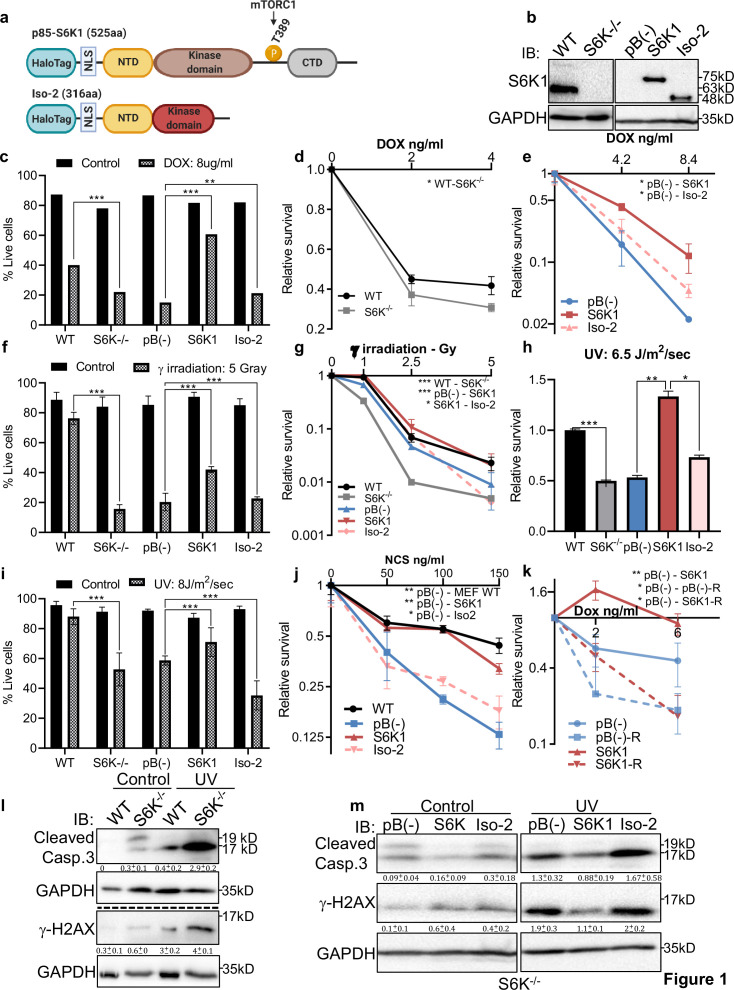
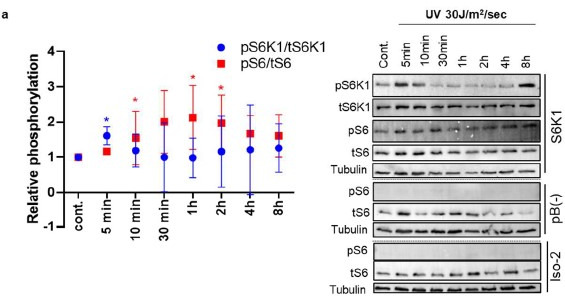
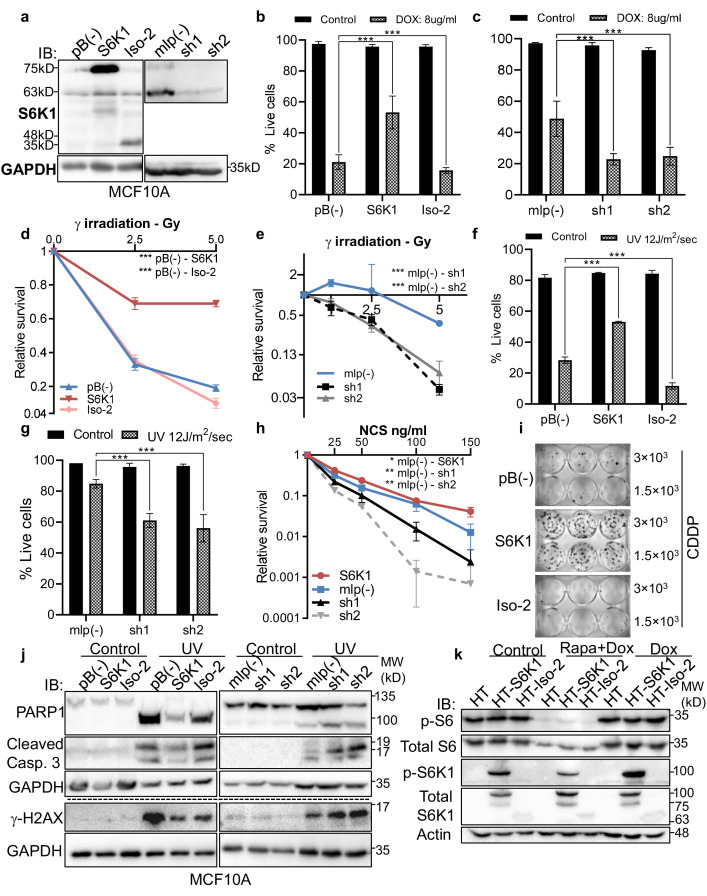
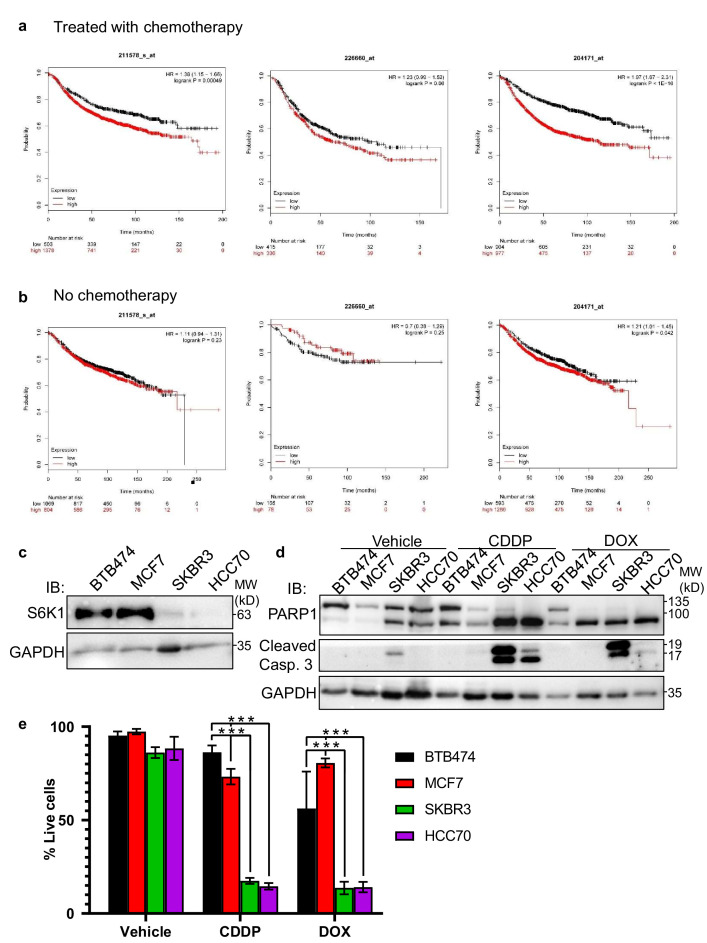
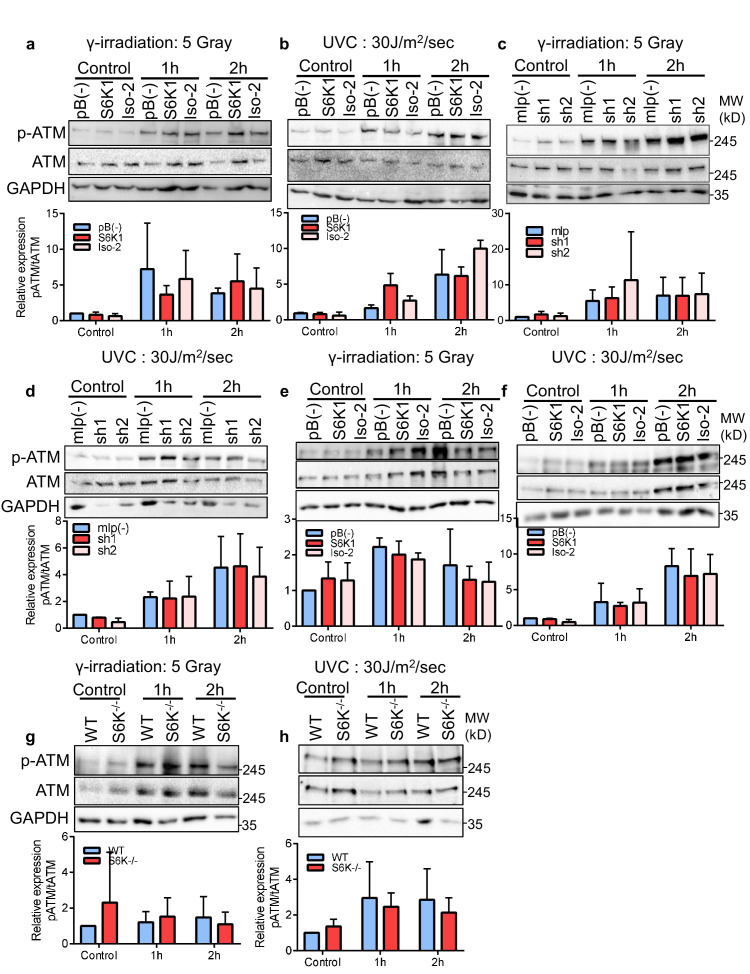
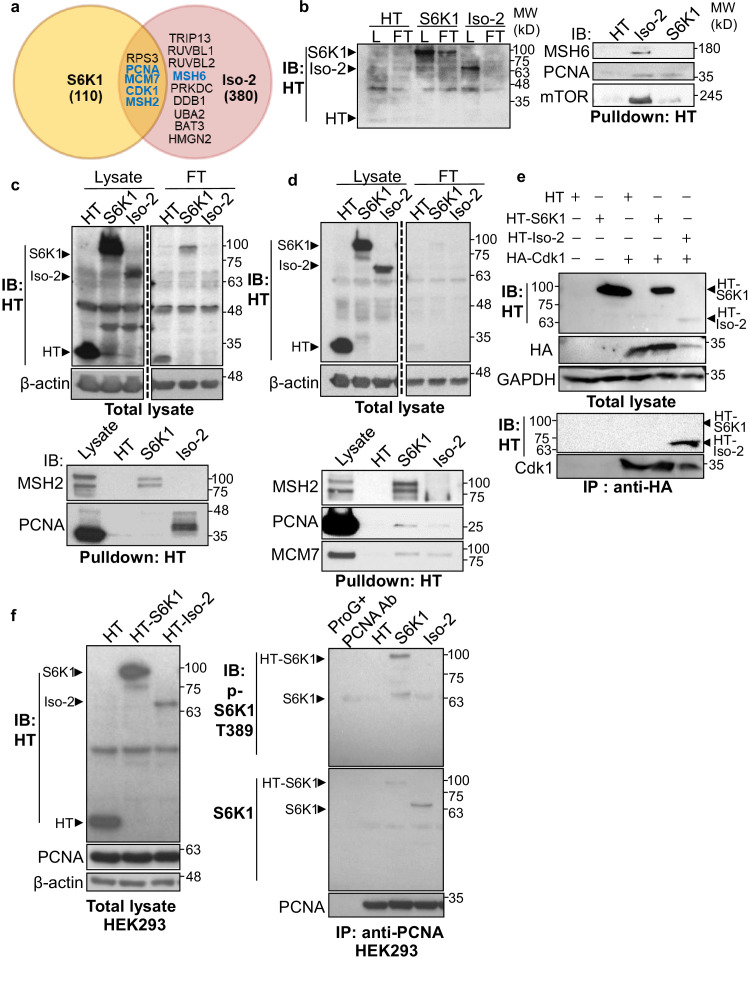
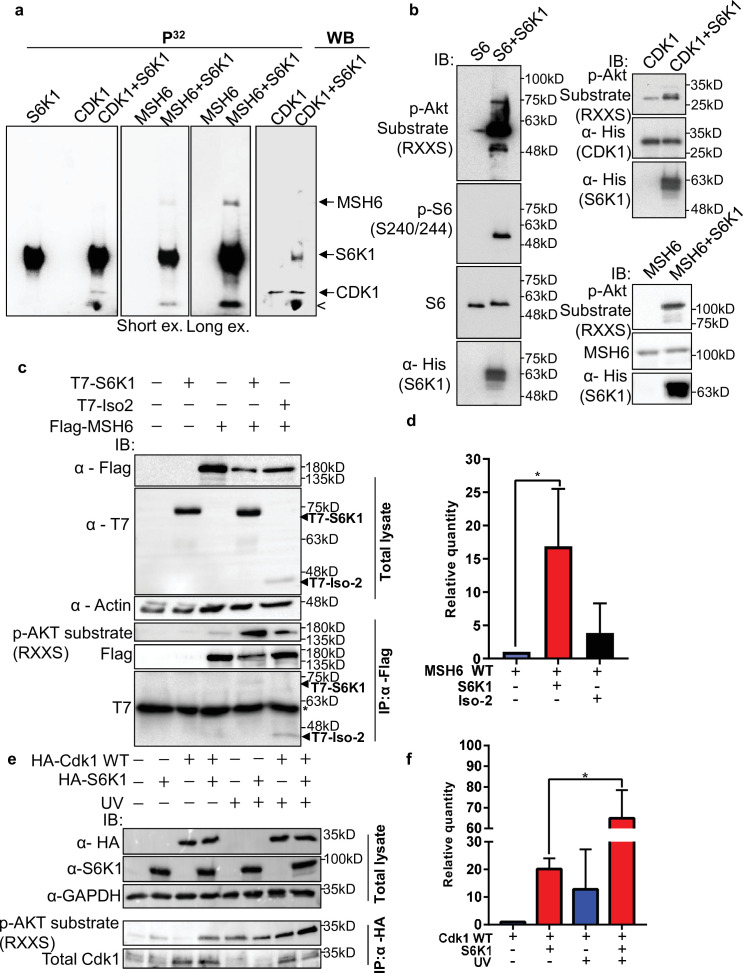
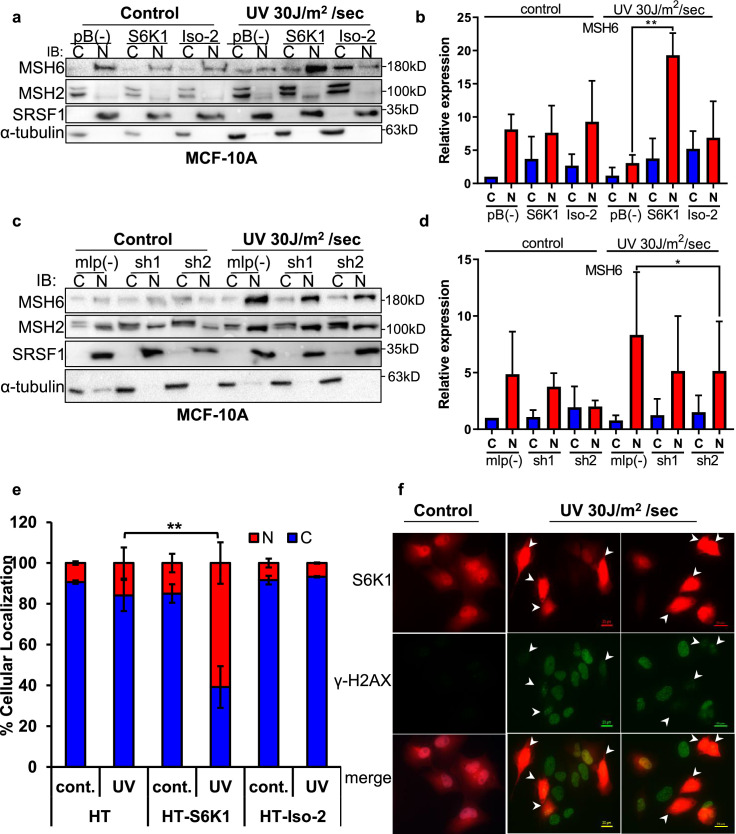
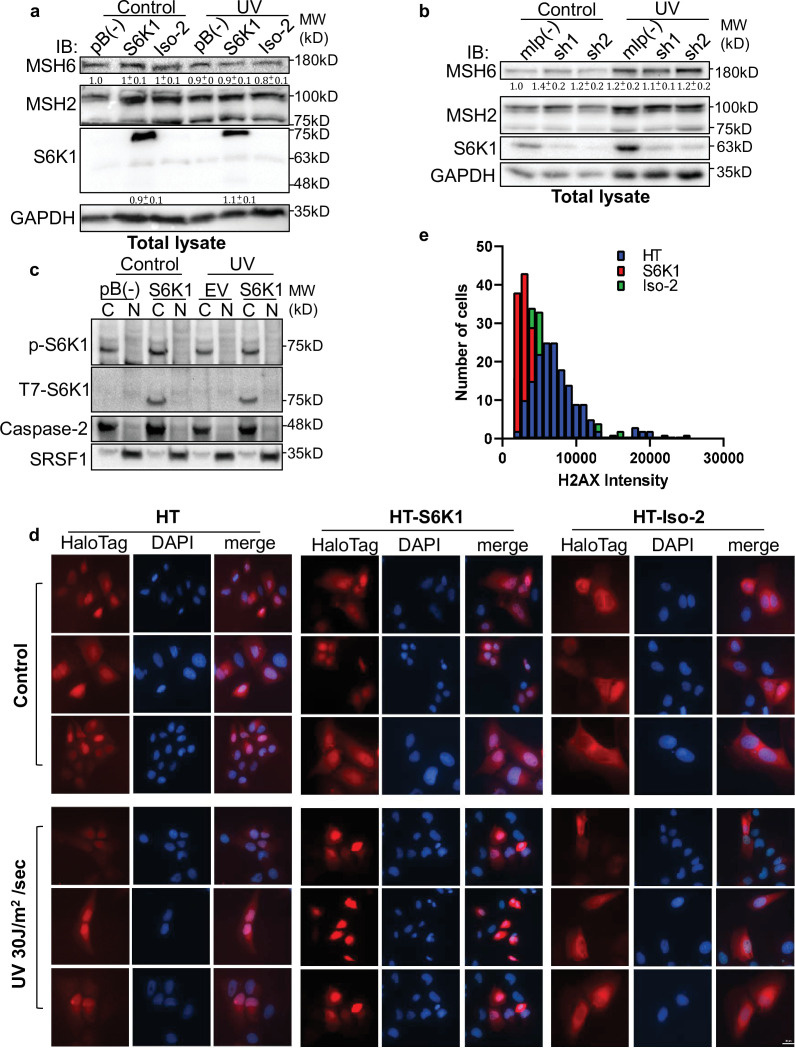
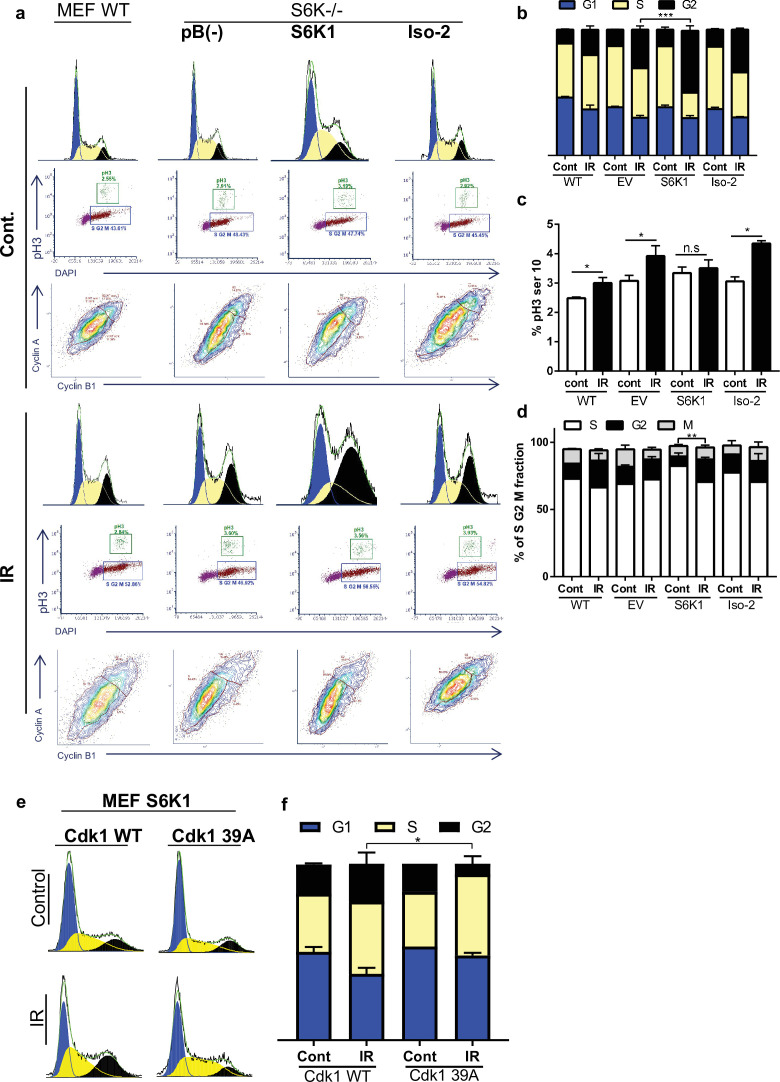
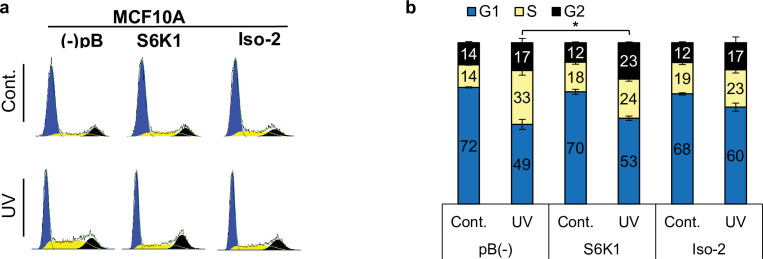
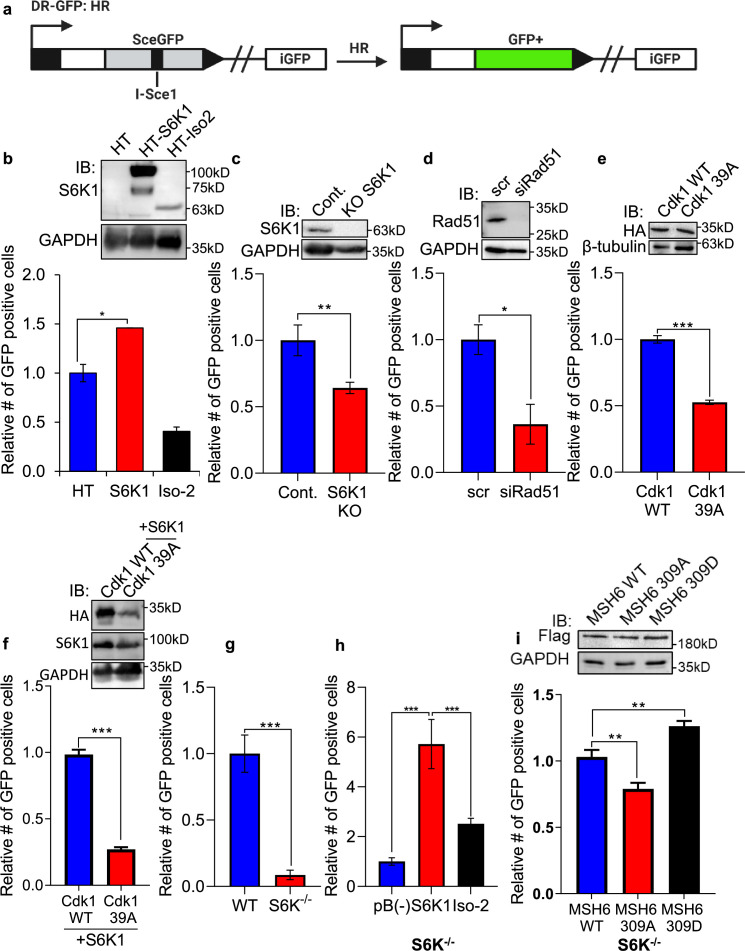
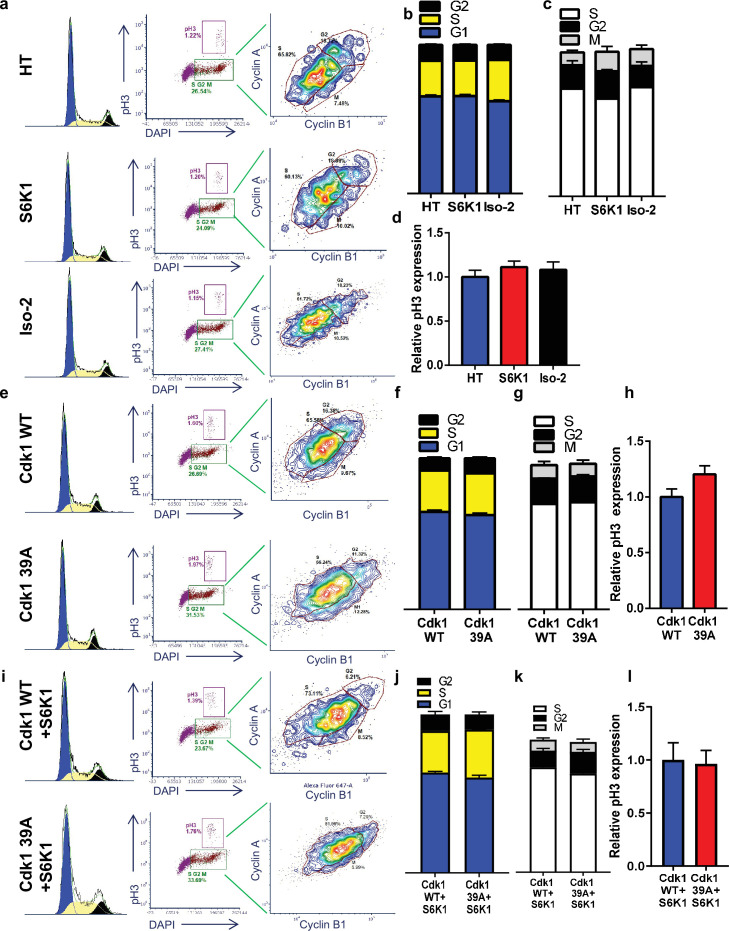
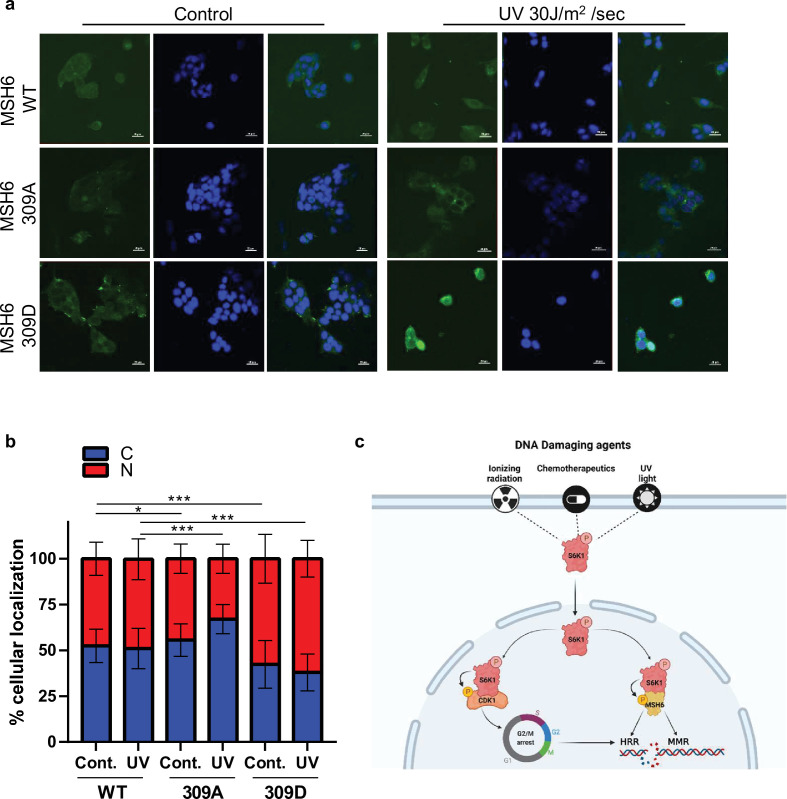
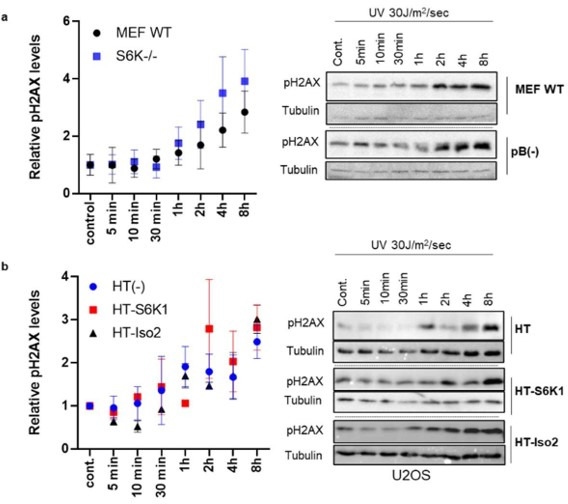
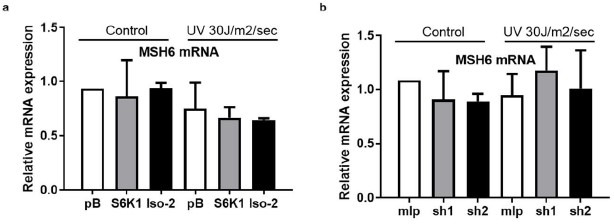
The mTORC1 substrate, S6 Kinase 1 (S6K1), is involved in the regulation of cell growth, ribosome biogenesis, glucose homeostasis, and adipogenesis. Accumulating evidence has suggested a role for mTORC1 signaling in the DNA damage response. This is mostly based on the findings that mTORC1 inhibitors sensitized cells to DNA damage. However, a direct role of the mTORC1-S6K1 signaling pathway in DNA repair and the mechanism by which this signaling pathway regulates DNA repair is unknown. In this study, we discovered a novel role for S6K1 in regulating DNA repair through the coordinated regulation of the cell cycle, homologous recombination (HR) DNA repair (HRR) and mismatch DNA repair (MMR) mechanisms. Here, we show that S6K1 orchestrates DNA repair by phosphorylation of Cdk1 at serine 39, causing G2/M cell cycle arrest enabling homologous recombination and by phosphorylation of MSH6 at serine 309, enhancing MMR. Moreover, breast cancer cells harboring gene amplification show increased resistance to several DNA damaging agents and S6K1 expression is associated with poor survival of breast cancer patients treated with chemotherapy. Our findings reveal an unexpected function of S6K1 in the DNA repair pathway, serving as a tumorigenic barrier by safeguarding genomic stability.
mTORC1 的底物 S6 激酶 1(S6K1)参与细胞生长、核糖体生物发生、葡萄糖稳态和脂肪生成的调节。越来越多的证据表明 mTORC1 信号通路在 DNA 损伤反应中发挥作用。这主要基于以下发现:mTORC1 抑制剂使细胞对 DNA 损伤敏感。然而,mTORC1-S6K1 信号通路在 DNA 修复中的直接作用以及该信号通路调节 DNA 修复的机制尚不清楚。在这项研究中,我们通过细胞周期、同源重组(HR)DNA 修复(HRR)和错配修复(MMR)机制的协调调节,发现了 S6K1 在调节 DNA 修复中的新作用。在这里,我们表明 S6K1 通过磷酸化 Cdk1 丝氨酸 39 来协调 DNA 修复,导致 G2/M 细胞周期停滞,从而促进同源重组,并通过磷酸化 MSH6 丝氨酸 309 增强 MMR。此外,携带基因扩增的乳腺癌细胞对几种 DNA 损伤剂表现出更高的耐药性,并且 S6K1 表达与接受化疗的乳腺癌患者的生存不良相关。我们的发现揭示了 S6K1 在 DNA 修复途径中的一个意外功能,它通过保护基因组稳定性作为致癌障碍。