Department of Immunology, University Hospital Zurich (USZ), Zurich, Switzerland.
Clinic for Transplantation Immunology and Nephrology, University Hospital Basel, Basel, Switzerland.
Front Immunol. 2022 Sep 21;13:1005790. doi: 10.3389/fimmu.2022.1005790. eCollection 2022.
Pre-transplant donor specific antibodies (DSA), directed at non-self human leukocyte antigen (HLA) protein variants present in the donor organ, have been associated with worse outcomes in kidney transplantation. The impact of the mean fluorescence intensity (MFI) and the target HLA antigen of the detected DSA has, however, not been conclusively studied in a large cohort with a complete virtual cross-match (vXM).
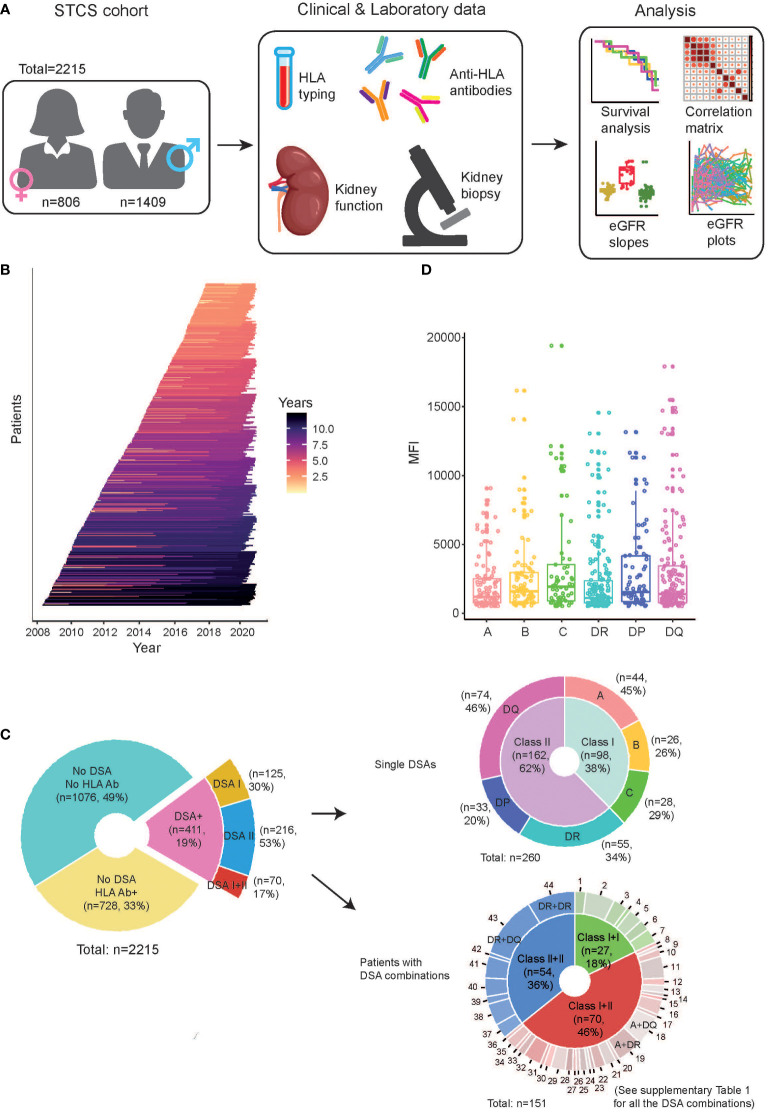
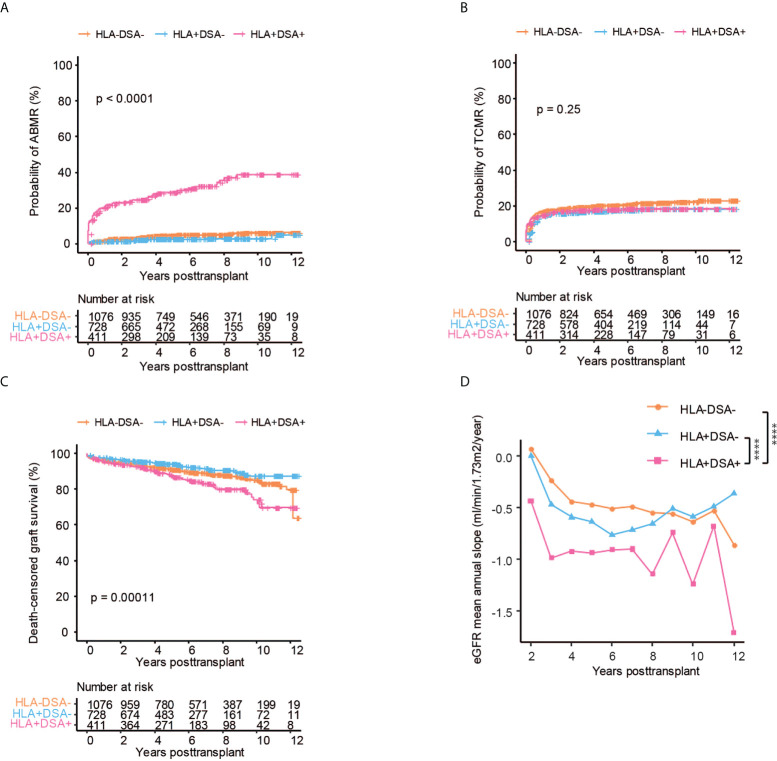
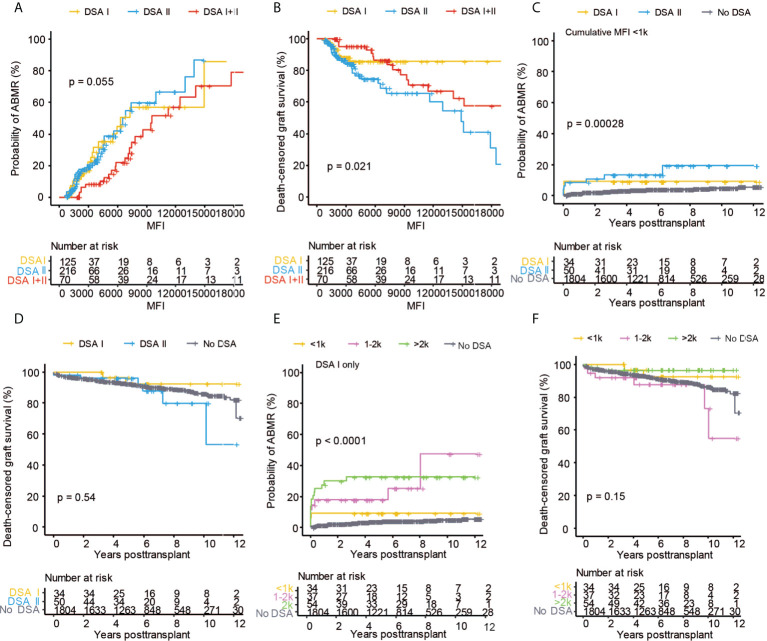
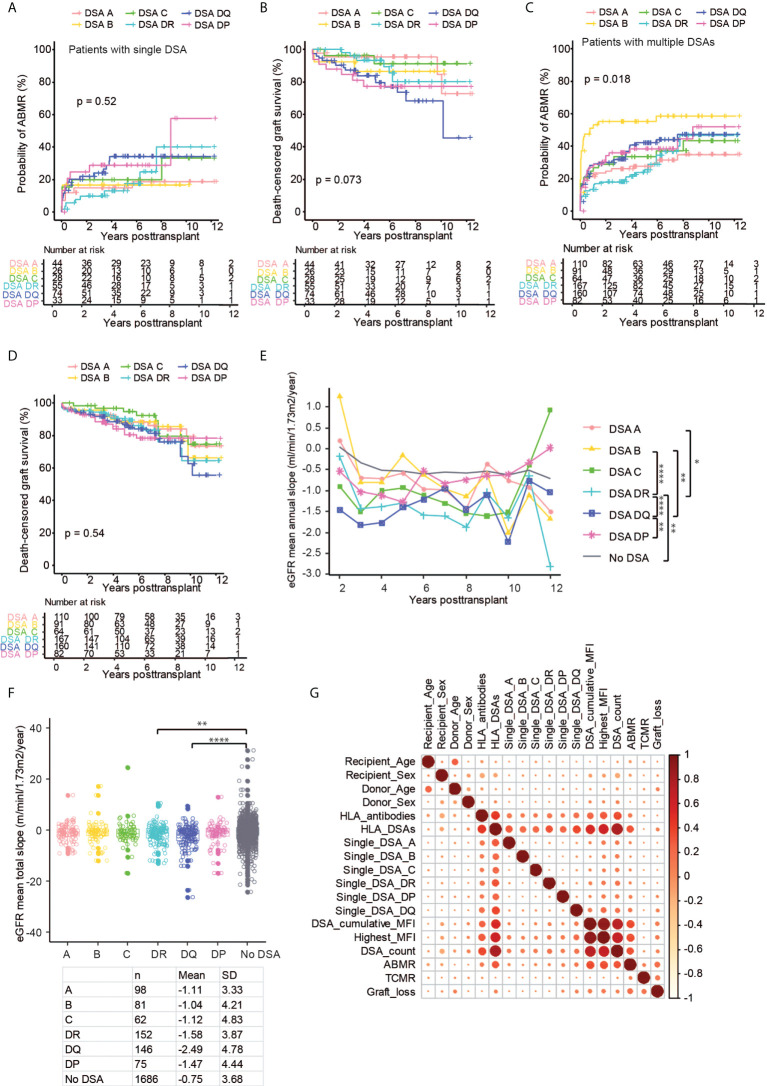
We investigated the effect of pre-transplant DSA on the risk of antibody-mediated rejection (ABMR), graft loss, and the rate of eGFR decline in 411 DSA positive transplants and 1804 DSA negative controls.
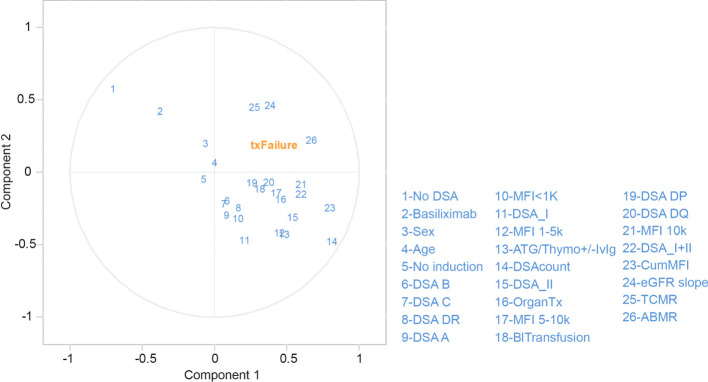
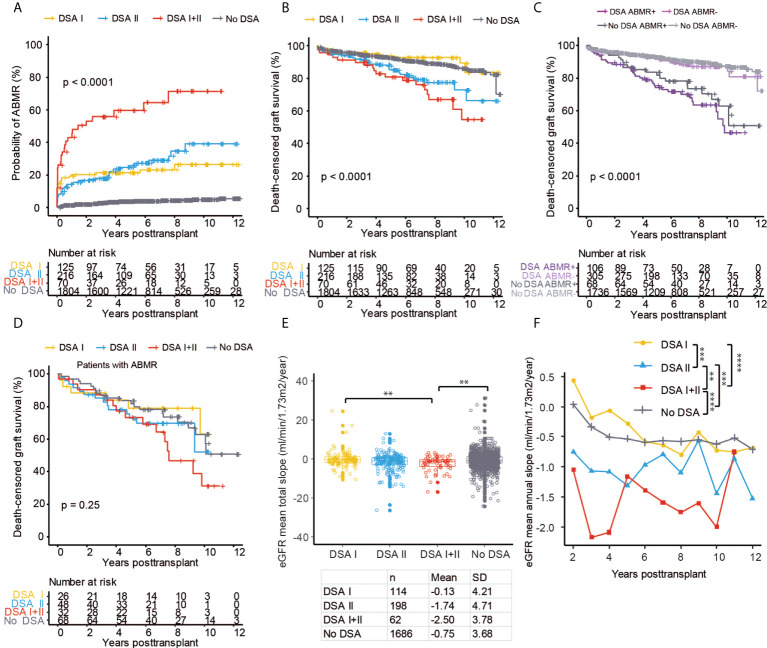
Pre-transplant DSA were associated with a significantly increased risk of ABMR, graft loss, and accelerated eGFR decline. DSA directed at Class I and Class II HLA antigens were strongly associated with increased risk of ABMR, but only DSA directed at Class II associated with graft loss. DSA MFI markedly affected outcome, and Class II DSA were associated with ABMR already at 500-1000 MFI, whereas Class I DSA did not affect outcome at similar low MFI values. Furthermore, isolated DSA against HLA-DP carried comparable risks for ABMR, accelerated eGFR decline, and graft loss as DSA against HLA-DR.
Our results have important implications for the construction and optimization of vXM algorithms used within organ allocation systems. Our data suggest that both the HLA antigen target of the detected DSA as well as the cumulative MFI should be considered and that different MFI cut-offs could be considered for Class I and Class II directed DSA.
针对供体器官中存在的非自身人类白细胞抗原(HLA)蛋白变体的移植前供体特异性抗体(DSA)与肾移植的不良结局相关。然而,在具有完整虚拟交叉匹配(vXM)的大队列中,尚未对检测到的 DSA 的平均荧光强度(MFI)和目标 HLA 抗原的影响进行定论研究。
我们研究了移植前 DSA 对 411 例 DSA 阳性移植和 1804 例 DSA 阴性对照发生抗体介导的排斥反应(ABMR)、移植物丢失和 eGFR 下降率的风险的影响。
移植前 DSA 与 ABMR、移植物丢失和 eGFR 下降加速的风险显著增加相关。针对 I 类和 II 类 HLA 抗原的 DSA 与 ABMR 风险增加强烈相关,但仅针对 II 类 HLA 抗原的 DSA 与移植物丢失相关。DSA MFI 明显影响结局,针对 II 类 HLA 的 DSA 在 500-1000 MFI 时即与 ABMR 相关,而针对 I 类 HLA 的 DSA 在类似低 MFI 值时对结局没有影响。此外,针对 HLA-DP 的单独 DSA 与针对 HLA-DR 的 DSA 相比,具有相似的 ABMR、加速的 eGFR 下降和移植物丢失风险。
我们的结果对器官分配系统内使用的 vXM 算法的构建和优化具有重要意义。我们的数据表明,检测到的 DSA 的 HLA 抗原靶标以及累积 MFI 都应被考虑,并且针对 I 类和 II 类定向 DSA 可以考虑不同的 MFI 截止值。