Department of Physiology, University of Texas Southwestern Medical Center, Dallas, TX, United States.
Texas Therapeutics Institute, Brown Foundation Institute of Molecular Medicine, University of Texas Health Science Center, Houston, TX, United States.
Front Immunol. 2022 Sep 21;13:996026. doi: 10.3389/fimmu.2022.996026. eCollection 2022.
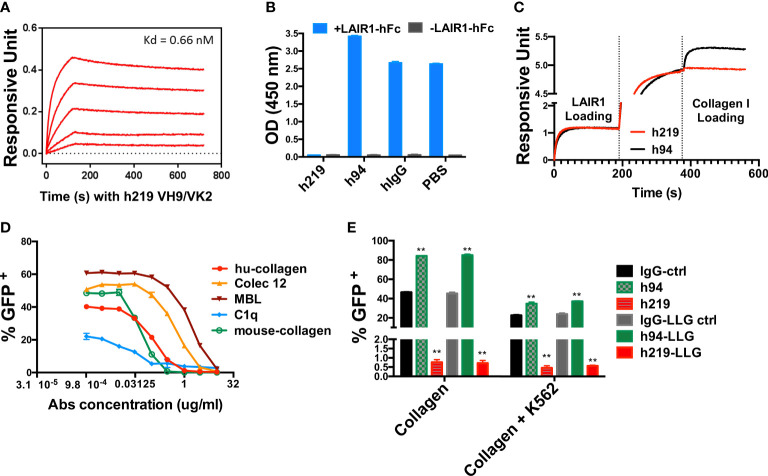
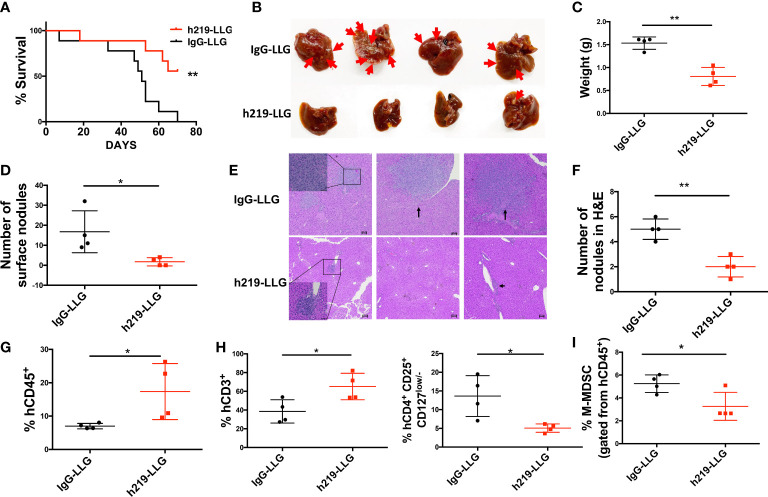
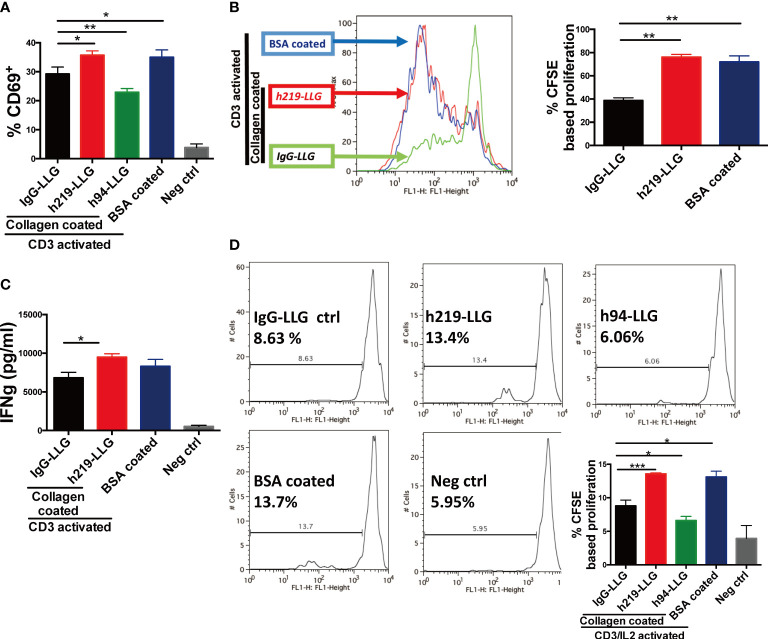
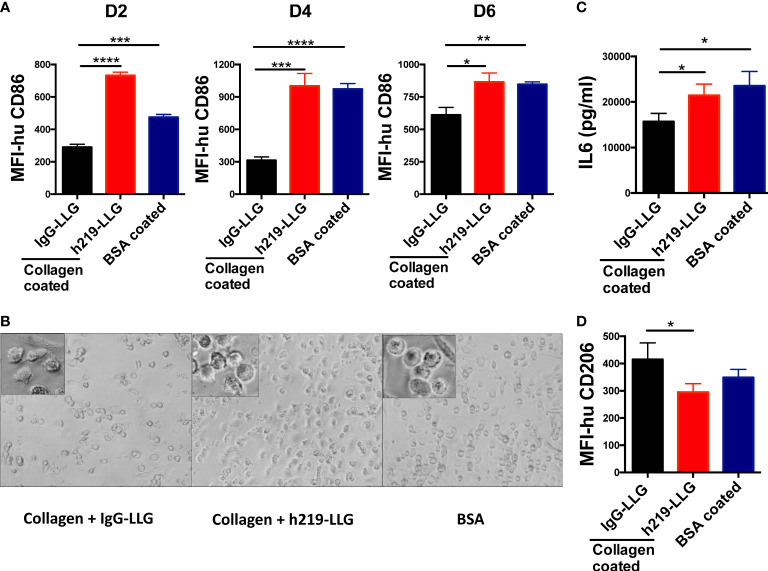
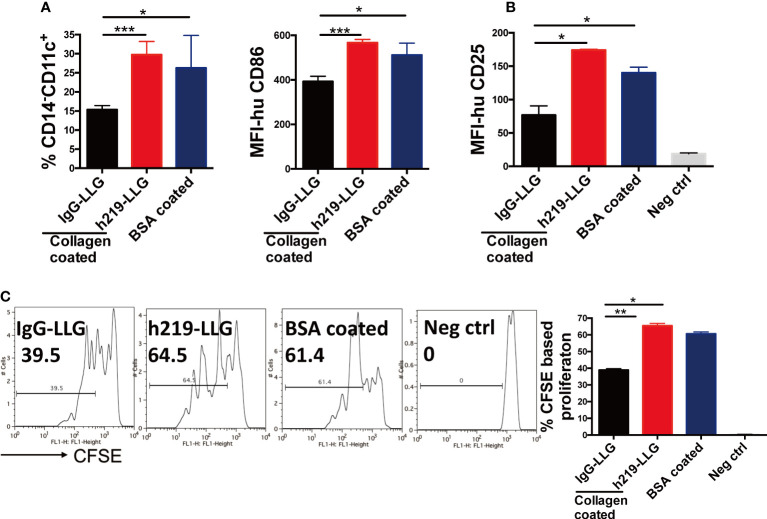
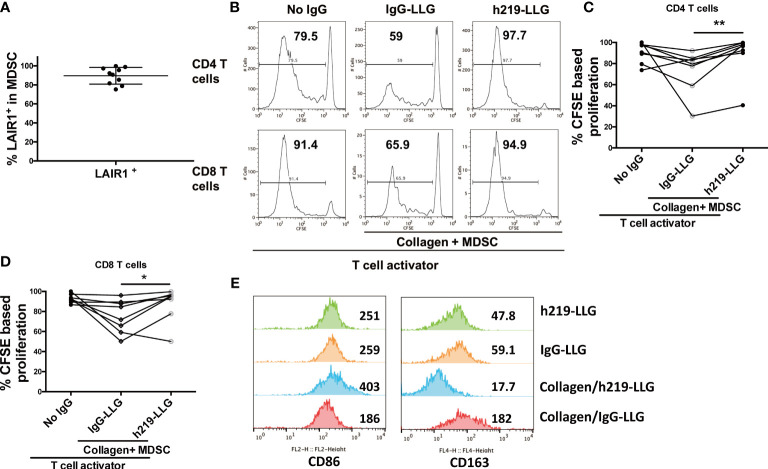
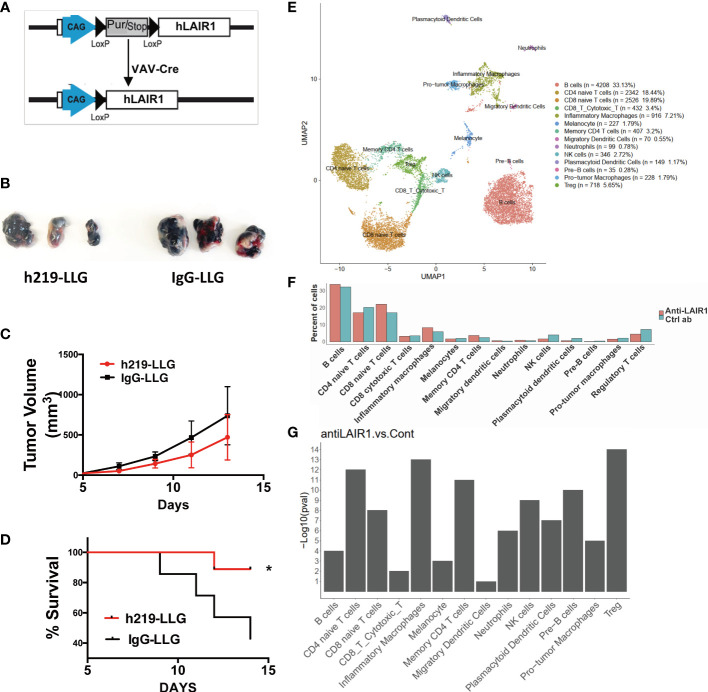
The current immune checkpoint blockade therapy has been successful in treating some cancers but not others. New molecular targets and therapeutic approaches of cancer immunology need to be identified. Leukocyte associated immunoglobulin like receptor 1 (LAIR1) is an immune inhibitory receptor expressing on most immune cell types. However, it remains a question whether we can specifically and actively block LAIR1 signaling to activate immune responses for cancer treatment. Here we report the development of specific antagonistic anti-LAIR1 monoclonal antibodies and studied the effects of LAIR1 blockade on the anti-tumor immune functions. The anti-LAIR1 antagonistic antibody stimulated the activities of T cells, natural killer cells, macrophages, and dendritic cells . The single-cell RNA sequencing analysis of intratumoral immune cells in syngeneic human LAIR1 transgenic mice treated with control or anti-LAIR1 antagonist antibodies indicates that LAIR1 signaling blockade increased the numbers of CD4 memory T cells and inflammatory macrophages, but decreased those of pro-tumor macrophages, regulatory T cells, and plasmacytoid dendritic cells. Importantly, the LAIR1 blockade by the antagonistic antibody inhibited the activity of immunosuppressive myeloid cells and reactivated T cells from cancer patients and impeded tumor metastasis in a humanized mouse model. Blocking LAIR1 signaling in immune cells represents a promising strategy for development of anti-cancer immunotherapy.
目前的免疫检查点阻断疗法在治疗某些癌症方面取得了成功,但在其他癌症方面则不然。需要确定新的癌症免疫学的分子靶点和治疗方法。白细胞相关免疫球蛋白样受体 1(LAIR1)是一种在大多数免疫细胞类型上表达的免疫抑制受体。然而,我们是否可以特异性和主动地阻断 LAIR1 信号以激活免疫反应来治疗癌症,这仍然是一个问题。在这里,我们报告了特异性拮抗抗-LAIR1 单克隆抗体的开发,并研究了 LAIR1 阻断对抗肿瘤免疫功能的影响。抗-LAIR1 拮抗抗体刺激了 T 细胞、自然杀伤细胞、巨噬细胞和树突状细胞的活性。用对照或抗-LAIR1 拮抗剂抗体处理的同种异体人 LAIR1 转基因小鼠肿瘤内免疫细胞的单细胞 RNA 测序分析表明,LAIR1 信号阻断增加了 CD4 记忆 T 细胞和炎性巨噬细胞的数量,但减少了促肿瘤巨噬细胞、调节性 T 细胞和浆细胞样树突状细胞的数量。重要的是,拮抗抗体阻断 LAIR1 抑制了免疫抑制性髓样细胞的活性,重新激活了癌症患者的 T 细胞,并在人源化小鼠模型中阻止了肿瘤转移。阻断免疫细胞中的 LAIR1 信号代表了开发抗肿瘤免疫疗法的一种有前途的策略。