Department of Pharmacology and Toxicology, State University of New York, 1021 Main Street, Buffalo, NY, 14203, USA.
Department of Anesthesiology, Stony Brook University, Stony Brook, NY, 11794, USA.
Transl Psychiatry. 2022 Oct 10;12(1):440. doi: 10.1038/s41398-022-02210-7.
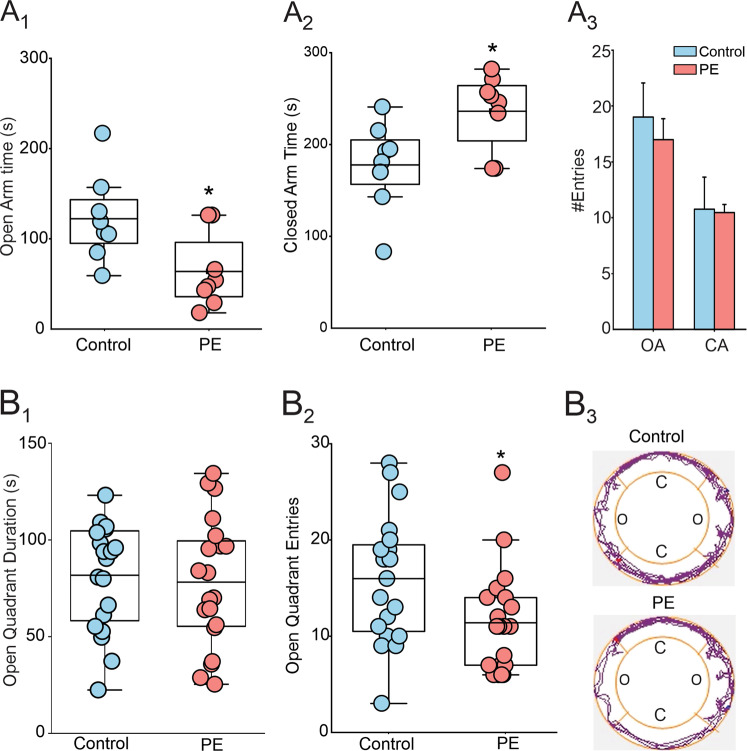
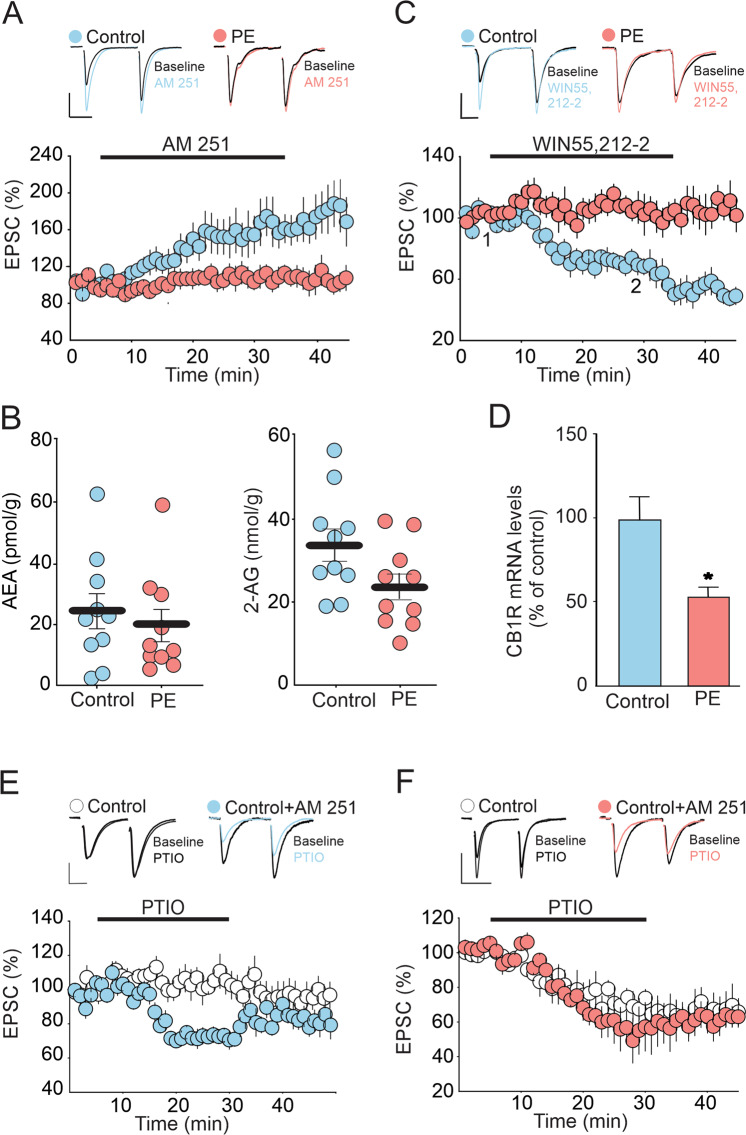
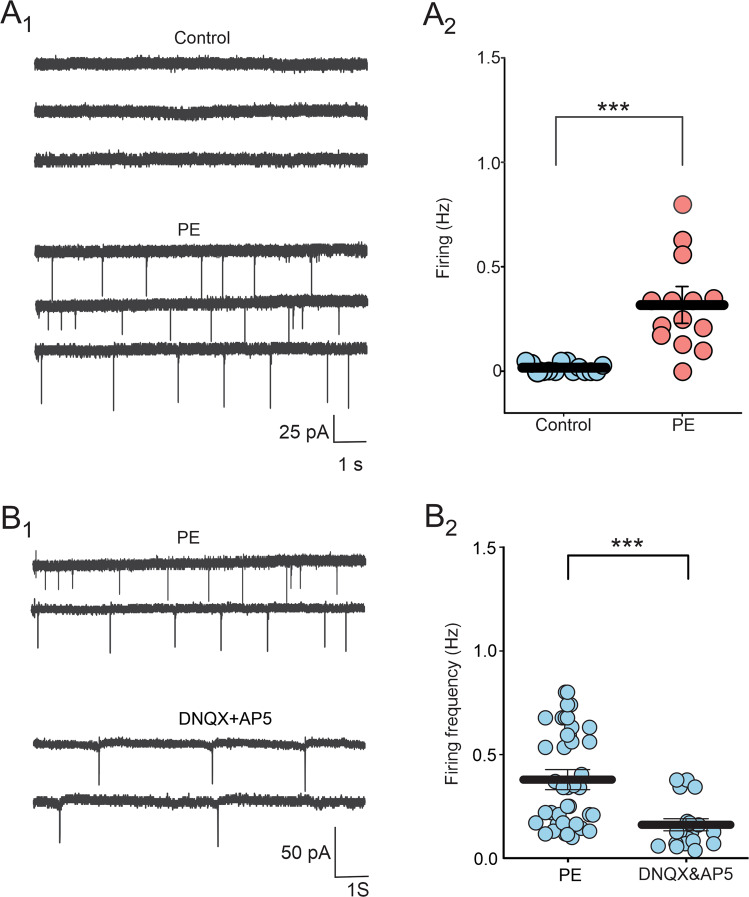
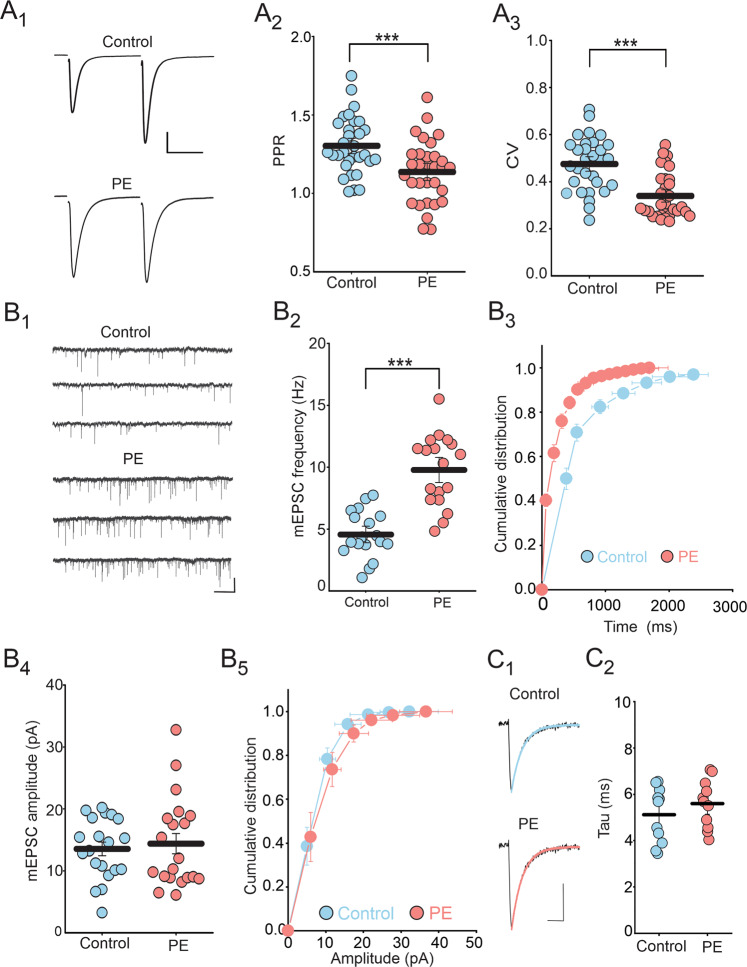
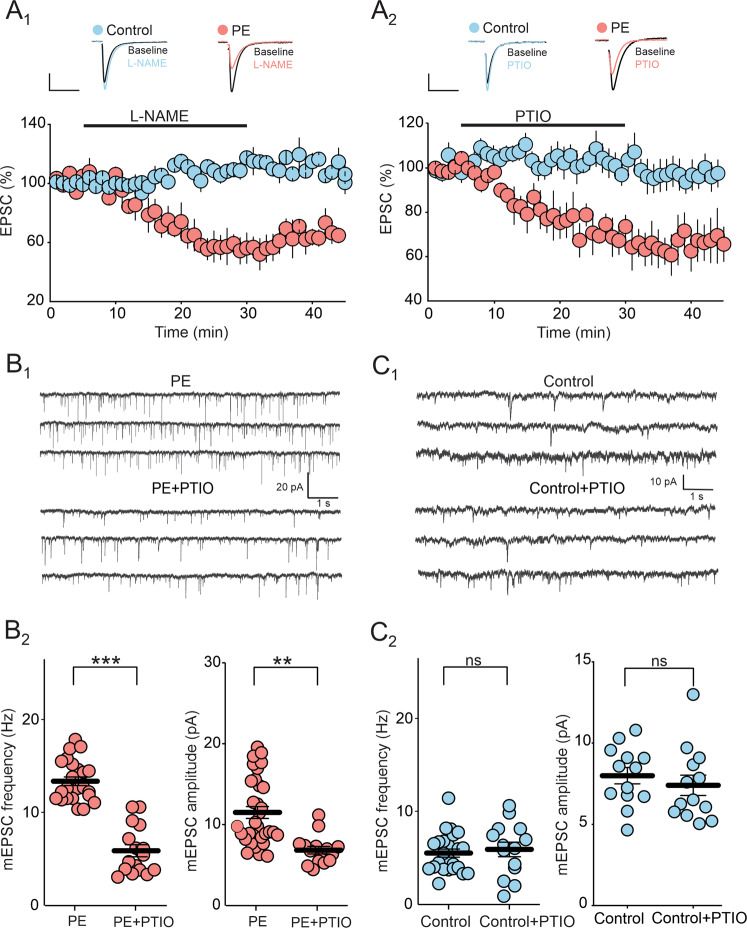
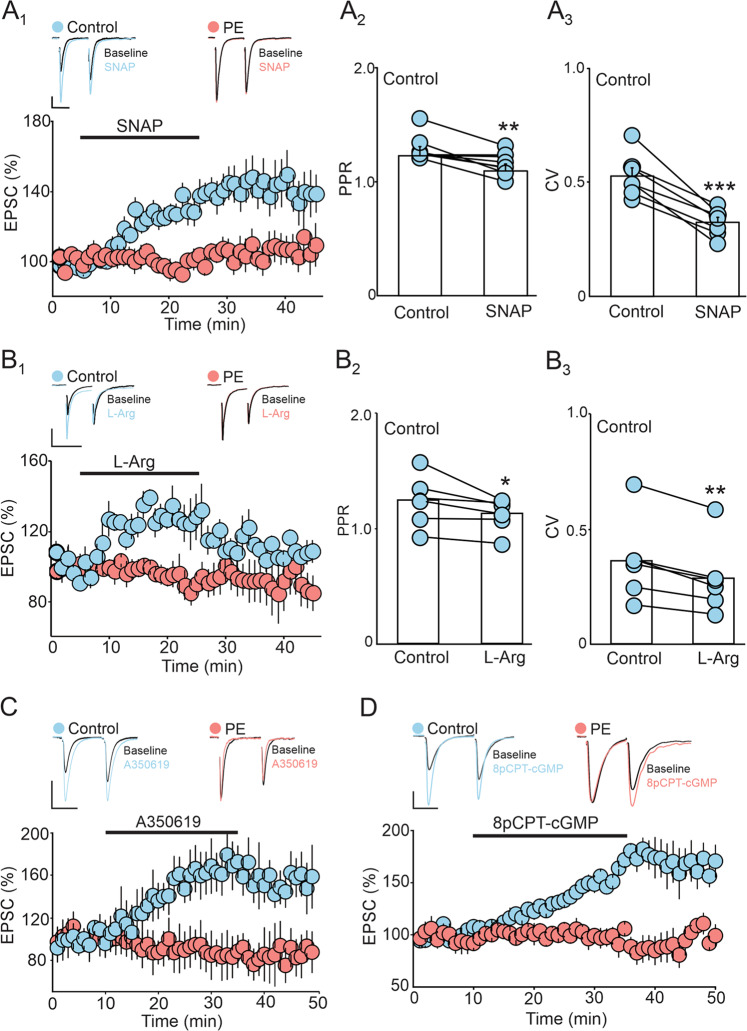
Mood disorders, including anxiety and depression caused by prenatal ethanol exposure (PE) are prevalent conditions in fetal alcohol spectrum disorders (FASDs). Prenatal ethanol exposure is associated with persistent dysfunctions of several neurotransmitter systems, including the serotonin (5-HT) system, which plays a major role in mood regulation and stress homeostasis. While PE is known to disrupt the development of the 5-HT system, the cellular mechanisms by which it alters the function of dorsal raphe nucleus (DRn) 5-HT neurons and their synaptic inputs remain unknown. Here, we used a second-trimester binge-drinking pattern PE (two daily gavages of 15% w/v ethanol at 3 g/kg, 5-6 h apart) during gestational days 8 - 20 and measured anxiety-like behaviors of adult male rats using the elevated plus (EPM) and zero (ZM) mazes. We also employed ex-vivo electrophysiological and pharmacological approaches to unravel the mechanisms by which PE alters the excitability and synaptic transmission onto DRn 5-HT neurons. We found that PE enhanced anxiety-like behaviors in adult male rats and induced a persistent activation of DRn 5-HT neurons. The PE-induced activation of DRn 5-HT neurons was largely mediated by potentiation of DRn glutamate synapses, which was caused by activation of the nitrergic system and impaired endocannabinoid signaling. As such, the present study reveals "push-pull" effects of PE on nitrergic and eCB signaling, respectively, which mediate the enhanced activity of DRn 5-HT neurons and could contribute to anxiety-like behaviors observed in animal model of FASD.
产前乙醇暴露(PE)引起的情绪障碍,包括焦虑和抑郁,是胎儿酒精谱系障碍(FASD)的常见病症。产前乙醇暴露与几种神经递质系统的持续功能障碍有关,包括 5-羟色胺(5-HT)系统,它在情绪调节和应激平衡中起主要作用。虽然已知 PE 会破坏 5-HT 系统的发育,但改变中缝背核(DRn)5-HT 神经元及其突触输入功能的细胞机制尚不清楚。在这里,我们使用了一种在妊娠第 8-20 天进行的中期 binge-drinking 模式的 PE(两次每日灌胃 15%w/v 乙醇,剂量为 3g/kg,间隔 5-6 小时),并使用高架十字迷宫(EPM)和零迷宫(ZM)测量成年雄性大鼠的焦虑样行为。我们还采用了离体电生理和药理学方法来揭示 PE 改变 DRn 5-HT 神经元兴奋性和突触传递的机制。我们发现,PE 增强了成年雄性大鼠的焦虑样行为,并诱导 DRn 5-HT 神经元持续激活。PE 诱导的 DRn 5-HT 神经元激活主要是通过增强 DRn 谷氨酸突触来介导的,这是由氮能系统的激活和内源性大麻素信号的受损引起的。因此,本研究揭示了 PE 对氮能和内源性大麻素信号分别产生的“推-拉”效应,这分别介导了 DRn 5-HT 神经元活性的增强,并可能导致 FASD 动物模型中观察到的焦虑样行为。