Fischer Jan Moritz, Kandil Farid-Ihab, Kessler Christian S, Nayeri Lucas, Zager Laura Sophie, Rocabado Hennhöfer Theresa, Steckhan Nico, Koppold-Liebscher Daniela A, Bringmann Holger C, Schäfer Thomas, Michalsen Andreas, Jeitler Michael
Institute of Social Medicine, Epidemiology and Health Economics, Charité-Universitätsmedizin Berlin, Corporate Member of Freie Universität Berlin and Humboldt-Universität zu Berlin, 10117 Berlin, Germany.
Department of Internal and Integrative Medicine, Immanuel Hospital Berlin, 14109 Berlin, Germany.
J Clin Med. 2022 Sep 26;11(19):5680. doi: 10.3390/jcm11195680.
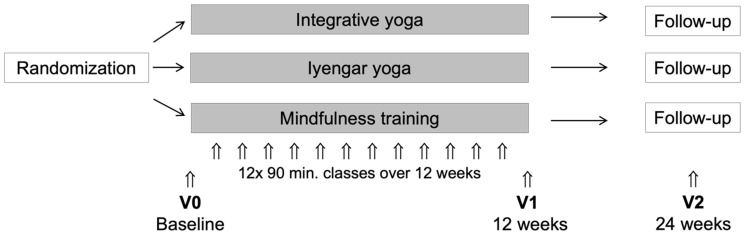
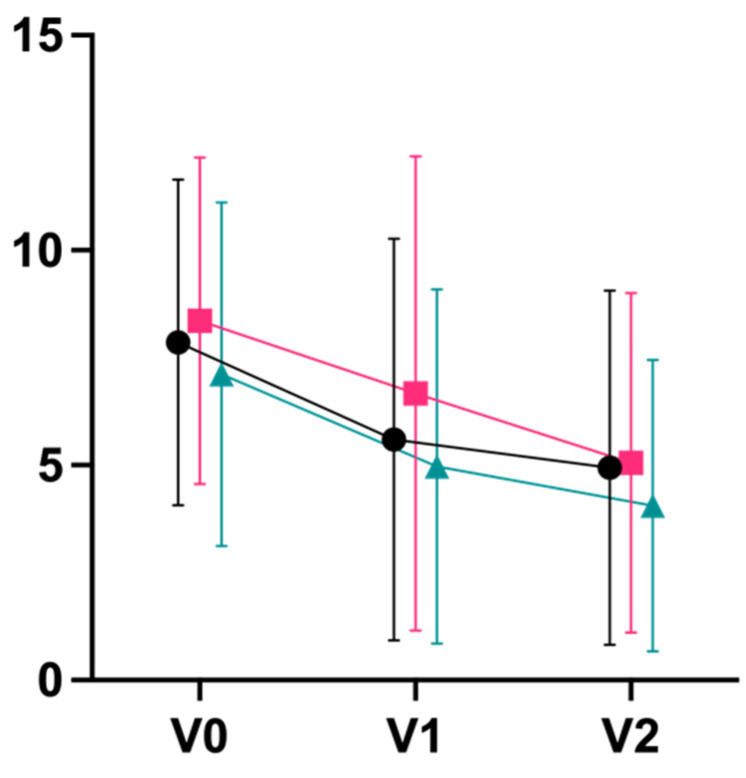
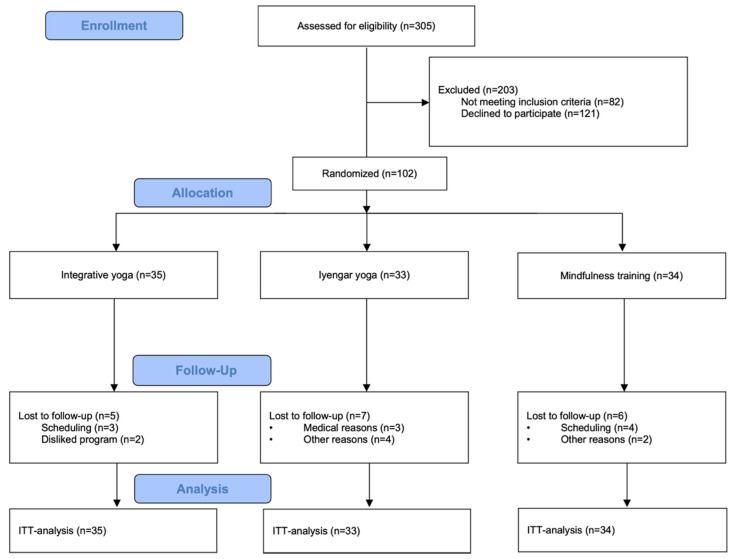
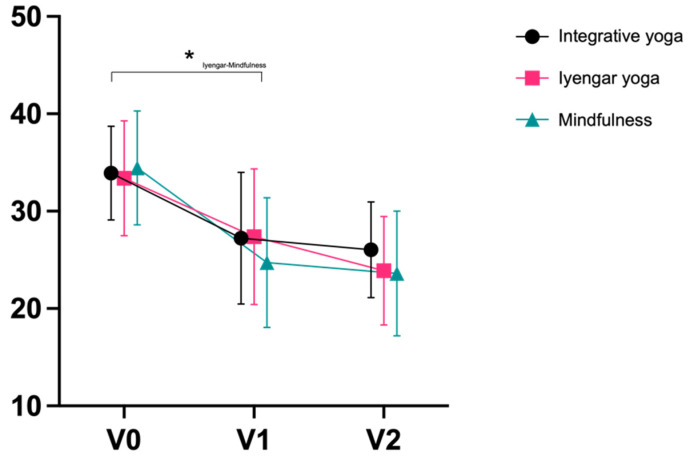
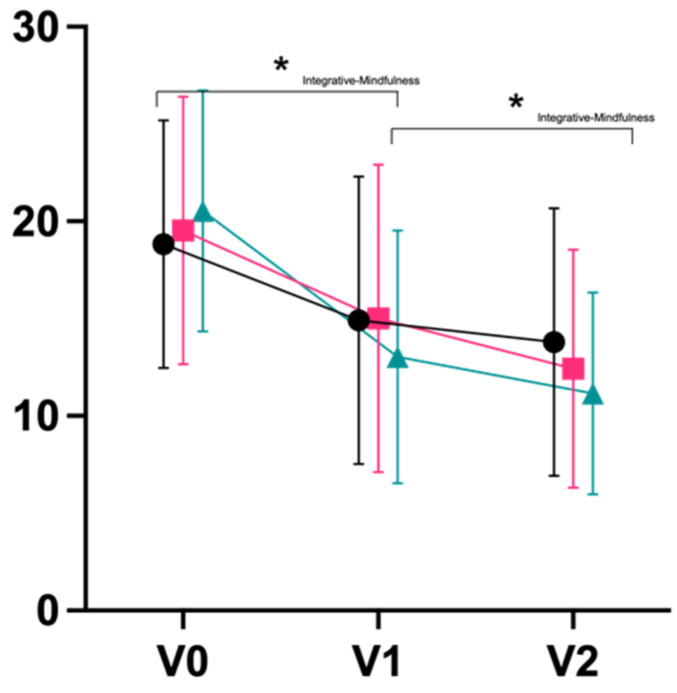
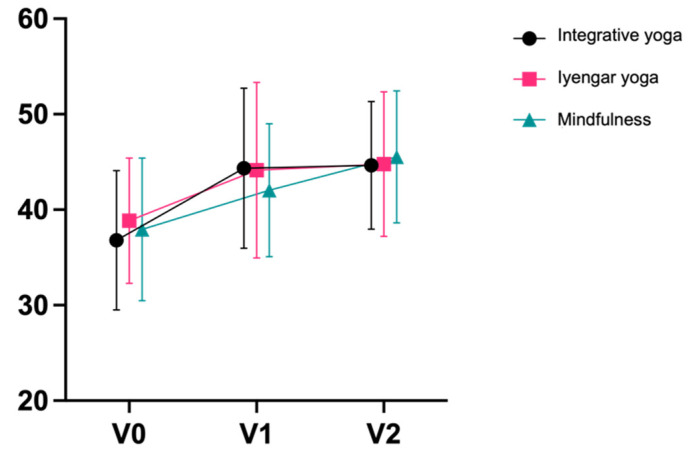
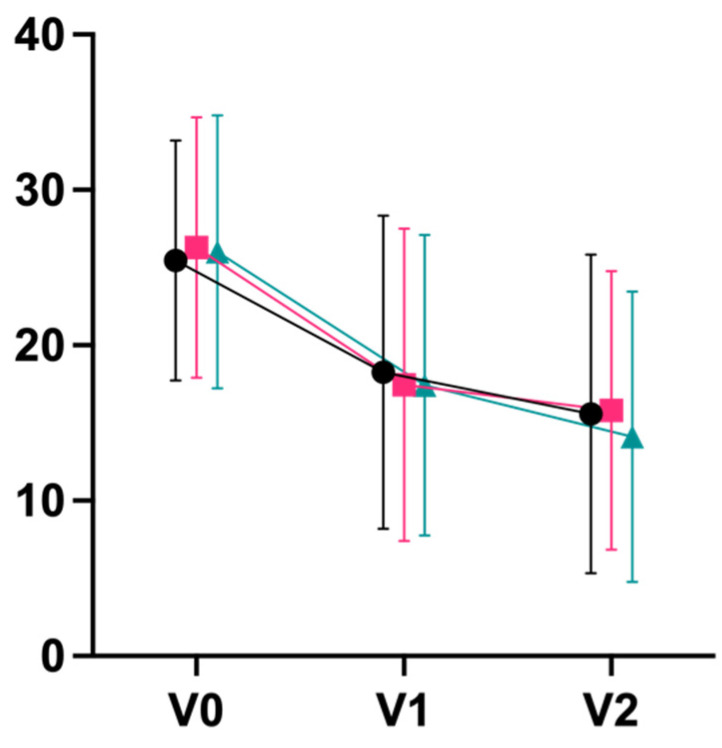
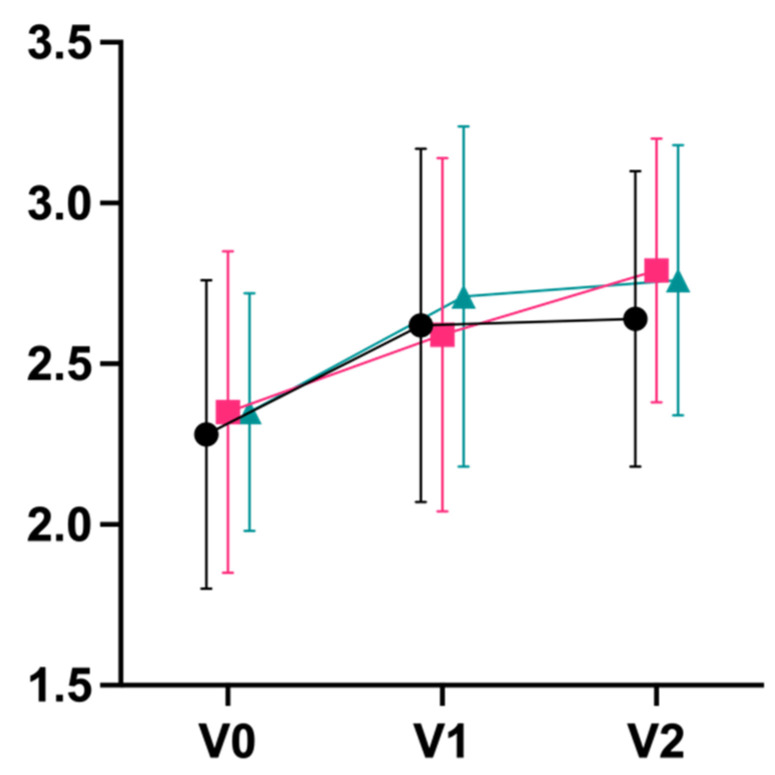
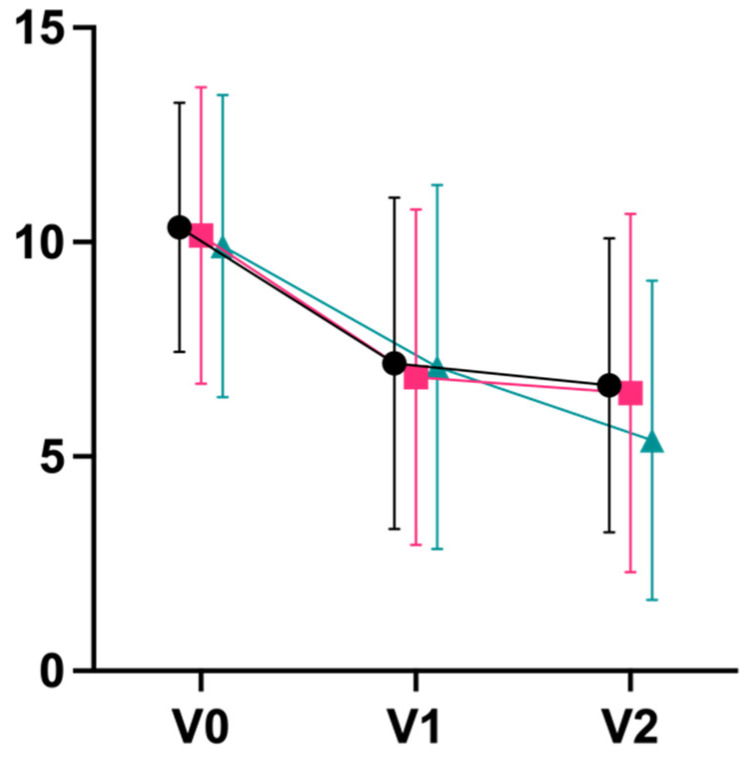
Distress is a growing public health concern. In this three-armed randomized controlled trial, n = 102 adults with elevated stress levels and stress-related symptoms were randomly assigned to (1) “integrative” yoga classes which combined physical exercises, mindfulness training, and ethical/philosophical aspects of traditional yoga; to (2) Iyengar yoga classes which entailed primarily physical exercises; or to (3) mindfulness training without physical training. We hypothesized the synergistic effects of physical yoga exercises, mindfulness, and ethical/philosophical aspects. The primary outcome was the group difference on Cohen’s Perceived Stress Scale (PSS) after 12 weeks. Secondary outcomes included burnout, quality of life, physical complaints, depression, anxiety, mindfulness, interoceptive awareness, self-regulation, spirituality, mysticism, and posttraumatic stress. All outcomes were evaluated at baseline (V0), after 12 weeks (V1), and after 24 weeks (V2). A subset of participants took part in qualitative interviews. A lasting and clinically relevant stress reduction was observed within all groups (PSS ΔV0−V1Integrative Yoga = −6.69 ± 6.19; ΔV0−V1Iyengar Yoga = −6.00 ± 7.37; ΔV0−V1Mindfulness = −9.74 ± 7.80; all p < 0.00). Effect sizes were also statistically large at the end of the follow-up period (Cohen’s d Integrative Yoga = 1.41; d Iyengar Yoga = 1.37; d Mindfulness = 1.23). There were no significant group differences or evidence of relevant synergistic effects from combining mindfulness and physical yoga exercises. All three interventions were found to be equally effective methods of stress reduction. Their use in practice should be based on availability and patient preference.
压力是一个日益受到关注的公共卫生问题。在这项三臂随机对照试验中,102名压力水平升高且有压力相关症状的成年人被随机分配到:(1)“综合”瑜伽课程,该课程结合了体育锻炼、正念训练以及传统瑜伽的伦理/哲学方面;(2)艾扬格瑜伽课程,主要是体育锻炼;或(3)无体育训练的正念训练。我们假设体育瑜伽锻炼、正念以及伦理/哲学方面具有协同效应。主要结局是12周后科恩感知压力量表(PSS)的组间差异。次要结局包括倦怠、生活质量、身体不适、抑郁、焦虑、正念、内感受觉知、自我调节、灵性、神秘主义和创伤后应激。所有结局在基线(V0)、12周后(V1)和24周后(V2)进行评估。一部分参与者参加了定性访谈。在所有组中均观察到了持续且具有临床意义的压力减轻(PSS ΔV0−V1综合瑜伽 = -6.69 ± 6.19;ΔV0−V1艾扬格瑜伽 = -6.00 ± 7.37;ΔV0−V1正念 = -9.74 ± 7.80;所有p < 0.00)。随访期末效应量在统计学上也很大(科恩d值:综合瑜伽 = 1.41;艾扬格瑜伽 = 1.37;正念 = 1.23)。没有显著的组间差异,也没有证据表明正念与体育瑜伽锻炼相结合会产生相关协同效应。发现所有三种干预措施都是减轻压力的同等有效方法。它们在实践中的应用应基于可及性和患者偏好。