Lv Qiuyue, Lin Jinrong, Wu Xinyan, Pu Huanhuan, Guan Yuwen, Xiao Peigen, He Chunnian, Jiang Baoping
Institute of Medicinal Plant Development, Chinese Academy of Medical Sciences, Peking Union Medical College, Beijing, China.
Key Laboratory of Bioactive Substances and Resources Utilization of Chinese Herbal Medicine, Ministry of Education, Beijing, China.
Front Pharmacol. 2022 Oct 5;13:986931. doi: 10.3389/fphar.2022.986931. eCollection 2022.
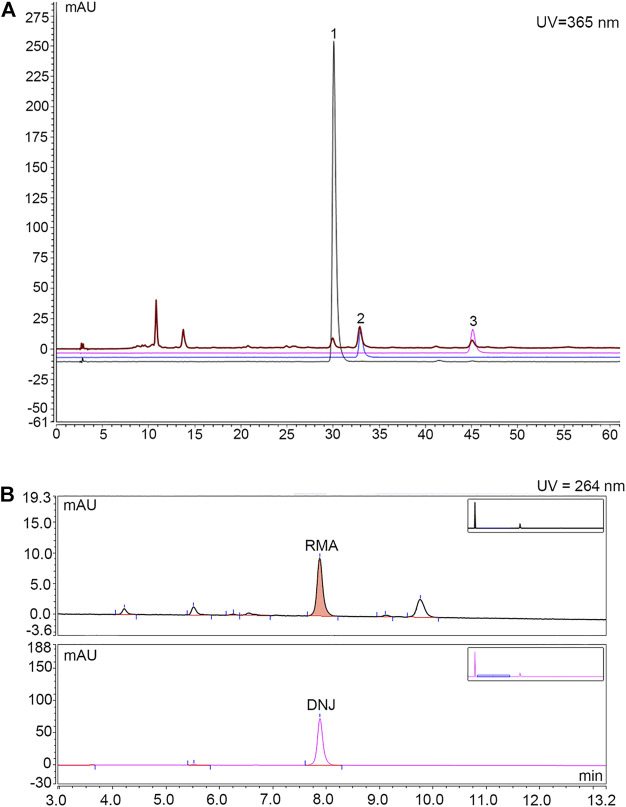
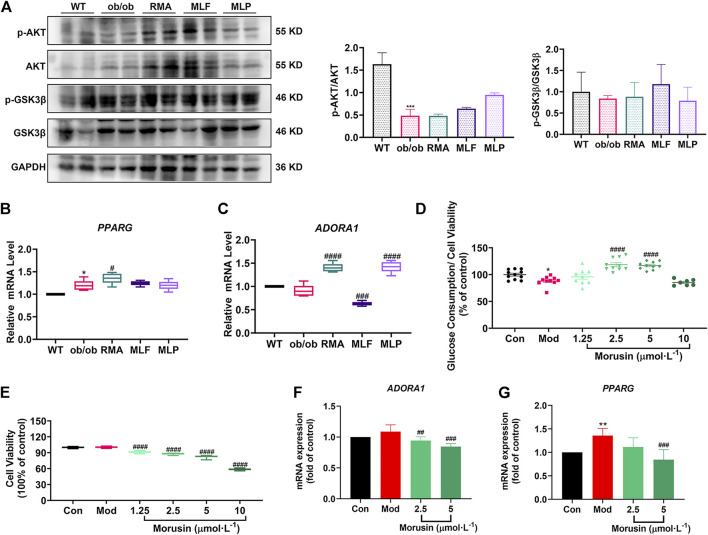
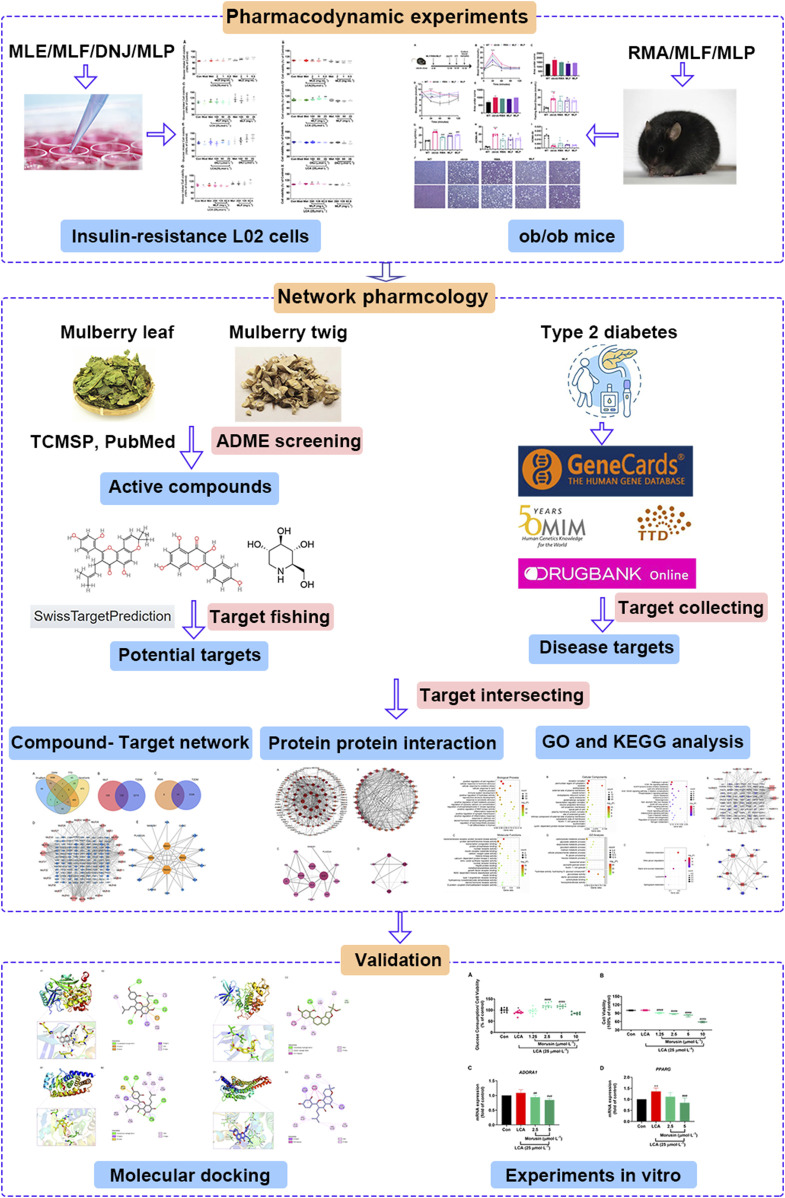
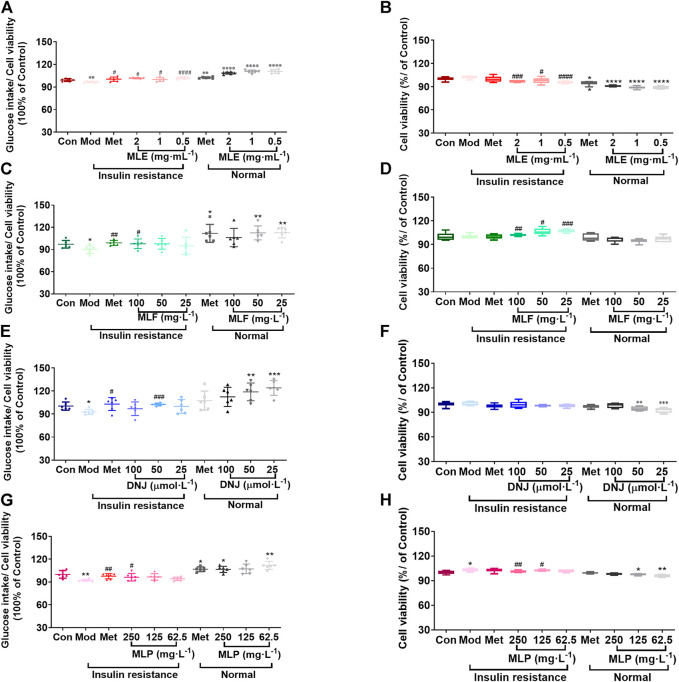
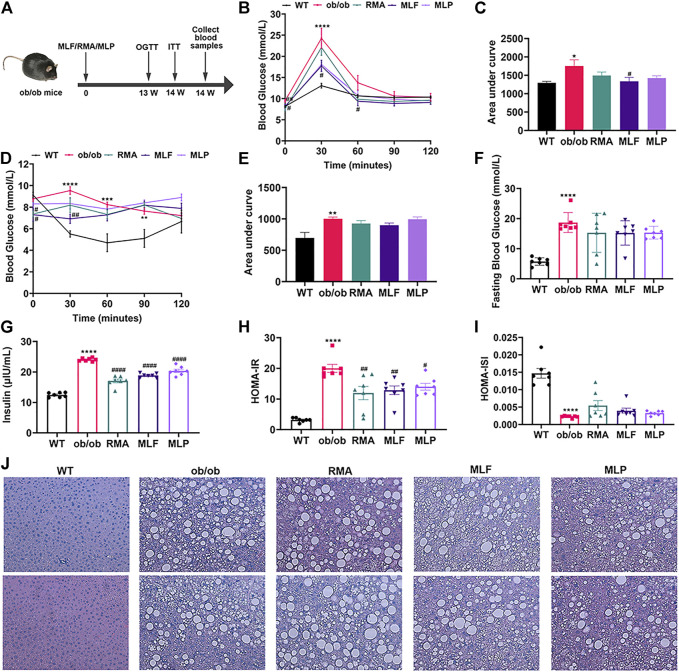
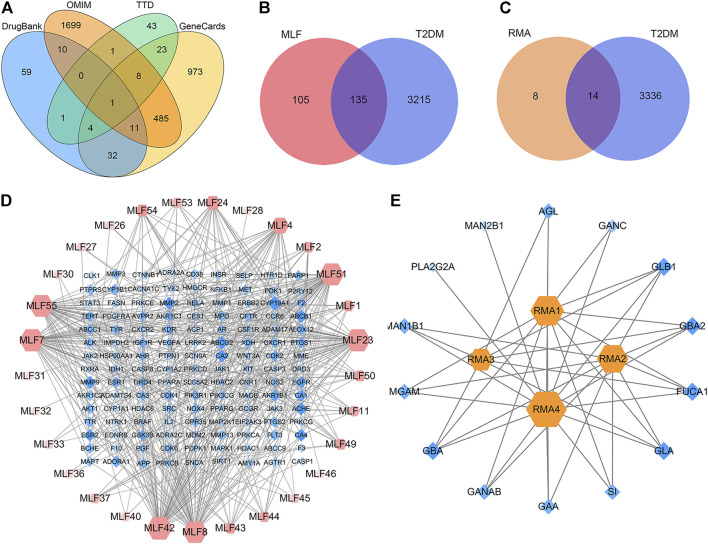
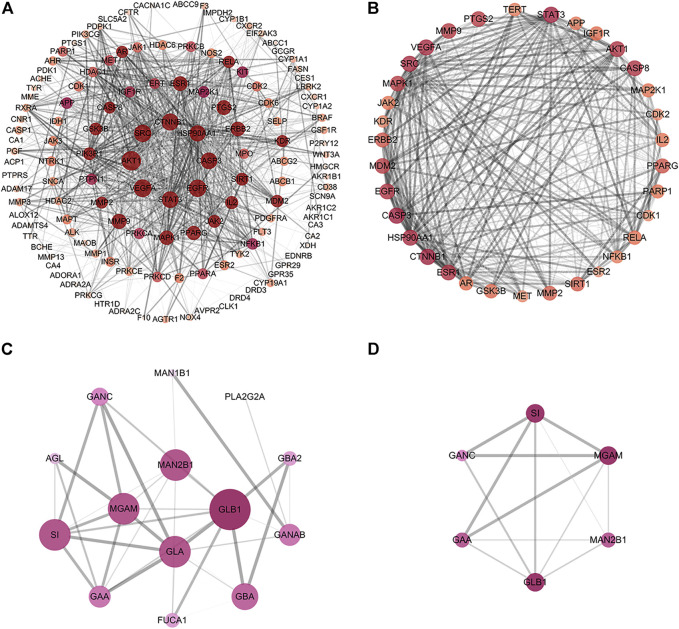
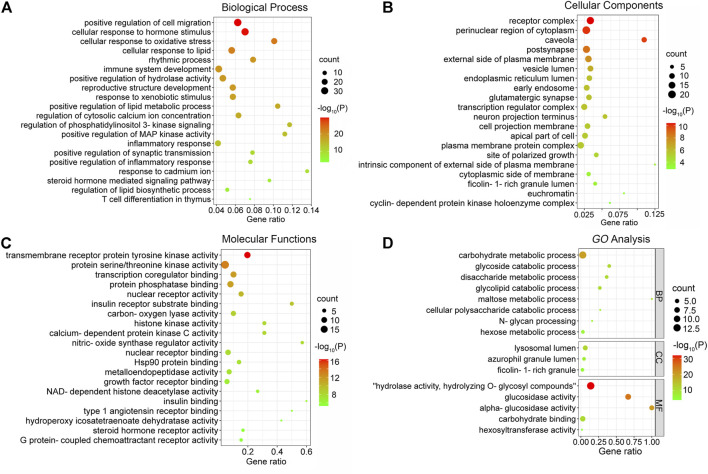
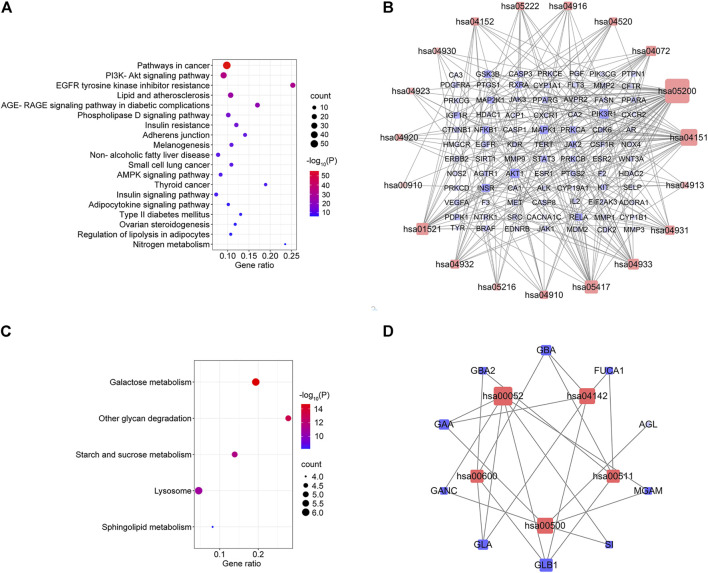
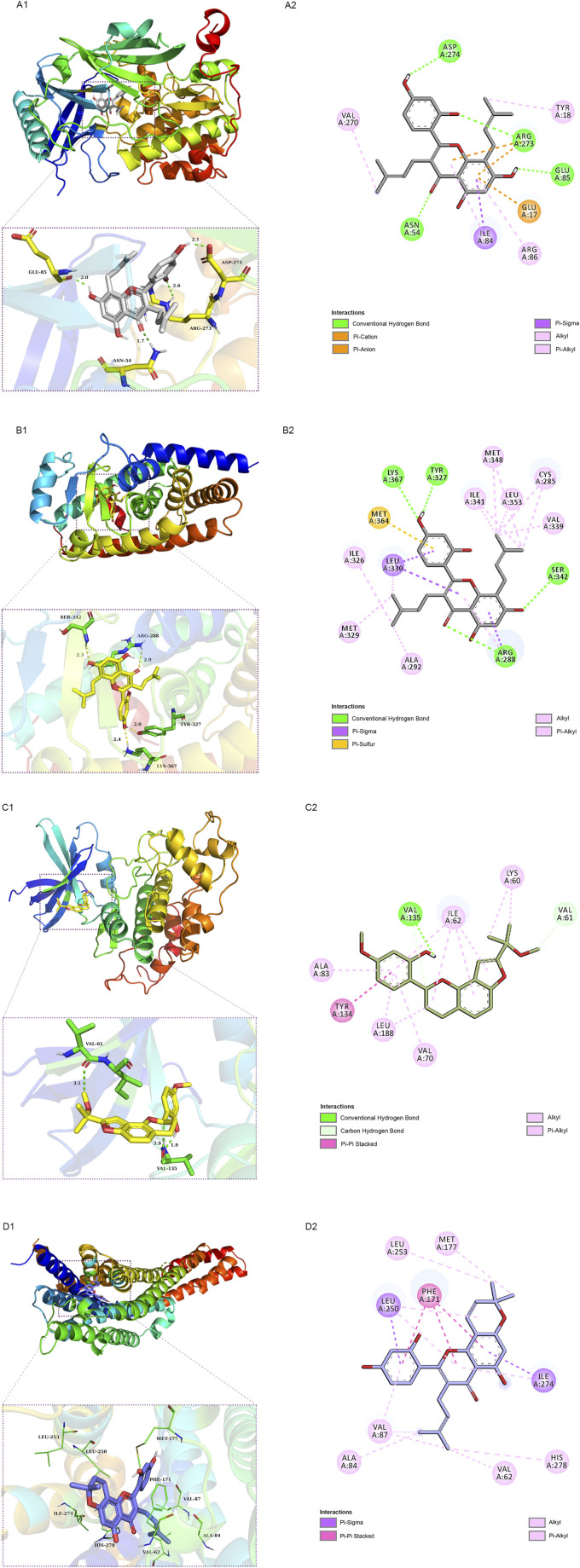
Mulberry ( L.) leaves have long been considered beneficial in traditional Chinese medicine to treat infectious and internal diseases. Recently studies have discovered that the mulberry leaf's total flavonoids (MLF) display excellent hypoglycemia properties. However, the active ingredients and their molecular mechanisms are still uncharacterized. In this study, we explored the hypoglycemic effects of MLF and mulberry leaf polysaccharides (MLP) on ob/ob mice, an animal model of type 2 diabetes mellitus (T2DM), compared with (Sangzhi) alkaloid (RMA). Network pharmacology was employed to identify the potential available targets and active compounds of MLF and RMA against hyperglycemia. Molecular docking, an insulin-resistant cell model and qPCR were employed to verify the antidiabetic activity of the critical compounds and the gene expression profiles of the top molecular targets. Here, the results showed that MLF and MLP improved glucose uptake in insulin-resistant hepatocytes. MLF, MLP and RMA alleviated insulin resistance and glucose intolerance in ob/ob mice. Unlike MLF and MLP, RMA administration did not influence the accumulation of intrahepatic lipids. Network pharmacology analysis revealed that morusin, kuwanon C and morusyunnansin L are the main active compounds of MLF and that they amend insulin resistance and glycemia the PI3K- Akt signaling pathway, lipid and atherosclerosis pathways, and the AGE-RAGE signaling pathway. Moreover, 1-deoxynojirimycin (DNJ), fagomine (FA), and N-methyl-1-deoxynojirimycin are the primary active ingredients of RMA and target carbohydrate metabolism and regulate alpha-glucosidase activity to produce a potent anti-diabetic effect. The molecular docking results indicated that morusin, kuwanon C and morusyunnansin L are the critical bioactive compounds of MLF. They had high affinities with the key targets adenosine A1 receptor (ADORA1), AKT serine/threonine kinase 1 (AKT1), peroxisome proliferator-activated receptor gamma (PPARγ), and glycogen synthase kinase 3 beta (GSK3β), which play crucial roles in the MLF-mediated glucose-lowering effect. Additionally, morusin plays a role in amending insulin resistance of hepatocytes by repressing the expression of the and genes. Our results shed light on the mechanism behind the glucose-lowering effects of MLF, suggesting that morusin, kuwanon C, and morusyunnansin L might be promising drug leads for the management of T2DM.
桑叶长期以来在中国传统医学中被认为对治疗传染病和内科疾病有益。最近的研究发现,桑叶总黄酮(MLF)具有出色的降血糖特性。然而,其活性成分及其分子机制仍未明确。在本研究中,我们探究了MLF和桑叶多糖(MLP)对2型糖尿病(T2DM)动物模型ob/ob小鼠的降血糖作用,并与桑枝生物碱(RMA)进行了比较。采用网络药理学来确定MLF和RMA对抗高血糖的潜在可用靶点和活性化合物。利用分子对接、胰岛素抵抗细胞模型和qPCR来验证关键化合物的抗糖尿病活性以及顶级分子靶点的基因表达谱。在此,结果表明MLF和MLP可改善胰岛素抵抗肝细胞中的葡萄糖摄取。MLF、MLP和RMA可减轻ob/ob小鼠的胰岛素抵抗和葡萄糖不耐受。与MLF和MLP不同,给予RMA不会影响肝内脂质的积累。网络药理学分析显示,桑色素、桑皮素C和桑云喃素L是MLF的主要活性化合物,它们通过PI3K-Akt信号通路、脂质和动脉粥样硬化通路以及AGE-RAGE信号通路改善胰岛素抵抗和血糖水平。此外,1-脱氧野尻霉素(DNJ)、法戈明(FA)和N-甲基-1-脱氧野尻霉素是RMA的主要活性成分,靶向碳水化合物代谢并调节α-葡萄糖苷酶活性以产生强大的抗糖尿病作用。分子对接结果表明,桑色素、桑皮素C和桑云喃素L是MLF的关键生物活性化合物。它们与关键靶点腺苷A1受体(ADORA1)、AKT丝氨酸/苏氨酸激酶1(AKT1)、过氧化物酶体增殖物激活受体γ(PPARγ)和糖原合酶激酶3β(GSK3β)具有高亲和力,这些靶点在MLF介导的降糖作用中起关键作用。此外,桑色素通过抑制相关基因的表达在改善肝细胞胰岛素抵抗中发挥作用。我们的结果揭示了MLF降血糖作用背后的机制,表明桑色素、桑皮素C和桑云喃素L可能是治疗T2DM的有前景的药物先导物。