Antunes Francisco, Cordeiro Rita, Virgolino Ana
Instituto de Saúde Ambiental, Faculdade de Medicina da Universidade de Lisbon, 1649-028 Lisbon, Portugal.
Laboratório Associado TERRA, Faculdade de Medicina da Universidade de Lisbon, 1649-028 Lisbon, Portugal.
Infect Dis Rep. 2022 Sep 30;14(5):772-783. doi: 10.3390/idr14050079.
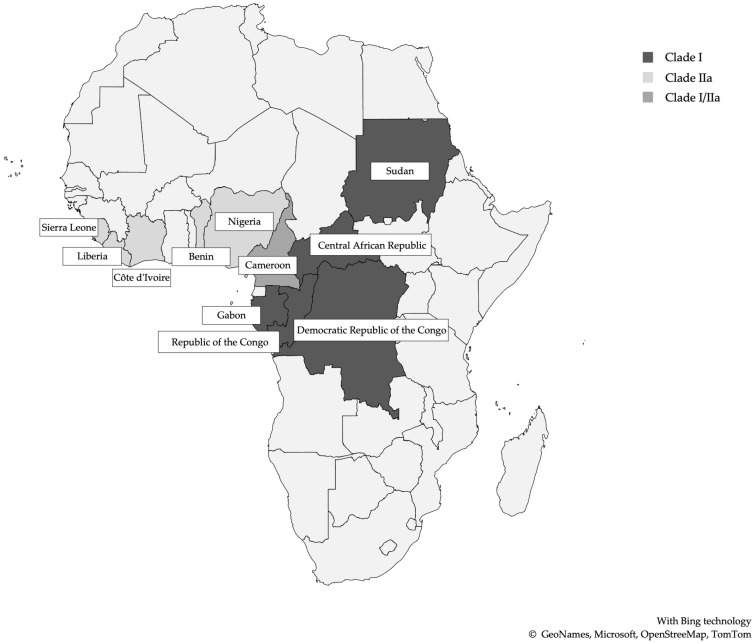
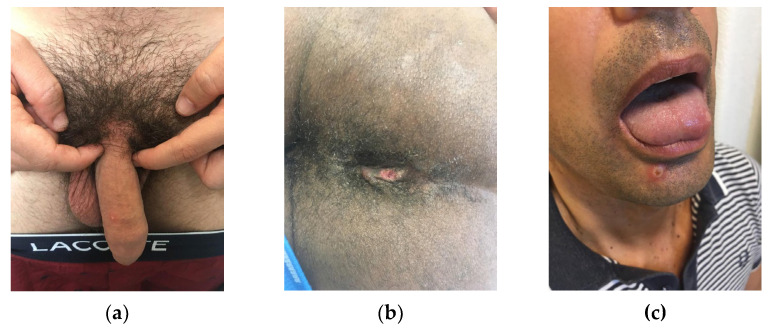
Since the first case of human monkeypox was diagnosed in 1970, the disease remained endemic in several countries in West and Central Africa. In 1996, there was a sudden increase in cases in the Democratic Republic of Congo (DRC), and since 2017 an ongoing outbreak in Nigeria took place, probably related to the population growth, human invasion of MPXV animal habitat reservoirs, and the waning of the cross-protection offered from smallpox immunization, later ending in 1980. Since May 2022, an unprecedented outbreak of human monkeypox has rapidly spread around the world, outside endemic regions of Africa, through new modes of transmission, showing differences in clinical features compared with previous reports. The 2022 MPXV strain belongs to the clade of West Africa but diverges from the original strain, making the virus more transmissible. The authors review the main milestones in more than 50 years of history of human monkeypox, from a rare viral zoonotic infection to a public health emergency.
自1970年首例人类猴痘病例被确诊以来,该疾病在西非和中非的几个国家一直呈地方性流行。1996年,刚果民主共和国的病例突然增加,自2017年以来,尼日利亚持续发生疫情,这可能与人口增长、人类对猴痘病毒动物栖息地的侵入以及天花免疫提供的交叉保护作用减弱有关,天花免疫于1980年结束。自2022年5月以来,一场前所未有的人类猴痘疫情通过新的传播方式在非洲以外的世界各地迅速蔓延,与之前的报告相比,临床特征有所不同。2022年的猴痘病毒株属于西非分支,但与原始毒株不同,这使得该病毒更具传染性。作者回顾了人类猴痘50多年历史中的主要里程碑事件,从一种罕见的病毒性人畜共患病感染到一场公共卫生紧急事件。