Laboratory of Regenerative Biomedicine, Institute of Cytology, Russian Academy of Sciences, 119991 Saint-Petersburg, Russia.
Int J Mol Sci. 2022 Oct 19;23(20):12509. doi: 10.3390/ijms232012509.
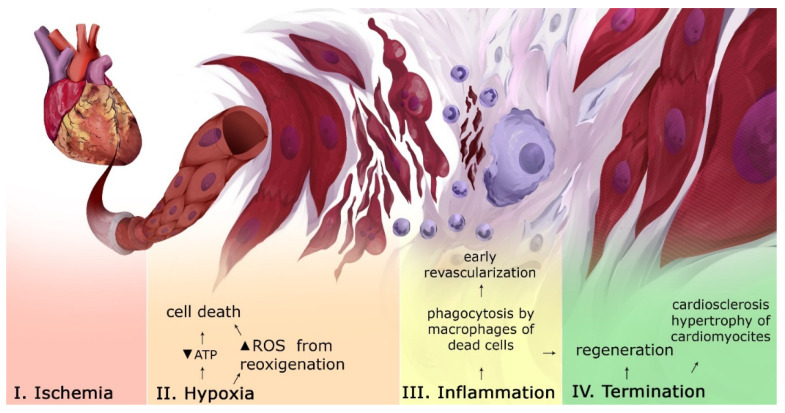
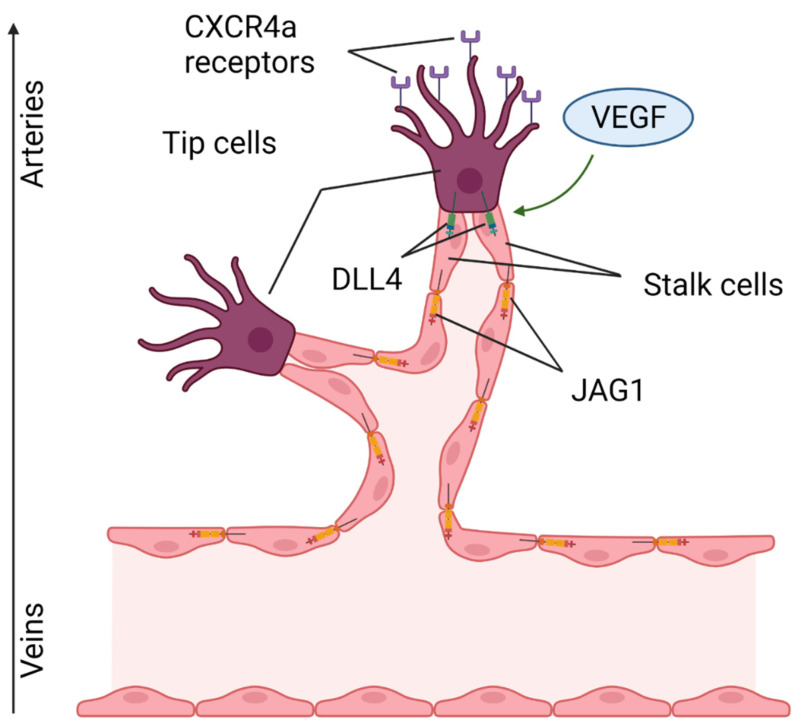
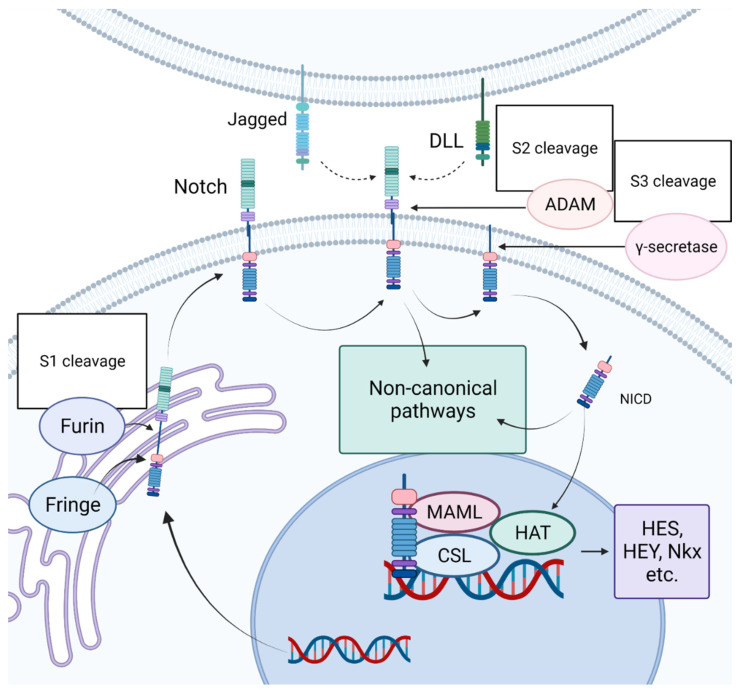
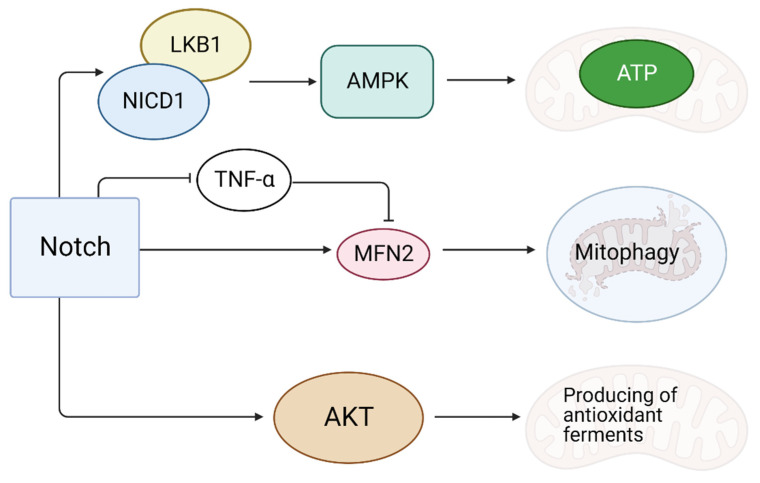
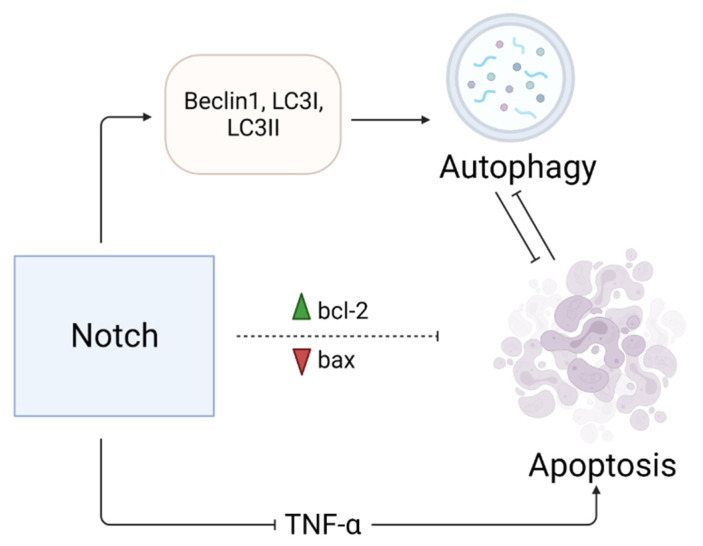
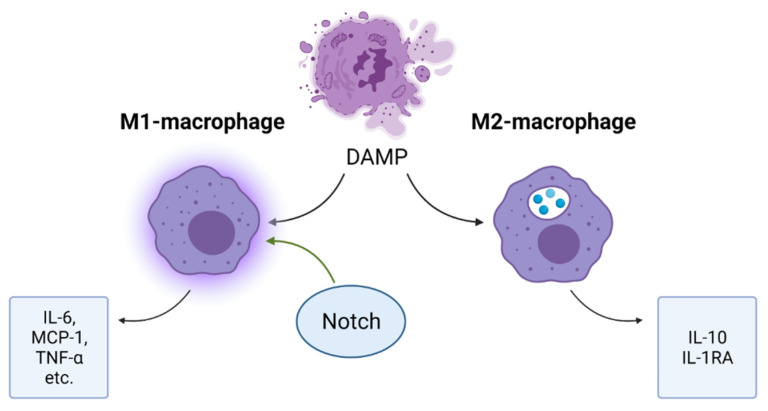
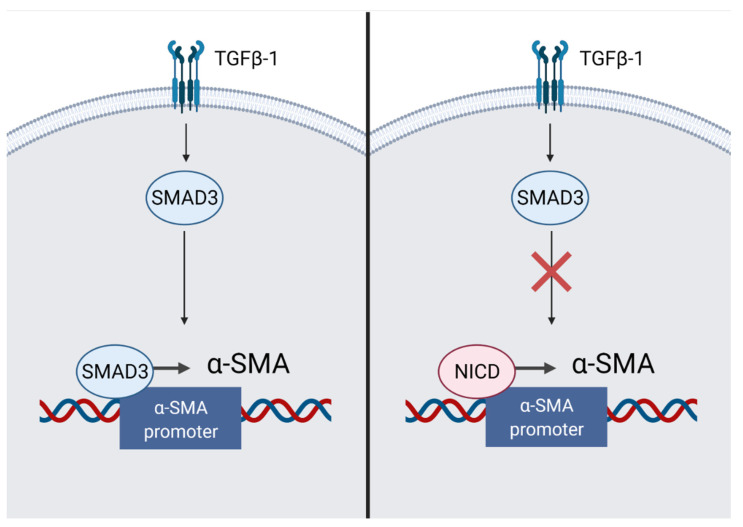
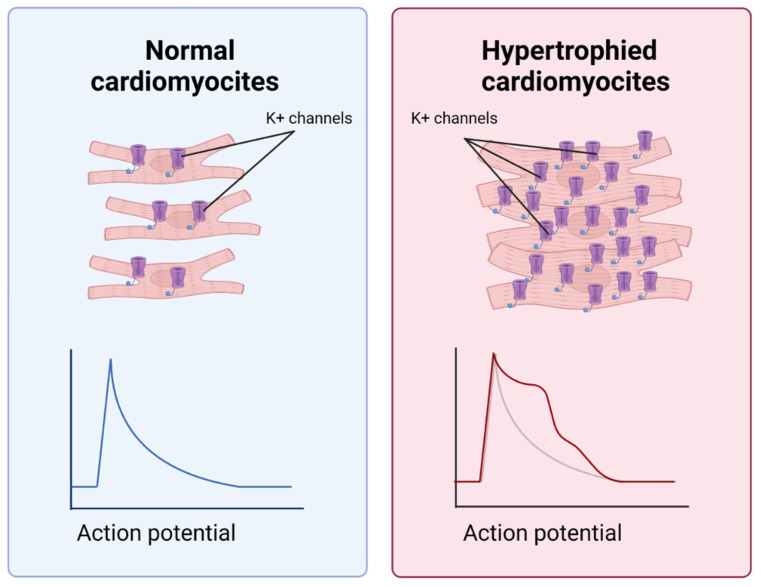
Myocardial infarction (MI) is a pathological process, evidencing as massive death of cardiomyocytes associated with hypoxic and oxidative stress. The formation of areas of fibrosis ultimately leads to heart failure. There are some mechanisms that contribute to the functional repair of the heart. In most mammals, including humans, the Notch signaling pathway has cardioprotective effects. It is involved in the formation of the heart in embryogenesis and in the restoration of cardiac function after MI due to: (1) reducing oxidative stress; (2) prevention of apoptosis; (3) regulation of inflammation; (4) containment of fibrosis and hypertrophy of cardiomyocytes; (5) tissue revascularization; and (6) regulation of proliferation and differentiation of cardiomyocytes. In addition, the Notch signaling pathway interacts with other signaling cascades involved in the pathogenesis of MI and subsequent cardiac repair. In this review, we consider the Notch signaling pathway as a potential target for therapeutic approaches aimed at improving cardiac recovery after MI.
心肌梗死(MI)是一种病理过程,表现为与缺氧和氧化应激相关的大量心肌细胞死亡。纤维化区域的形成最终导致心力衰竭。有一些机制有助于心脏的功能修复。在大多数哺乳动物中,包括人类,Notch 信号通路具有心脏保护作用。它参与胚胎心脏的形成以及 MI 后心脏功能的恢复,原因是:(1)减少氧化应激;(2)防止细胞凋亡;(3)调节炎症;(4)抑制心肌细胞纤维化和肥大;(5)组织再血管化;(6)调节心肌细胞的增殖和分化。此外,Notch 信号通路与 MI 发病机制和随后心脏修复过程中涉及的其他信号级联相互作用。在这篇综述中,我们将 Notch 信号通路视为一种有潜力的治疗靶点,旨在改善 MI 后心脏的恢复。