Yang Weijian, Yuan Qiang, Li Zhiqi, Du Zhuoying, Wu Gang, Yu Jian, Hu Jin
Department of Neurosurgery, Huashan Hospital, Shanghai Medical College, Fudan University, Shanghai 200040, China.
National Center for Neurological Disorders, Shanghai 200040, China.
Microorganisms. 2022 Oct 21;10(10):2082. doi: 10.3390/microorganisms10102082.
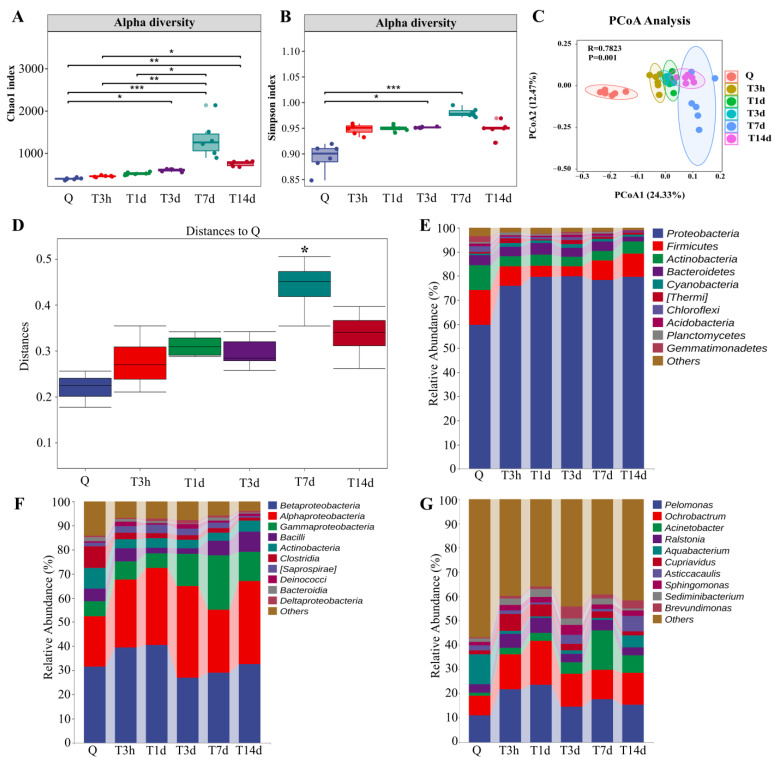
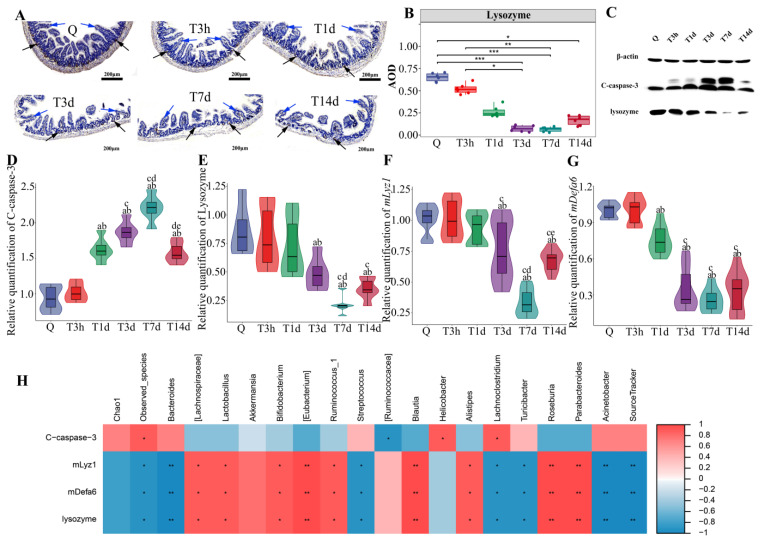
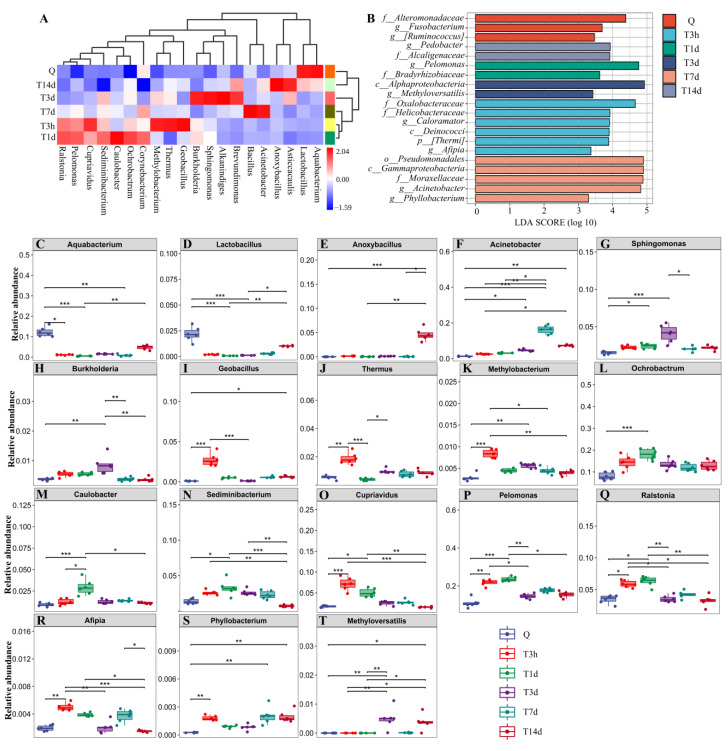
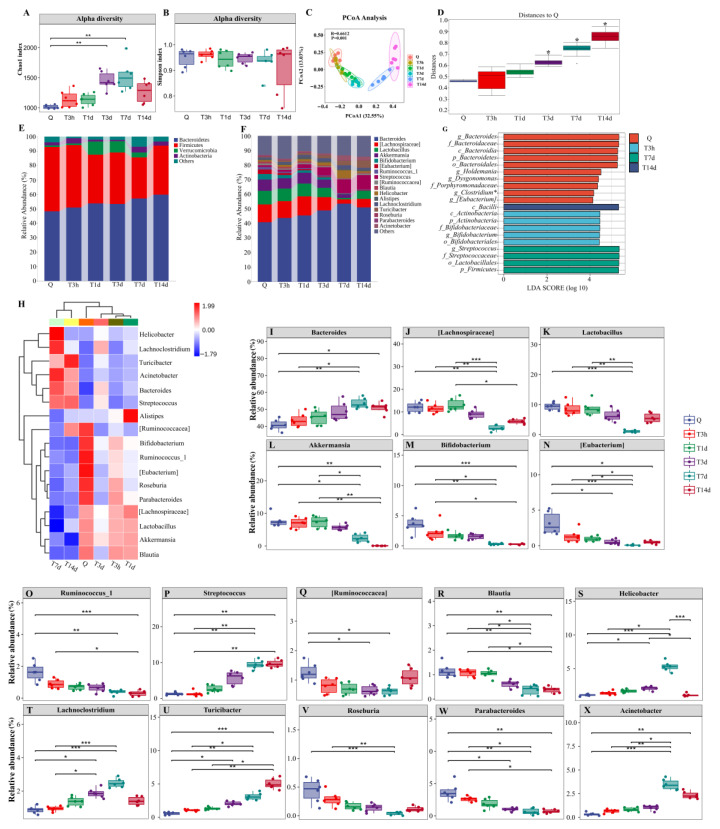
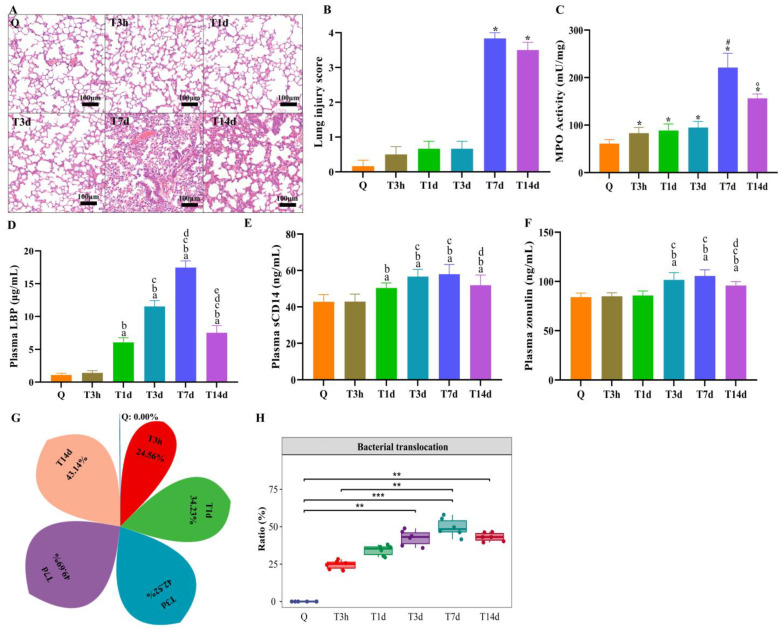
Enterobacteriaceae are often found in the lungs of patients with severe Traumatic Brain Injury (sTBI). However, it is unknown whether these bacteria come from the gut microbiota. To investigate this hypothesis, the mice model of sTBI was used in this study. After sTBI, Chao1 and Simpson index peaking at 7 d in the lungs (p < 0.05). The relative abundance of Acinetobacter in the lungs increased to 16.26% at 7 d after sTBI. The chao1 index of gut microbiota increased after sTBI and peaked at 7 d (p < 0.05). Three hours after sTBI, the conditional pathogens such as Lachnoclostridium, Acinetobacter, Bacteroides and Streptococcus grew significantly. At 7 d and 14 d, the histology scores in the sTBI group were significantly higher than the control group (p < 0.05). The myeloperoxidase (MPO) activity increased at all-time points after sTBI and peaked at 7 d (p < 0.05). The LBP and sCD14 peaking 7 d after sTBI (p < 0.05). The Zonulin increased significantly at 3 d after sTBI and maintained the high level (p < 0.05). SourceTracker identified that the lung tissue microbiota reflects 49.69% gut source at 7 d after sTBI. In the small intestine, sTBI induced gastrointestinal dysfunction with increased apoptosis and decreasing antimicrobial peptides. There was a negative correlation between gut conditional pathogens and the expression level of antimicrobial peptides in Paneth cells. Our data indicate that gut bacteria translocated to the lungs after sTBI, and Paneth cells may regulate gut microbiota stability and translocation.
肠杆菌科细菌常存在于重度创伤性脑损伤(sTBI)患者的肺部。然而,尚不清楚这些细菌是否来自肠道微生物群。为了探究这一假设,本研究使用了sTBI小鼠模型。sTBI后,肺部的Chao1和辛普森指数在第7天达到峰值(p<0.05)。sTBI后第7天,肺部不动杆菌的相对丰度增加到16.26%。sTBI后肠道微生物群的chao1指数升高,并在第7天达到峰值(p<0.05)。sTBI后3小时,诸如迟缓真杆菌、不动杆菌、拟杆菌和链球菌等条件致病菌显著生长。在第7天和第14天,sTBI组的组织学评分显著高于对照组(p<0.05)。sTBI后所有时间点髓过氧化物酶(MPO)活性均升高,并在第7天达到峰值(p<0.05)。LBP和sCD14在sTBI后第7天达到峰值(p<0.05)。闭合蛋白在sTBI后第3天显著增加并维持在高水平(p<0.05)。SourceTracker分析表明,sTBI后第7天肺组织微生物群有49.69%来源于肠道。在小肠中,sTBI诱导胃肠功能障碍,细胞凋亡增加,抗菌肽减少。肠道条件致病菌与潘氏细胞中抗菌肽的表达水平呈负相关。我们的数据表明,sTBI后肠道细菌易位至肺部,潘氏细胞可能调节肠道微生物群的稳定性和易位。