Laboratório de Bacteriologia, Instituto Butantan, São Paulo 05503-900, Brazil.
Centro de Ciências e Tecnologia dos Materiais, Instituto de Pesquisas Energéticas e Nucleares, IPEN/CNEN-SP, São Paulo 05508-900, Brazil.
Molecules. 2022 Oct 13;27(20):6860. doi: 10.3390/molecules27206860.
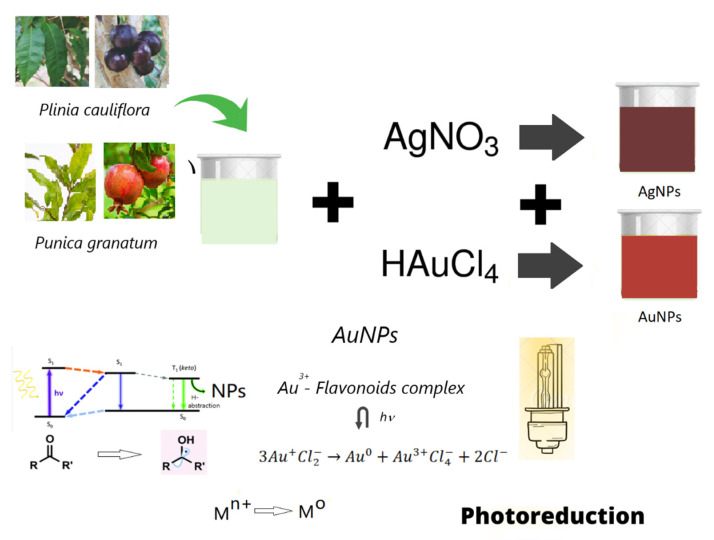
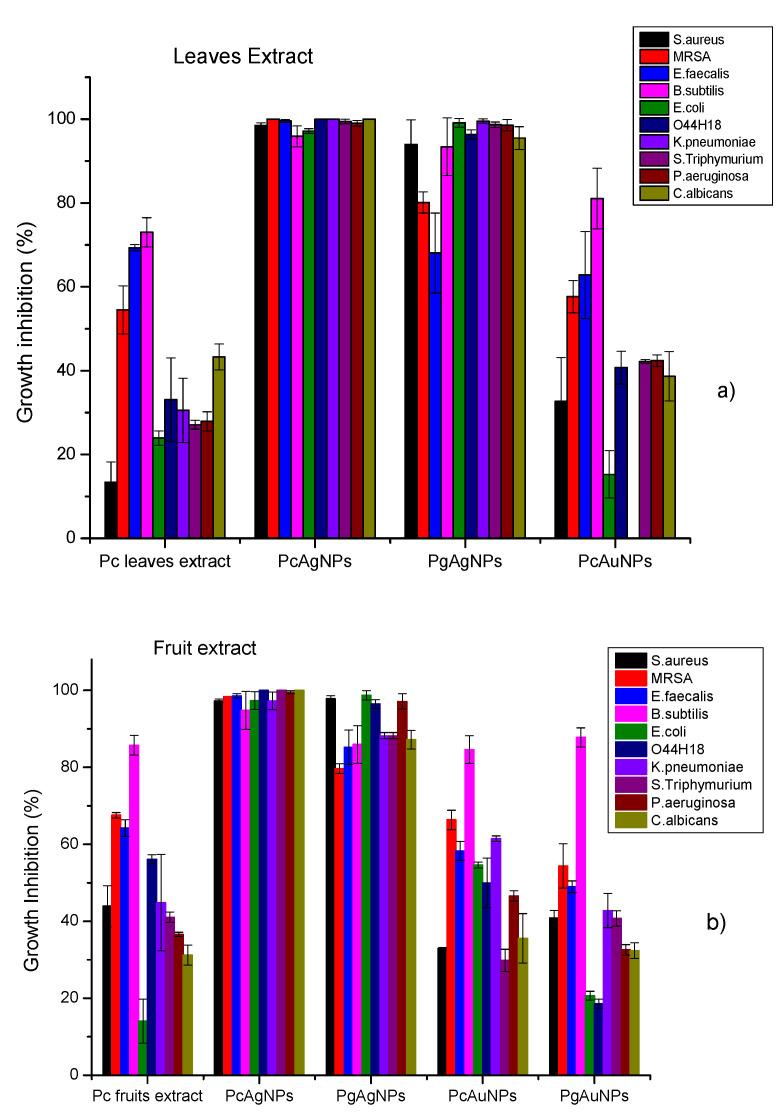
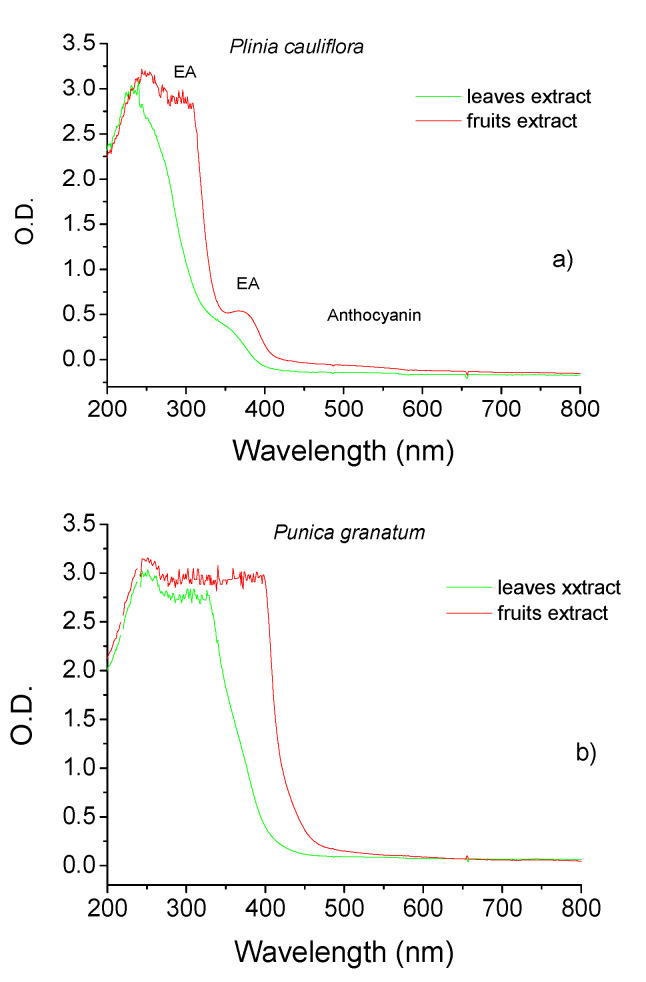
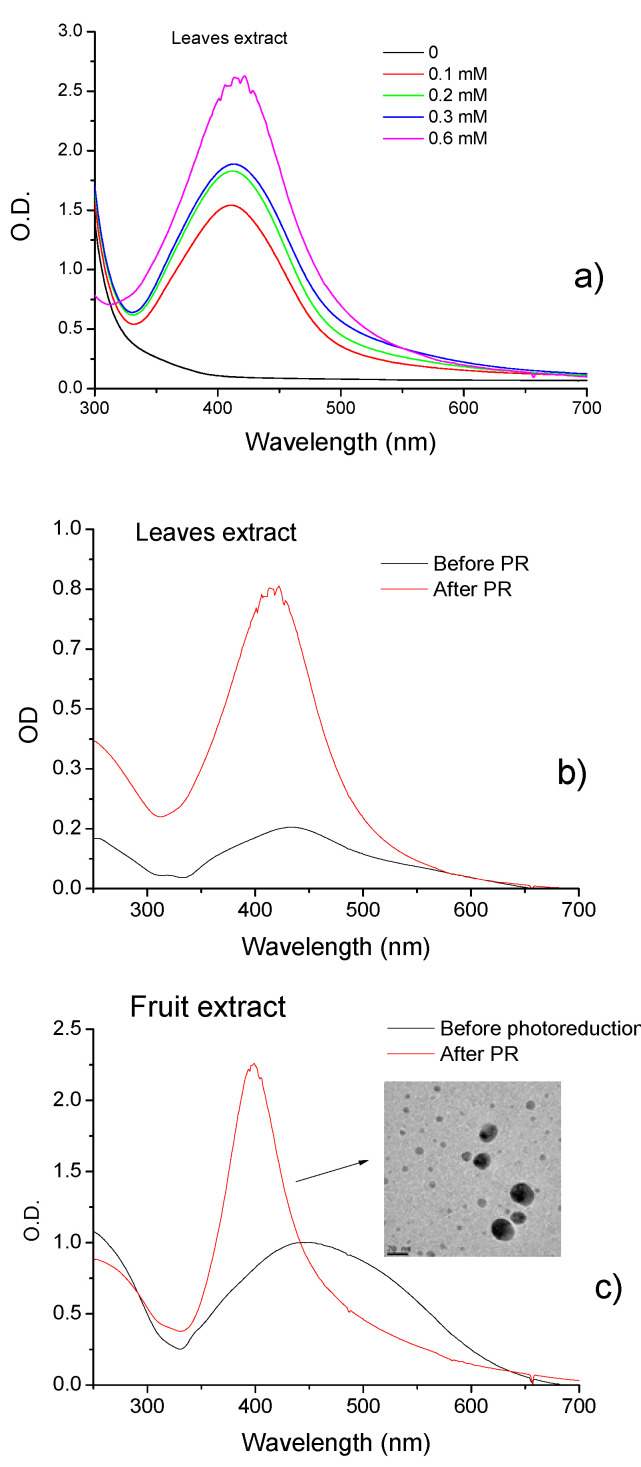
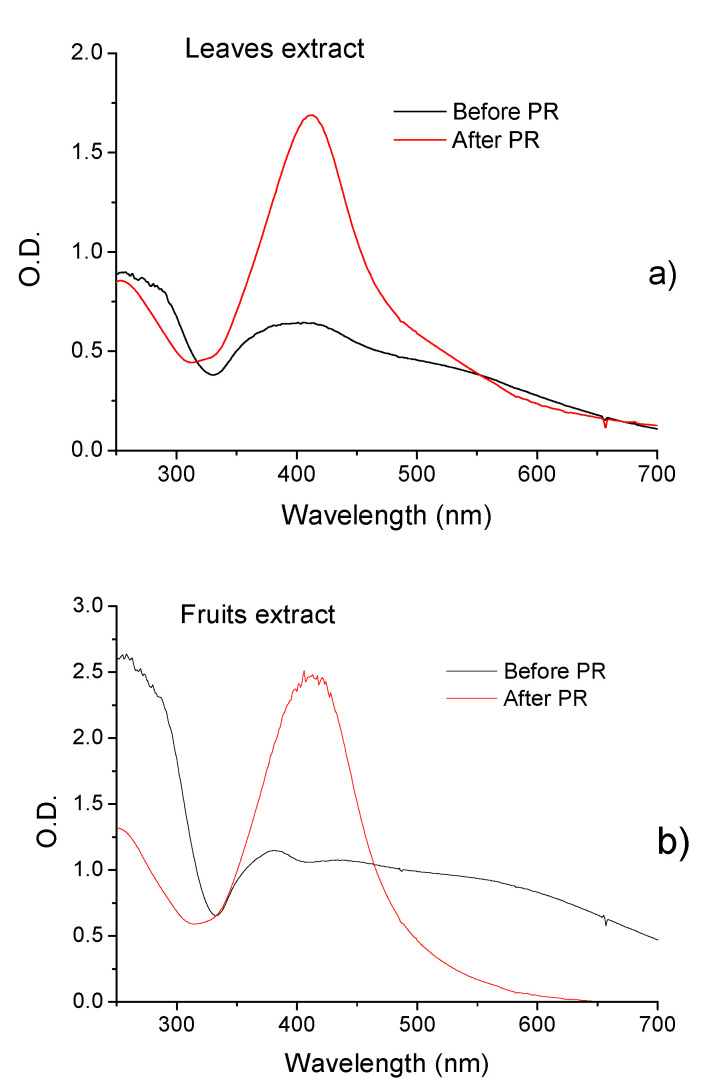
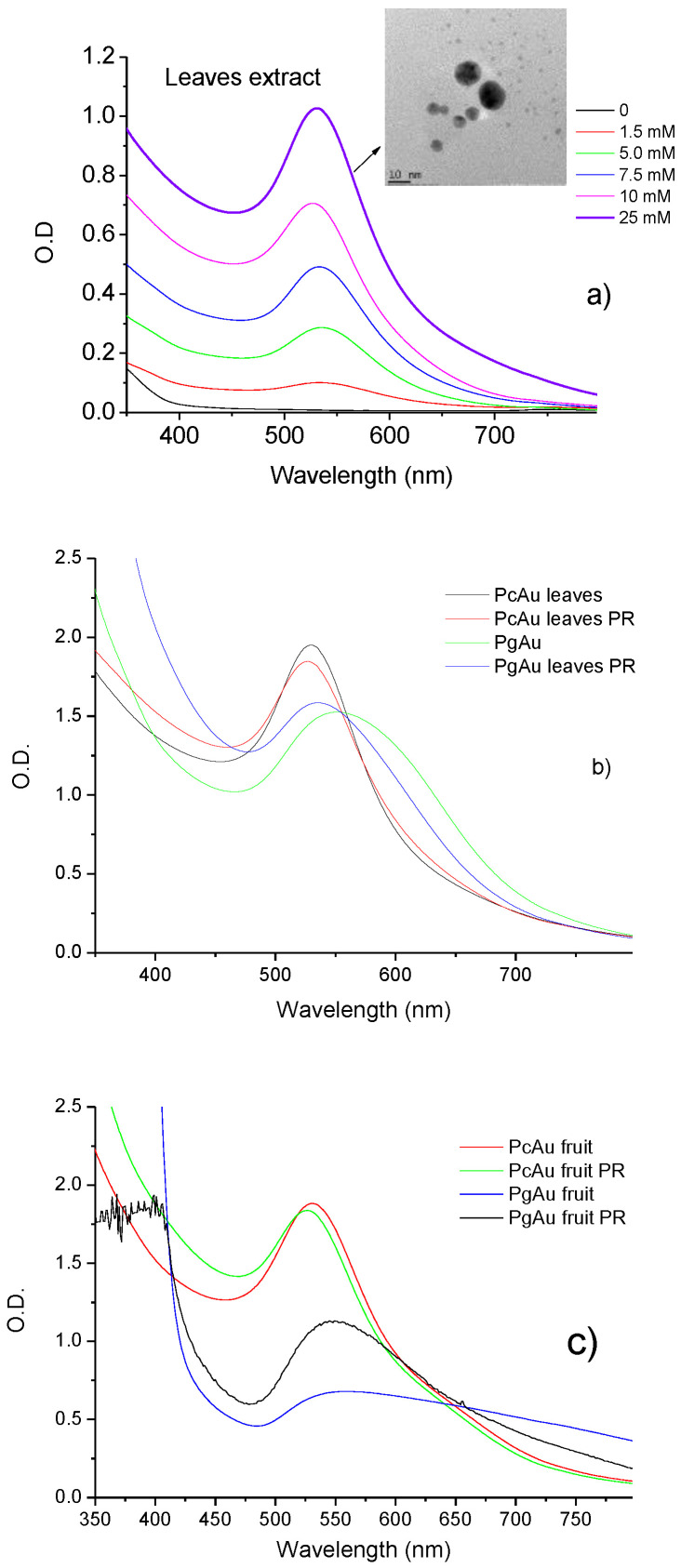
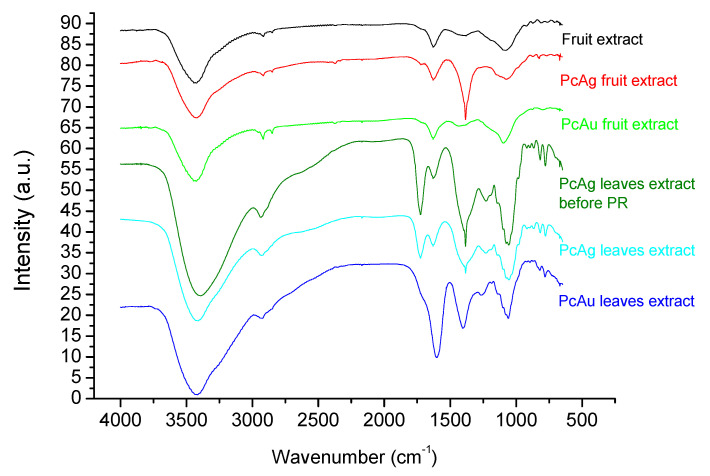
The increased number of resistant microbes generates a search for new antibiotic methods. Metallic nanoparticles have emerged as a new platform against several microorganisms. The nanoparticles can damage the bacteria membrane and DNA by oxidative stress. The photoreduction process is a clean and low-cost method for obtaining silver and gold nanoparticles. This work describes two original insights: (1) the use of extracts of leaves and fruits from a Brazilian plant compared with a well know plant and (2) the use of phytochemicals as stabilizing agents in the photoreduction process. The prepared nanoparticles were characterized by UV-vis, FTIR, transmission electron microscopy, and Zeta potential. The antimicrobial activity of nanoparticles was obtained with Gram-negative and Gram-positive bacteria, particularly the pathogens ATCC 25923; ATCC 6633; clinical isolates of methicillin-resistant (MRSA) and ; ATCC 25922; O44:H18 EAEC042 (clinical isolate); ATCC 700603, ATCC 10231; ATCC 27853; and ATCC 10231. Excellent synthesis results were obtained. The AgNPs exhibited antimicrobial activities against Gram-negative and Gram-positive bacteria and yeast (80-100%), better than AuNPs (0-87.92%), and may have the potential to be used as antimicrobial agents.
越来越多的耐药微生物促使人们寻求新的抗生素方法。金属纳米粒子作为一种针对多种微生物的新平台已经出现。纳米粒子可以通过氧化应激破坏细菌膜和 DNA。光还原过程是一种获得银和金纳米粒子的清洁且低成本的方法。这项工作描述了两个原创性的见解:(1)使用巴西植物的叶和果实提取物与一种知名植物进行比较,(2)使用植物化学物质作为光还原过程中的稳定剂。通过紫外可见光谱、傅里叶变换红外光谱、透射电子显微镜和 Zeta 电位对制备的纳米粒子进行了表征。通过革兰氏阴性菌和革兰氏阳性菌,特别是病原体 ATCC 25923、ATCC 6633、耐甲氧西林金黄色葡萄球菌(MRSA)和临床分离株、O44:H18 EAEC042(临床分离株)、ATCC 700603、ATCC 10231、ATCC 27853 和 ATCC 10231,获得了纳米粒子的抗菌活性。得到了出色的合成结果。AgNPs 对革兰氏阴性菌和革兰氏阳性菌和酵母表现出抗菌活性(80-100%),优于 AuNPs(0-87.92%),并且可能具有作为抗菌剂的潜力。