Institute of Pharmaceutical Sciences of Western Switzerland, University of Geneva, Geneva 1211, Switzerland.
BioNanomaterials, Adolphe Merkle Institute, University of Fribourg, Fribourg 1700, Switzerland.
ACS Nano. 2022 Nov 22;16(11):18119-18132. doi: 10.1021/acsnano.2c04871. Epub 2022 Oct 27.
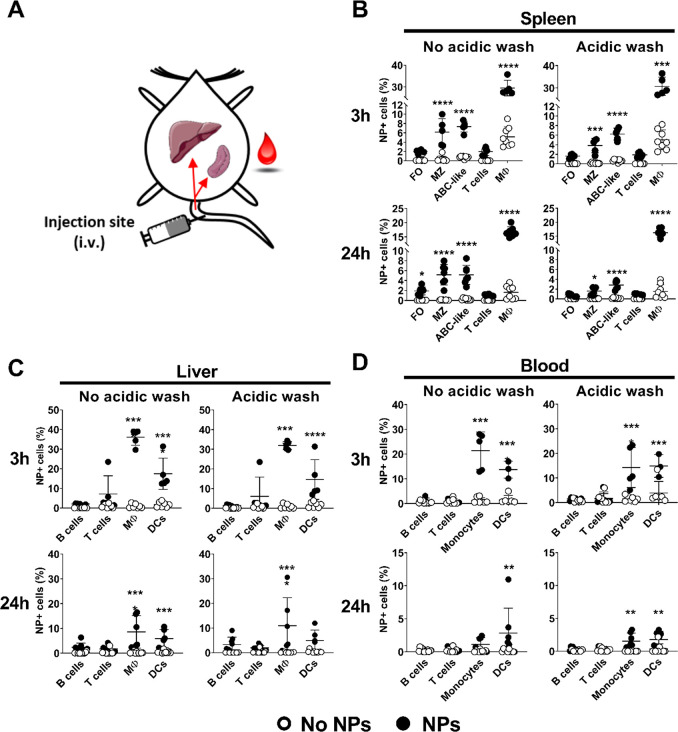
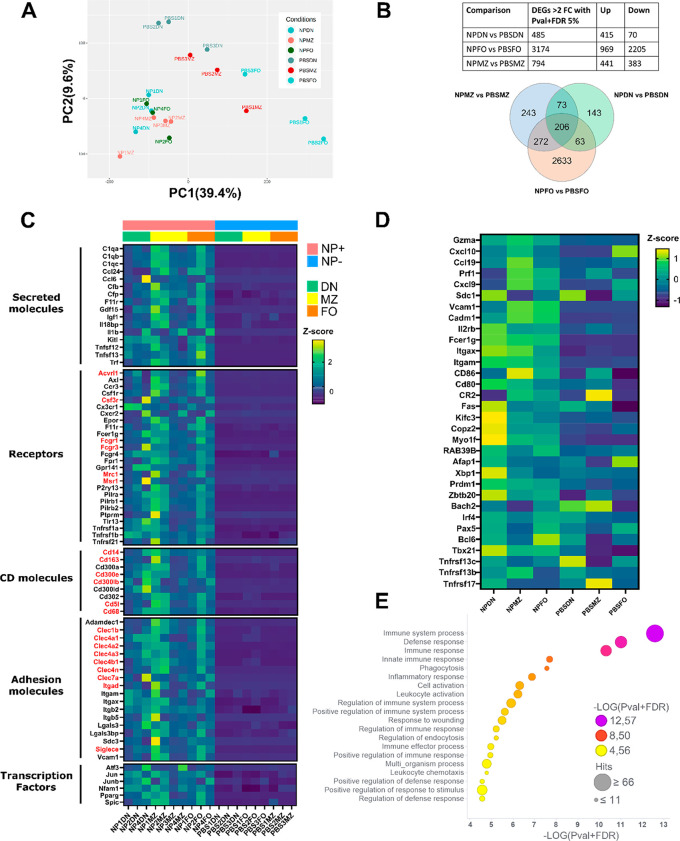
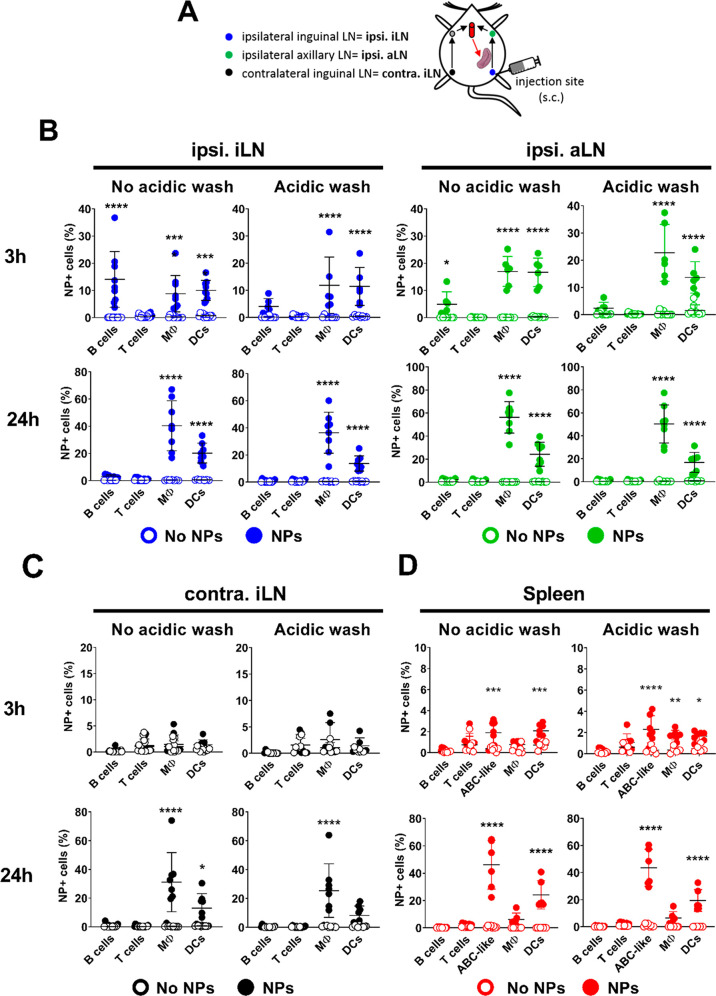
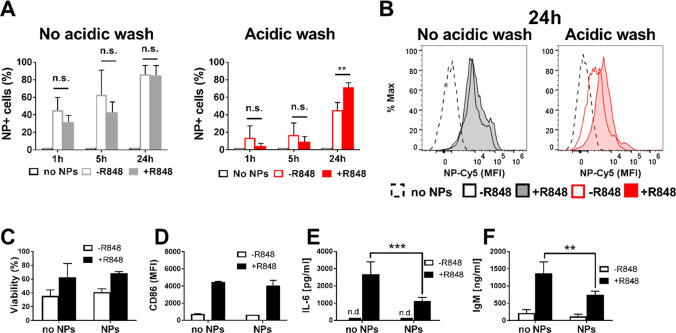
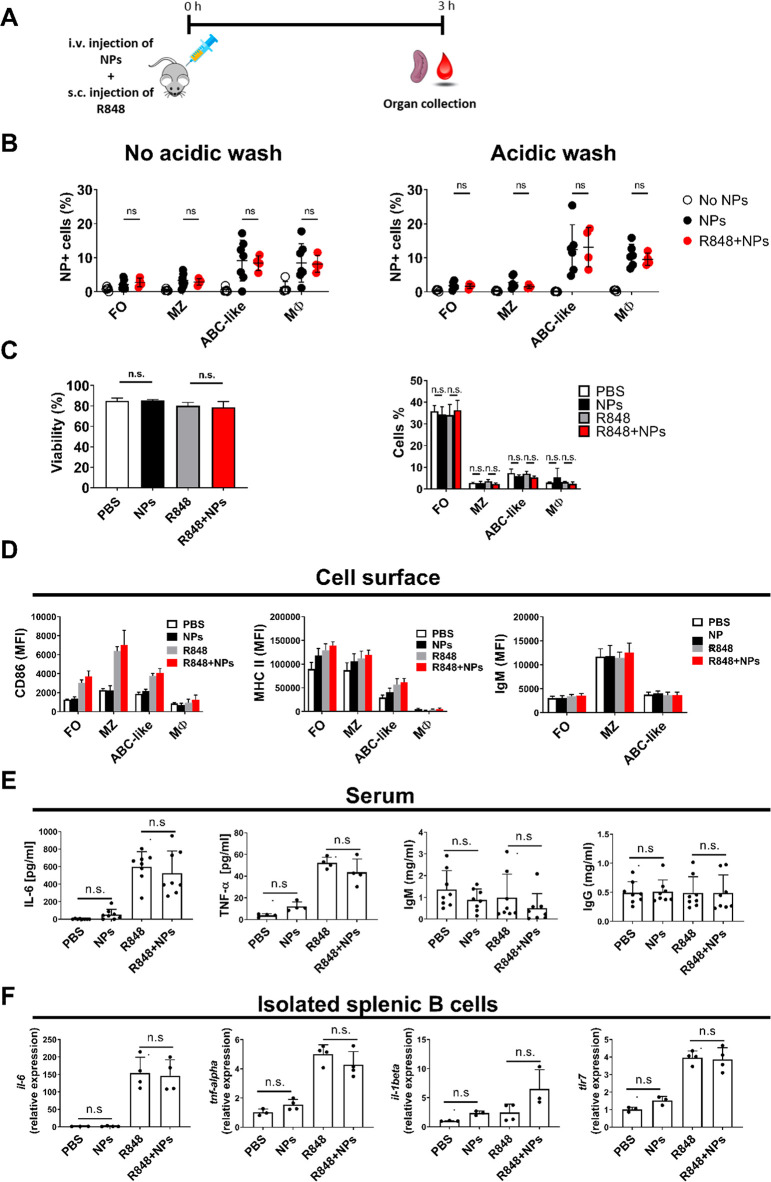
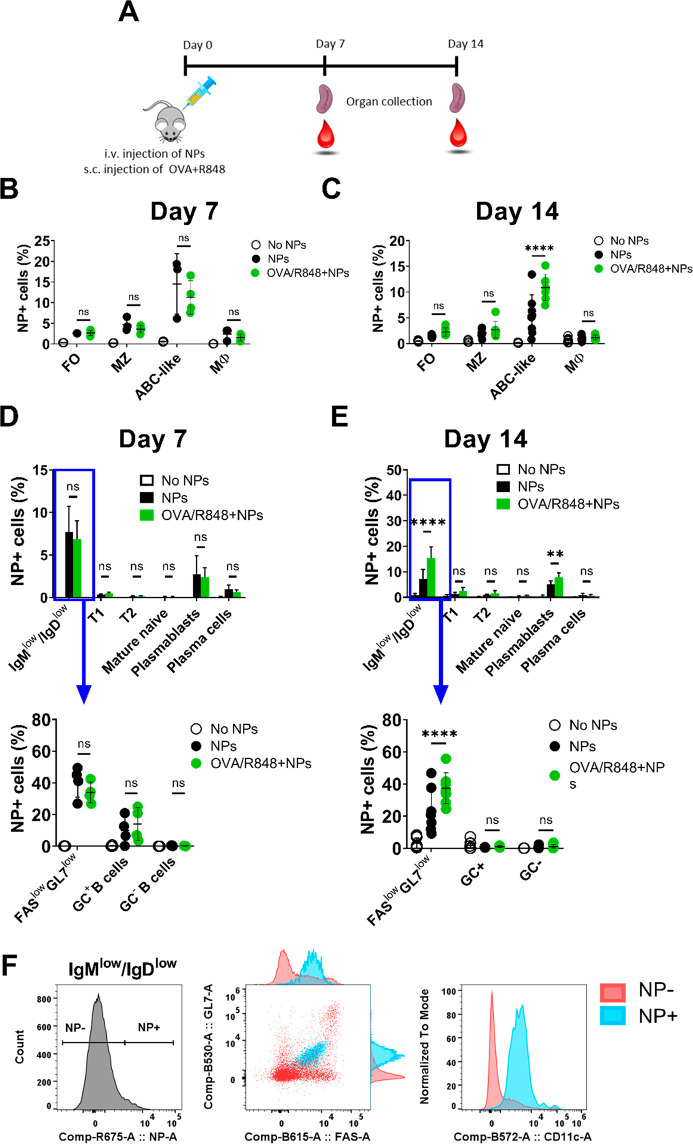
Engineered gold nanoparticles (GNPs) have become a useful tool in various therapeutic and diagnostic applications. Uncertainty remains regarding the possible impact of GNPs on the immune system. In this regard, we investigated the interactions of polymer-coated GNPs with B cells and their functions in mice. Surprisingly, we observed that polymer-coated GNPs mainly interact with the recently identified subpopulation of B lymphocytes named age-associated B cells (ABCs). Importantly, we also showed that GNPs did not affect cell viability or the percentages of other B cell populations in different organs. Furthermore, GNPs did not activate B cell innate-like immune responses in any of the tested conditions, nor did they impair adaptive B cell responses in immunized mice. Together, these data provide an important contribution to the otherwise limited knowledge about GNP interference with B cell immune function, and demonstrate that GNPs represent a safe tool to target ABCs for potential clinical applications.
经过工程设计的金纳米颗粒(GNPs)已成为各种治疗和诊断应用的有用工具。但是对于 GNPs 对免疫系统可能产生的影响,人们仍然存在不确定性。在这方面,我们研究了聚合物涂层 GNPs 与 B 细胞的相互作用及其在小鼠中的功能。令人惊讶的是,我们观察到聚合物涂层 GNPs 主要与最近被鉴定为 B 淋巴细胞的亚群——衰老相关 B 细胞(ABCs)相互作用。重要的是,我们还表明,GNPs 不会影响不同器官中其他 B 细胞群的细胞活力或百分比。此外,GNPs 在任何测试条件下都不会激活 B 细胞先天样免疫反应,也不会损害免疫小鼠中的适应性 B 细胞反应。总之,这些数据为人们对 GNPs 干扰 B 细胞免疫功能的有限认识做出了重要贡献,并证明 GNPs 是一种安全的工具,可以针对 ABC 进行靶向治疗,具有潜在的临床应用前景。