Yidian Chu, Chen Lin, Hongxia Deng, Yanguo Li, Zhisen Shen
The Affiliated Lihuili Hospital, Ningbo University, Ningbo, China.
School of Medicine, Ningbo University, Ningbo, China.
Front Mol Neurosci. 2022 Oct 11;15:984529. doi: 10.3389/fnmol.2022.984529. eCollection 2022.
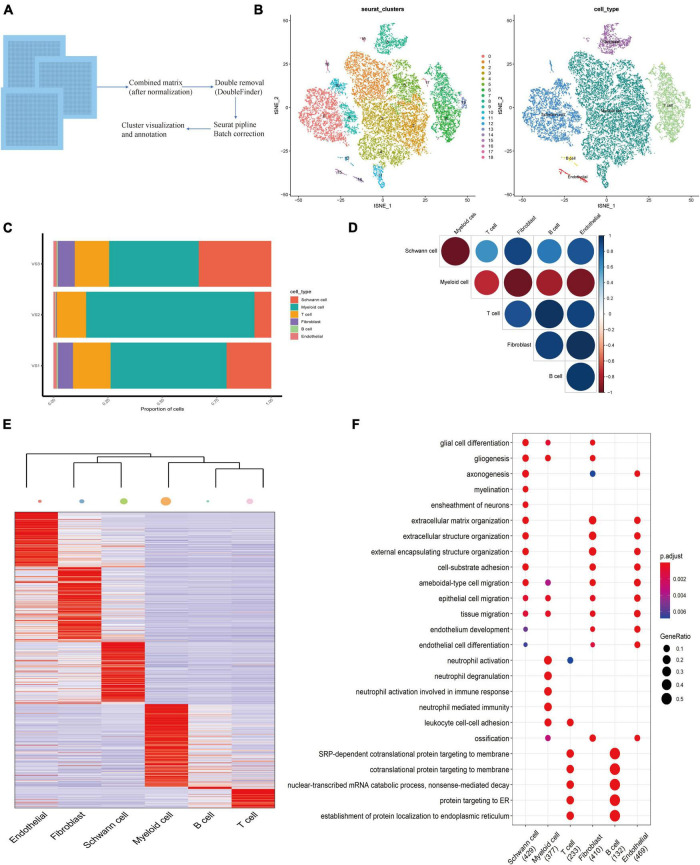
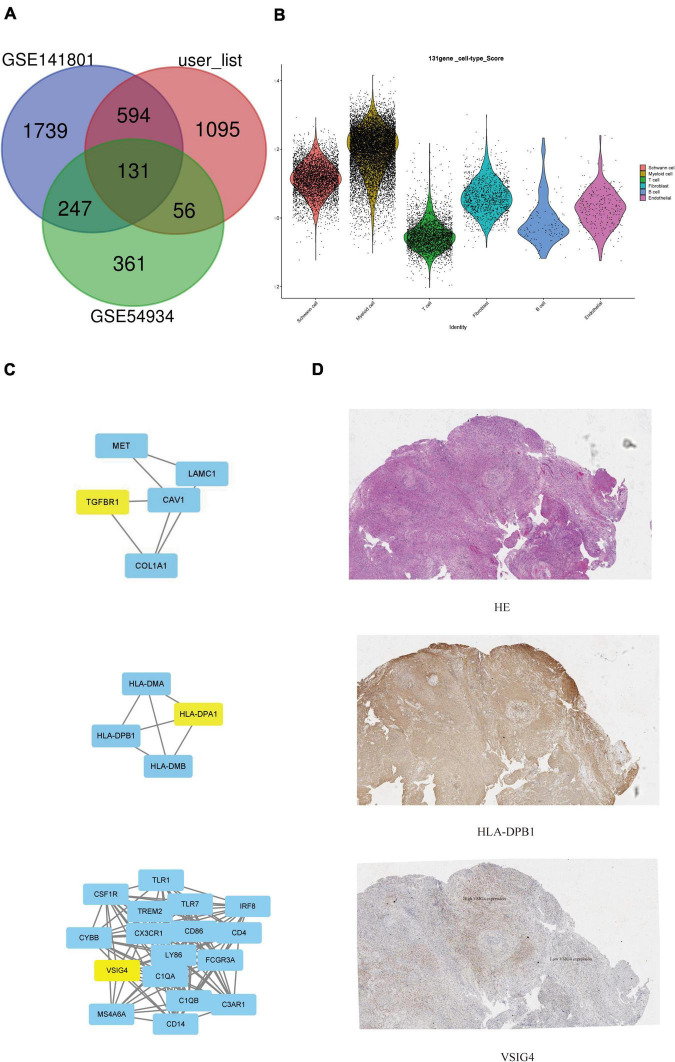
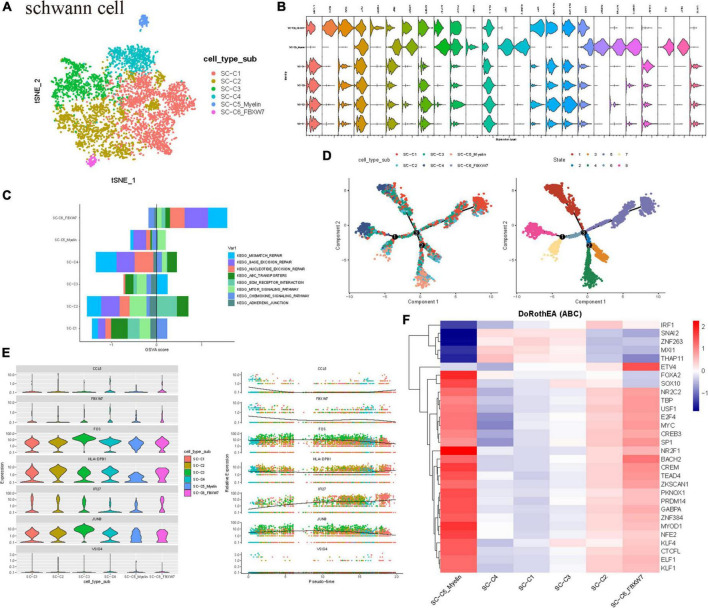
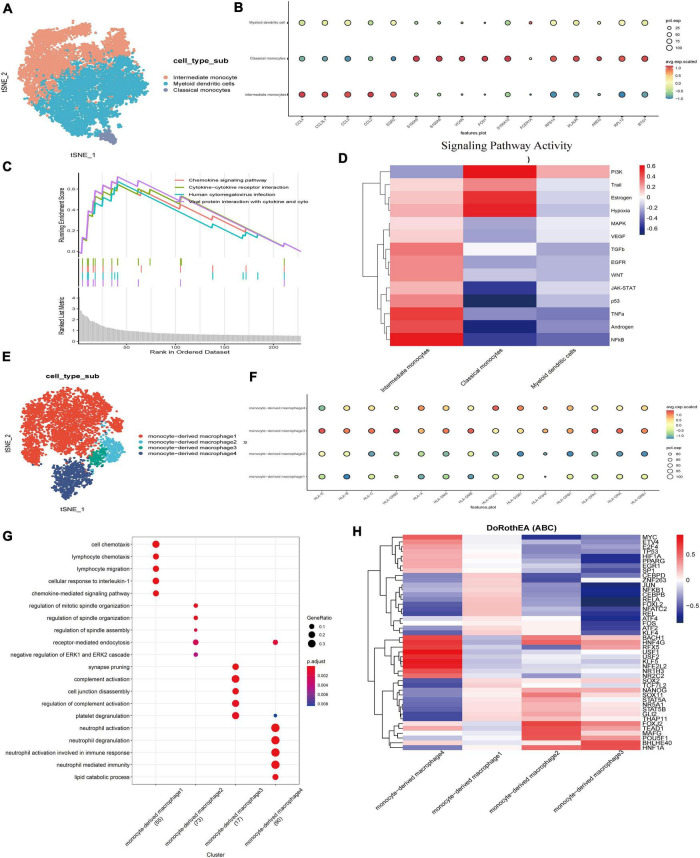
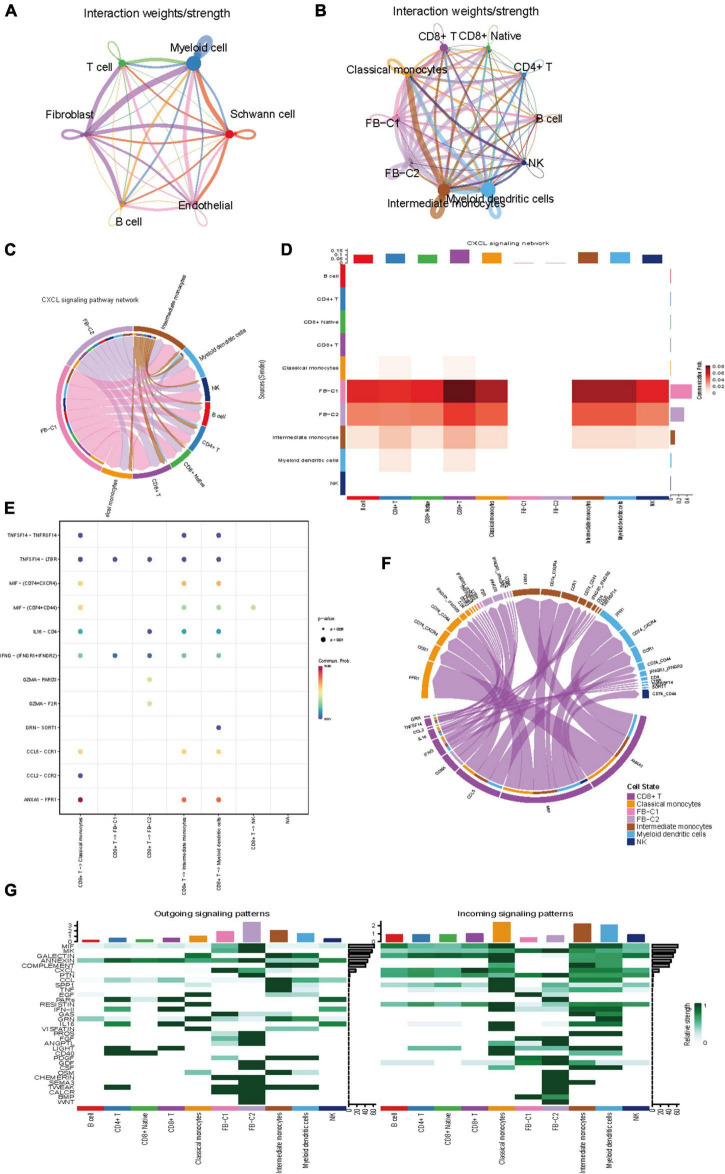
In this study, based on three tumor samples obtained from patients with sporadic vestibular schwannoma, 32,011 cells were obtained by single-cell transcriptome sequencing, and 22,309 high-quality cells were obtained after quality control and double cells removal. Then, 18 cell clusters were obtained after cluster analysis, and each cluster was annotated as six types of cells. Afterward, an in-depth analysis was conducted based on the defined six cell clusters, including characterizing the functional characteristics of each cell subtype, describing the cell development and differentiation pathway, exploring the interaction between cells, and analyzing the transcriptional regulatory network within the clusters. Based on these four dimensions, various types of cells in sporadic vestibular schwannoma tumor tissues were described in detail. For the first time, we expanded on the functional state of cell clusters that have been reported and described Schwann cells in the peripheral nervous system, which have not been reported in previous studies. Combined with the data of sporadic vestibular schwannoma and normal tissues in the gene expression omnibus (GEO) database, the candidate biomarkers of sporadic vestibular schwannoma were explored. Overall, this study described the single-cell map of sporadic vestibular schwannoma for the first time, revealing the functional state and development trajectory of different cell types. Combined with the analysis of data in the GEO database and immunohistochemical verification, it was concluded that HLA-DPB1 and VSIG4 may be candidate biomarkers and potential therapeutic targets for patients with sporadic vestibular schwannoma.
在本研究中,基于从散发型前庭神经鞘瘤患者获取的三个肿瘤样本,通过单细胞转录组测序获得了32,011个细胞,经过质量控制和去除双细胞后得到22,309个高质量细胞。然后,经过聚类分析获得了18个细胞簇,每个簇被注释为六种细胞类型。随后,基于定义的六个细胞簇进行了深入分析,包括表征每个细胞亚型的功能特征、描述细胞发育和分化途径、探索细胞间相互作用以及分析簇内的转录调控网络。基于这四个维度,详细描述了散发型前庭神经鞘瘤肿瘤组织中的各种细胞类型。我们首次扩展了已报道的细胞簇的功能状态,并描述了外周神经系统中的雪旺细胞,这在以往研究中尚未见报道。结合基因表达综合数据库(GEO)中散发型前庭神经鞘瘤和正常组织的数据,探索了散发型前庭神经鞘瘤的候选生物标志物。总体而言,本研究首次描绘了散发型前庭神经鞘瘤的单细胞图谱,揭示了不同细胞类型的功能状态和发育轨迹。结合GEO数据库中的数据分析和免疫组化验证,得出结论:HLA-DPB1和VSIG4可能是散发型前庭神经鞘瘤患者的候选生物标志物和潜在治疗靶点。