Departments of Animal Science, Integrative Biology, and Physiology, University of Minnesota, St Paul, Minn.
Division of Allergy, Asthma, and Clinical Immunology, Mayo Clinic Arizona, Scottsdale, Ariz.
J Allergy Clin Immunol. 2023 Feb;151(2):494-508.e6. doi: 10.1016/j.jaci.2022.09.034. Epub 2022 Oct 25.
Alternaria alternata and house dust mite exposure evokes IL-33 secretion from the airway epithelium, which functions as an alarmin to stimulate type 2 immunity. Extracellular DNA (eDNA) is also an alarmin that intensifies inflammation in cystic fibrosis, chronic obstructive pulmonary disease, and asthma.
We investigated the mechanisms underlying allergen-evoked DNA mobilization and release from the airway epithelium and determined the role of eDNA in type 2 immunity.
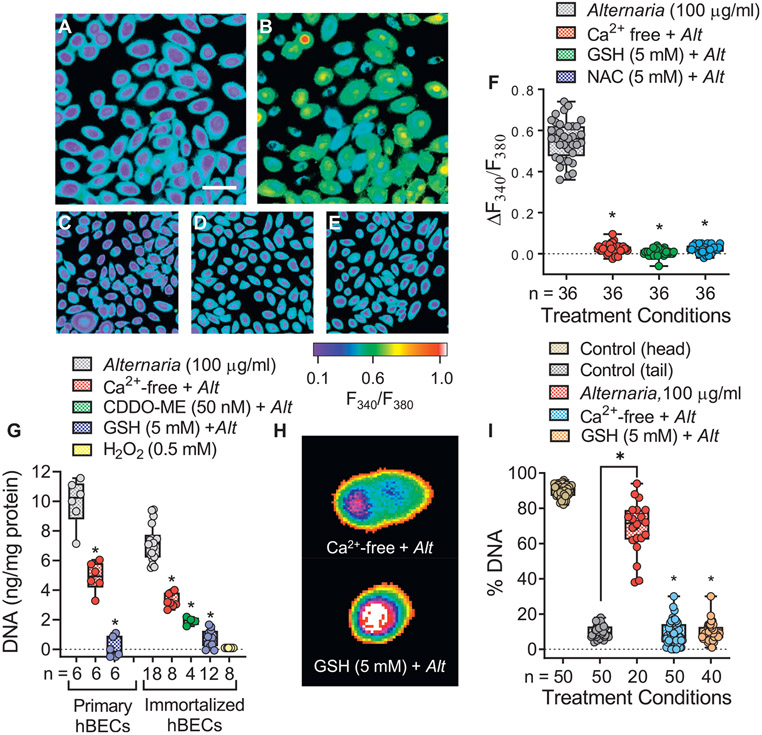
Human bronchial epithelial (hBE) cells were used to characterize allergen-induced DNA mobilization and extracellular release using comet assays to measure DNA fragmentation, Qubit double-stranded DNA assays to measure DNA release, and DNA sequencing to determine eDNA composition. Mice were used to investigate the role of eDNA in type 2 immunity.
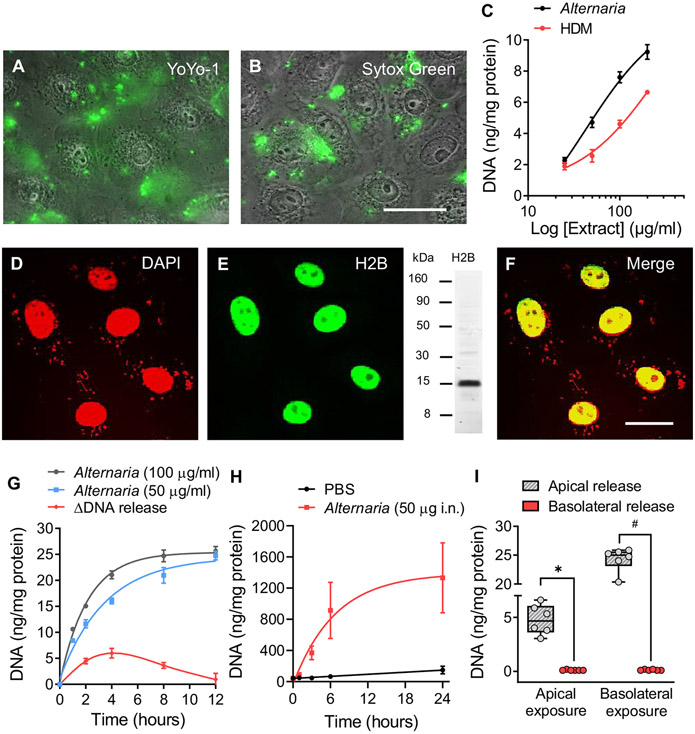
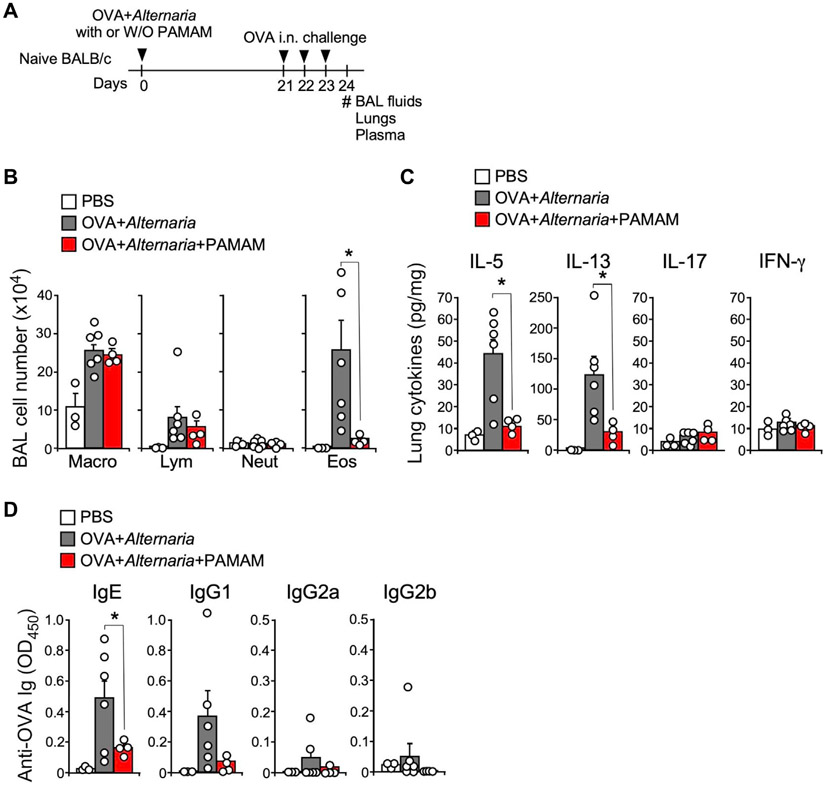
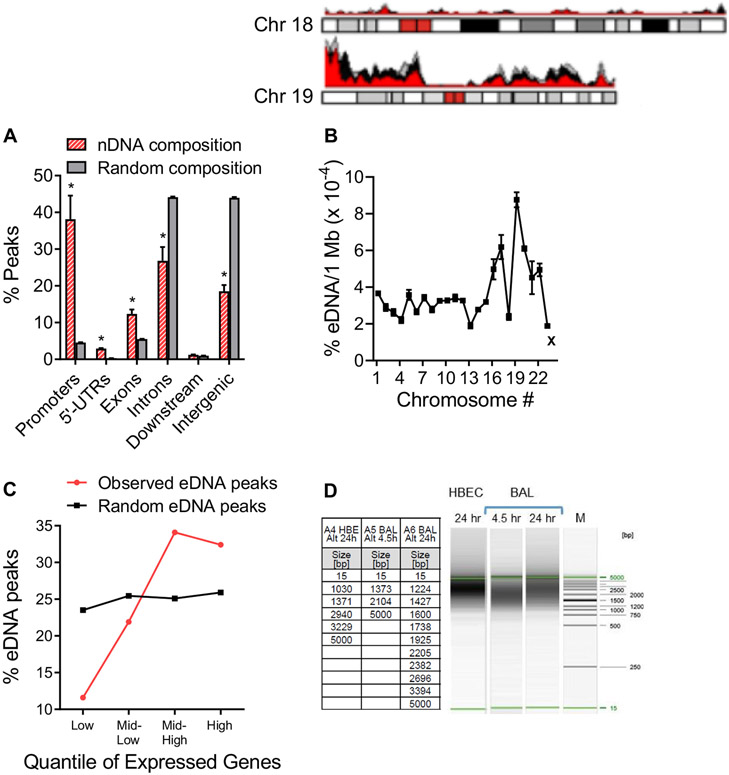
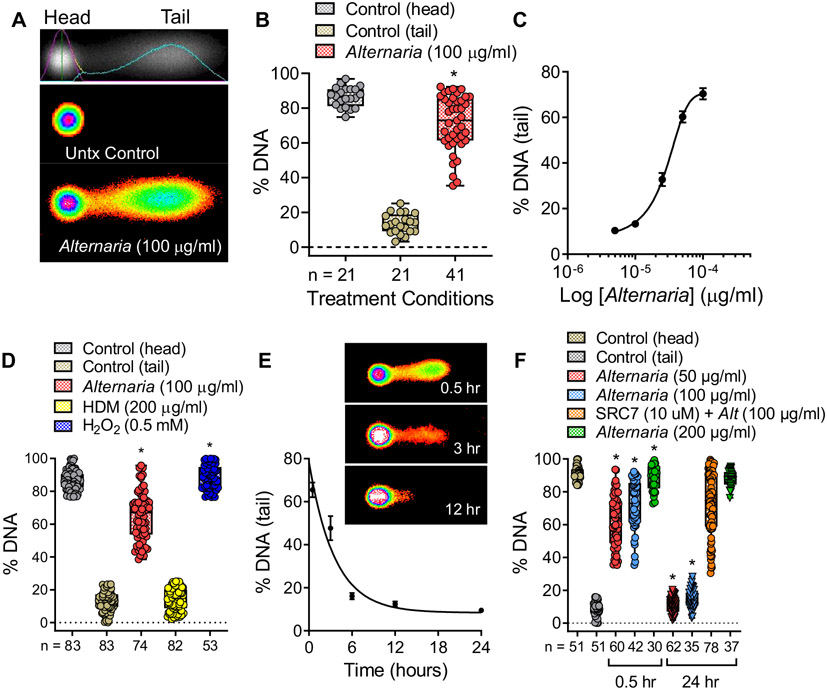
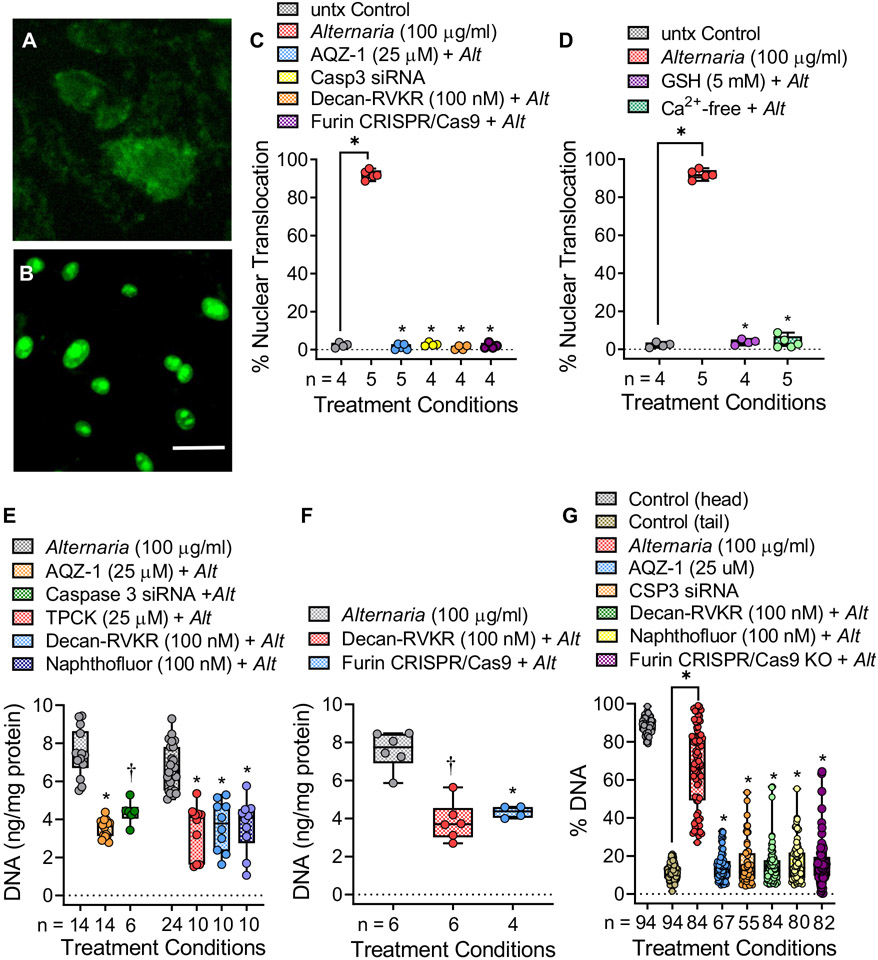
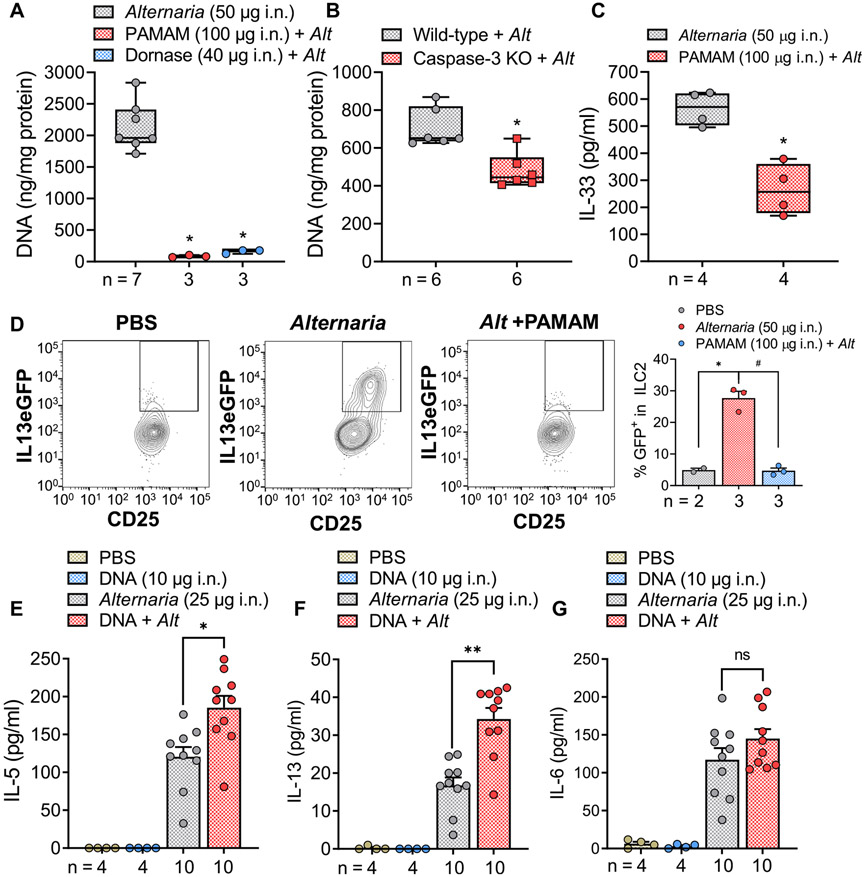
Alternaria extract rapidly induces mitochondrial and nuclear DNA release from human bronchial epithelial cells, whereas house dust mite extract induces mitochondrial DNA release. Caspase-3 is responsible for nuclear DNA fragmentation and becomes activated after cleavage by furin. Analysis of secreted nuclear DNA showed disproportionally higher amounts of promotor and exon sequences and lower intron and intergenic regions compared to predictions of random DNA fragmentation. In mice, Alternaria-induced type 2 immune responses were blocked by pretreatment with a DNA scavenger. In caspase-3-deficient mice, Alternaria-induced DNA release was suppressed. Furthermore, intranasal administration of mouse genomic DNA with Alternaria amplified secretion of IL-5 and IL-13 into bronchoalveolar lavage fluid while DNA alone had no effect.
These findings highlight a novel, allergen-induced mechanism of rapid DNA release that amplifies type 2 immunity in airways.
链格孢菌和屋尘螨暴露会引起气道上皮细胞分泌白细胞介素-33(IL-33),作为警报素来刺激 2 型免疫。细胞外 DNA(eDNA)也是一种警报素,可加剧囊性纤维化、慢性阻塞性肺疾病和哮喘中的炎症。
我们研究了过敏原引起的气道上皮细胞中 DNA 动员和释放的机制,并确定了 eDNA 在 2 型免疫中的作用。
使用人支气管上皮(hBE)细胞,通过彗星试验测量 DNA 片段化来表征过敏原诱导的 DNA 动员和细胞外释放,使用 Qubit 双链 DNA 测定法测量 DNA 释放,并用 DNA 测序来确定 eDNA 组成。使用小鼠来研究 eDNA 在 2 型免疫中的作用。
链格孢菌提取物可迅速诱导人支气管上皮细胞中线粒体和核 DNA 的释放,而屋尘螨提取物则诱导线粒体 DNA 的释放。半胱天冬酶-3 负责核 DNA 片段化,并在被弗林蛋白酶切割后被激活。对分泌的核 DNA 的分析表明,与随机 DNA 片段化的预测相比,启动子和外显子序列的比例明显更高,而内含子和基因间区的比例更低。在小鼠中,用 DNA 清除剂预处理可阻断链格孢菌诱导的 2 型免疫反应。在半胱天冬酶-3 缺陷型小鼠中,链格孢菌诱导的 DNA 释放受到抑制。此外,用链格孢菌与小鼠基因组 DNA 共同滴鼻给药可增强 IL-5 和 IL-13 向支气管肺泡灌洗液中的分泌,而单独的 DNA 则没有这种作用。
这些发现强调了一种新型的过敏原诱导的快速 DNA 释放机制,可放大气道中的 2 型免疫。