Melecchi Alberto, Amato Rosario, Lapi Dominga, Dal Monte Massimo, Rusciano Dario, Bagnoli Paola, Cammalleri Maurizio
Department of Biology, University of Pisa, Pisa, Italy.
Interdepartmental Research Center Nutrafood "Nutraceuticals and Food for Health", University of Pisa, Pisa, Italy.
Front Pharmacol. 2022 Oct 13;13:1038730. doi: 10.3389/fphar.2022.1038730. eCollection 2022.
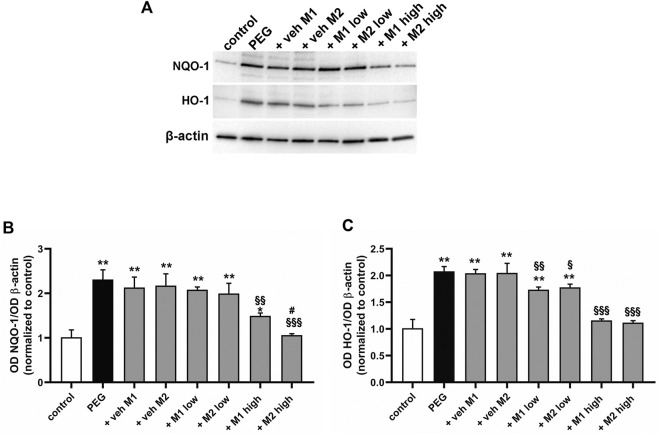
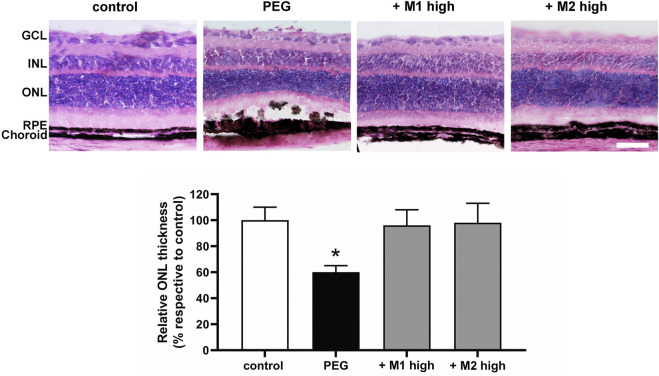
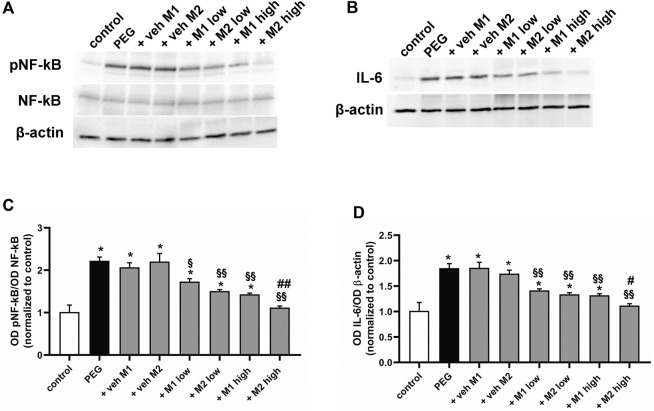
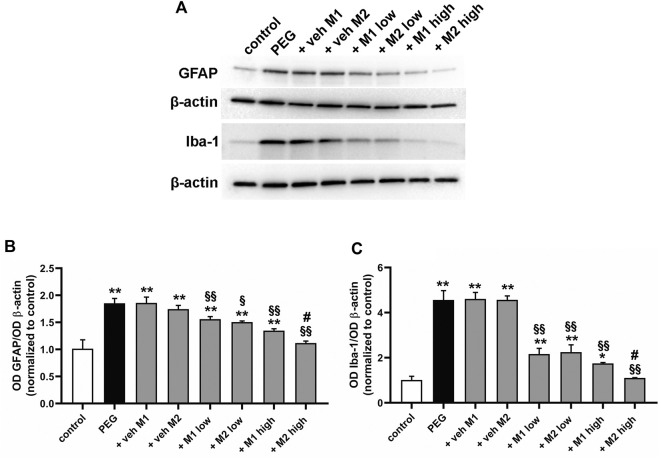
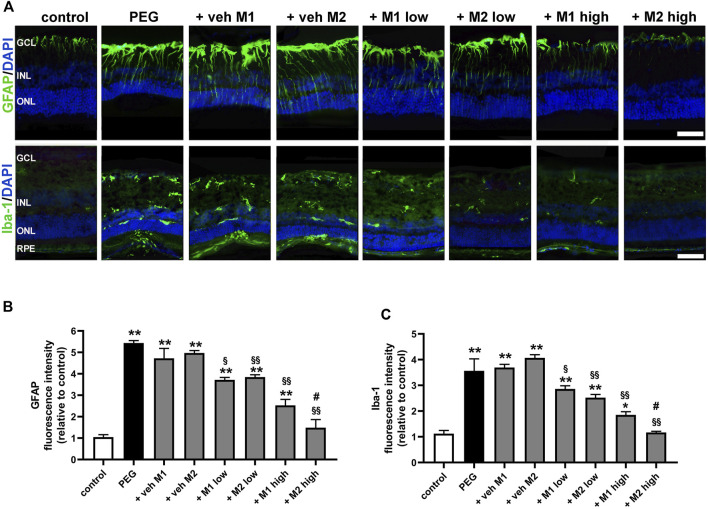
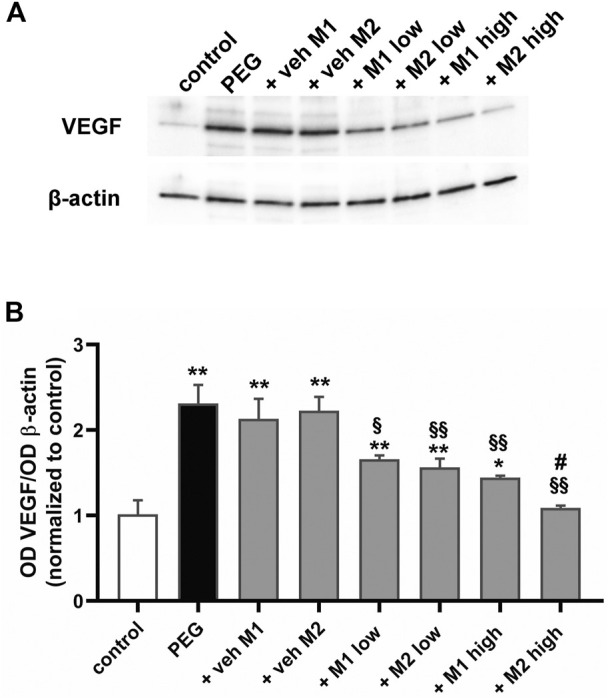
Age-related macular degeneration (AMD) is nowadays considered among the retinal diseases whose clinical management lacks established treatment approaches, mainly for its atrophic (dry) form. In this respect, the use of dietary patterns enriched in omega-3 and antioxidant xanthophylls has emerged as a promising approach to counteract dry AMD progression although the prophylactic potential of omega-3 of fish origin has been discussed. Whether enriched availability of omega-3 and xanthophylls may increase the effectiveness of diet supplementation in preventing dry AMD remains to be fully established. The present study aims at comparing the efficacy of an existing orally administered formulation based on lutein and fish oil, as a source of omega-3, with a novel formulation providing the combination of lutein and astaxanthin with Calanus oil (COil), which contains omega-3 together with their precursors policosanols. Using a mouse model of dry AMD based on subretinal injection of polyethylene glycol (PEG)-400, we assessed the comparative efficacy of both formulations on PEG-induced major hallmarks including oxidative stress, inflammation, glial reactivity and outer retinal thickness. Dietary supplementation with both mixtures has been found to exert a significant antioxidant and anti-inflammatory activity as reflected by the overall amelioration of the PEG-induced pathological hallmarks. Noteworthy, the formulation based on COil appeared to be more protective than the one based on fish oil, presumably because of the higher bioavailability of omega-3 in COil. These results support the use of dietary supplements combining omega-3 and xanthophylls in the prevention and treatment of AMD and suggest that the source of omega-3 might contribute to treatment efficacy.
年龄相关性黄斑变性(AMD)如今被认为是临床治疗缺乏既定方法的视网膜疾病之一,主要是针对其萎缩性(干性)形式。在这方面,使用富含ω-3和抗氧化叶黄素的饮食模式已成为一种有前景的方法来对抗干性AMD的进展,尽管源自鱼类的ω-3的预防潜力已被讨论。ω-3和叶黄素的丰富供应是否会增加饮食补充剂预防干性AMD的有效性仍有待充分确定。本研究旨在比较一种现有的基于叶黄素和鱼油(作为ω-3的来源)的口服制剂与一种新型制剂的疗效,该新型制剂提供叶黄素和虾青素与桡足鱼油(COil)的组合,COil含有ω-3及其前体多廿烷醇。使用基于视网膜下注射聚乙二醇(PEG)-400的干性AMD小鼠模型,我们评估了两种制剂对PEG诱导的主要特征(包括氧化应激、炎症、神经胶质反应性和视网膜外层厚度)的比较疗效。已发现两种混合物的饮食补充剂均具有显著的抗氧化和抗炎活性,这体现在PEG诱导的病理特征的总体改善上。值得注意的是,基于COil的制剂似乎比基于鱼油的制剂更具保护作用,这可能是因为COil中ω-3的生物利用度更高。这些结果支持在AMD的预防和治疗中使用结合ω-3和叶黄素的膳食补充剂,并表明ω-3的来源可能有助于提高治疗效果。