College of Wildlife and Protected Area, Northeast Forestry University, Harbin 150040, Heilongjiang, PR China.
College of Wildlife and Protected Area, Northeast Forestry University, Harbin 150040, Heilongjiang, PR China.
J Adv Res. 2023 Oct;52:3-18. doi: 10.1016/j.jare.2022.10.015. Epub 2022 Nov 9.
Microplastic pollution seriously threatens the health and safety of humans and wildlife. Avian is one of the main species endangered by microplastics. However, the damage mechanism of microplastics to the digestive system of avian is not clear.
The gut-liver axis is a bidirectional channel that regulates the exchange of information between the gut and the liver and is also a key target for tissue damage caused by pollutants. This study aimed to elucidate the digestive toxicity of microplastics in avian and the key role of the gut-liver axis in it.
We constructed an exposure model for microplastics in environmental concentrations and toxicological concentrations in chickens and reveal the digestive toxicity of polystyrene microplastics (PS-MPs) in avian by 16S rRNA, transcriptomics and metabolomics.
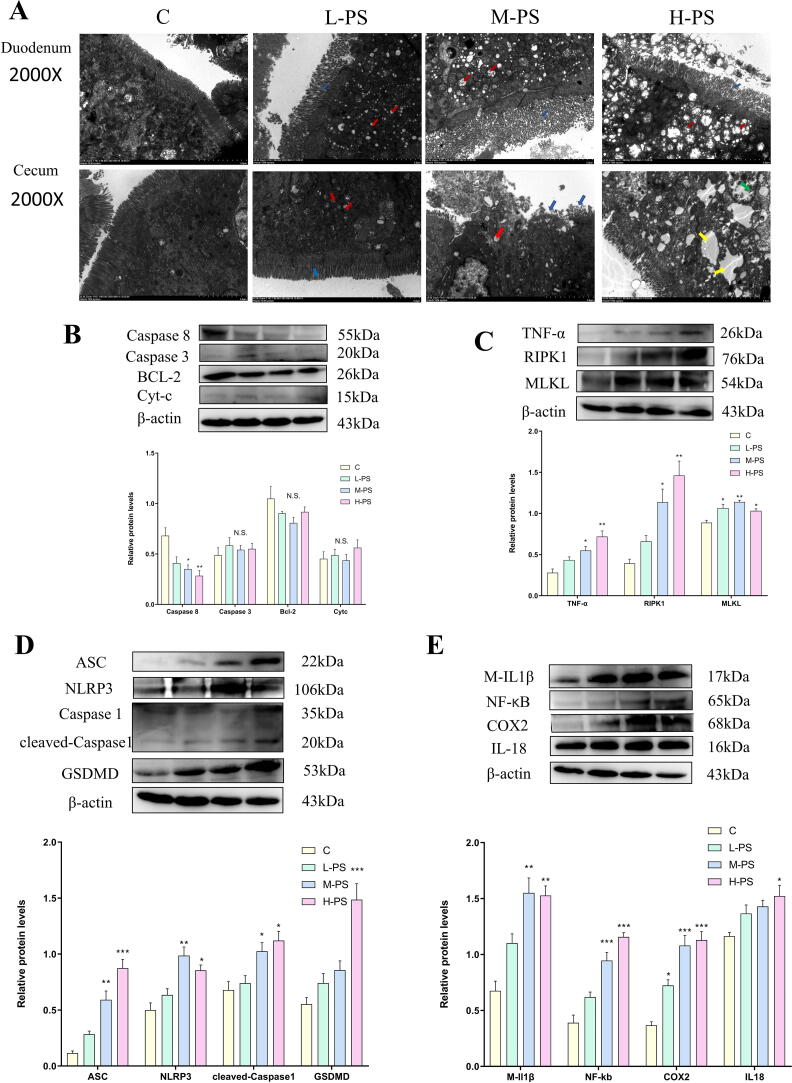
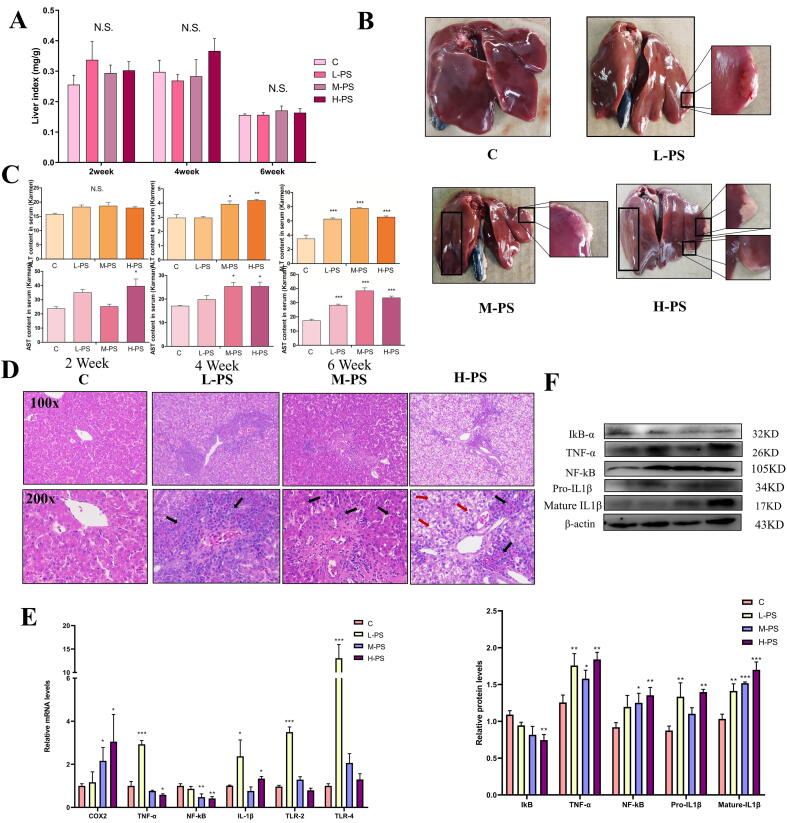
PS-MPs changed the death mode from apoptosis to necrosis and pyroptosis by upregulating Caspase 8, disrupting the intestinal vascular barrier, disturbing the intestinal flora and promoting the accumulation of lipopolysaccharide. Harmful flora and metabolites were translocated to the liver through the liver-gut axis, eliciting hepatic immune responses and promoting hepatic lipid metabolism disorders and apoptosis. Liver injury involves multiple molecular effects of mitochondrial dynamics disturbance, oxidative stress, endoplasmic reticulum stress, and cell cycle disturbance. Furthermore, metabolomics suggested that caffeine and melanin metabolites may be potential natural resistance substances for microplastics.
Taken together, our data demonstrate the digestive damage of PS-MPs in avian, revealing a critical role of the liver-gut axis in it. This will provide a reference for protecting the safety of avian populations.
微塑料污染严重威胁着人类和野生动物的健康和安全。鸟类是受微塑料威胁的主要物种之一。然而,微塑料对鸟类消化系统的损伤机制尚不清楚。
肠-肝轴是一个双向通道,调节肠道和肝脏之间的信息交换,也是污染物引起组织损伤的关键靶点。本研究旨在阐明鸟类中微塑料的消化毒性及其在其中的关键作用。
我们构建了环境浓度和毒性浓度下微塑料在鸡中的暴露模型,通过 16S rRNA、转录组学和代谢组学揭示聚苯乙烯微塑料(PS-MPs)对禽类的消化毒性。
PS-MPs 通过上调 Caspase 8 改变了细胞死亡模式,由凋亡变为坏死和焦亡,破坏了肠道血管屏障,扰乱了肠道菌群,促进了脂多糖的积累。有害菌群和代谢物通过肝肠轴转移到肝脏,引发肝脏免疫反应,促进肝脏脂质代谢紊乱和细胞凋亡。肝损伤涉及到线粒体动力学紊乱、氧化应激、内质网应激和细胞周期紊乱等多种分子效应。此外,代谢组学表明咖啡因和黑色素代谢物可能是微塑料的潜在天然抗性物质。
综上所述,我们的数据表明 PS-MPs 对禽类具有消化毒性,揭示了肝肠轴在其中的关键作用。这将为保护鸟类种群的安全提供参考。