Department of Obstetrics and Gynecology, The Third Affiliated Hospital of Southern Medical University, Guangzhou, 510630, China.
Southern Medical University Shenzhen Stomatology Hospital (Pingshan), Shenzhen, 518000, China.
J Nanobiotechnology. 2022 Nov 5;20(1):471. doi: 10.1186/s12951-022-01676-3.
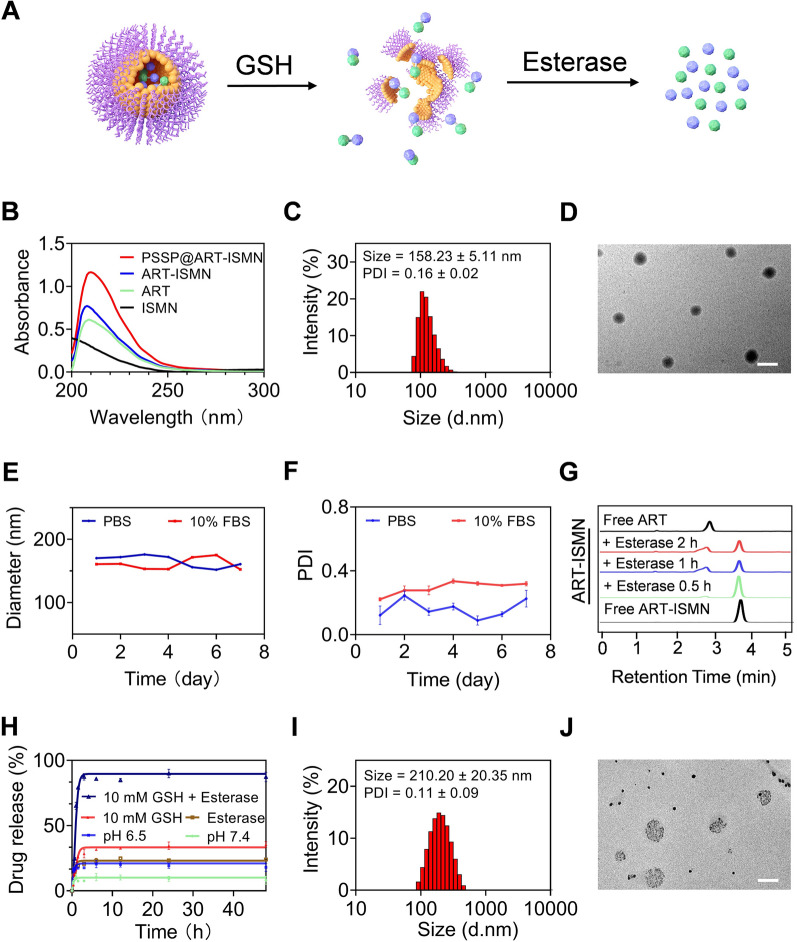
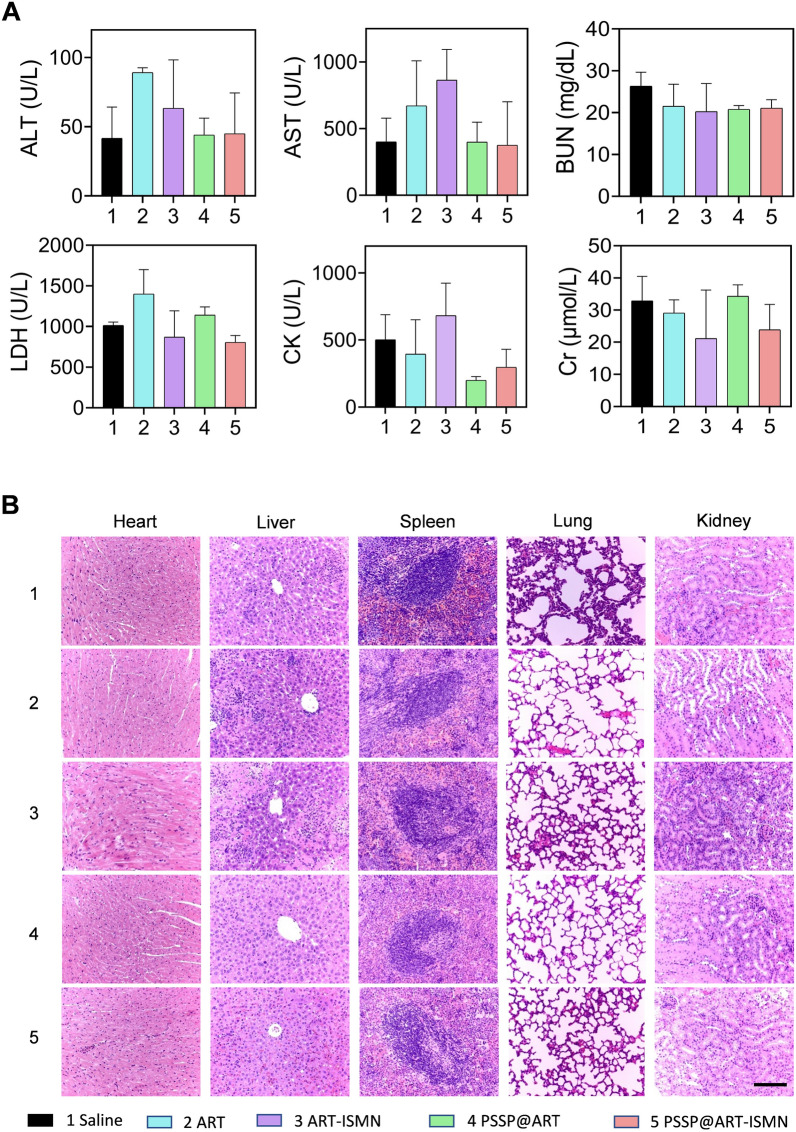
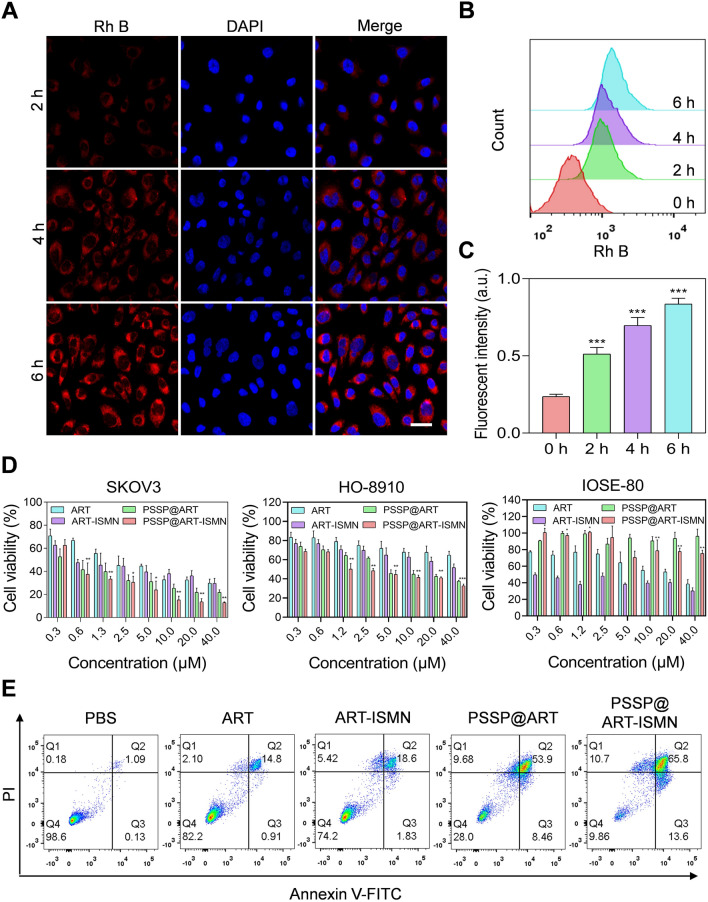
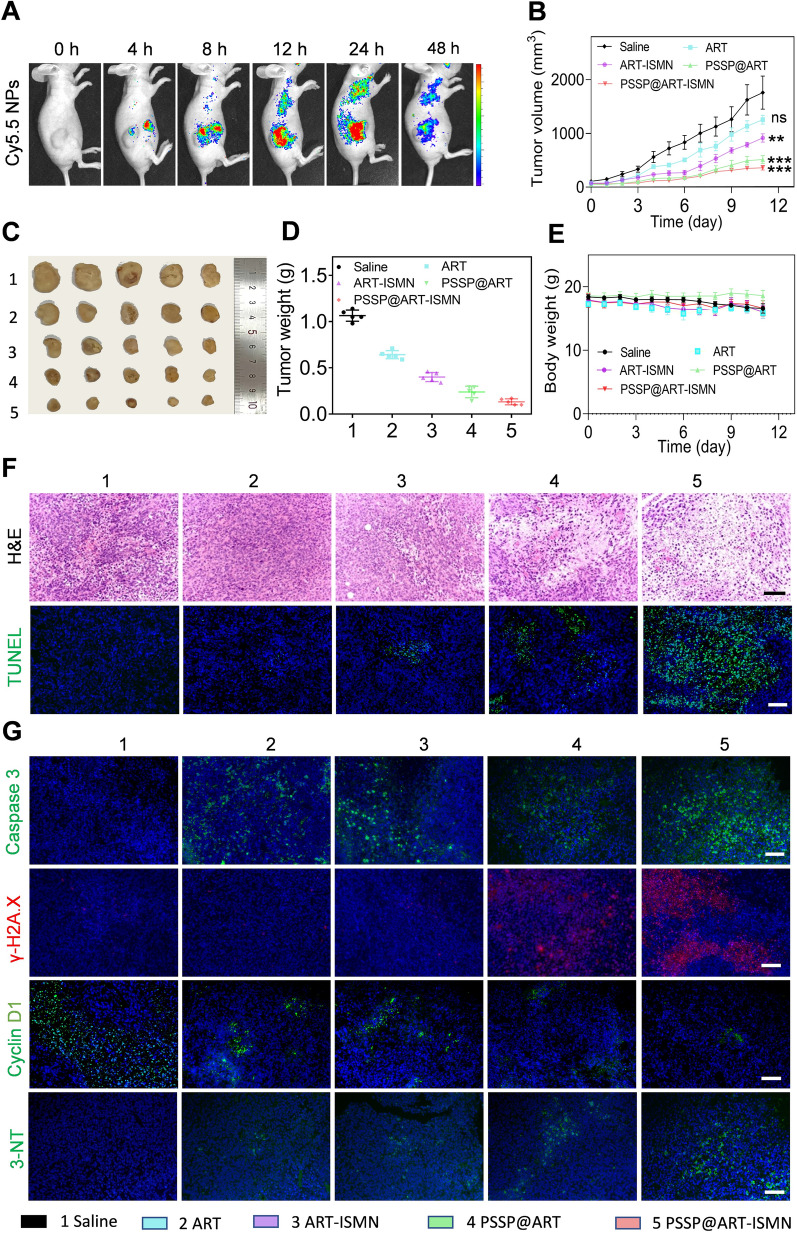
Ovarian cancer is a highly fatal gynecologic malignancy worldwide. Chemotherapy remains the primary modality both for primary and maintenance treatments of ovarian cancer. However, the progress in developing chemotherapeutic agents for ovarian cancer has been slow in the past 20 years. Thus, new and effective chemotherapeutic drugs are urgently needed for ovarian cancer treatment. A reduction-responsive synergetic delivery strategy (PSSP@ART-ISMN) with co-delivery of artesunate and isosorbide 5-mononitrate was investigated in this research study. PSSP@ART-ISMN had various effects on tumor cells, such as (i) inducing the production of reactive oxygen species (ROS), which contributes to mitochondrial damage; (ii) providing nitric oxide and ROS for the tumor cells, which further react to generate highly toxic reactive nitrogen species (RNS) and cause DNA damage; and (iii) arresting cell cycle at the G0/G1 phase and inducing apoptosis. PSSP@ART-ISMN also demonstrated excellent antitumor activity with good biocompatibility in vivo. Taken together, the results of this work provide a potential delivery strategy for chemotherapy in ovarian cancer.
卵巢癌是全球范围内一种高度致命的妇科恶性肿瘤。化疗仍然是卵巢癌的主要治疗方法,无论是初始治疗还是维持治疗。然而,过去 20 年来,开发用于卵巢癌的化疗药物的进展一直缓慢。因此,迫切需要新的、有效的化疗药物来治疗卵巢癌。本研究中考察了一种具有还原响应协同递药策略(PSSP@ART-ISMN)的载药系统,该系统共递送青蒿琥酯和单硝酸异山梨酯。PSSP@ART-ISMN 对肿瘤细胞具有多种作用,例如:(i)诱导活性氧(ROS)的产生,这有助于线粒体损伤;(ii)为肿瘤细胞提供一氧化氮和 ROS,它们进一步反应生成高毒性的活性氮物种(RNS)并导致 DNA 损伤;(iii)将细胞周期阻滞在 G0/G1 期并诱导细胞凋亡。PSSP@ART-ISMN 还表现出良好的体内抗肿瘤活性和良好的生物相容性。总之,这项工作的结果为卵巢癌的化疗提供了一种潜在的递药策略。