McDonough Ian M, Erwin Hillary B, Sin Nancy L, Allen Rebecca S
Department of Psychology, The University of Alabama, Tuscaloosa, AL, United States.
Alabama Research Institute on Aging, Tuscaloosa, AL, United States.
Front Aging Neurosci. 2022 Oct 20;14:953889. doi: 10.3389/fnagi.2022.953889. eCollection 2022.
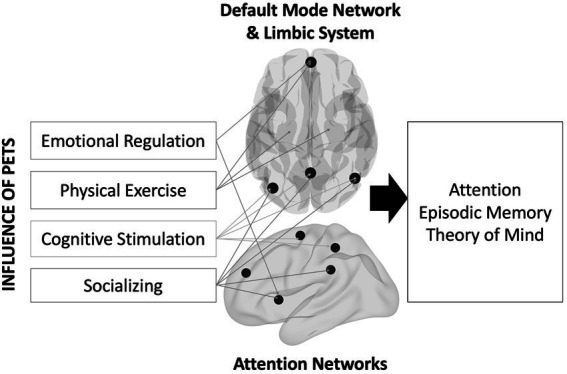
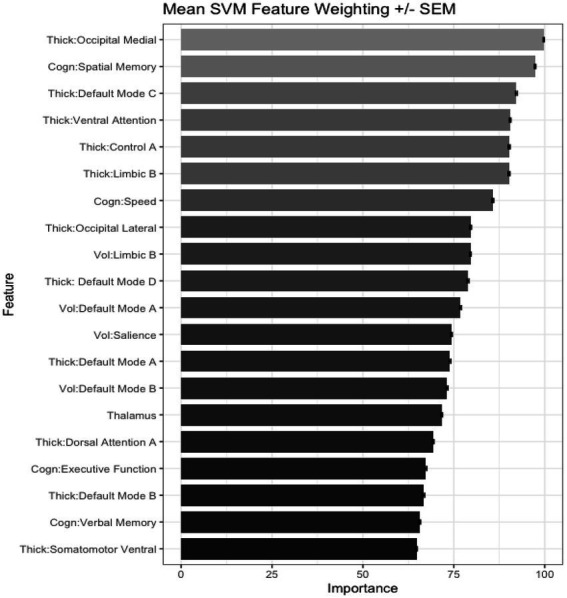
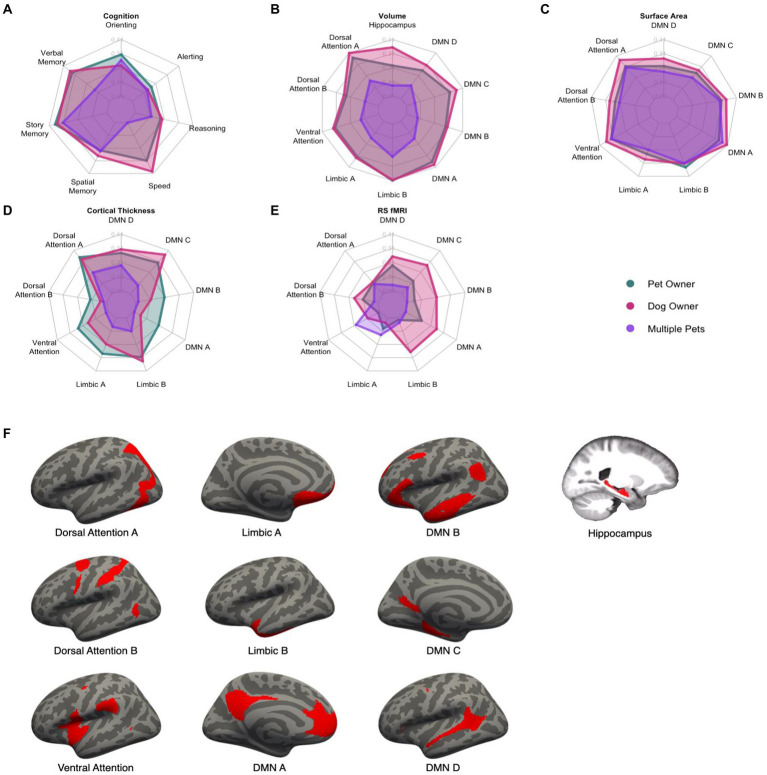
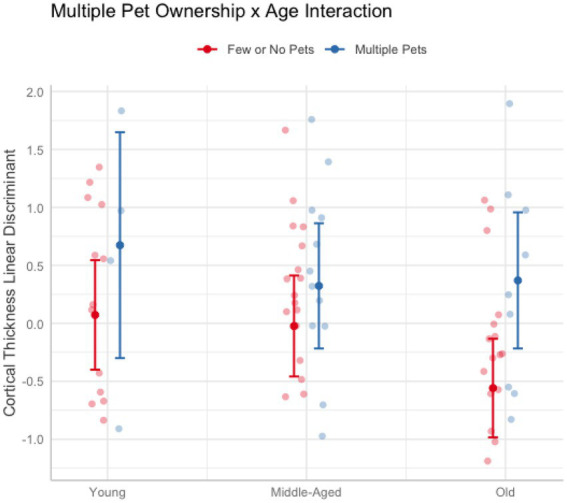
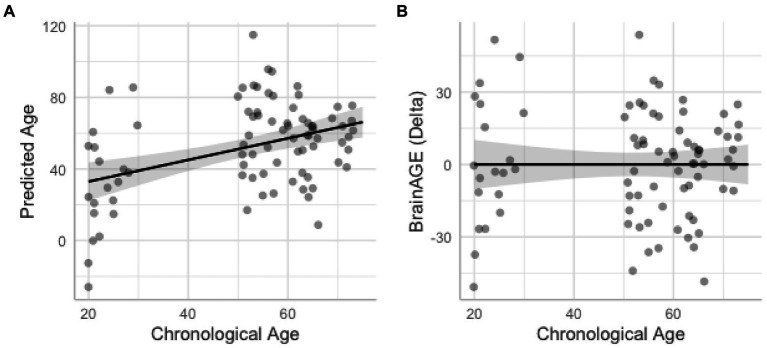
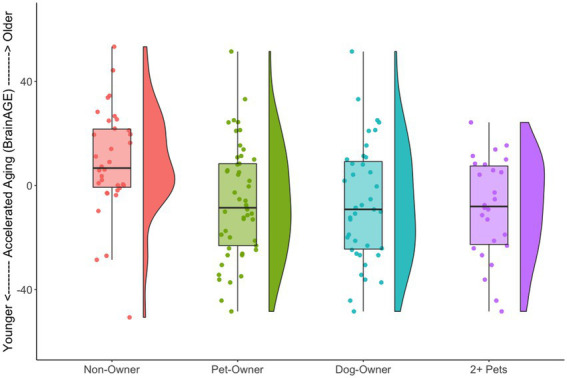
Human-animal interactions that stem from pet ownership have a wide range of benefits for social, emotional, and physical health. These factors also tend to improve cognition. Following this logic, owning a pet could indirectly enhance cognitive and brain health through mechanisms like improvements in well-being, socialization, and decreased stress. In the present study, cross-sectional data were drawn from the Alabama Brain Study on Risk for Dementia in which 95 participants aged 20-74 were recruited. Specifically, 56 adults were pet-owners and 39 adults were not pet-owners. Multivariate analyses revealed that pet ownership was related to higher levels of cognition and larger brain structures, and these effects were largest in dog owners. The most consistent cognitive relationships were found with better processing speed, attentional orienting, and episodic memory for stories, and with dorsal attention, limbic, and default mode networks. Moreover, we show that owning a pet can reduce one's brain age by up to 15 years. Pet ownership was not related to indirect factors including social, emotional, and physical health. We found also that older adults' brain health benefited from owning more than one pet versus owning one or fewer pets. These findings indicate that pet ownership, especially dog ownership, may play a role in enhancing cognitive performance across the adult lifespan, which could in turn influence protection against age-related cognitive decline.
源于养宠物的人与动物之间的互动对社会、情感和身体健康有广泛益处。这些因素也往往有助于改善认知能力。按照这一逻辑,养宠物可能通过改善幸福感、社交能力和减轻压力等机制间接增强认知和大脑健康。在本研究中,横断面数据取自阿拉巴马州痴呆症风险大脑研究,该研究招募了95名年龄在20至74岁之间的参与者。具体而言,56名成年人是宠物主人,39名成年人不是宠物主人。多变量分析显示,养宠物与更高水平的认知能力和更大的脑结构有关,而且这些影响在狗主人中最为明显。在处理速度、注意力定向、对故事的情景记忆以及背侧注意、边缘和默认模式网络方面发现了最一致的认知关系。此外,我们表明养宠物可以使一个人的脑龄降低多达15岁。养宠物与包括社会、情感和身体健康在内的间接因素无关。我们还发现,与养一只或更少宠物相比,养多只宠物对老年人的大脑健康有益。这些发现表明,养宠物,尤其是养狗,可能在提高成年人整个生命周期的认知表现方面发挥作用,这反过来可能会影响对与年龄相关的认知衰退的预防。