Shafarenko Mark S, Catapano Joseph, Hofer Stefan O P, Murphy Blake D
Division of Plastic and Reconstructive Surgery, Department of Surgery, University of Toronto, Toronto, Ontario, Canada.
Division of Plastic and Reconstructive Surgery, St. Michael's Hospital, Toronto, Ontario, Canada.
Plast Reconstr Surg Glob Open. 2022 Nov 3;10(11):e4656. doi: 10.1097/GOX.0000000000004656. eCollection 2022 Nov.
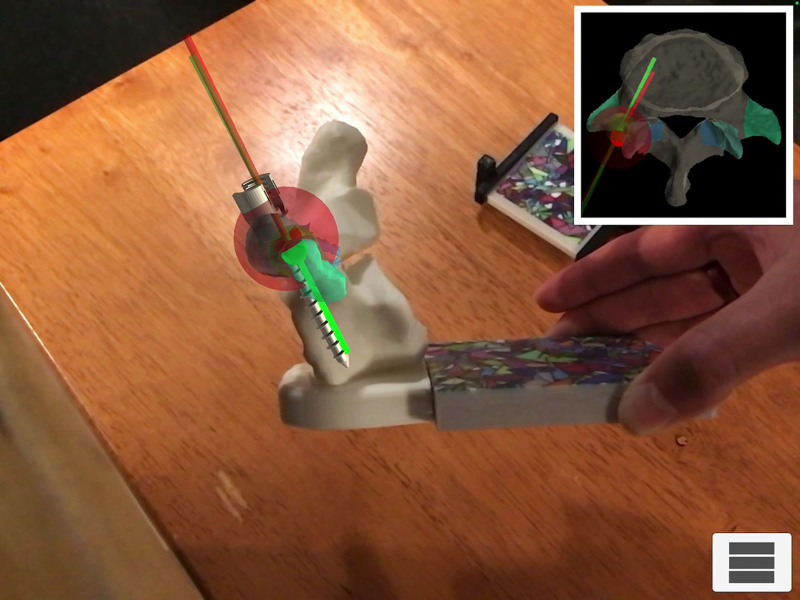
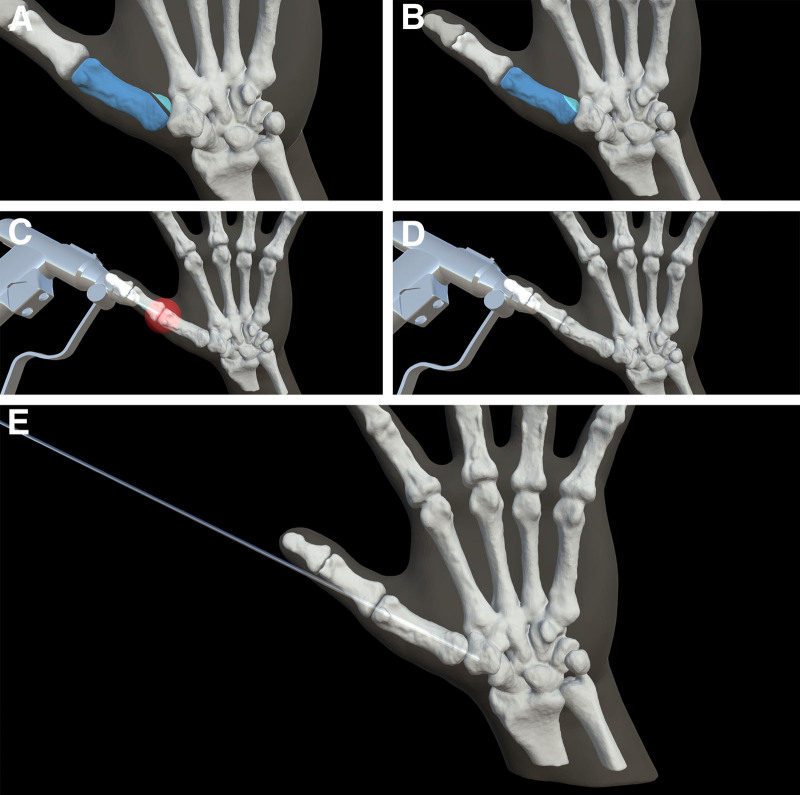
Concomitant with such a shift toward competency-based curricula, there has been increasing adoption of surgical simulation coupled with virtual, mixed, and augmented reality. These technologies have become more commonplace across multiple surgical disciplines, in domains such as preoperative planning, surgical education, and intraoperative navigation. However, there is a relative paucity of literature pertaining to the application of this technology to plastic surgery education. This review outlines the advantages of mixed and augmented reality in the pursuit of an ideal simulation environment, their benefits for the education of plastic surgery trainees, and their role in standardized assessments. In addition, we offer practical solutions to commonly encountered problems with this technology. Augmented reality has tremendous untapped potential in the next phase of plastic surgery education, and we outline steps toward broader implementation to enhance the learning environment for our trainees and to improve patient outcomes.
伴随着这种向基于能力的课程转变,手术模拟以及虚拟、混合和增强现实技术的应用越来越广泛。这些技术在多个外科领域变得更加普遍,包括术前规划、外科教育和术中导航等领域。然而,关于这项技术在整形外科学教育中的应用的文献相对较少。本综述概述了混合现实和增强现实在追求理想模拟环境方面的优势、它们对整形外科学实习生教育的益处以及它们在标准化评估中的作用。此外,我们针对这项技术常见的问题提供了实际解决方案。增强现实在整形外科学教育的下一阶段具有巨大的未开发潜力,我们概述了更广泛实施的步骤,以改善我们实习生的学习环境并提高患者的治疗效果。